Attractions and Places To See around San Asensio - Top 20
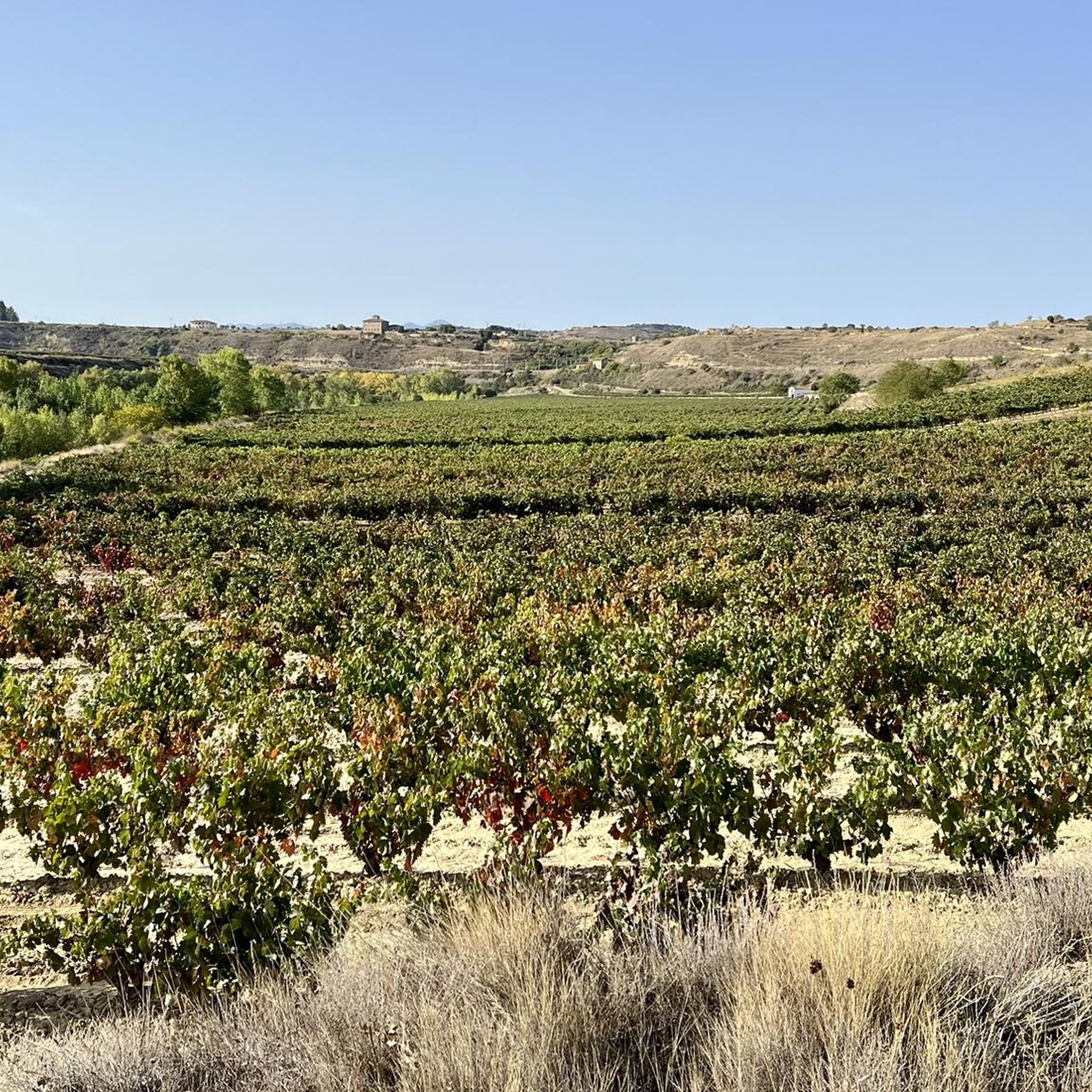
Best attractions and places to see around San Asensio, a town in La Rioja, Spain, are concentrated in the picturesque Ebro and Najerilla Valleys. This region is known for its viticultural heritage and is considered a hub for quality wine production, particularly as the "birthplace of clarete." Visitors can explore a blend of historical sites, cultural experiences, and natural landscapes defined by extensive vineyards. The area offers insights into its winemaking traditions and historical significance.
Best attractions and places to see around San Asensio
- The most popular attractions is Poyo de Roldán Stone Hut, an other man-made structure associated with a local legend. This hill offers views of the surroundings and is linked to the epic hero Roland.
- Another must-see spot is Haro, a settlement recognized as the wine capital of La Rioja Alta. Visitors can explore its historic old town, numerous monuments, and many wineries offering wine tastings.
- Visitors also love Toloño, an emblematic summit with extensive views. This mountain provides panoramic vistas of the Ebro meanders and surrounding mountain ranges.
- San Asensio is known for its historic landmarks, traditional cave cellars, and extensive vineyards. The area offers a variety of attractions, from medieval castles and monasteries to wine routes and cultural events.
- The attractions around San Asensio are appreciated by the komoot community, with 152 upvotes and 33 photos shared by visitors.
Last updated: July 7, 2026
Poyo de Roldán Stone Hut
Highlight • Structure
Translated by Google •
Tip by

Haro
Highlight • Settlement
Haro is the birthplace of many of the most famous wineries of the Rioja designation of origin. Its numerous monuments testify to the historical importance of this region.
Translated by Google •
Tip by

Sign up now to discover places like this
Get recommendations on the best single tracks, peaks, & plenty of other exciting outdoor places.
Sign up for free
Haro
Highlight • Settlement
Translated by Google •
Tip by
Toloño
Highlight • Summit
Translated by Google •
Tip by

Church of Santo Tomás, Haro
Highlight • Religious Site
Translated by Google •
Tip by
Sign up for free to discover even more attractions around San Asensio.
Sign up for free
Already have an account?
Start today with a free account
Your next adventure awaits.
Login or Signup
Tips from the Community

At the end of one of the most atmospheric streets.
1
0

The church is located on the site of a previous building. It was built under the protection of the Crown Commanders of Castile. Its construction began in the 16th century under Juan de Rasines, continued under Pedro de Rasines and his son Rodrigo, and was completed in the 17th century by Pedro de Origoitia and Andrés de Venea. The three-aisled building has a star vault with pointed arches resting on columns and pilasters. The main portal is designed like an altarpiece and decorated with scenes of the Stations of the Cross and depictions of the Apostles.
1
0

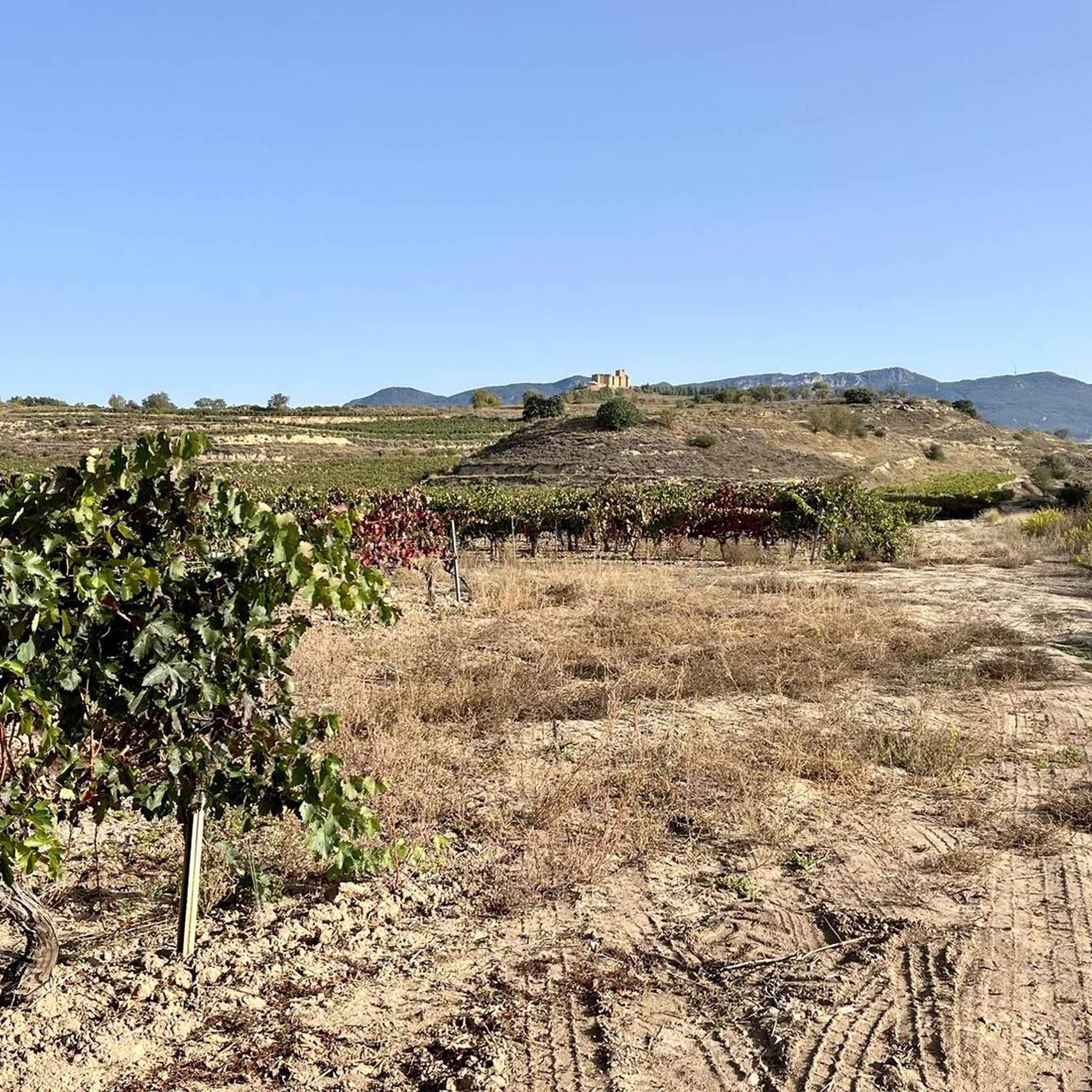
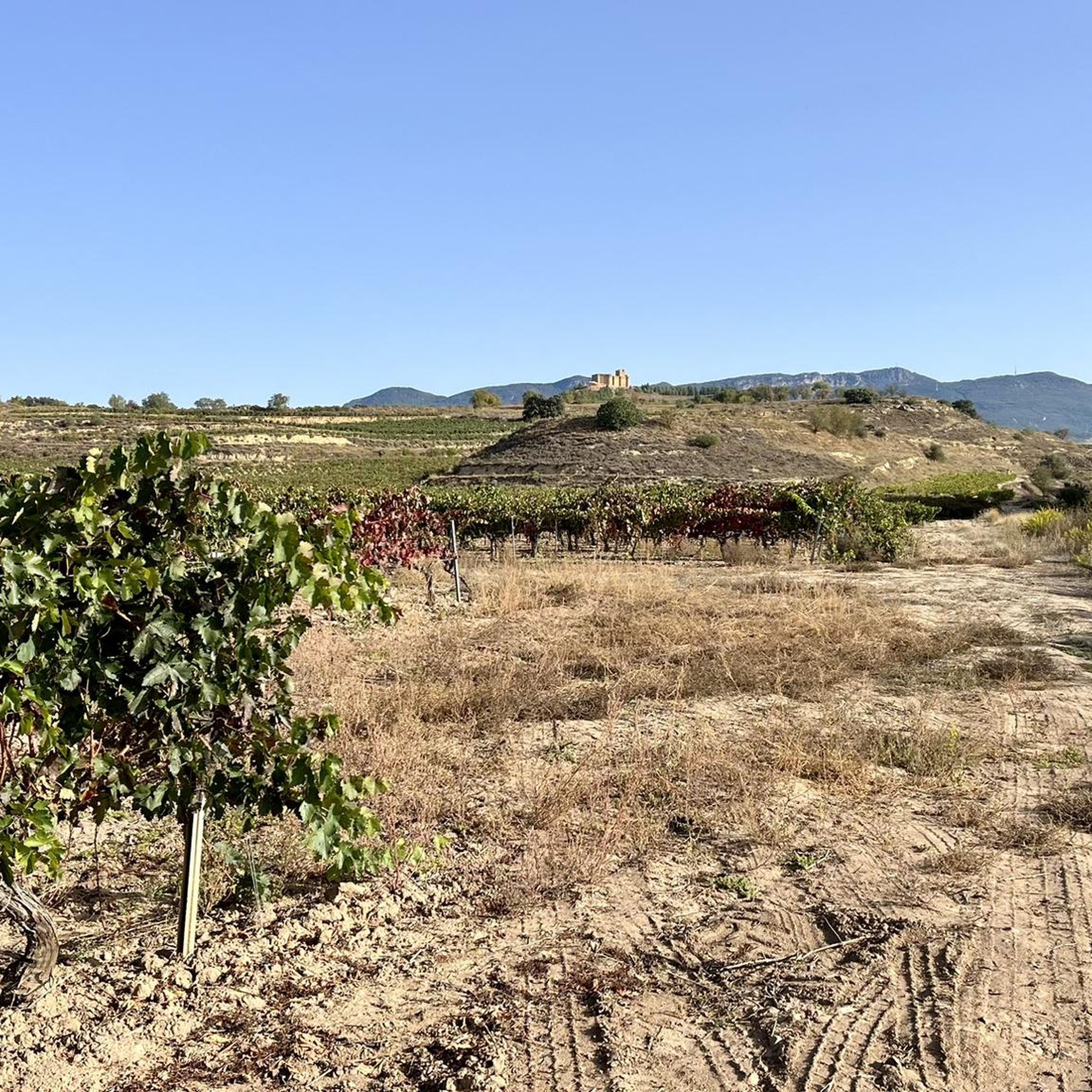
A hill that has its own legend: in the castle of Nájera lived Farragut or Ferragut, a Syrian giant descended from Goliath and stronger than him, who fought and defeated the best warriors of Charlemagne except Roldán, who one day from the poyo spotted the giant sitting at the door of his castle. Roldán picked up a round stone weighing two arrobas (~22kg) and threw it in the direction of the giant, whom he hit in the forehead, knocking him down. Since then the hill has been called Poyo de Roldán.The stone hut is likely a traditional stone vineyard shelter.
2
0

Beautiful view of the surroundings
2
0

Haro is the wine capital of Rioja. It is the headquarters of the regulatory council of the Rioja wine designation of origin. It has a vibrant atmosphere all year round and in its many bars and wineries you can drink good Rioja wine.
1
0

The route returns along the same path, passes the gate again and continues along the path with the green dots towards the geodesic vertex of Toloño (1,264 m), which is not the main summit, this is a cartographic landmark, the main summit is after a little hill planted in some airy and solitary cliffs. The views jump the meanders of the Ebro and reach the silhouettes of San Lorenzo, San Millán and the rest of the peaks of the Sierra de la Demanda. Moncayo appears further away, claiming some prominence in an unforgettable scene. At the foot of the Toloño, in the first valley hanging from the south face, appear the ruins of the Toloñoko Andra Mari, the ancient Monastery of Santa María del Toloño. And to the right the peaks that remain to complete the mountain journey.
0
0
Beautiful and imposing church in the upper part of Haro.
4
0

Almost all Rioja wineries are actually represented in Haro. So you can also taste a lot.
3
0
Frequently Asked Questions
What historical sites can I explore in and around San Asensio?
San Asensio and its surroundings are rich in history. You can visit the medieval Davalillo Castle, which offers panoramic views of the Ebro River and surrounding vineyards. The Monastery of Santa María de la Estrella, a 15th-century site, allows exploration of its Gothic cloister and other rooms. Within San Asensio's old town, the 15th-century Church of the Ascension and numerous stately homes with original coats of arms reflect the town's heritage. Don't miss the traditional cave cellars, some dating back over 400 years, which are integral to the region's winemaking history.
Are there any unique cultural experiences related to wine in San Asensio?
Absolutely! San Asensio is known as the 'birthplace of clarete' (rosé wine). A unique cultural event is the annual 'Batalla del Clarete' (Battle of Claret), held around July 25th, where participants engage in a playful wine battle. Many local wineries, such as Bodegas Lecea, offer tours of their traditional cave cellars and wine tastings, providing an authentic insight into the region's viticultural heritage.
What natural features define the landscape around San Asensio?
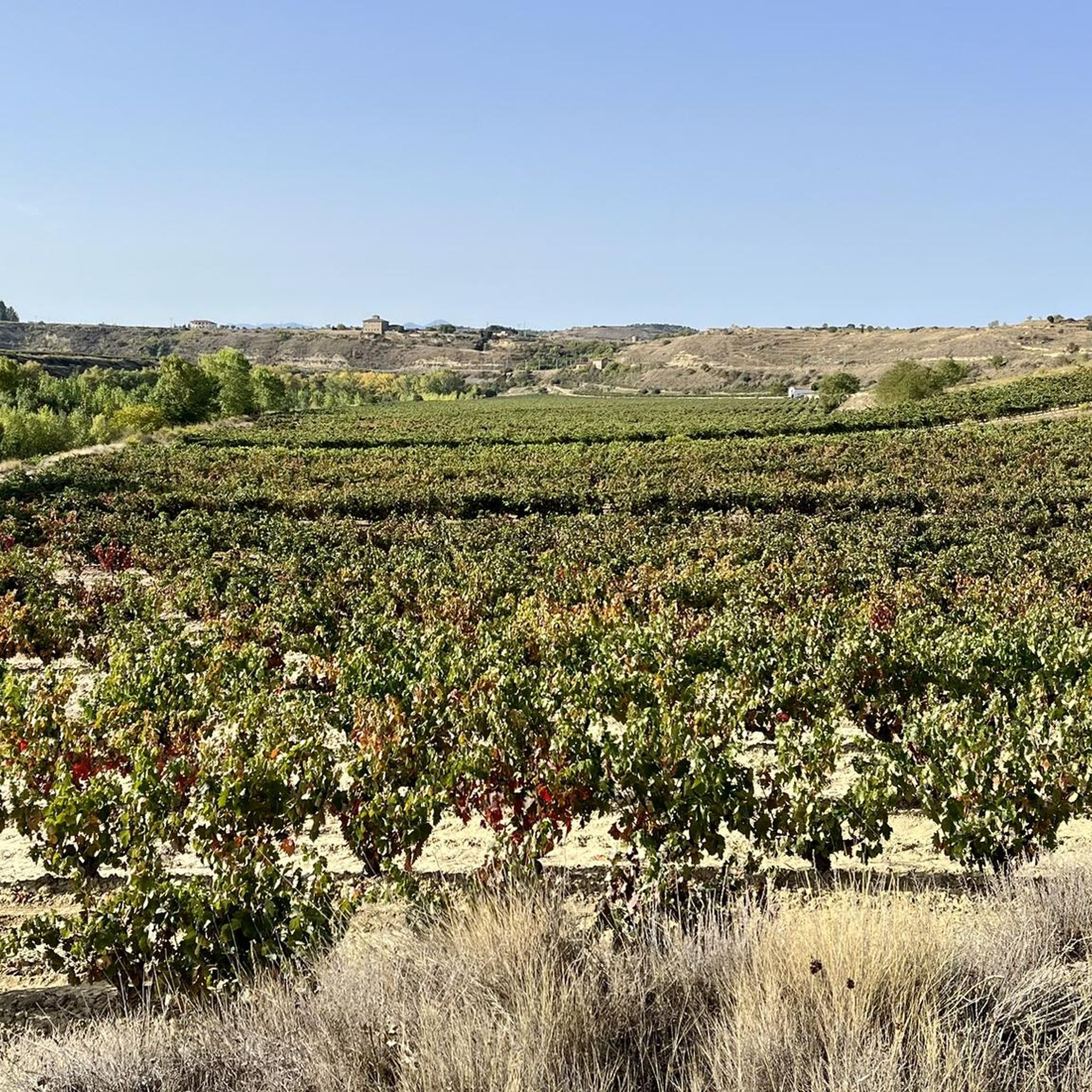
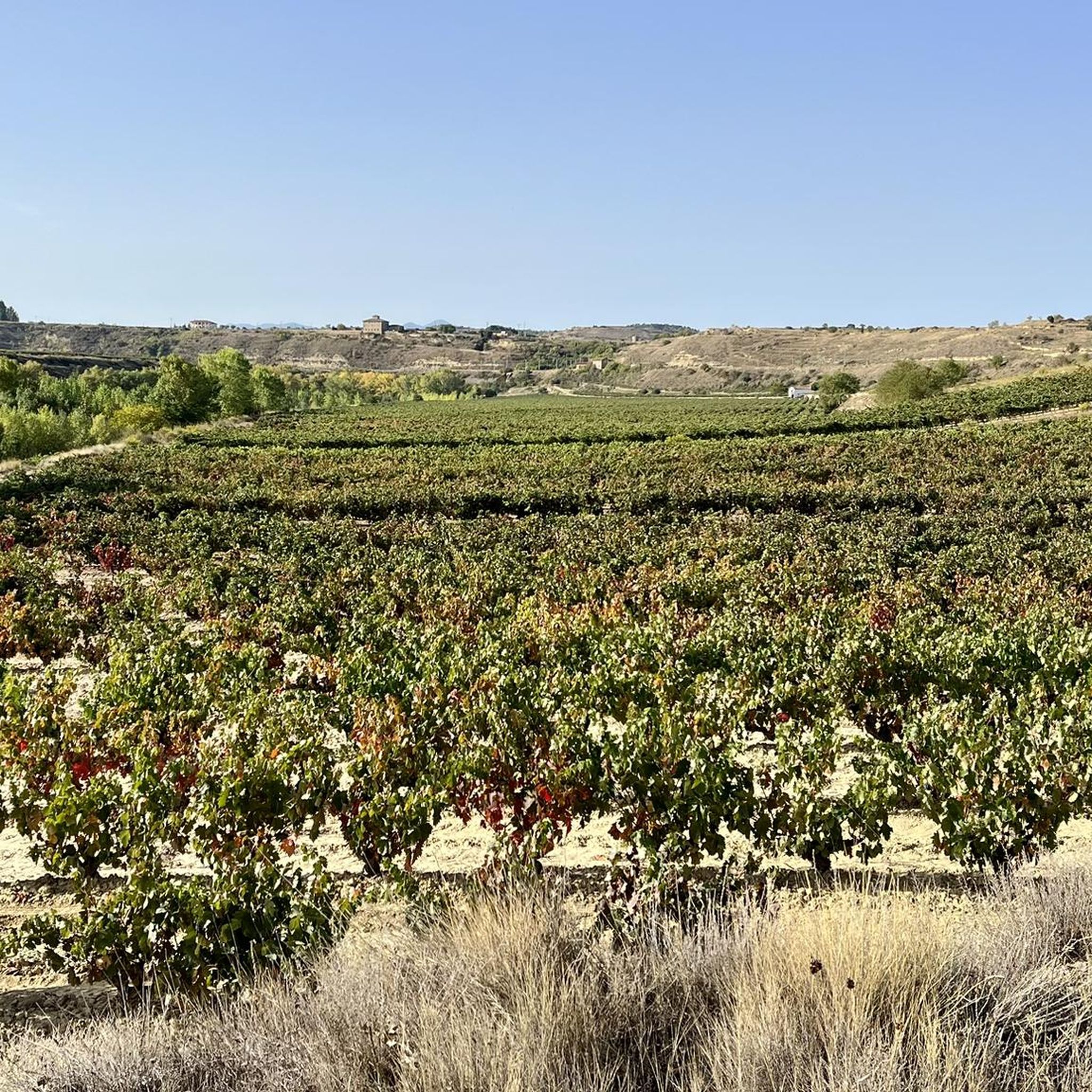
The landscape around San Asensio is primarily defined by the picturesque Ebro and Najerilla Valleys. The town is situated on a hill, offering scenic views of the extensive vineyards that blanket the area. These vineyards are not only central to the local economy but also provide beautiful natural scenery, particularly during autumn when the leaves change color. The Toloño summit also provides extensive panoramic vistas of the Ebro meanders and surrounding mountain ranges.
What is there to see in Haro, the nearby wine capital?
Haro, just 12 kilometers from San Asensio, is considered the wine capital of La Rioja Alta. Visitors can explore its historic old town, numerous monuments, and many wineries offering wine tastings. The Church of Santo Tomás, with its impressive Plateresque portal and varied architectural styles from the 15th to 17th centuries, is a notable highlight.
Are there family-friendly activities or attractions in the area?
Yes, the region offers several family-friendly options. Exploring the historic old towns of San Asensio and Haro can be an engaging experience for families, with their charming streets and historical architecture. Some wineries, like Bodegas Lecea, offer tours that can be interesting for older children, especially those involving exploring the ancient cave cellars. The scenic vineyards also provide pleasant settings for walks suitable for families.
What outdoor activities can I do near these attractions?
The area around San Asensio is excellent for outdoor activities, especially hiking and cycling through the vineyard landscapes. For hiking, you can explore routes like the 'Davalillo Castle loop from San Asensio' or the 'Main Square – Hornillo – Vineyard Shelter loop from San Vicente de la Sonsierra'. Cyclists can enjoy road cycling routes such as 'Following the Ebro River — circular from Briones' or explore MTB trails like 'Nájera – Pilgrims' Rest Area loop from Nájera'. You can find more details on these and other routes in the hiking guide, MTB guide, and road cycling guide for San Asensio.
What is the legend behind the Poyo de Roldán Stone Hut?
The Poyo de Roldán Stone Hut is associated with a local legend involving the epic hero Roland. According to the tale, Roland, from the nearby hill, spotted the giant Farragut (or Ferragut) sitting at his castle door. Roland then threw a large stone, hitting the giant and causing him to fall. Since then, the hill has been known as Poyo de Roldán. The stone hut itself is likely a traditional vineyard shelter.
Are there specific wine routes or trails to experience the vineyards?
Yes, the region offers opportunities to immerse yourself in the viticultural landscape. The 'Sendero del Vino de La Laguna' (Wine Route of La Laguna) is a dedicated wine trail that allows visitors to experience the vineyards firsthand. Additionally, many of the hiking and cycling routes in the area pass through extensive vineyard scenery, providing a beautiful backdrop for outdoor activities.
What do visitors particularly enjoy about the attractions around San Asensio?
Visitors frequently praise the stunning panoramic views, especially from viewpoints like the Toloño summit and Davalillo Castle. The rich historical and cultural heritage, particularly the ancient cave cellars and the charm of the old towns, is also highly appreciated. The unique wine experiences, including tastings and the 'Batalla del Clarete,' are often highlighted as memorable. The komoot community has shared 33 photos and given 152 upvotes, indicating a strong positive reception for the area's diverse offerings.
What is the best time to visit San Asensio for outdoor activities and sightseeing?
The best time to visit San Asensio for outdoor activities and sightseeing is generally during spring (April-June) and autumn (September-October). During these seasons, the weather is pleasant for hiking and cycling through the vineyards, and the autumn months offer the spectacular sight of changing leaf colors. The 'Batalla del Clarete' cultural event takes place in July, which can be a lively time to visit if you're interested in local festivities, though summer temperatures can be higher for extensive outdoor activities.
Can I visit traditional cave cellars in San Asensio?
Yes, San Asensio is renowned for its traditional cave cellars, many of which belong to local family wineries and are dug into the hillsides. Some of these cellars date back over 400 years. Bodegas Lecea, for example, is located in the historic Las Cuevas de San Asensio neighborhood, where over 300 cave cellars were constructed in the 16th century. Many offer tours and tastings, providing a fascinating glimpse into traditional winemaking practices.
Most popular routes around San Asensio
Most popular attractions around San Asensio

Get inspired with the komoot mobile app


Explore more
Still not found the Highlight you’re looking for? See guides of the top attractions in other regions:
