Attractions and Places To See around Villalazán - Top 20
Attractions and places to see around Villalazán, a municipality in the province of Zamora, offer a range of historical and cultural sites, primarily located in the nearby city of Zamora. The region is characterized by its proximity to the Duero River and opportunities for outdoor activities. Visitors can explore significant historical monuments and enjoy the rich cultural heritage of the area.
Best attractions and places to see around Villalazán
- The most popular attractions is Plaza Mayor, Zamora, a settlement…
Last updated: June 29, 2026
Zamora Stone Bridge
Highlight • Bridge
Showing Translation
Tip by

Plaza Mayor, Zamora
Highlight • Settlement
Translated by Google •
Tip by

Sign up now to discover places like this
Get recommendations on the best single tracks, peaks, & plenty of other exciting outdoor places.
Sign up for free
Church of San Juan de Puerta Nueva (Zamora)
Highlight • Religious Site
The church stands …
Translated by Google •
Tip by
Pilgrims' Hostel of Zamora
Highlight • Rest Area
The hostel can accommodate …
Translated by Google •
Tip by
Zamora
Highlight • Settlement
Translated by Google •
Tip by
Sign up for free to discover even more attractions around Villalazán.
Sign up for free
Already have an account?
Start today with a free account
Your next adventure awaits.
Login or Signup

Tips from the Community

A beautiful square. It gets really busy from 8 p.m. onwards, when the Spanish nightlife begins.
3
0

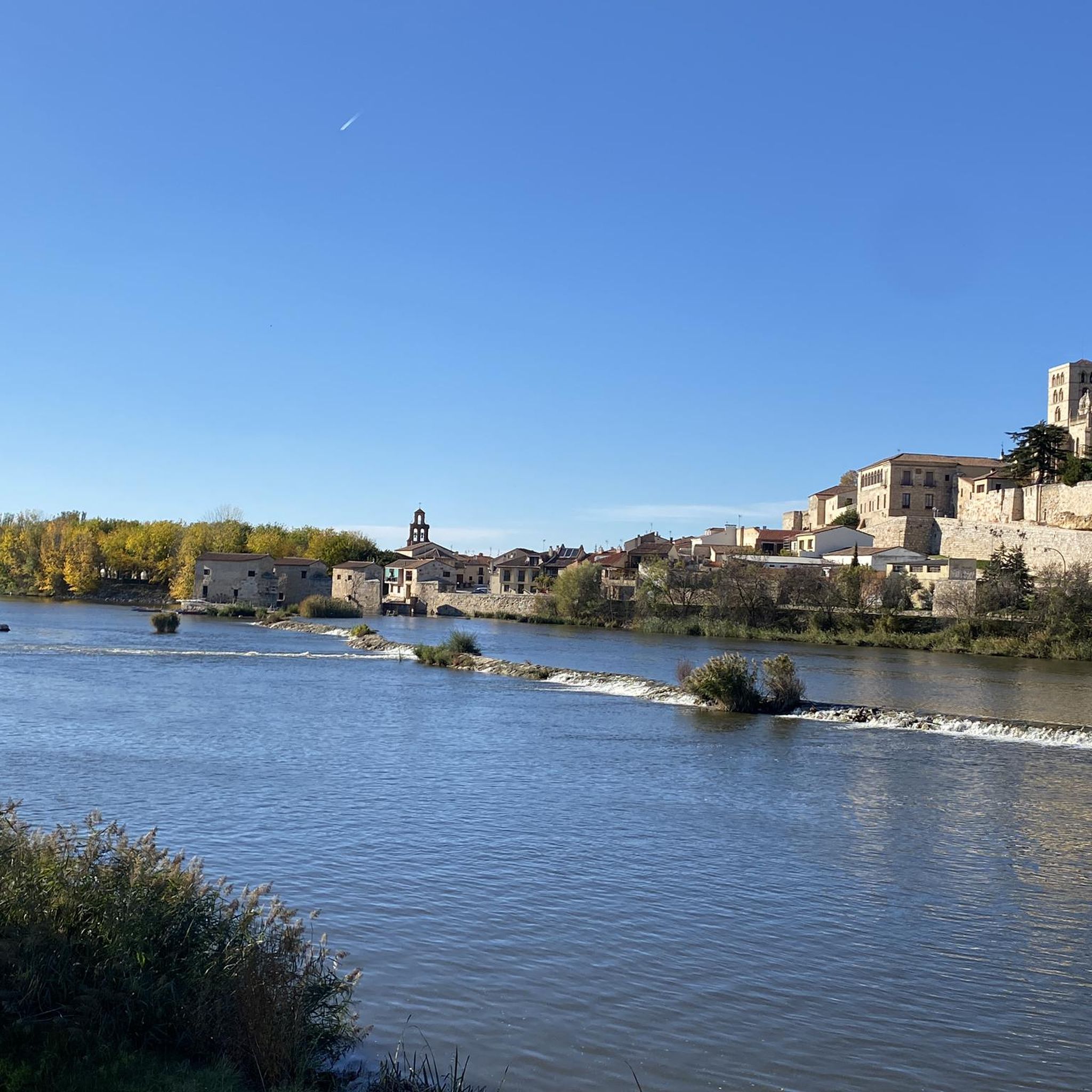
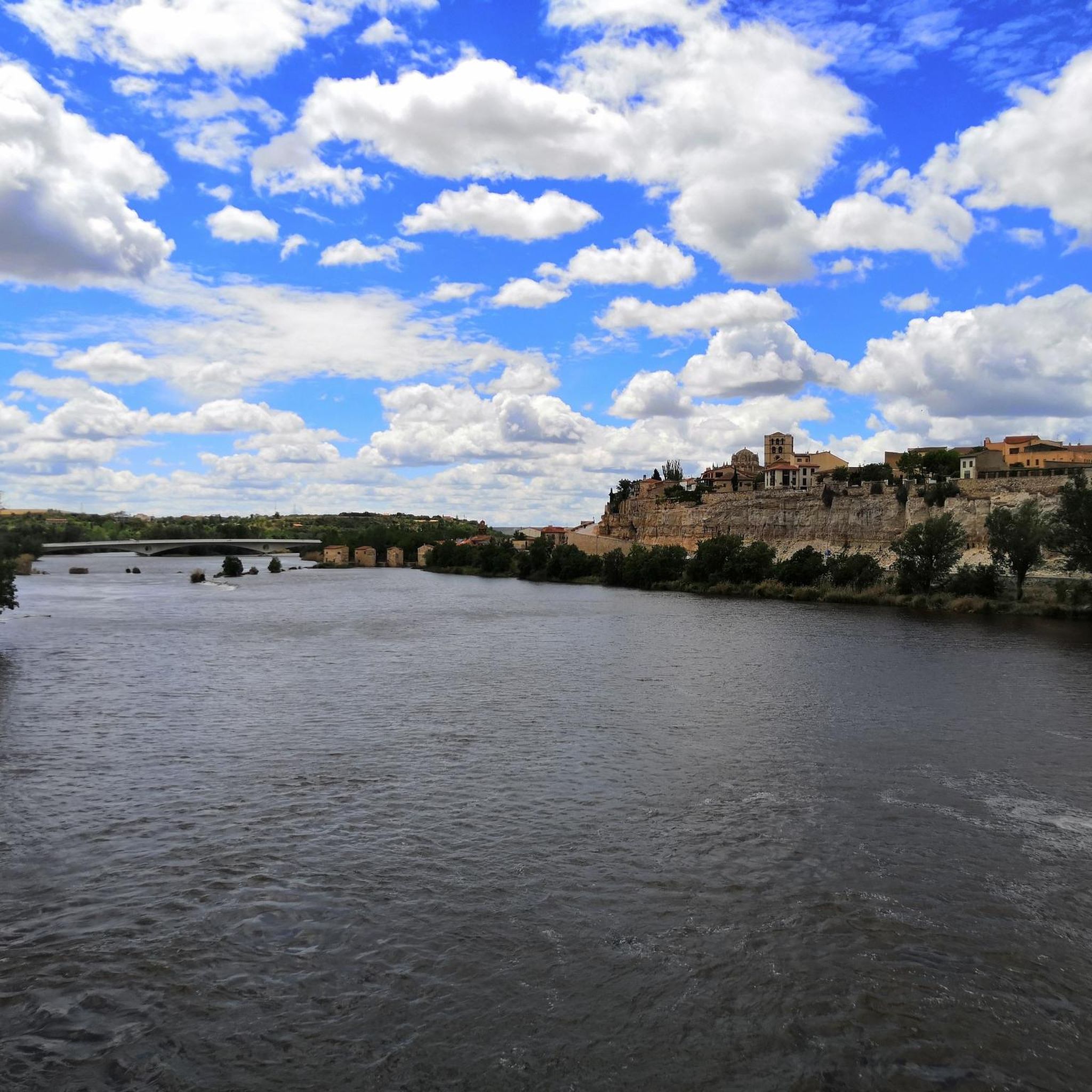
The Stone Bridge of Zamora, also known as Puente Nuevo in the Middle Ages, is one of the five bridges that cross the Duero River in Zamora, Castile and León. This Romanesque bridge was built in the early 13th century and has been renovated on several occasions.
3
1

Hospitaleros/ as are well informed about which hostels are open along the way
2
0
This hostel is exclusively for pilgrims on the Camino de Santiago and offers a comfortable stay with several facilities, including a kitchen, showers, heating and Wi-Fi. The hostel can accommodate 32 people and operates on a donation basis. It is open all year round and does not accept reservations, so it is necessary to arrive early to secure a place.
8
0
The oldest evidence indicates that the church was built in the mid-12th century, although work continued in the 13th century and lasted even until the 14th century. The church stands out for its south doorway, which is the main one and is in perfect condition, flanked by two slender attached columns and three semicircular archivolts with elegant decoration. If you want to visit it or learn more about its history and architecture, I recommend consulting specialized sources or visiting its page on Románico Zamora for detailed information. I hope you enjoy your visit to this important historical monument! 🏰✨
8
0
The Plaza Mayor of Zamora is a rectangular space. This square, typically Castilian, has a square shape and is surrounded by low-rise buildings with arcades. Its location in the historic center and its pedestrian nature make it a prominent place in the city
7
0


The Municipal Albergue de Peregrinos de Zamora, in Cta. San Cipriano, as a hostel, has its very own charm. The rooms are rather small, but the sanitary facilities are quite well equipped.
1
1
Frequently Asked Questions
What historical sites can I explore in Villalazán and its surroundings?
Villalazán is rich in history. The most significant site is the ancient Roman city of Albocela, also known as El Alba, which features well-preserved Roman baths and a potential Roman camp. Adjacent to this, you can find a Medieval Necropolis. In nearby Zamora, explore the Romanesque Church of San Juan de Puerta Nueva, dating from the mid-12th century, and the historic Plaza Mayor.
Are there any Roman ruins near Villalazán?
Yes, the most notable Roman ruins are found at the archaeological site of El Alba, identified as the ancient Roman city of Albocela or Ocelo Duri. This site showcases a rich history from the 1st century BC, with excavated Roman baths protected under a modern structure and accessible to visitors. Further investigations suggest a large Roman camp in the area.
What natural features are prominent around Villalazán?
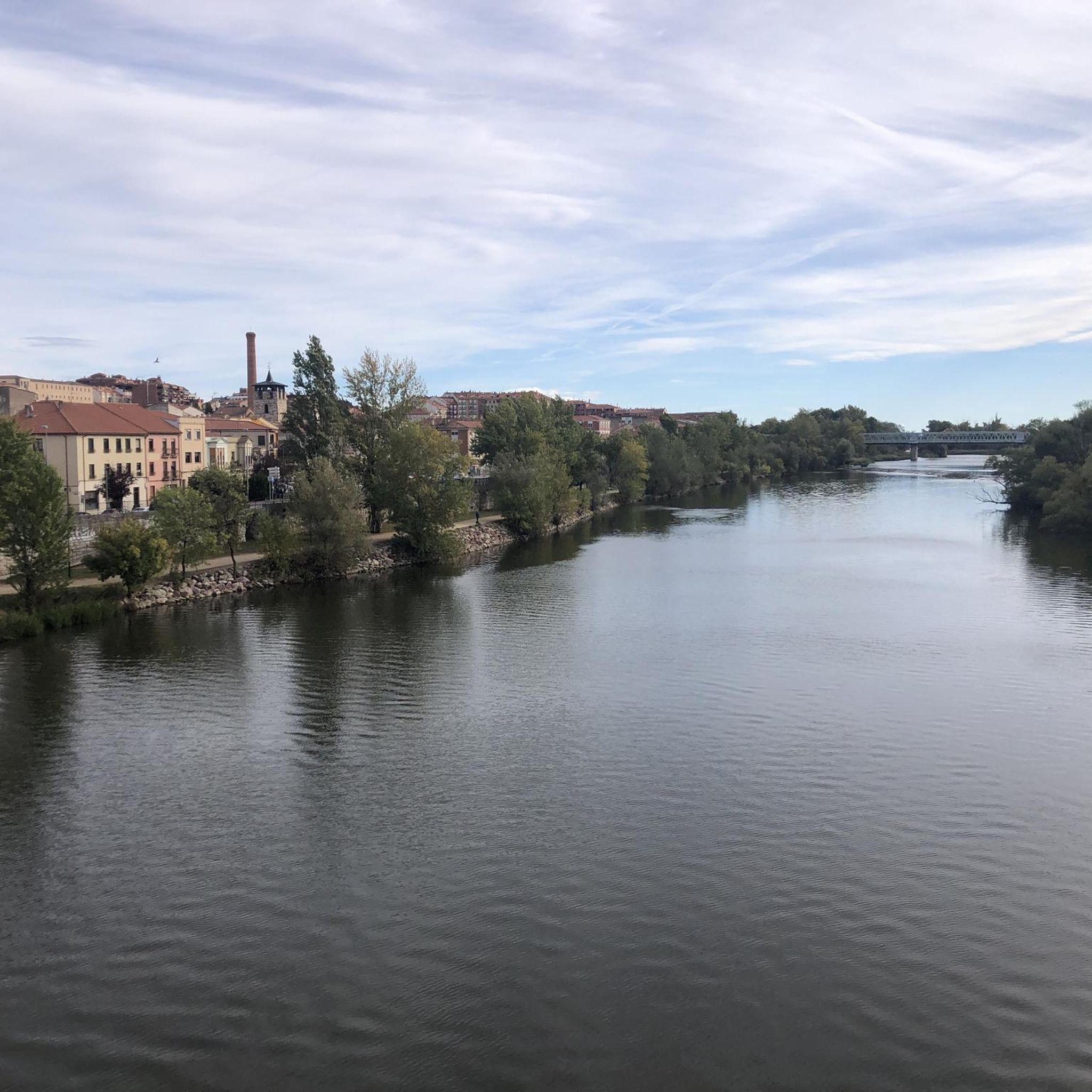
Villalazán is strategically located on the left bank of the Duero River, which is a prominent natural feature offering picturesque landscapes. The Zamora Stone Bridge, a Romanesque structure, crosses this river, providing excellent views of the water and surrounding areas.
What outdoor activities can I do near Villalazán?
The scenic surroundings of Villalazán, particularly along the Duero River, are ideal for outdoor activities. You can find numerous routes for hiking, cycling, and mountain biking. For detailed options, explore the Hiking around Villalazán, Road Cycling Routes around Villalazán, and MTB Trails around Villalazán guides.
Are there hiking trails suitable for beginners near Villalazán?
Yes, there are several easy hiking trails. For instance, the 'Route through the Duero Riverbank and San Lorenzo Heights — return via Villaralbo' is an easy 7 km route. You can find more beginner-friendly options in the Hiking around Villalazán guide.
What are some family-friendly attractions in the area?
Many attractions in the region are suitable for families. The Zamora Stone Bridge offers a pleasant walk with scenic views. Exploring the historic center of Zamora, including the Plaza Mayor, is also a great option for all ages.
What do visitors enjoy most about the attractions around Villalazán?
Visitors particularly appreciate the historical depth and the picturesque settings. The Romanesque architecture, such as the Church of San Juan de Puerta Nueva, and the charm of Zamora's historic center, including its lively Plaza Mayor, are frequently praised. The scenic walks along the Duero River, especially across the Zamora Stone Bridge, are also highly valued.
Is Villalazán part of a wine region, and can I experience enotourism?
Yes, Villalazán is located within the Castilla y León region and is close to Toro, a renowned wine-producing area. This makes it part of a vibrant enotourism and gastronomic landscape. Visitors can enjoy local culinary traditions and regional wines, offering an authentic taste of Spanish culture.
Are there facilities for pilgrims on the Camino de Santiago nearby?
Yes, in nearby Zamora, the Pilgrims' Hostel of Zamora is exclusively for pilgrims on the Camino de Santiago. It offers a comfortable stay with amenities like a kitchen, showers, heating, and Wi-Fi, accommodating up to 32 people on a donation basis.
What is the best way to explore the Duero River near Villalazán?
The Duero River can be explored through various activities. Walking or cycling along its banks offers beautiful views. The Western Duero Trail (GR 14) passes through nearby localities, providing excellent opportunities for longer excursions. You can find specific routes in the Hiking around Villalazán and cycling guides.
Are there any less crowded attractions or hidden gems around Villalazán?
While the Roman city of Albocela/El Alba is gaining recognition, it still offers a more tranquil and less crowded experience compared to some of the more central Zamora attractions. Exploring the rural landscapes and smaller villages along the Duero River also provides opportunities to discover hidden gems and enjoy peaceful surroundings.

Get inspired with the komoot mobile app


Explore more
Still not found the Highlight you’re looking for? See guides of the top attractions in other regions:
