Attractions and Places To See around Villalba De La Lampreana - Top 16
Best attractions and places to see around Villalba De La Lampreana include historical landmarks, cultural sites, and natural features. This town in Zamora, Spain, is situated within the Lagunas de Villafáfila Natural Reserve, an important wetland known for its diverse birdlife. The area features traditional architecture, such as dovecotes and underground wineries, alongside its significant natural environment.
Best attractions and places to see around Villalba De La Lampreana
- The most popular attractions is San Juan Church and Pilgrim Hostel, Granja…
Last updated: October 15, 2026
San Juan Church and Pilgrim Hostel, Granja de Moreruela
Highlight • Religious Site
Granja …
Translated by Google •
Tip by

Salina Grande Lagoon
Highlight • Lake
Translated by Google •
Tip by

Sign up now to discover places like this
Get recommendations on the best single tracks, peaks, & plenty of other exciting outdoor places.
Otero de Sariegos Bird Observatory
Highlight • Viewpoint
Translated by Google •
Tip by
Roman Bridge of Villarigo
Highlight • Bridge
Translated by Google •
Tip by
CL-612 Road Between Castronuevo and Cañizo
Highlight (Segment) • Cycleway
Translated by Google •
Tip by

Sign up for free to discover even more attractions around Villalba De La Lampreana.
Already have an account?
Start today with a free account
Your next adventure awaits.
Popular around Villalba De La Lampreana
Tips from the Community

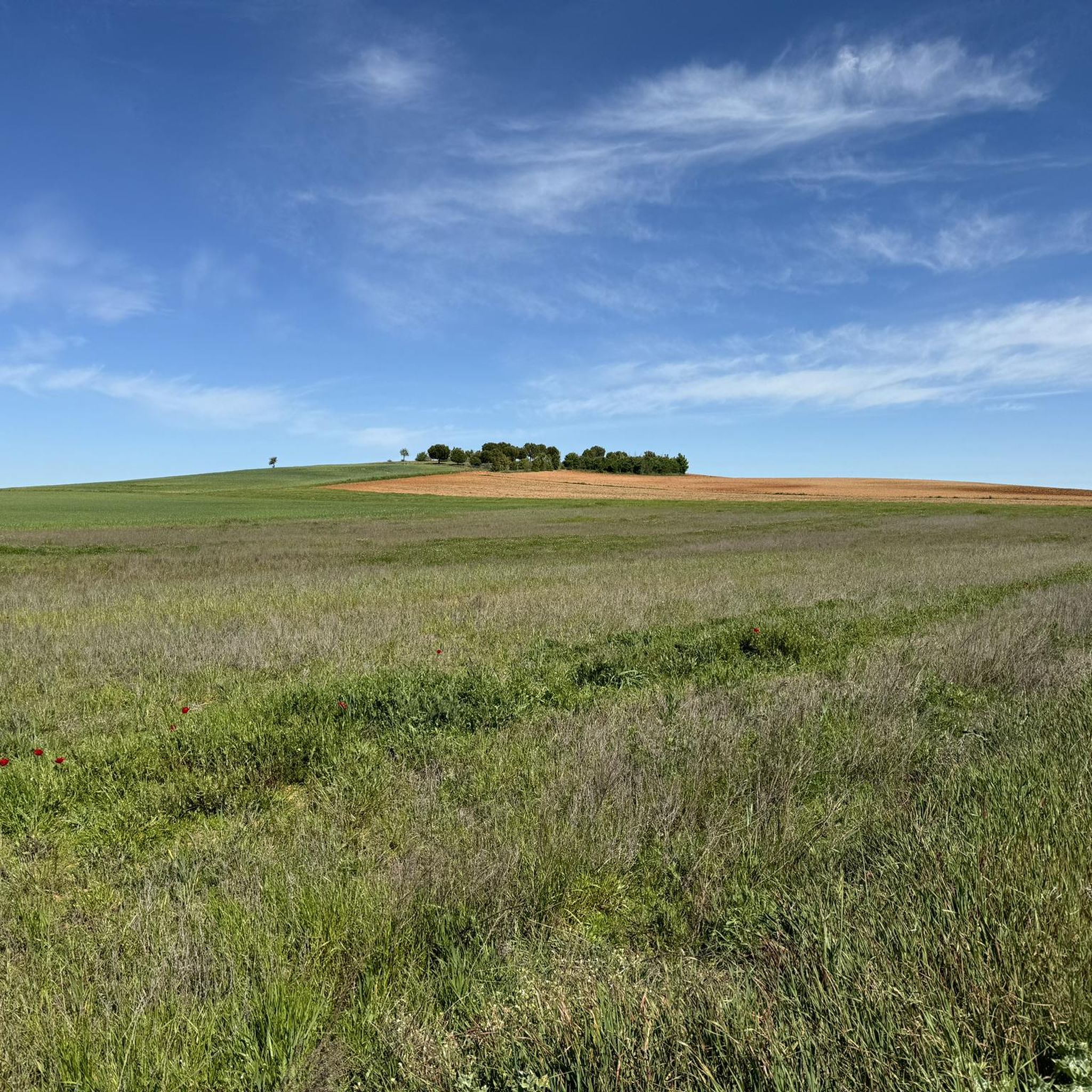
Surrounded by grain fields and well-marked dirt roads, it offers a peaceful stretch for leisurely riding. The village retains its traditional layout, with a few adobe houses and a modest church, perfect for a short break or to refill water if you have time. Its location makes it a good connecting point to Cañizo, Bretó, or Villafáfila. Flat terrain, a rural atmosphere, and open routes with no technical difficulties.
0
0
Ideal for connecting MTB or gravel trails through Tierra de Campos. Although it's a road, it has little traffic and a good shoulder, allowing you to ride safely for several kilometers without interruptions. The landscape is open, with wide horizons, farmland, and the occasional windmill in the background. Perfect for quickly connecting trails or towns, or for riding at a steady pace without any problems. A good option for gaining miles without complications before returning to the dirt terrain.
0
0

It is the largest lagoon in the Lagunas de Villafáfila Nature Reserve.
1
0

The Roman Bridge of Villarigo is located east of Villafáfila, near Laguna Salina Grande and Laguna el Puente. This bridge, dating from the High Roman Empire (27 BC - 305 AD), has three arches of unequal size, with the central arch twice the size of the side arches. Although it has been extensively rebuilt, it retains its original structure with strong ashlar voussoirs. The bridge was part of a network of Roman roads that connected various settlements and facilitated crossing the Villafáfila lagoons. Today, the bridge is a point of historical and architectural interest in the region.
3
0
Laguna Salina Grande is located in the Villafáfila Nature Reserve, in the province of Zamora. This lagoon is the largest in the reserve and is an ideal place for birdwatching, especially during winter and spring. In winter, thousands of geese and ducks congregate there, while in spring, a wide variety of waders can be observed. One of the most interesting routes to explore the area is the circular trail that passes by Laguna Salina Grande, the Otero de Sariegos bird observatory, and the Roman bridge in Villafáfila. This route offers an excellent opportunity to enjoy the reserve's wildlife and landscape.
5
0
Otero de Sariegos is an uninhabited village located in the municipality of Villafáfila, in the province of Zamora, Castile and León. This place is known for its natural lagoon, which attracts numerous tourists and birdwatchers due to the diversity of species found there. Historically, Otero de Sariegos has been linked to salt production since prehistoric times. The name "Sariegos" is believed to come from "saliegos," referring to salt producers. During the Middle Ages, salt exploitation reached its peak, and the area was filled with small villages dedicated to this activity. Although currently uninhabited, the site remains of interest for its historical and natural value.
5
0

This stretch of road is really precious. There is not much traffic and it connects Castronuevo with Cañizo. It is especially pleasant in spring.
2
0

Roman bridge in the Lagunas de Villafáfila Nature Reserve. The Camino can be muddy or even flooded during the rainy season.
1
0
Frequently Asked Questions
What natural attractions can I explore around Villalba De La Lampreana?
The region is renowned for its natural beauty, particularly the Lagunas de Villafáfila Natural Reserve. You can visit the Otero de Sariegos Bird Observatory, known for its diverse bird species and natural lagoon. Another significant spot is the Salina Grande Lagoon, the largest in the reserve, ideal for birdwatching, especially in winter and spring.
Are there any historical sites or cultural landmarks in Villalba De La Lampreana?
Yes, the area is rich in history. The 15th-century Church of Nuestra Señora de la Asunción in Villalba de la Lampreana features Renaissance architecture and links to the Order of Santiago. Nearby, you can also find the San Juan Church and Pilgrim Hostel, Granja de Moreruela, which is part of the Camino de Santiago de la Vía de la Plata. The Roman Bridge of Villarigo, though reconstructed, dates back to the High Roman Empire and is a notable historical point.
What kind of outdoor activities can I do near these attractions?
The region offers excellent opportunities for outdoor activities, especially cycling and mountain biking. You can find various routes, such as the 'Reserva Natural de Lagunas de Villafáfila — ruta circular' or the 'Natural Reserve Lagunas de Villafáfila — circular by Villarrín de Campos'. For more details on MTB trails, visit our guide: MTB Trails around Villalba De La Lampreana.
Are there family-friendly attractions in the area?
Absolutely. The Otero de Sariegos Bird Observatory and the Salina Grande Lagoon are both excellent for families, offering opportunities for birdwatching and enjoying nature. The peaceful natural environment of the Lagunas de Villafáfila Natural Reserve is generally suitable for family outings.
What is the best time to visit the Lagunas de Villafáfila Natural Reserve for birdwatching?
The Lagunas de Villafáfila Natural Reserve is particularly exceptional for birdwatching during winter and spring. In winter, thousands of geese and ducks congregate there, while spring offers a wide variety of waders. The Salina Grande Lagoon is a prime spot during these seasons.
Can I find traditional architecture in Villalba De La Lampreana?
Yes, the town and surrounding area are known for their traditional architecture. You can see characteristic palomares (dovecotes), with a particularly beautiful one located at the village entrance. The region also features traditional adobe and tile houses, and underground wineries (bodegas subterráneas) that showcase local winemaking traditions.
What do visitors enjoy most about the attractions around Villalba De La Lampreana?
Visitors appreciate the blend of historical sites, significant natural reserves, and traditional architecture. The peaceful pace of life, the opportunity for birdwatching at places like the Otero de Sariegos Bird Observatory, and the scenic routes for cycling and hiking are frequently highlighted.
Are there any specific cycling routes recommended for exploring the area?
Yes, the CL-612 Road Between Castronuevo and Cañizo is recommended for cyclists. It's a pleasant stretch with little traffic, ideal for connecting MTB or gravel trails through Tierra de Campos, offering wide horizons and open landscapes. For more cycling options, check our guide on MTB Trails around Villalba De La Lampreana.
What is the significance of the Lagunas de Villafáfila Natural Reserve?
The Lagunas de Villafáfila Natural Reserve is one of the most important wetlands in northern Spain, recognized as an exceptional habitat for aquatic, steppe, and migratory birds, including great bustards. It's part of the Natura 2000 European Network and a Special Protection Area for Birds (Z.E.P.A.), making it a crucial site for ornithology and nature conservation.
Can I learn about the local culture and history in Villalba De La Lampreana?
Yes, the Ethnographic Museum in Villalba de la Lampreana offers insights into the local culture and history of the region. Additionally, the traditional dovecotes and underground wineries provide a glimpse into the area's heritage and agricultural significance.
Are there any parks in Villalba De La Lampreana?
Yes, the town has two notable parks. Parque Central, featuring ornamental trees, is located next to the parish church. Another park, Parque de Tejares, is known for its bridges and a Roman fountain, offering pleasant spaces for relaxation.
Most popular routes around Villalba De La Lampreana
Most popular attractions around Villalba De La Lampreana

Get inspired with the komoot mobile app


Explore more
Still not found the Highlight you’re looking for? See guides of the top attractions in other regions:
