The best road cycling routes around Villadepera
5.0
(3)
320
riders
8
rides
Road cycling around Villadepera is characterized by rugged granite terrain and deep canyons carved by the Duero River, forming a natural border with Portugal. This geological formation creates a distinctive environment with demanding ascents and descents on paved surfaces. The region's Mediterranean microclimate supports varied flora, including olive and almond trees, adding to the scenic beauty of the routes. Cyclists can expect varied terrain and panoramic viewpoints overlooking the river and its dramatic gorges.
Best road cycling routes around Villadepera
…Last updated: May 21, 2026
5.0
(1)
7
riders
61.1km
02:52
770m
770m
Cycle a moderate 38-mile route around Miranda do Douro in Parque Natural Arribes del Duero, featuring dramatic river canyons and historic to
1
riders
Moderate road ride. Good fitness required. Mostly well-paved surfaces and easy to ride.

Sign up for free
1
riders
Moderate road ride. Good fitness required. Mostly well-paved surfaces and easy to ride.
108km
04:43
960m
960m
This difficult 67.2-mile road cycling route near Villalcampo offers challenging terrain and views of the Ricobayo Dam and Arribes del Duero
41
riders
92.6km
04:11
910m
910m
Hard road ride. Very good fitness required. Mostly well-paved surfaces and easy to ride.
Get access to more routes and recommendations from other explorers.
Sign up for free
Already have an account?
Our route recommendations are based on thousands of hikes, rides, and runs completed by other people on komoot.
Start today with a free account
Your next adventure awaits.
Login or Signup



Tips from the Community

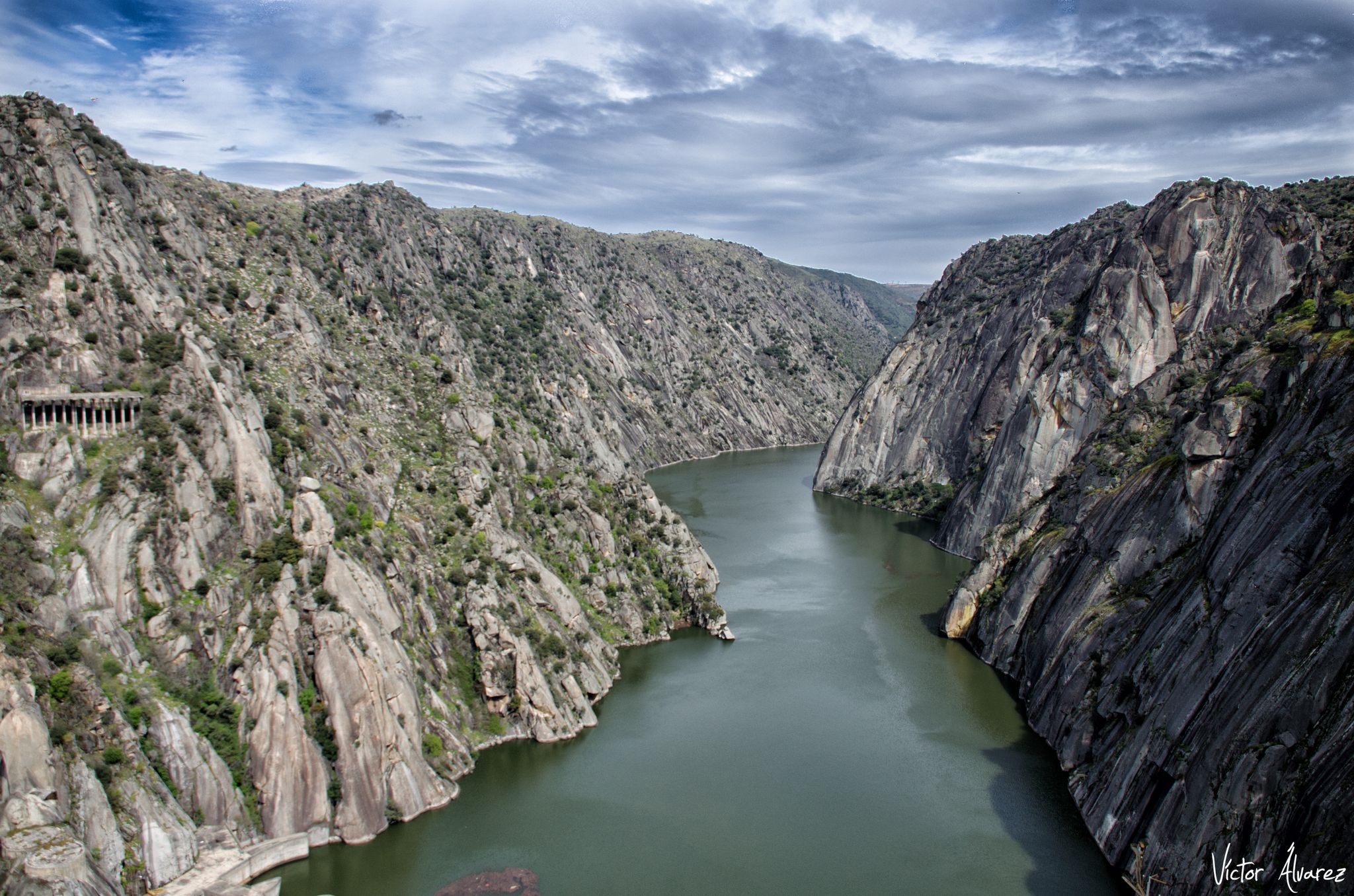
It's located in the heart of the Arribes del Duero Natural Park, an area of great scenic beauty and biodiversity. Things to do nearby: Viewpoints: The viewpoint at the bridge itself and others nearby, such as the one in Villadepera. Hiking trails: Paths through the Arribes, ideal for photography and birdwatching. Charming villages: Villadepera, Pino del Oro, and other towns in the area. From the bridge, you can admire the granite cliffs of the Duero River and the deep riverbed that marks the natural border with Portugal.
2
0
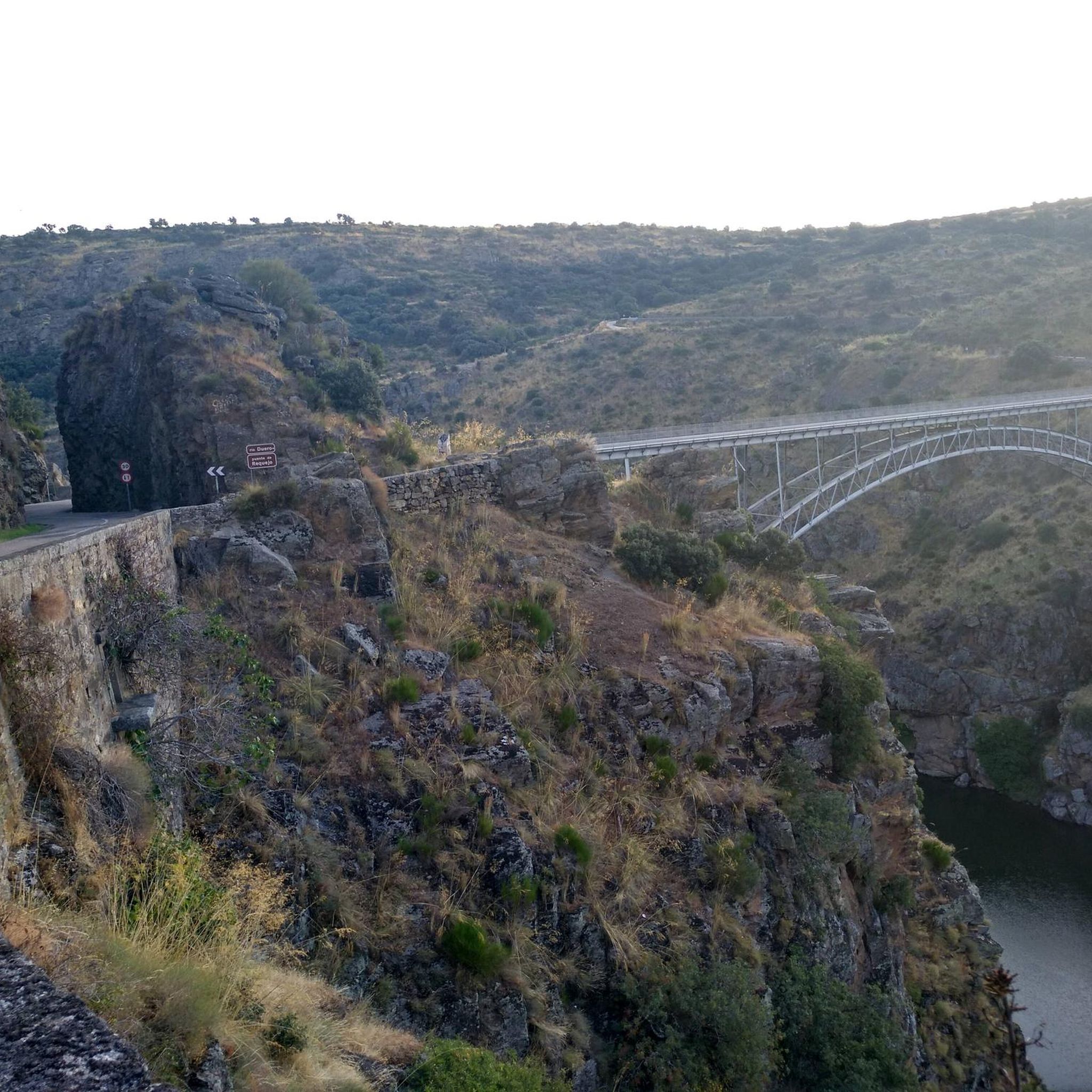
The Requejo Bridge, also known as the Pino Bridge, is a jewel of historical engineering located in Villadepera (Zamora) over the Duero River, within the Arribes del Duero Natural Park. Year of inauguration: 1914. Designed by the engineer José Eugenio Ribera, a pioneer in the use of reinforced concrete in Spain. It was built to connect the Aliste and Sayago regions, facilitating communication between Zamora and Portugal.
2
0
What to see and do Viewpoints: There are scenic viewpoints along the road and in the surrounding area offering views of the dam and reservoir. Ricobayo Reservoir: Ideal for water sports, fishing, and hiking. Natural surroundings: Very close to the Arribes del Duero Natural Park, with its spectacular landscapes.
2
0
The Ricobayo Dam is located on the Esla River, in the province of Zamora (Castilla y León), and is part of the Iberdrola hydroelectric system. Completed in 1934, it was one of the major hydraulic engineering projects of the 20th century in Spain.
2
0
It spans the Duero River in Zamora (Castilla y León), connecting Avenida de Portugal (Pinilla neighborhood) with Calle de Salamanca in the city. The project began in 1882, with construction starting in 1892, under the direction of engineer Prudencio Guadalajara, to alleviate the overloading of the old Stone Bridge. Inaugurated in 1900, it represented a significant improvement in handling the growing traffic in the city. It was designed in steel, using a metal lattice structure of the St. Andrew's Cross type, typical of the late 19th century.
3
0

Salto de Castro is one of the towns that is located in the fall of the mountains towards the Río Duero at the entrance of the Presa de Castro. The town was created to accommodate the group of workers who helped to create this immense dam near Portugal.
0
0
Moveros is one of those towns that have been on the border since time immemorial in this area where pottery has been one of the key points in the municipality.
0
0
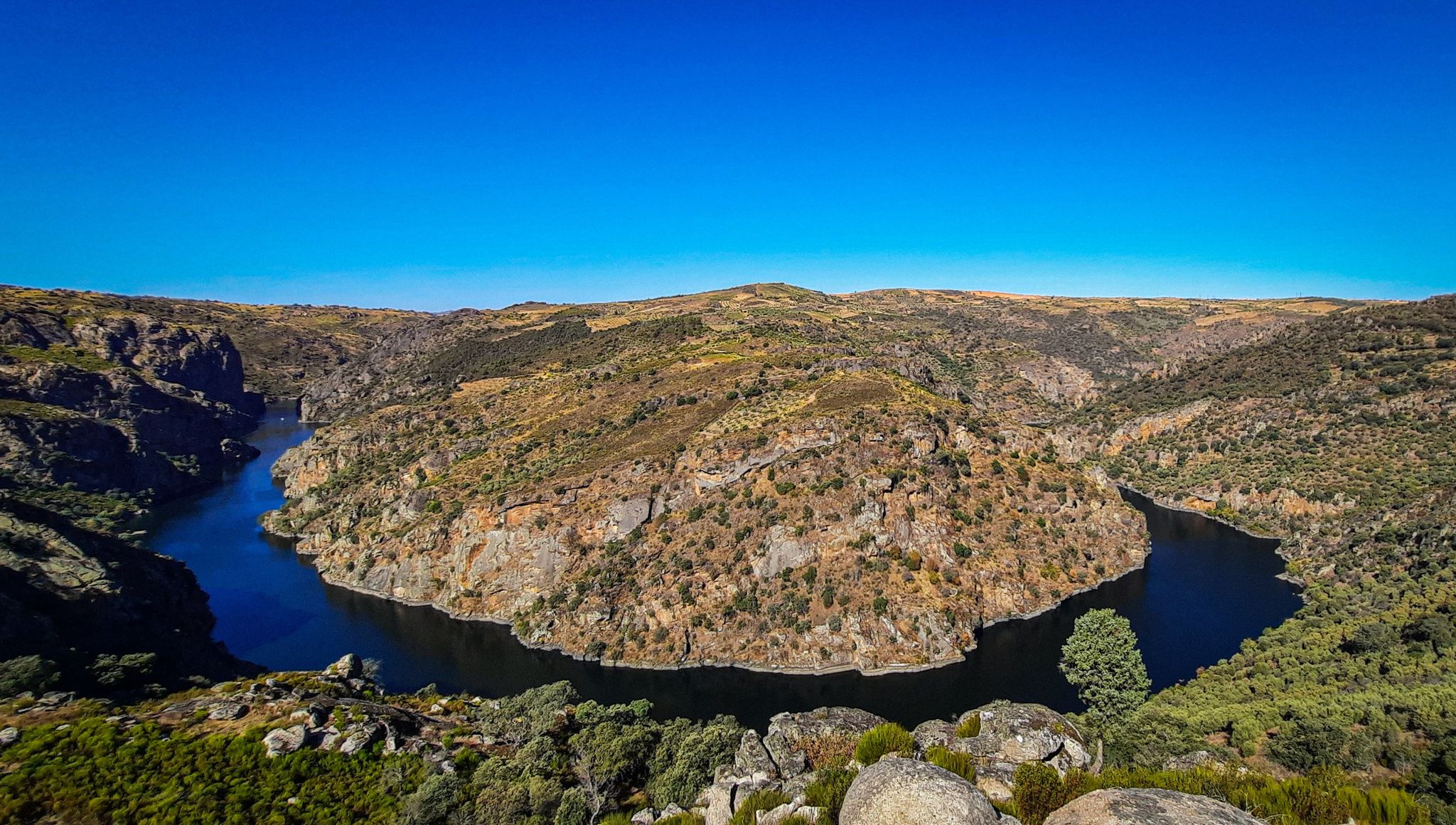
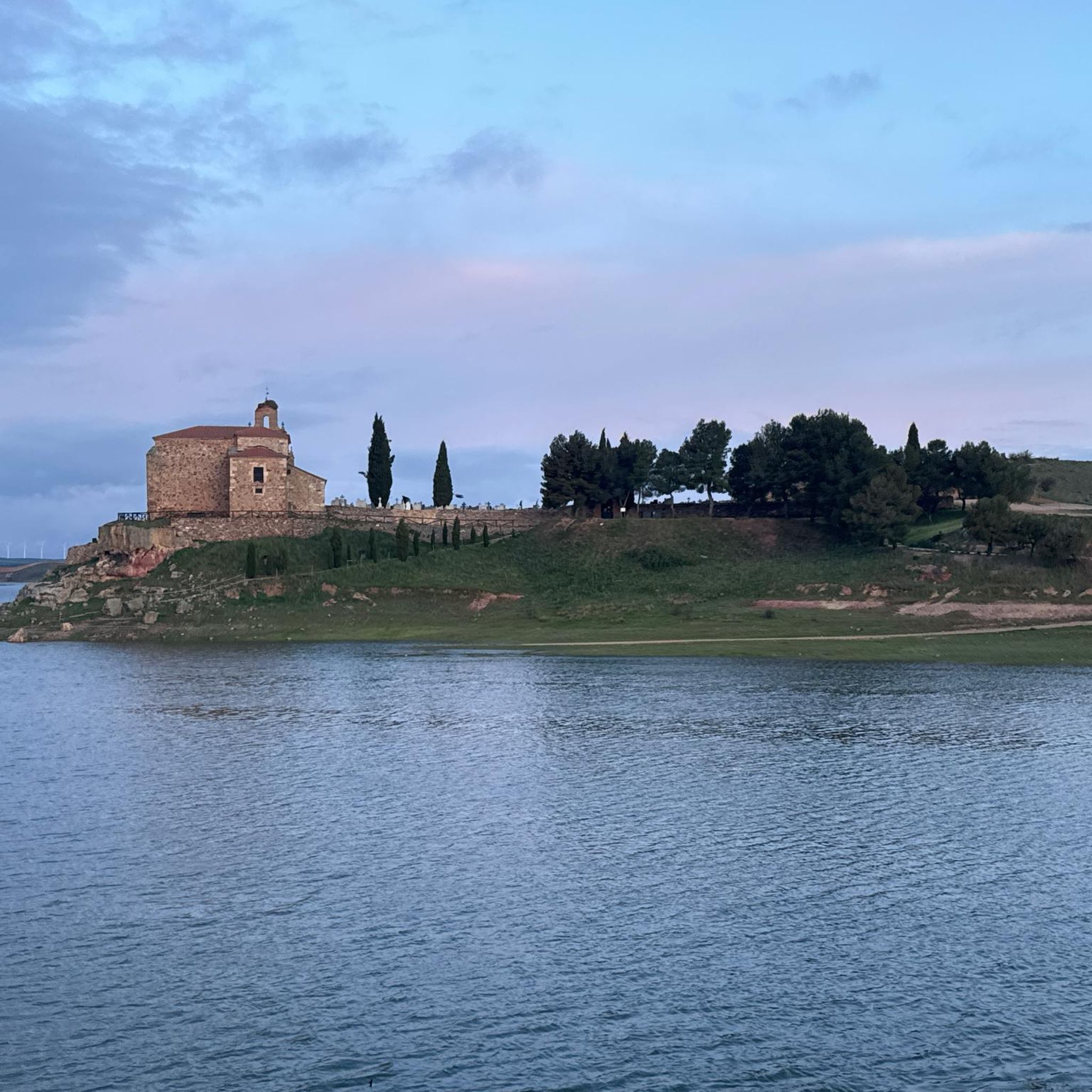
In this town that is located on one of the horns of one of the meanders created by the Río Duero itself, at the Villalcampo Dam we find its church. Interesting village that falls to the same dam in a circuit of open curves with views of the valley carved by the same river.
0
0
Frequently Asked Questions
What kind of terrain and difficulty can I expect on road cycling routes around Villadepera?
Road cycling around Villadepera is characterized by rugged granite terrain and deep canyons carved by the Duero River. You can expect demanding ascents and descents on predominantly paved surfaces. The routes range from moderate to difficult, offering varied challenges for cyclists.
Are there scenic viewpoints or natural features to see while road cycling in Villadepera?
Yes, the region is rich in breathtaking vistas. You'll encounter impressive canyons of the Arribes del Duero and numerous panoramic viewpoints overlooking the Duero River. Notable viewpoints include the Yellow Rock Viewpoint, São João das Arribas Viewpoint, and the View of the Douro Canyon. The area also features a Mediterranean microclimate supporting diverse flora, adding to the scenic beauty.
What is the best time of year for road cycling in Villadepera?
The Arribes del Duero canyons create a special microclimate that is warmer than surrounding areas. This makes the region suitable for cycling across various seasons, though spring and autumn generally offer the most comfortable temperatures for demanding rides. Summers can be warm, but the unique microclimate can still provide pleasant conditions.
Are there any circular road cycling routes available around Villadepera?
Yes, there are several circular routes. For example, the Miranda do Douro and Arribes del Duero Loop offers extensive views, and the Circular by the west of Parque Natural Arribes del Duero — by the Salto de Villalcampo provides a moderate journey through the western part of the natural park.
What do other road cyclists enjoy most about road cycling in Villadepera?
The road cycling routes in Villadepera are highly rated by the komoot community, with an average score of 5.0 stars from 3 reviews. Cyclists often praise the stunning views of the deep river canyons, the challenging yet rewarding ascents and descents, and the overall natural beauty of the Arribes del Duero Natural Park.
Are there any family-friendly road cycling options in Villadepera?
While many routes feature demanding ascents and descents, the Arribes del Duero Natural Park offers varied terrain. For families, it's advisable to look for routes explicitly marked as easy or moderate, focusing on flatter sections or shorter distances. Always check the route details for elevation gain and distance to ensure it matches your family's fitness level.
What are some notable landmarks or attractions I can explore near the cycling routes?
Beyond the natural beauty, the region offers historical and cultural points of interest. You can find attractions such as The ruin (a castle) and The monastery. The town of Fermoselle, a Historic-Artistic Site, with its ancient quarter and 'town of 1,000 wineries,' also offers cultural excursions for cyclists.
Are there any waterfalls accessible near the road cycling routes?
Yes, the region features beautiful waterfalls. The Abelón Waterfall is a notable natural monument in the area, and you can even find a dedicated Path to the Abelón Waterfalls, which might be accessible or visible from some cycling routes.
How many road cycling routes are available around Villadepera?
There are 8 road cycling routes available around Villadepera, offering a range of experiences from moderate to difficult. These routes allow you to explore the dramatic landscapes of the Arribes del Duero Natural Park.
What are the typical distances and durations for road cycling routes in this area?
The routes vary significantly in distance and duration. For instance, the Miranda do Douro and Arribes del Duero Loop is about 61 km (38 miles) and takes around 2 hours 51 minutes, while the Zamora and Sayago Region Loop is a more challenging 108 km (67 miles) route.
Is there public transport or parking available for accessing the road cycling trails?
While specific public transport details for trailheads are limited, Villadepera is generally accessible by road. Parking facilities are typically available in the villages and towns within the Arribes del Duero Natural Park, allowing cyclists to start their routes conveniently. It's always recommended to check local information for specific parking areas at your chosen starting point.
Most popular attractions around Villadepera

Get inspired with the komoot mobile app


Explore more
Browse the best Road cycling routes in other regions.
