The best walks and hikes around Villafáfila
3.4
(5)
26
hikers
8
hikes
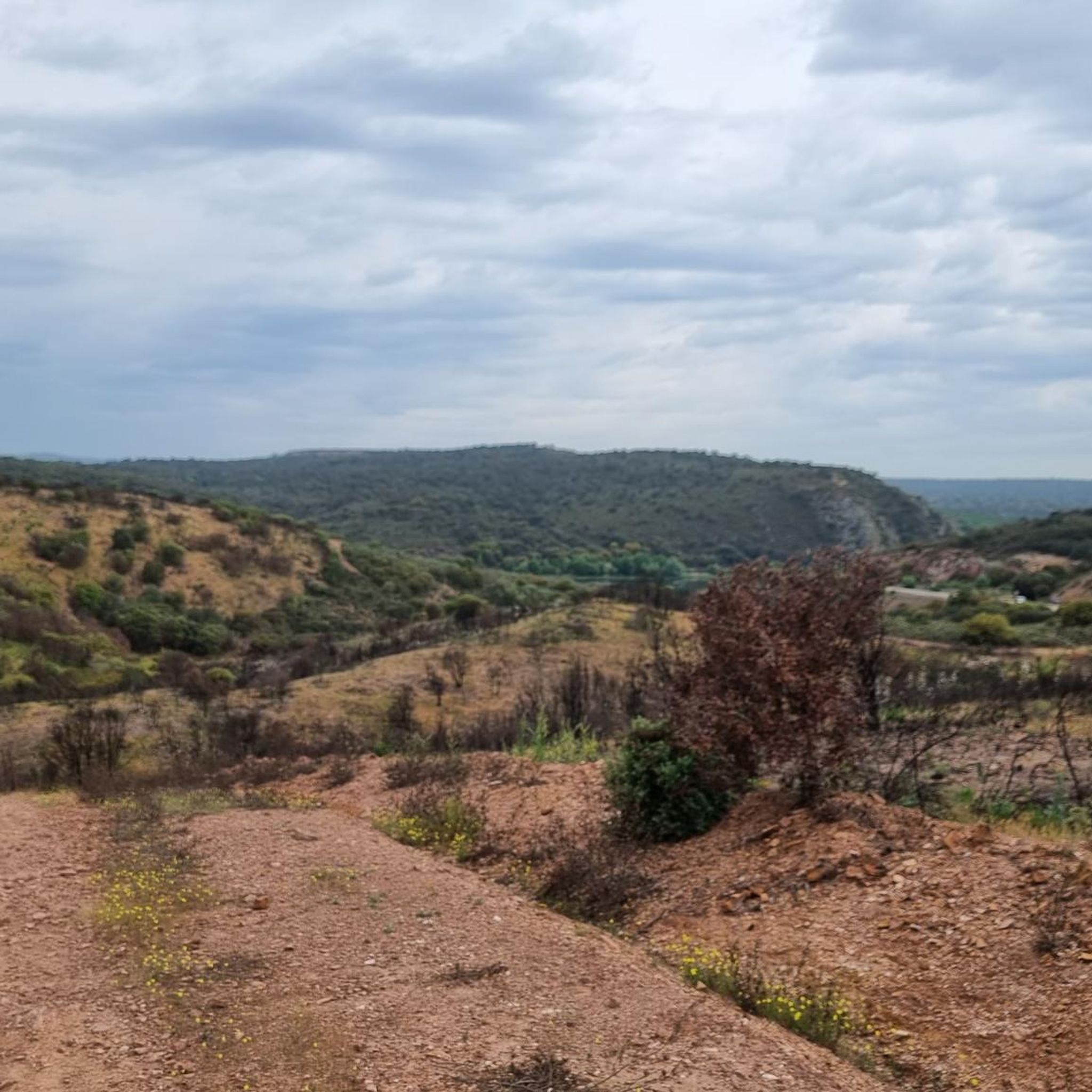
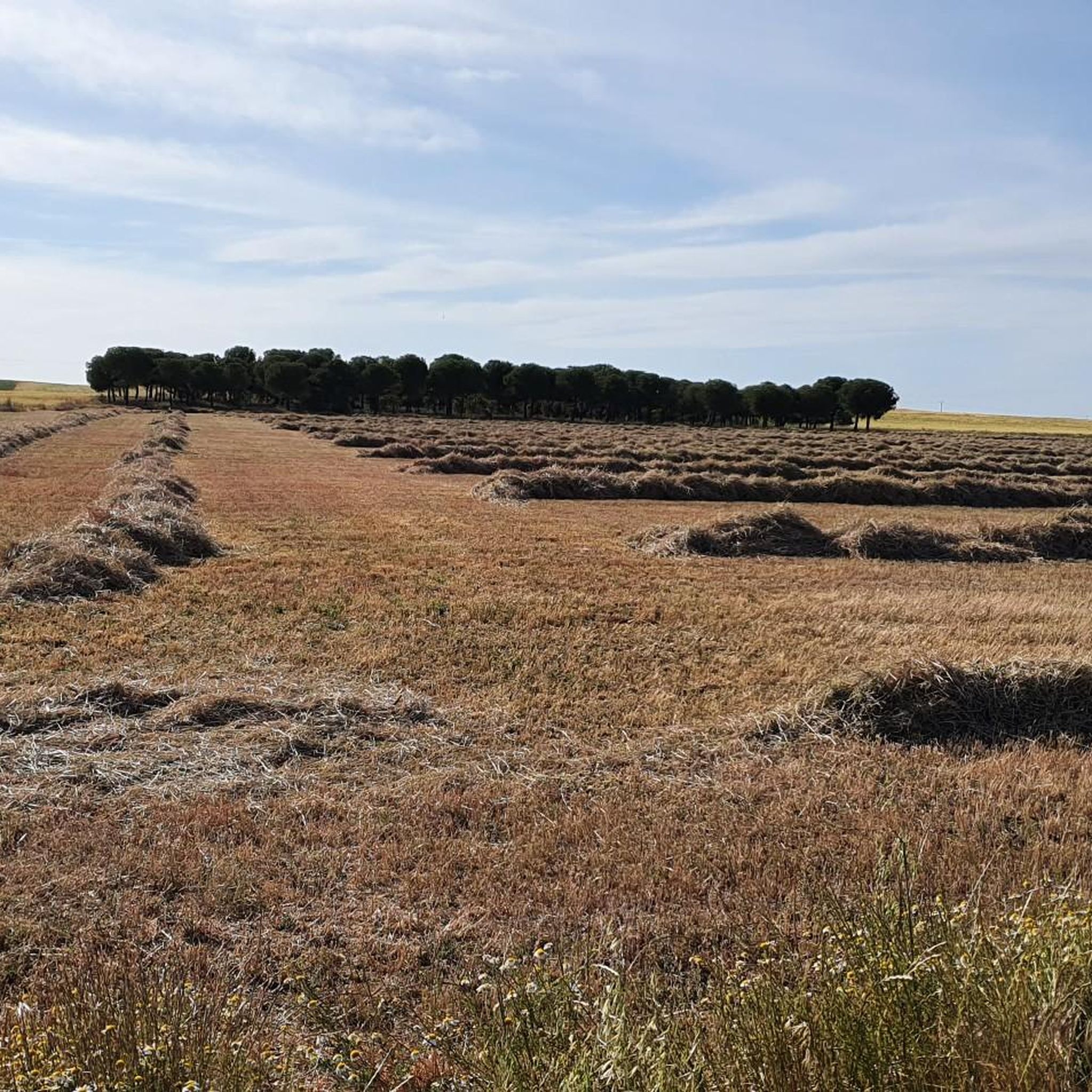
Hiking around Villafáfila offers access to the unique natural landscape of the Lagunas de Villafáfila Nature Reserve, located in the northeast of Zamora, Spain. This region is characterized by extensive wetlands, including saline lagoons, set within a flat cereal steppe landscape. The gentle topography provides accessible terrain for various outdoor activities, with minimal elevation changes across its routes.
Best hiking trails around Villafáfila
- The most popular hiking route is Laguna Salina Grande — return via the Villafáfila Lagoons Natural Reserve…
Last updated: July 9, 2026
4.0
(1)
13
hikers
Moderate hike. Good fitness required. Easily-accessible paths. Suitable for all skill levels.
2.0
(1)
6
hikers
7.83km
01:59
20m
20m
Easy hike. Great for any fitness level. Easily-accessible paths. Suitable for all skill levels.

Sign up for free
2.0
(1)
5
hikers
8.03km
02:03
30m
30m
Hike the moderate 5.0-mile Camino Sanabrés and Moreruela Monastery Loop to explore historic ruins and idyllic landscapes near Granja de More
4.0
(1)
1
hikers
21.6km
05:39
170m
170m
Hike the difficult 13.4-mile Camino Sanabrés: Moreruela Monastery Loop, exploring historic ruins and the Esla River valley.
Moderate hike. Good fitness required. Easily-accessible paths. Suitable for all skill levels.
Get access to more routes and recommendations from other explorers.
Sign up for free
Already have an account?
Our route recommendations are based on thousands of hikes, rides, and runs completed by other people on komoot.
Start today with a free account
Your next adventure awaits.
Login or Signup
Popular around Villafáfila
Tips from the Community

It is the largest lagoon in the Lagunas de Villafáfila Nature Reserve.
1
0

The Roman Bridge of Villarigo is located east of Villafáfila, near Laguna Salina Grande and Laguna el Puente. This bridge, dating from the High Roman Empire (27 BC - 305 AD), has three arches of unequal size, with the central arch twice the size of the side arches. Although it has been extensively rebuilt, it retains its original structure with strong ashlar voussoirs. The bridge was part of a network of Roman roads that connected various settlements and facilitated crossing the Villafáfila lagoons. Today, the bridge is a point of historical and architectural interest in the region.
3
0
Laguna Salina Grande is located in the Villafáfila Nature Reserve, in the province of Zamora. This lagoon is the largest in the reserve and is an ideal place for birdwatching, especially during winter and spring. In winter, thousands of geese and ducks congregate there, while in spring, a wide variety of waders can be observed. One of the most interesting routes to explore the area is the circular trail that passes by Laguna Salina Grande, the Otero de Sariegos bird observatory, and the Roman bridge in Villafáfila. This route offers an excellent opportunity to enjoy the reserve's wildlife and landscape.
5
0
Otero de Sariegos is an uninhabited village located in the municipality of Villafáfila, in the province of Zamora, Castile and León. This place is known for its natural lagoon, which attracts numerous tourists and birdwatchers due to the diversity of species found there. Historically, Otero de Sariegos has been linked to salt production since prehistoric times. The name "Sariegos" is believed to come from "saliegos," referring to salt producers. During the Middle Ages, salt exploitation reached its peak, and the area was filled with small villages dedicated to this activity. Although currently uninhabited, the site remains of interest for its historical and natural value.
5
0

This monastery complex, where Cistercians once prayed and worked day after day, even as a ruin still provides impressive evidence of the magnificent architecture. This monastic order (the order's Latin name is "Ordo Cisterciensis") takes its name from the French town of Citeaux in Burgundy, where the first monastery was founded in 1098. It is a reform branch of the Benedictines.
3
1
Even if we always use the term “St. James Way” in the singular in the German language, there is no such thing as “one”. Rather, it is a network of many Ways of St. James that runs through several European countries and then concentrates on a few main routes in Spain (the most famous is the "Camino Frances", which leads from the Pyrenees through the north of Spain). However, in order to get from the south of Spain to Santiago de Compostela in Galicia, a different route is required, which JavierCR and DennisKe have already described briefly.
2
0

Leaving Granja de Moreruela you reach an important crossing of the Vía de la Plata: towards the north, Astorga and the Camino Francés; Towards the northwest, Sanabria and Ourense. In which direction are you dreaming?
2
0
Spectacular stone bridge with 9 symmetrical arches that crosses the Esla River. It was built in 1920 to connect the trade route between the Zamora regions of Tierra de Campos and Tábara. The bridge is located on the Jacobean route known as Camino Mozárabe Sanabrés, which allows pilgrims to cross into Zamora and Galicia beyond.
3
1
Frequently Asked Questions
What kind of landscape can I expect when hiking in Villafáfila?
Villafáfila is characterized by the unique natural landscape of the Lagunas de Villafáfila Nature Reserve. You'll find extensive wetlands, including saline lagoons like Salina Grande Lagoon, set within a vast, flat cereal steppe. The topography is generally gentle, offering open horizons and accessible terrain.
Is Villafáfila a good destination for birdwatching while hiking?
Absolutely. The Lagunas de Villafáfila Nature Reserve is a renowned birdwatcher's paradise. It's home to the highest density of Great Bustards globally and serves as a critical wintering ground for thousands of geese, ducks, and various waders. You can also spot species like the lesser kestrel, Montagu's harrier, and white storks. Several bird observatories, such as the Otero de Sariegos Bird Observatory, are available along the trails.
Are there any historical sites or landmarks to see on the trails?
Yes, several trails incorporate historical sites. For instance, you can explore routes that lead to the ruins of the 12th-century Cistercian Monastery of Santa María de Moreruela. The Cistercian Monastery of Santa Maria from Granja de Moruela trail is an easy option to visit these ruins, which are often frequented by white storks. You might also encounter an ancient Roman bridge near the lagoons.
What is the best time of year to hike in Villafáfila?
The best time depends on your interests. Winter is ideal for observing large numbers of geese and ducks, while spring is excellent for waders. The lagoons' water levels fluctuate seasonally, potentially drying out in summer, which can affect bird sightings. The Visitor Center (Casa del Parque) can provide current information on water levels.
Are there any circular hiking routes in Villafáfila?
Yes, there are several circular routes available. A popular option is the Laguna Salina Grande — return via the Villafáfila Lagoons Natural Reserve, which allows you to observe wildlife around the reserve's largest lagoon. Another is the Camino Sanabrés and Moreruela Monastery Loop, which takes you through historical sites and the Esla River valley.
What is the general difficulty level of hiking trails in Villafáfila?
The trails in Villafáfila cater to various fitness levels due to the gentle topography. Most routes have minimal elevation changes. Out of the 8 available routes, 1 is easy, 6 are moderate, and 1 is considered difficult, offering options for everyone from casual strollers to more experienced hikers.
Can I hike with my dog in Villafáfila?
While the region is generally welcoming to outdoor activities, specific regulations for dogs within the Lagunas de Villafáfila Nature Reserve may apply, especially concerning wildlife protection. It's advisable to keep dogs on a leash and check local signage or contact the Visitor Center for the most current guidelines to ensure a responsible visit.
Are there any family-friendly hiking options in Villafáfila?
Yes, the gentle topography and well-maintained paths make many routes suitable for families. The easy trails, often focusing on birdwatching or short loops around the lagoons, are particularly good for children. The Cistercian Monastery of Santa Maria from Granja de Moruela is an easy 4.8-mile path that could be a good family option.
What do other hikers say about the trails in Villafáfila?
The hiking routes in Villafáfila are well-regarded by the komoot community, holding an average rating of 3.4 stars from 5 reviews. Hikers often praise the unique natural environment, the abundance of birdlife, and the accessible terrain that makes for pleasant walks.
Are there any specific viewpoints or natural features I should look out for?
Beyond the saline lagoons themselves, keep an eye out for the traditional adobe architecture, particularly the unique dovecotes scattered across the rural landscape. The Otero de Sariegos Bird Observatory offers excellent views over the wetlands and its inhabitants. The vast, open steppe landscape provides expansive horizons, especially at sunrise or sunset.
Is there parking available near the trailheads in Villafáfila?
While specific parking details for every trailhead are not provided, the region is generally accessible, and parking is typically available in or near the villages that serve as starting points for routes. For instance, routes like the Laguna Salina Grande from Villarrín de Campos would likely have parking options in Villarrín de Campos.
What kind of wildlife can I expect to see besides birds?
While birds are the primary draw, the steppe and wetland environment supports other wildlife. You might encounter various small mammals, reptiles, and amphibians adapted to this unique ecosystem. The diverse flora also contributes to the natural beauty of the reserve.
Most popular routes around Villafáfila
Most popular attractions around Villafáfila

Get inspired with the komoot mobile app


Explore more
Browse the best Hikes in other regions.
