Attractions and Places To See around Fréscano - Top 7
Best attractions and places to see around Fréscano include a mix of historical sites, cultural landmarks, and natural viewpoints. Situated on the right bank of the Huecha River, the area is known for its archaeological heritage, including sites from the First Iron Age. Visitors can explore ancient settlements, significant religious buildings, and unique museums that reflect the region's rich history. The surrounding landscape also offers opportunities to discover natural features and scenic vistas.
Best attractions and places to see around…
Last updated: July 1, 2026
Borja
Highlight • Settlement
Translated by Google •
Tip by

Burosque Encantado
Highlight • Structure
Translated by Google •
Tip by

Sign up now to discover places like this
Get recommendations on the best single tracks, peaks, & plenty of other exciting outdoor places.
Sign up for free
El Buste Viewpoint
Highlight • Viewpoint
Translated by Google •
Tip by
Castle of Cortes
Highlight • Castle
Translated by Google •
Tip by

Chapel of the Estanca de Borja
Highlight • Religious Site
Translated by Google •
Tip by

Sign up for free to discover even more attractions around Fréscano.
Sign up for free
Already have an account?
Start today with a free account
Your next adventure awaits.
Login or Signup


Tips from the Community

This castle was once a border fortress of the Kingdom of Navarre and today stands out as an elegant neo-Gothic palace, with a crenellated tower and a large walled enclosure that still retains its historical character. Inside, you can see original furnishings and a remarkable collection of paintings, while the former orchard, now a park, offers a peaceful stroll among dozens of plant species. It's a great place to stop, explore the courtyard, and enjoy the landscaped surroundings.
0
0

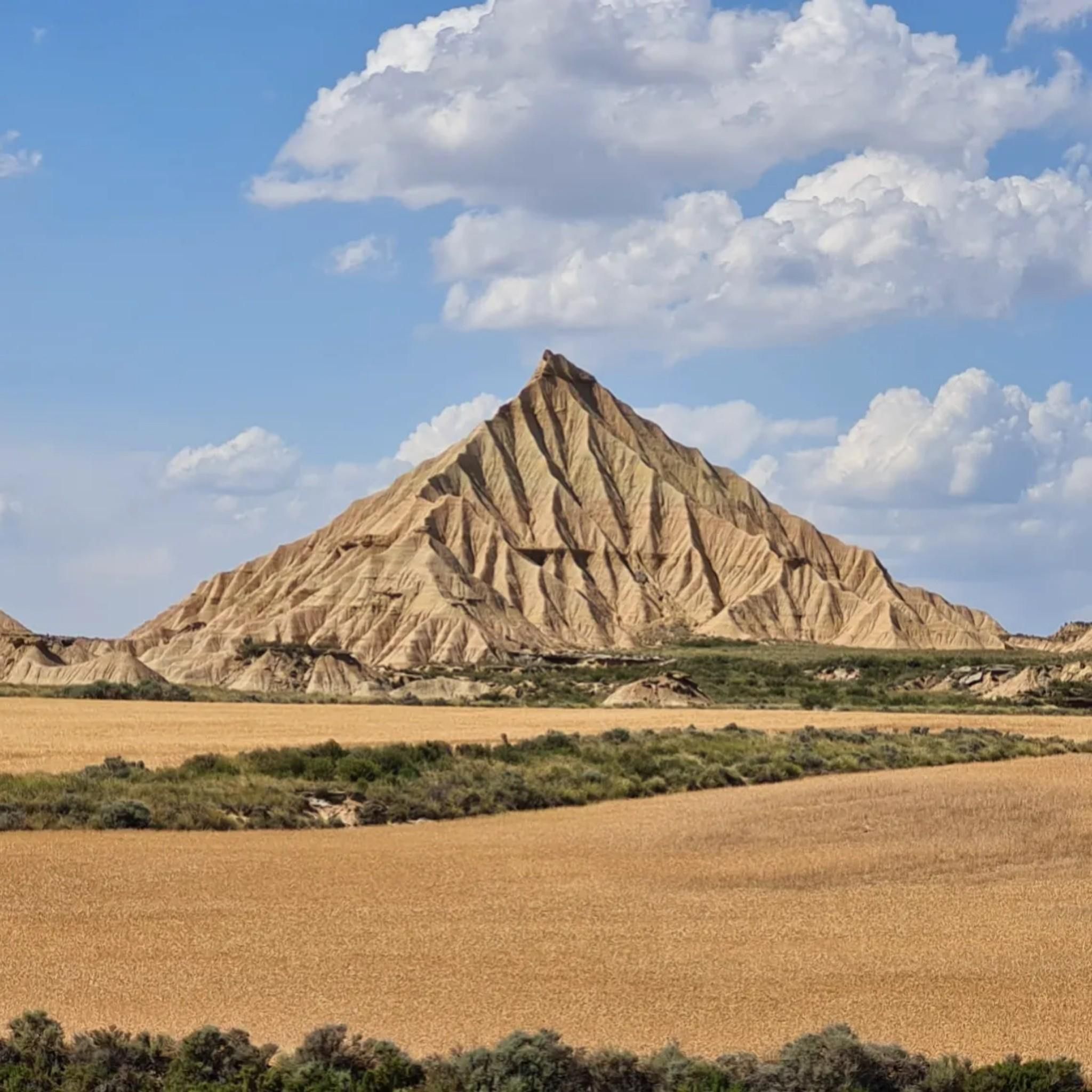
Borja has been on the map since the 5th century BC, there are about 5000 inhabitants and the town offers several sights. Church of San Miquel, church Sante Maria, baroque monastery Santa Klara etc.
1
0
Borja has a pronounced continental climate with limited precipitation of 350 to 450 mm per year. Hail and frost are common in spring and a cold, dry northerly wind (the cierzo) is typical of the area.
4
0

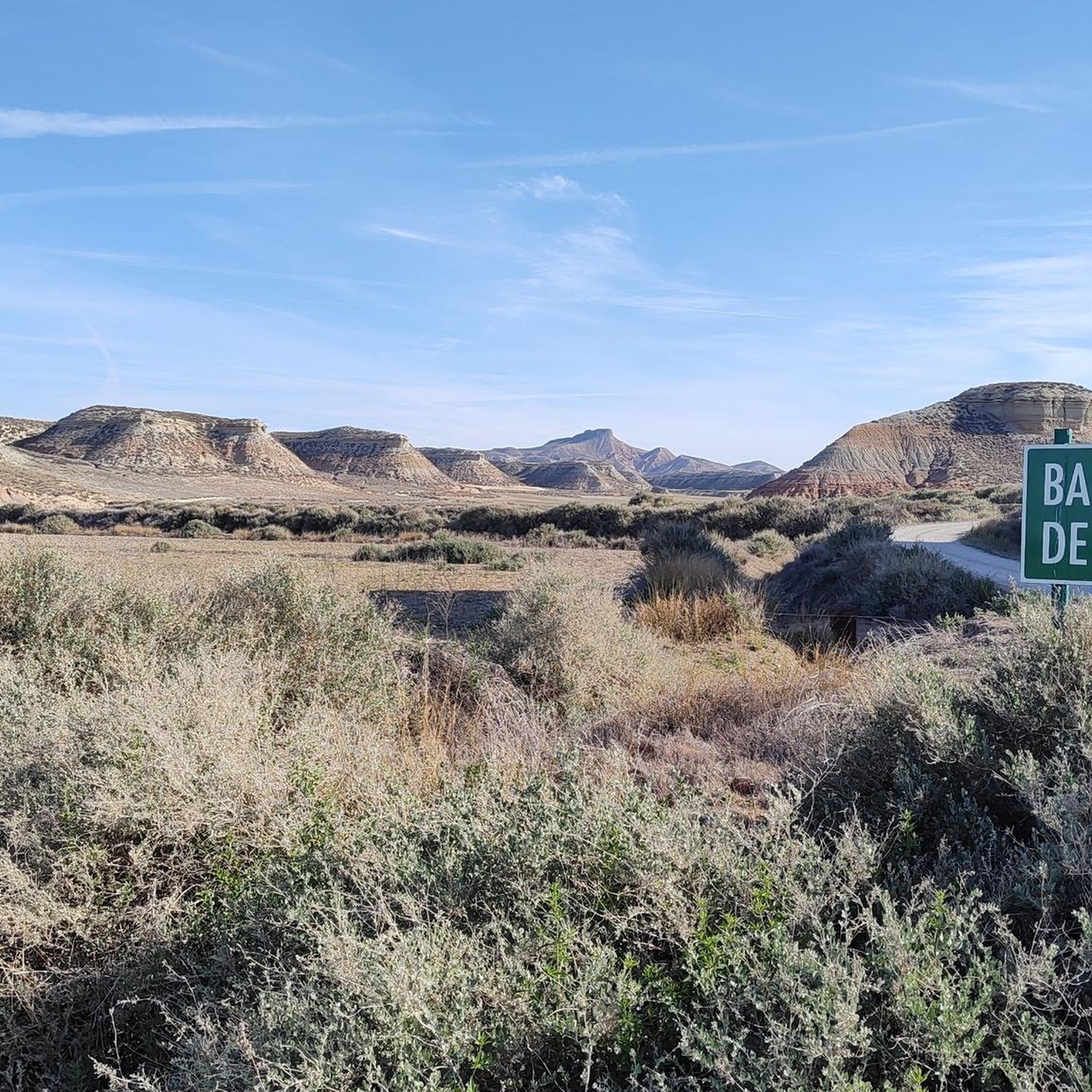
Viewpoint with views of the valley and Moncayo. There are a couple of banks.
0
0
It is an artificial pond of about 14 hectares that was built by virtue of the privilege granted by Alfonso IV of Aragon, in 1328, so that the inhabitants of Borja could collect water from the Sorbán ditch. They were also used by the residents of Fréscano, Mallén and Cortes, according to later agreements. Along with its usefulness for agricultural purposes, its importance increases as it is a place of passage and nesting for numerous birds. On the other hand, for a long period fish were raised there, the product of which the Sancti Spiritus Hospital benefited from its sale.
0
0

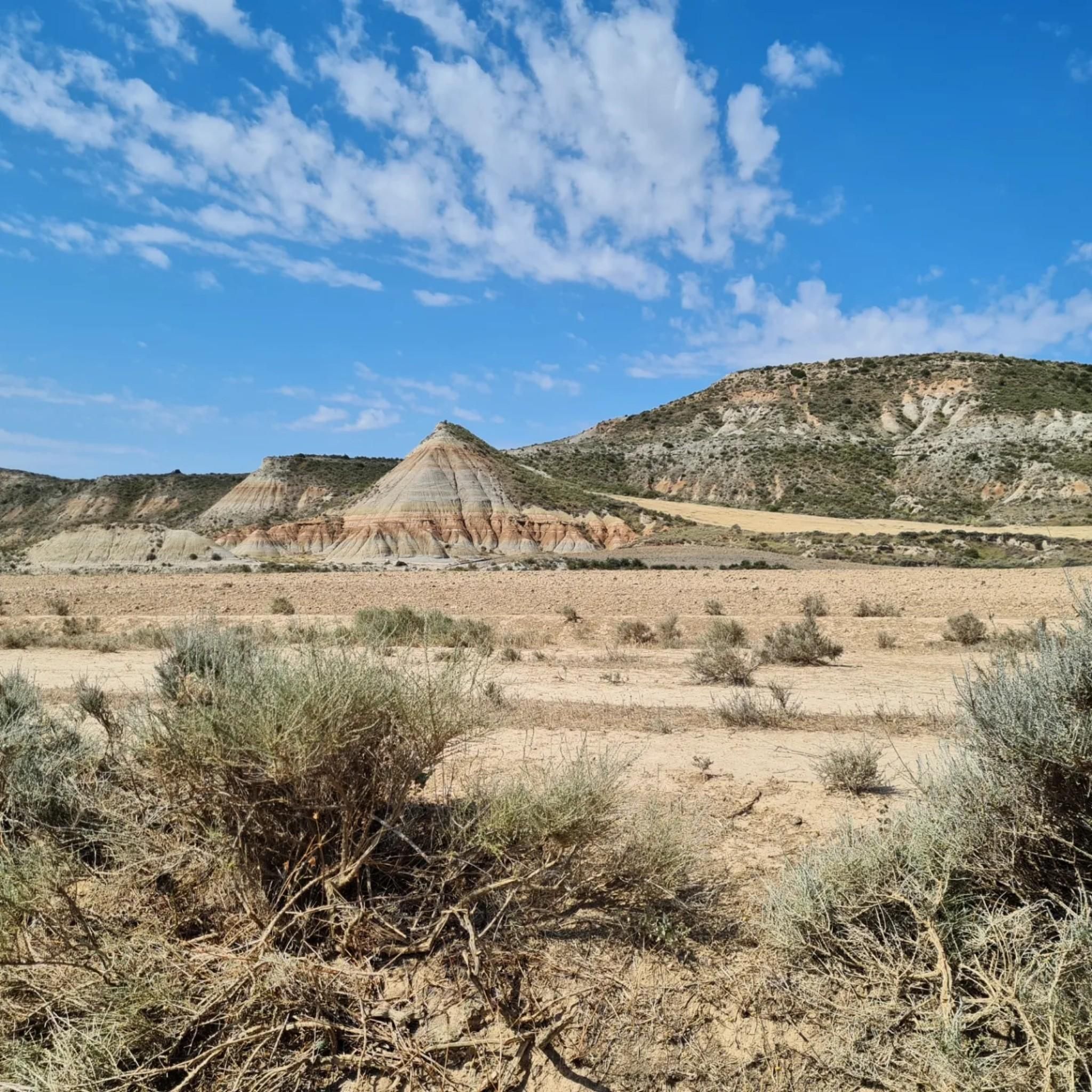
We are in the town of Bureta, a small and quiet town where we will find the Enchanted Burosque, a park decorated with miniature wooden models made with great ingenuity. And in the urban nucleus we will also see that in almost all the houses there are little houses or some figure and other small details that have given a new life to the town. If we choose this town to stop to rest, we can have a coffee in the courtyard of the Castle.
1
0
Beautiful viewpoint in the town of El Buste from where you can see the Moncayo or the Pyrenees in the distance. Popular among Aragon cycling lovers.
1
0
Frequently Asked Questions
Where can I learn about the ancient history of Fréscano?
You can delve into the region's ancient past at the Archaeological Park of the First Iron Age. This unique park, the first of its kind in Spain dedicated to this prehistoric period, is located near the Huecha River. It offers an immersive experience, including a recreated Iron Age cabin, and focuses on the Urnfield culture. The nearby Burrén-Burrena archaeological site is also a significant historical landmark.
Are there any significant religious buildings to visit in Fréscano?
Yes, Fréscano features several notable religious sites. The Hermitage of Nuestra Señora de la Huerta is a late Romanesque temple known for its spectacularly restored paintings from the first French Gothic period. Additionally, the Church of Nuestra Señora del Pilar, located in the town square, showcases a Baroque appearance dating back to the late 17th century and was built on the site of a former mosque.
What natural features or scenic viewpoints can I find near Fréscano?
The area around Fréscano offers several natural highlights. The town itself is situated on the right bank of the Huecha River, which is integral to the landscape. For panoramic views, visit El Buste Viewpoint, where you can see the Moncayo or even the Pyrenees in the distance. The Burrén Hills and surrounding archaeological sites also provide scenic backdrops.
Are there family-friendly attractions around Fréscano?
Yes, families can enjoy several attractions. The Burosque Encantado in Bureta is a charming park decorated with miniature wooden models, offering a unique and imaginative experience. El Buste Viewpoint is also considered family-friendly, providing beautiful views in a relaxed setting.
What outdoor activities can I do near Fréscano?
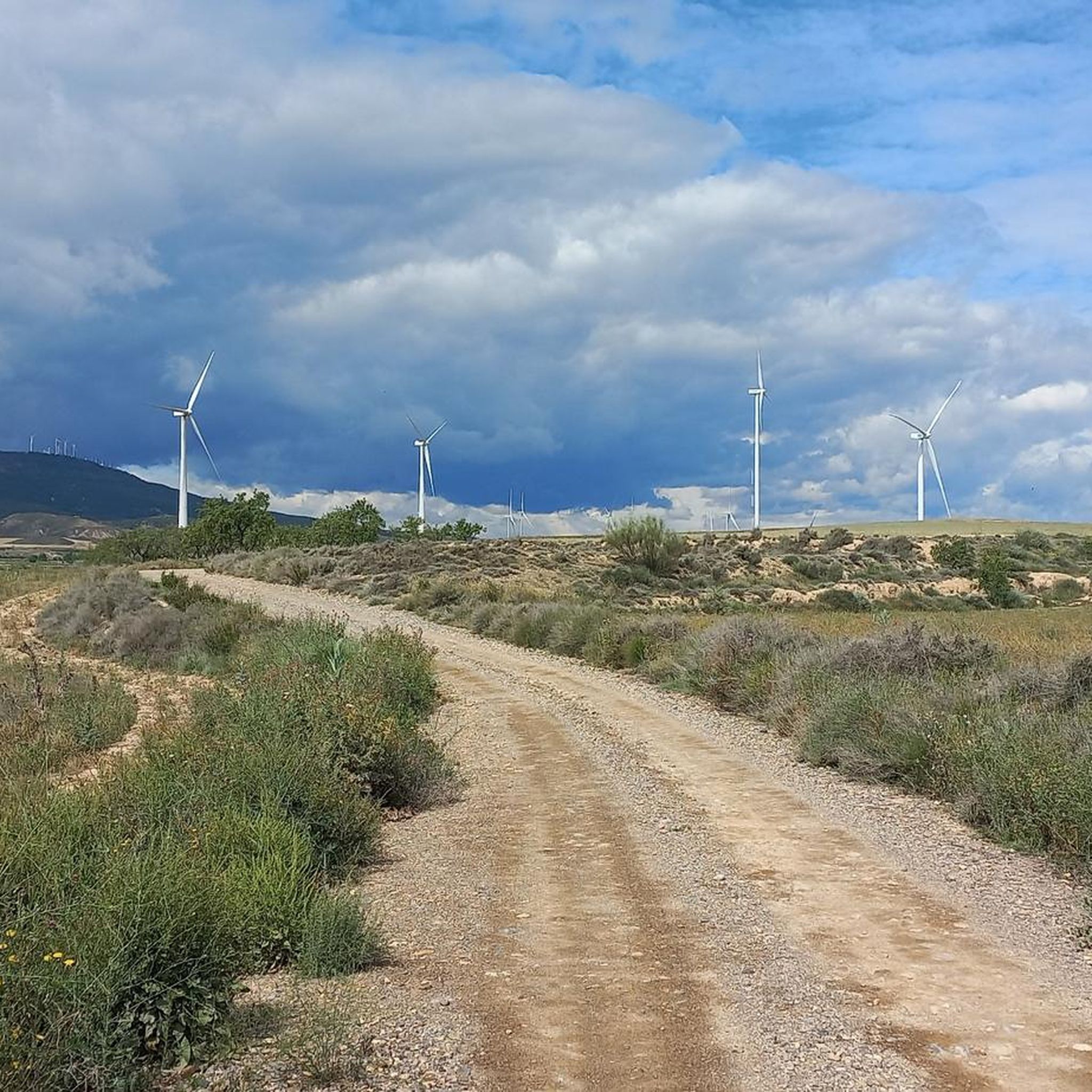
The region around Fréscano is excellent for outdoor enthusiasts. You can find various hiking and cycling routes. For hiking, consider trails like the "Burrén loop from Bisimbre" or "Burrén loop from Fréscano." Cycling options include road cycling and touring bicycle routes, such as the "Enchanted Forest of Bureta and Pozuelo de Aragon Geyser - circular from Borja." You can explore more options on the hiking guide or cycling guides for the area.
Are there any castles or historical fortresses to visit?
Absolutely. You can visit the Castle of Cortes, a former border fortress that now stands as an elegant neo-Gothic palace with original furnishings. The town of Borja also features the impressive Castillo de la Zuda, which controls the municipality from above and is an important part of Spain's history.
What is the Palace of the Dukes of Villahermosa?
The Palace of the Dukes of Villahermosa is a Renaissance palace in Fréscano, notable for its brick construction, grand columnar courtyard, and elegant upper gallery. It is currently undergoing restoration and is planned to house an archaeological research center dedicated to the Urnfield culture, further enriching the region's cultural offerings.
Is there a unique museum in Fréscano?
Yes, Fréscano is home to the Elevated Water House Museum (Casa Museo de Aguas Elevadas). Declared a Local Asset of Interest, this museum is located in a former engine house near the Burrén hill and provides interpretive resources explaining the significance of its construction and the historical importance of water management in the area.
What is the significance of the Huecha River in Fréscano?
The Huecha River is a vital natural feature in Fréscano. The town is situated on its right bank, and the river plays a significant role in the natural landscape, particularly around the Archaeological Park of the First Iron Age. Historically, the river and its irrigation techniques, influenced by Mudejar heritage, were crucial for the region's agriculture and development.
What is the Chapel of the Estanca de Borja?
The Chapel of the Estanca de Borja is associated with an artificial pond of about 14 hectares. This pond was built in 1328 to provide water for the inhabitants of Borja and surrounding towns like Fréscano. Beyond its agricultural utility, it's an important site for birds, serving as a passage and nesting area, and holds historical significance for the local communities.
What is the best time of year to visit Fréscano for outdoor activities?
Fréscano experiences a pronounced continental climate. While specific recommendations for outdoor activities depend on personal preference, it's worth noting that hail and frost are common in spring, and a cold, dry northerly wind (the cierzo) is typical. For comfortable outdoor exploration, consider visiting during milder seasons, avoiding the extremes of summer heat or winter cold.
Can I find easy hiking trails near Fréscano?
Yes, there are hiking trails suitable for various fitness levels. For an easier option, you can consider the "Burrén loop from Bisimbre," which is rated as easy and covers a distance of approximately 3.5 kilometers. More moderate options are also available, such as the "Burrén loop from Fréscano." You can find more details on the hiking guide for Fréscano.
Most popular routes around Fréscano

Get inspired with the komoot mobile app


Explore more
Still not found the Highlight you’re looking for? See guides of the top attractions in other regions:
