Attractions and Places To See around Fuendetodos - Top 10
Best attractions and places to see around Fuendetodos include historical sites, cultural landmarks, and natural features. This village, located southeast of Zaragoza, is known as the birthplace of painter Francisco de Goya. The area offers a blend of historical significance and diverse natural landscapes, including extensive trails and gorges. Visitors can explore both man-made monuments and natural wonders.
Best attractions and places to see around Fuendetodos
- The most popular attractions is Virgen de Dorleta Memorial, a man-made monument that is an emblematic site for cyclists. It is dedicated to the Patron Saint of Spanish Cyclists.
- Another must-see spot is Poza de los Chorros, a river and natural monument. This location offers a place to take a dip on hot summer days.
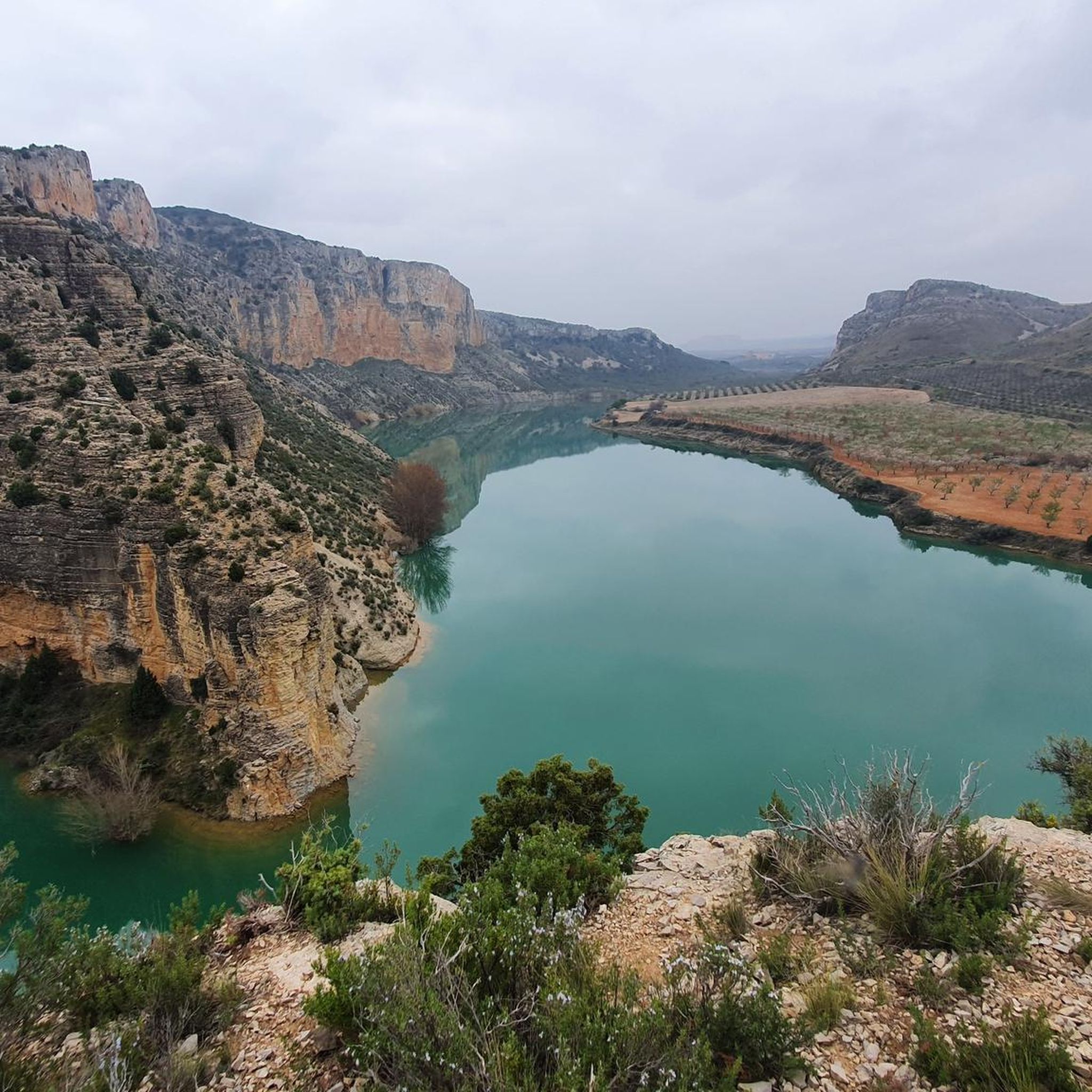
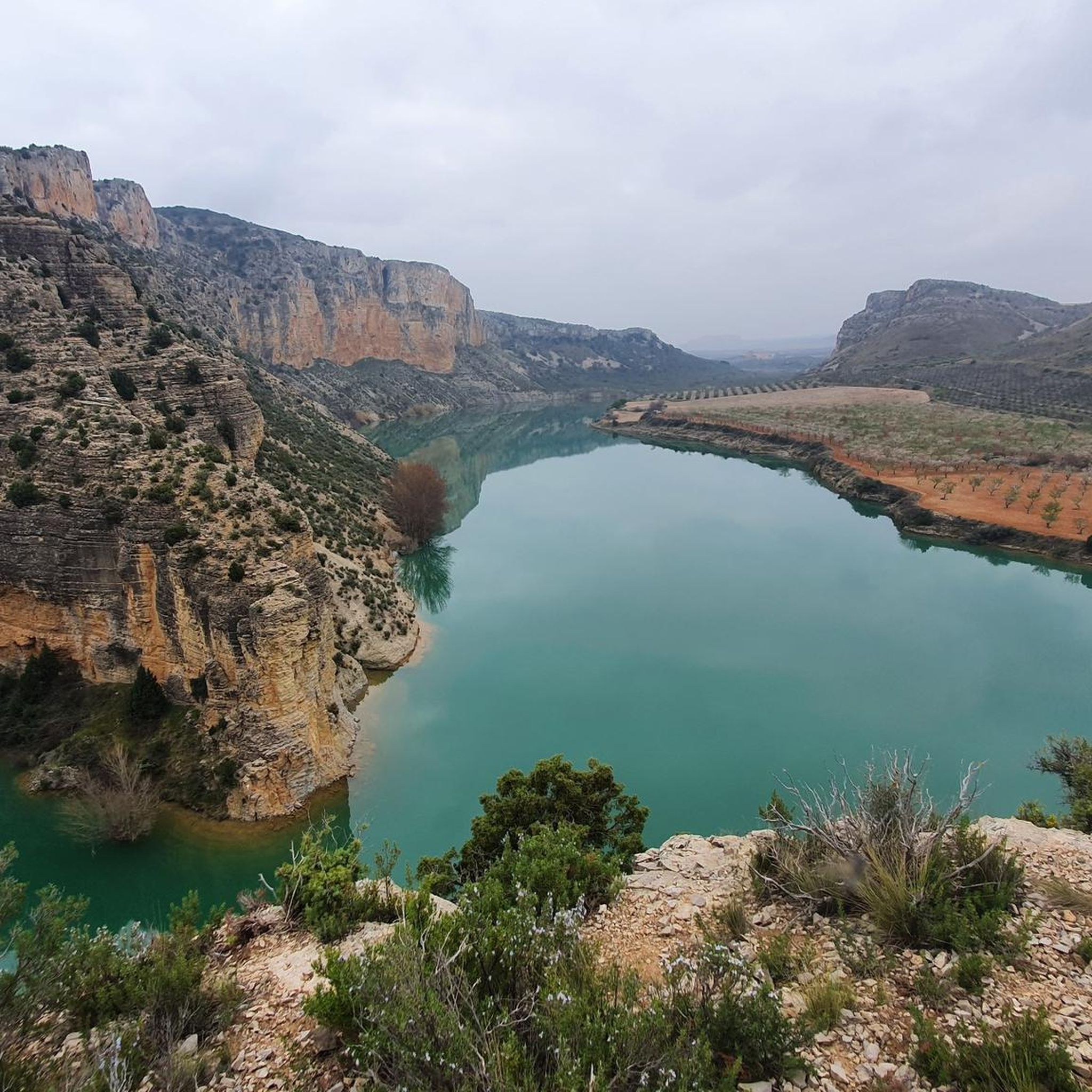
- Visitors also love Viewpoint of the Roman Dam of Almonacid de la Cuba, a viewpoint offering views of one of the most important and best preserved hydraulic works in Roman Hispania. It is considered the highest Roman dam in the world.
- Fuendetodos is known for its historical sites, natural monuments, and extensive network of trails. The area offers a variety of attractions to see and explore, from cultural landmarks to natural features like gorges and pine forests.
- The attractions around Fuendetodos are appreciated by the komoot community, with 20 upvotes and 6 photos shared by visitors.
Last updated: June 24, 2026
Virgen de Dorleta Memorial
Highlight • Monument
History: Almost 60 years ago an extraordinary journey happened.
On August 8, 1960, young cyclists Luis and Ángel Serrano from Bilbao and José Luis Sáenz from Vitoria arrived with their bicycles in Rome to be received in audience by Pope John XXIII.
In that luggage they carried the petition for the canonical declaration of the Virgin of Dorleta as patron saint of cyclists.
Tired but happy, they returned to the capital of Vitoria, and on the 28th of that same month, the Virgin of Dorleta was proclaimed "Patroness of Spanish cyclists".
Translated by Google •
Tip by

Viewpoint of the Roman Dam of Almonacid de la Cuba
Highlight • Viewpoint
La Cuba, as this dam is popularly known, is one of the three that regulated the course of the Aguasvivas river, together with the Blesa and Muniesa dams.
Translated by Google •
Tip by

Sign up now to discover places like this
Get recommendations on the best single tracks, peaks, & plenty of other exciting outdoor places.
Sign up for free
Poza de los Chorros
Highlight • River
The access (from Belchite) can be somewhat complicated, so basically we will have to look for the Belcars car workshop in Belchite and find a marked wall that will help us start the route on the right foot.
Translated by Google •
Tip by
Roman Dam: The Roman Dam of Almonacid de la Cuba is the highest in the world built during the Roman Empire, at 34 metres high.
Church of Santa María: In the centre of the town is the parish church of Santa María, a construction from the second half of the 16th century with an imposing Mudejar tower.
Almonacid de la Cuba also offers various cultural activities that will allow you to immerse yourself in local life.
Translated by Google •
Tip by
Remnants of the Civil War
Highlight • Historical Site
It is located on both sides of the road that goes from Jaulín to Fuendetodos, next to a geodesic vertex of the National Geographic Institute, hence its name. It consists of four bunkers of the type known as a squad post. These posts are rectangular in shape and have loopholes for about twenty riflemen and a machine gun nest in the corner facing the enemy; in the center they have a warehouse and rest area. According to the figure inscribed on them, they were built in 1937 by the company of sappers "Los Barbis".
Translated by Google •
Tip by

Sign up for free to discover even more attractions around Fuendetodos.
Sign up for free
Already have an account?
Start today with a free account
Your next adventure awaits.
Login or Signup
Popular around Fuendetodos
Tips from the Community

The Mirador de la Cuba in Almonacid de la Cuba is a fantastic place to enjoy stunning views of one of the most important and best preserved hydraulic works in Roman Hispania. From this viewpoint, you can admire the Roman dam, popularly known as "La Cuba", which is the highest in the world built during the Roman Empire.
4
0
Almonacid de la Cuba is a fascinating place to visit! Roman Dam: The Roman Dam of Almonacid de la Cuba is the highest in the world built during the Roman Empire, at 34 metres high. Church of Santa María: In the centre of the town is the parish church of Santa María, a construction from the second half of the 16th century with an imposing Mudejar tower. Almonacid de la Cuba also offers various cultural activities that will allow you to immerse yourself in local life.
4
0

Well marked trail from Almonacid, signs on wooden posts with distances
1
0
Almonacid de la Cuba viewpoint to see one of the most important and best preserved hydraulic works in Roman Hispania. La Cuba, as this dam is popularly known, is one of the three that regulated the course of the Aguasvivas river, together with the Blesa and Muniesa dams.
11
0

A town in the province of Zaragoza that we can walk around visiting the church of Nuestra Sra. la Mayor and the hermitage of the Virgen de los Dolores, as well as its picturesque streets decorated with artistic murals.
1
0
We are at the highest Roman dam in the world! A must visit if we want to know a little more about the history of Zaragoza. At this point we can get off the bike and approach the Mirador de la Cuba, from which we can see the Roman dam of Almonacid de la Cuba. If we have time, it is worth a guided tour. Information and reservations: 684 271 669 / 976837401 and turismo@aytoalmonaciddelacuba.es
2
0
An emblematic site for cyclists since it is the Patron Saint of Spanish Cyclists. The road is very frequented by lovers of two wheels with some magnificent landscapes. History: Almost 60 years ago an extraordinary journey happened. On August 8, 1960, young cyclists Luis and Ángel Serrano from Bilbao and José Luis Sáenz from Vitoria arrived with their bicycles in Rome to be received in audience by Pope John XXIII. In that luggage they carried the petition for the canonical declaration of the Virgin of Dorleta as patron saint of cyclists. Tired but happy, they returned to the capital of Vitoria, and on the 28th of that same month, the Virgin of Dorleta was proclaimed "Patroness of Spanish cyclists".
2
0
Town in the province of Zaragoza that we can walk around visiting the church of Nuestra Señora la Mayor and the hermitage of the Virgen de los Dolores, as well as its murals on the walls.
2
0
Frequently Asked Questions
What historical sites related to Francisco de Goya can I visit in Fuendetodos?
Fuendetodos is renowned as the birthplace of Francisco de Goya. You can visit his 18th-century Casa Natal de Goya, which offers a glimpse into his early life. Nearby, the Museo del Grabado (Etching Museum) exhibits selections of Goya's graphic works, including complete series like "Los Caprichos." The Church of Nuestra Señora de la Asunción is also significant as the place where Goya was baptized.
What natural attractions can I explore around Fuendetodos?
The area boasts diverse natural features. You can visit Poza de los Chorros, a natural river monument perfect for a dip on warm days. The Fuendeverde Nature Space offers insights into local biodiversity. Additionally, the region features deep gorges carved into Jurassic limestone, extensive pine forests like El Pinar de Fuendetodos, and Mediterranean scrubland.
Are there any viewpoints offering scenic vistas in the Fuendetodos area?
Yes, you can visit the Viewpoint of the Roman Dam of Almonacid de la Cuba. This spot offers stunning views of one of the most important and best-preserved hydraulic works from Roman Hispania, considered the highest Roman dam in the world.
What kind of outdoor activities are available near Fuendetodos?
Fuendetodos is excellent for outdoor enthusiasts. You can enjoy extensive hiking and nature walks on over 100 kilometers of trails, including the Ruta de las Neveras and the Ruta del Espacio Fuendetodos. The area is also popular for cycling and mountain biking. For more specific routes, you can explore guides for Cycling around Fuendetodos, Road Cycling Routes, and MTB Trails.
Are there any historical remnants from the Spanish Civil War in the region?
Yes, some trails around Fuendetodos feature historical remnants from the Spanish Civil War. You can find sites like trenches and bunkers, such as the Remnants of the Civil War, which add another layer to the area's historical footprint.
What are the Neveros (ice houses) and where can I find them?
The Neveros are 18th-century stone structures historically used to store winter snow, which was then converted into ice to supply Zaragoza. The Nevera de la Culroya is particularly well-preserved. You can explore these historical snow deposits on the Ruta de las Neveras, a circular hiking route.
Is Fuendetodos a good destination for birdwatching?
Yes, Fuendetodos is an excellent destination for ornithology enthusiasts. Its steppes and scrublands are home to a variety of bird species, including the Dupont's lark, eagle owl, and lesser kestrel, offering great opportunities for birdwatching.
What is the Virgen de Dorleta Memorial?
The Virgen de Dorleta Memorial is an emblematic site for cyclists, dedicated to the Patron Saint of Spanish Cyclists. It's a popular spot for those who enjoy two-wheeled adventures, offering magnificent landscapes along the route.
What is there to see in the nearby town of Almonacid de la Cuba?
Almonacid de la Cuba is a fascinating town with several points of interest. Besides the Roman Dam viewpoint, you can visit the Church of Nuestra Señora la Mayor, the Hermitage of the Virgen de los Dolores, and various murals on the town's walls. The Roman Dam itself is the highest in the world built during the Roman Empire.
Are there any art-focused attractions in Fuendetodos beyond Goya's museums?
Yes, the Zuluaga Hall, inaugurated in 1996, is dedicated to temporary exhibitions, primarily focusing on graphic art. It has showcased works by renowned artists like Picasso and Miró. Additionally, the ARTEfuendetodos Gallery offers more contemporary art experiences.
What is the Fuendeverde Nature Space?
The Fuendeverde Nature Space is an environmental education center built over the remains of the old castle. It offers insights into the local biodiversity through permanent exhibits, a nature school, and guided tours, making it a great place to learn about the region's flora and fauna.
Most popular routes around Fuendetodos

Get inspired with the komoot mobile app


Explore more
Still not found the Highlight you’re looking for? See guides of the top attractions in other regions:
