Attractions and Places To See around Puebla De Valles - Top 20
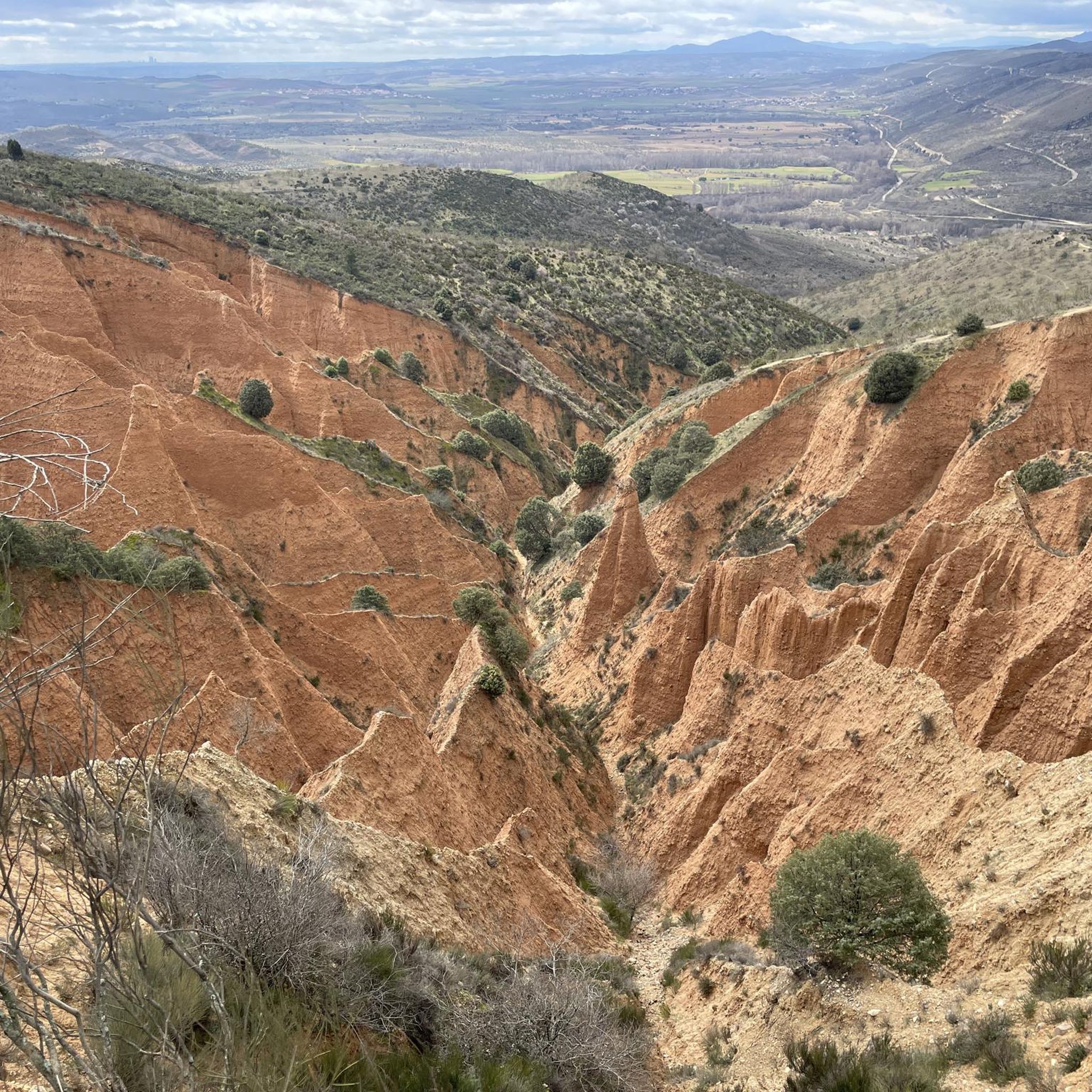
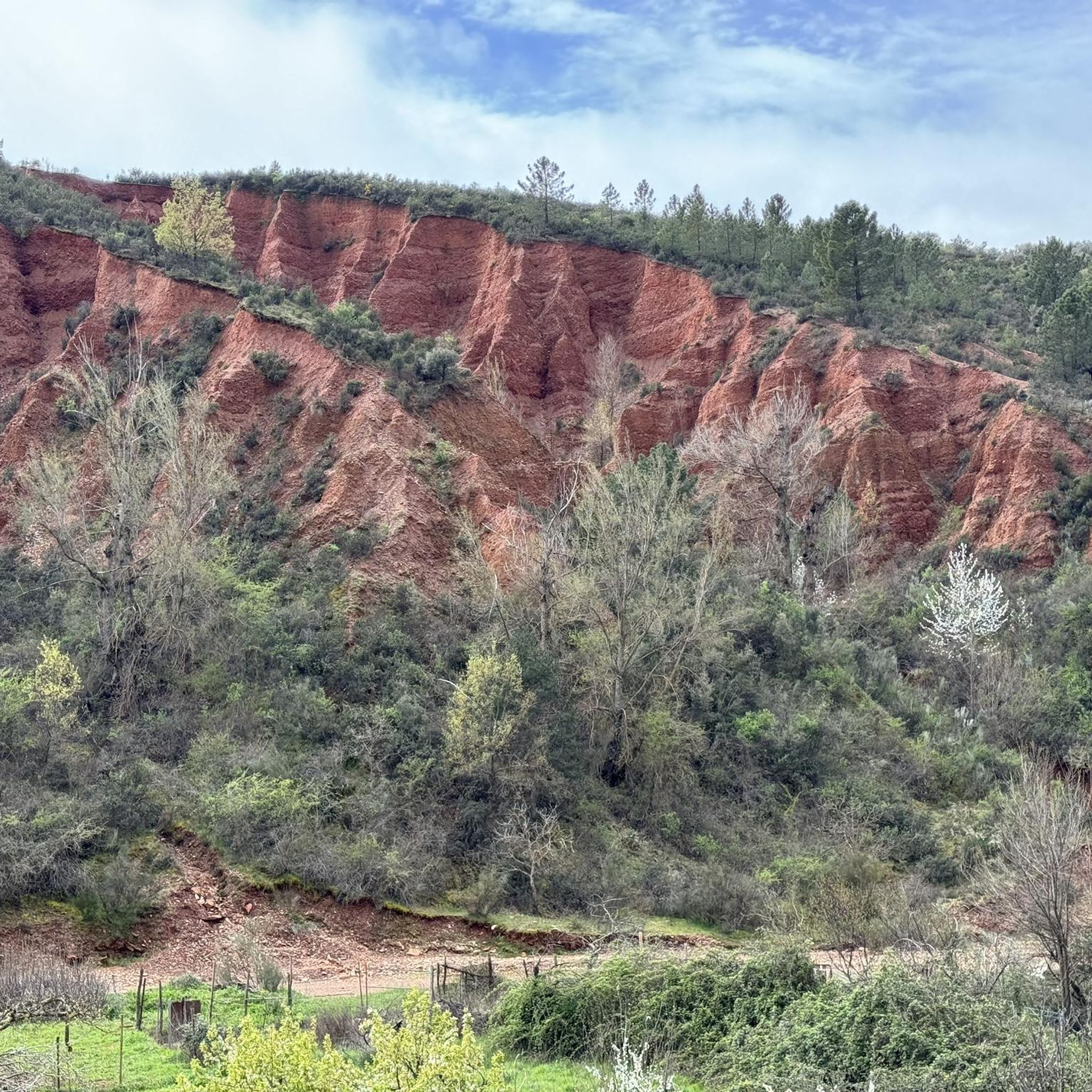
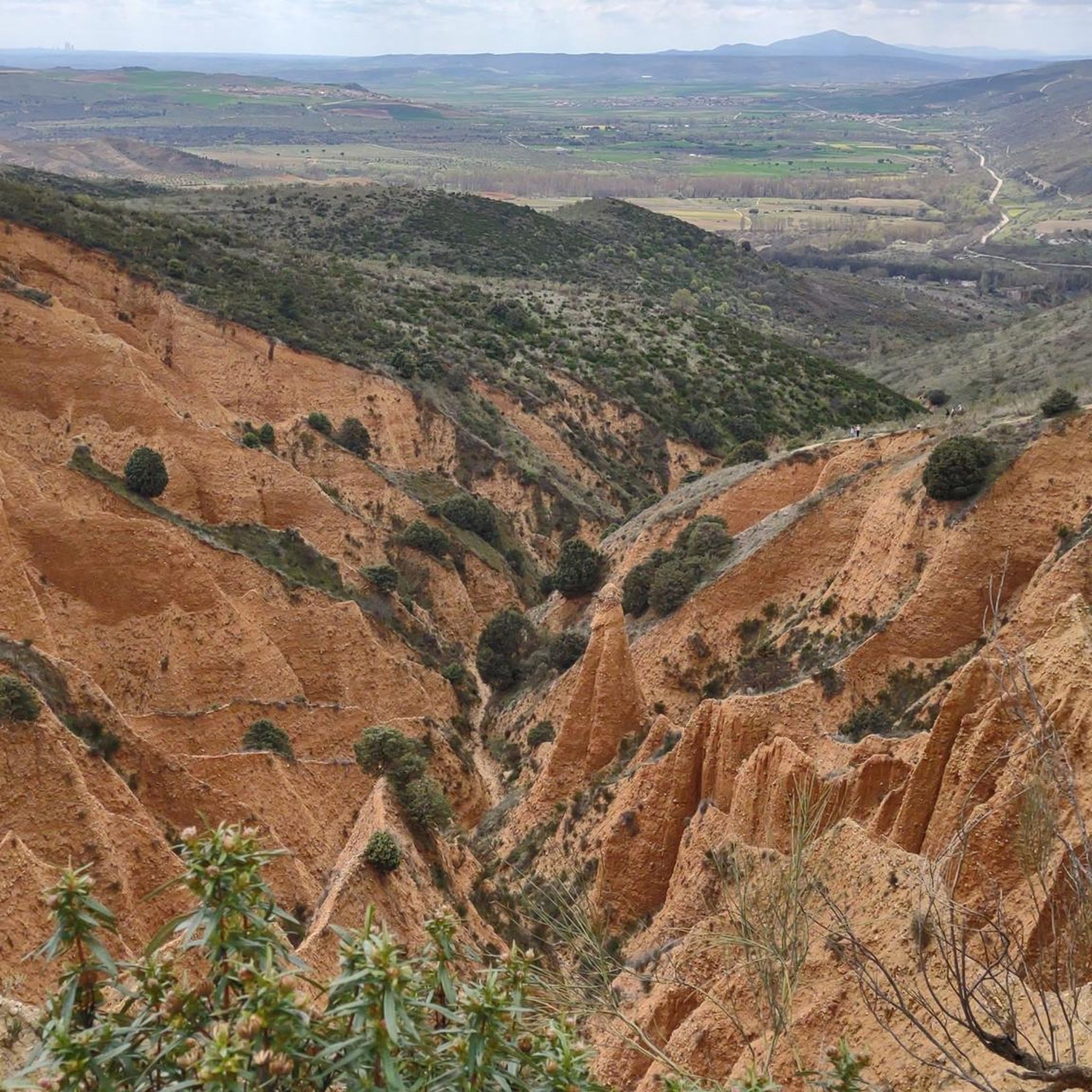
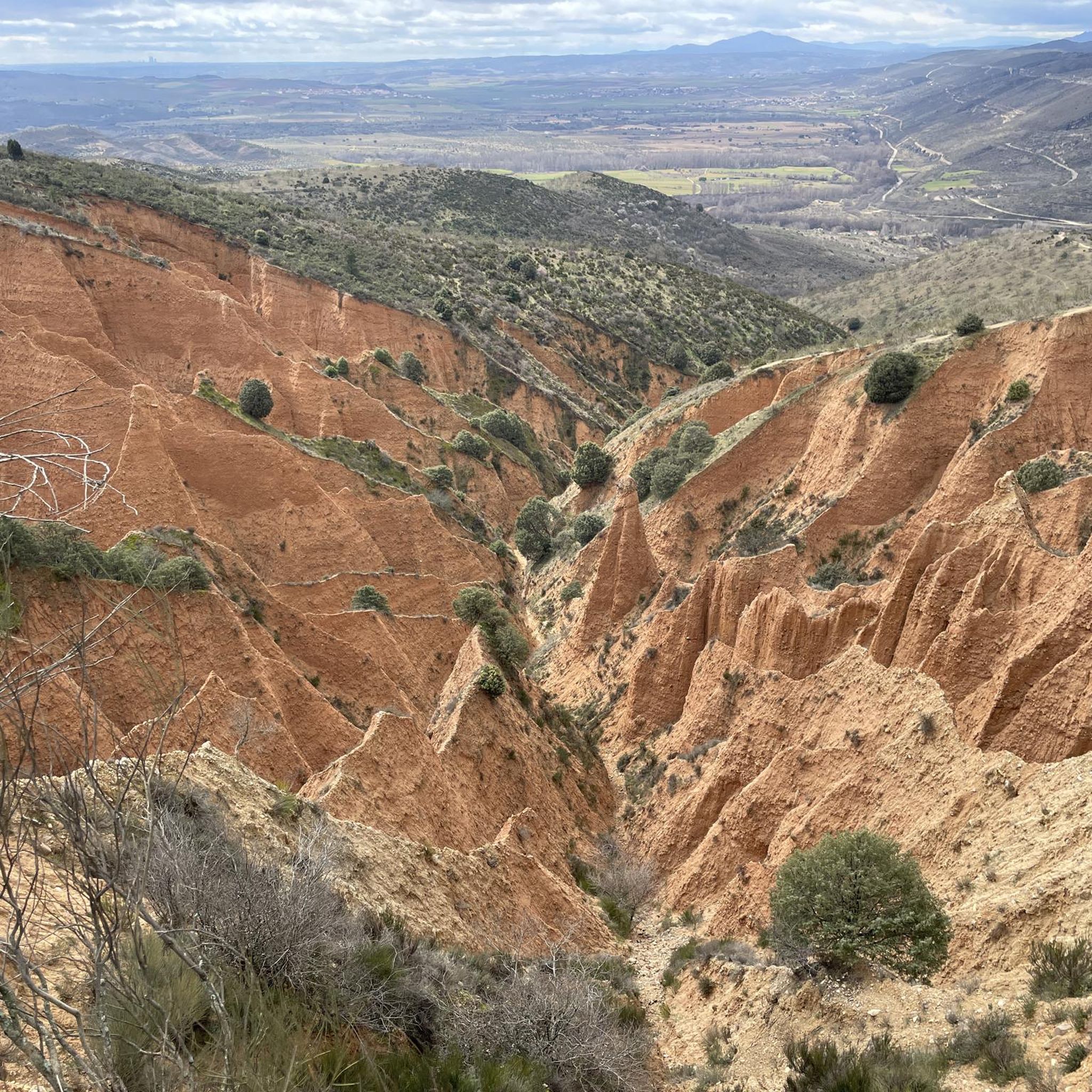
Best attractions and places to see around Puebla De Valles include a blend of historical landmarks, unique natural features, and cultural points of interest. This region in Guadalajara, Castilla-La Mancha, Spain, is characterized by striking reddish ravines and the Jarama River basin. Visitors can explore ancient structures and diverse natural landscapes. The area offers a variety of sites for those interested in history and outdoor exploration.
Best attractions and places to see around Puebla De Valles
- The most popular attractions…
Last updated: July 7, 2026
Pontón de la Oliva Dam and Cliffside Pathways
Highlight • Monument
Translated by Google •
Tip by

Hermitage of Los Enebrales
Highlight • Religious Site
Translated by Google •
Tip by
Sign up now to discover places like this
Get recommendations on the best single tracks, peaks, & plenty of other exciting outdoor places.
Sign up for free
La Parra Weir
Highlight • Structure
Translated by Google •
Tip by

Bonaval Monastery Ruins
Highlight • Historical Site
Translated by Google •
Tip by
Church of Our Lady of the Assumption
Highlight • Religious Site
Translated by Google •
Tip by
Sign up for free to discover even more attractions around Puebla De Valles.
Sign up for free
Already have an account?
Start today with a free account
Your next adventure awaits.
Login or Signup

Tips from the Community

The Church of Our Lady of the Assumption, in Tamajón (Guadalajara), stands atop a small hill to the north of the town center, at an altitude of approximately 1,097 meters, within the Diocese of Sigüenza-Guadalajara. It was built in the 13th century in the Romanesque style, with significant renovations in the 16th century that introduced Renaissance influences. In the 12th century, the area belonged to the Common Lands of the Town and Territory of Atienza; in the 15th century, it passed to the Mendoza family.
3
0

(Be careful with the bridge they say is over the river... with the floods of 2025 it has disappeared)
0
1
The Church of Our Lady of the Assumption in Tamajón, Guadalajara, is a beautiful example of 13th-century Romanesque architecture, with Renaissance reforms in the 16th century. Located on a small hill to the north of the town, this church stands out for its impressive façade and its rich history. The temple has a rectangular floor plan with three sections and three naves, with a flat chancel and a porticoed gallery on the south façade. Inside, you can admire mural paintings from different periods and Baroque and Gothic altarpieces that decorate the main altar and the side chapels.
5
0

start from the dam
1
0

Beautiful Romanesque church with porticoed atrium.
0
1
Beautiful place where people go for a walk or to climb.
1
0
The Pontón de la Oliva is a Spanish dam located in the Ayllón mountain range, northeast of the Community of Madrid and northwest of the province of Guadalajara. It was built in 1857 and is currently disused. This dam is the sixth and last in the course of the Lozoya River, and is the oldest of the entire system of dams and canalizations of the Canal de Isabel II. This canal supplies drinking water to Madrid and a large part of the community. The height of the Pontón de la Oliva Dam is approximately 30 meters. If you are interested in exploring the area, there are routes that take you to the Cárcavas de Pontón de la Oliva, a curious geological formation in the Community of Madrid. In addition, you can enjoy a route along the Pontón de la Oliva to the Lozoya River, which offers impressive views. I hope you find this information interesting! 😊
4
0
A place of prayer and also for recreation and rest, it is a good place to start or end routes.
1
0
Frequently Asked Questions
What historical sites can I explore around Puebla De Valles?
Puebla De Valles and its surroundings are rich in history. You can visit the impressive Bonaval Monastery Ruins, dating back to the 13th century with 17th-century reforms. Parts of the monastic complex have been restored and are open for visits. Another significant site is the Hermitage of Los Enebrales, a 16th-century Romanesque building reformed in the 18th century. Don't miss the Parroquial Church of San Miguel in town, featuring a 13th-century presbytery and 18th-century additions.
Are there any unique natural landscapes to see near Puebla De Valles?
Absolutely. The region is famous for its striking reddish ravines, known as Los Terreros, which create a landscape often described as resembling Mars or the Moon due to erosion in clayey soils. You can also explore the Enchanted City of Tamajón, a limestone rock formation with caves, arches, and other unique geological features.
What outdoor activities are available for hikers and cyclists?
The area around Puebla De Valles is ideal for outdoor enthusiasts. You can find numerous trails for hiking and cycling. For running, explore routes like the 'Presa de la Parra from Pontón de la Oliva' or the 'Arcipreste de Hita Trail'. Cyclists can enjoy road cycling routes such as the 'Black Architecture Villages Loop' or touring bicycle routes like the 'Enchanted City of Tamajón – El Espinar loop'. You can find more details on these activities and routes in the Running Trails, Road Cycling Routes, and Cycling guides for the region.
Where can I find impressive viewpoints in the area?
For spectacular views, head to the Mirador del Mego and the Mirador de la Reina, which offer panoramic vistas of the pine forests and ravines of Puebla de Valles. The Pontón de la Oliva Dam and Cliffside Pathways also provide impressive views of the surrounding landscape.
Are there any family-friendly attractions or activities?
Yes, the Hermitage of Los Enebrales is considered family-friendly. Additionally, exploring the unique geological formations of the Los Terreros Ravines or the Enchanted City of Tamajón can be an engaging experience for families, offering natural wonders to discover.
What is the significance of the Pontón de la Oliva Dam?
The Pontón de la Oliva Dam is a significant historical landmark, being the oldest dam in Madrid. Built in 1857 from limestone, it was crucial for supplying water to Madrid and offers impressive views. Although now disused, it forms part of a well-known route, often connected with the nearby La Parra Weir.
Can I find any natural swimming spots or rivers nearby?
Yes, the Jarama River basin is a prominent natural feature in the area. Along its course, you can find serene spots like El Pozo de la Roca and El Pozo Oscuro, which are natural pools perfect for relaxation. Further north, the Sorbe River forms spectacular waterfalls, with the Aljibe waterfalls being particularly notable.
What kind of local architecture can I expect to see in Puebla De Valles?
Puebla de Valles boasts well-preserved popular architecture. Many buildings feature distinctive ochre tones, contributing to the town's picturesque charm, especially on sunny days. The Town Hall, though more modern, is also worth observing.
Are there any 'hidden gems' or lesser-known spots worth visiting?
Beyond the main attractions, you might enjoy discovering the 'Casa Encantada' (Haunted House), nestled in a magical pine forest, which evokes mystery and natural beauty. The ancient olive tree in the town square also symbolizes the tranquil life of the municipality and is a charming, quiet spot.
What is the best time of year to visit Puebla De Valles for outdoor activities?
The region's natural beauty, including its ravines and river basins, can be enjoyed throughout much of the year. Spring and autumn generally offer pleasant temperatures for hiking and cycling, with vibrant foliage or blooming wildflowers. Summer can be warm, but the river areas provide cooler spots. Winter offers a different, often tranquil, landscape, though some trails might be more challenging.
What wildlife and vegetation can be found in the natural environment?
The natural environment around Puebla de Valles is home to wildlife such as wild boars and foxes. The vegetation is typical Mediterranean, characterized by pine forests and low-lying scrub, especially along the banks of the Jarama River where you can find an authentic forest.
Most popular routes around Puebla De Valles
Most popular attractions around Puebla De Valles

Get inspired with the komoot mobile app


Explore more
Still not found the Highlight you’re looking for? See guides of the top attractions in other regions:
