Attractions and Places To See around La Vall D'Alcalà - Top 20
Best attractions and places to see around La Vall D'Alcalà include a landscape rich in history and natural features. This region in Alicante, Spain, is characterized by its mountains, traditional villages like Alcalà de la Jovada and Beniaia, and ancient Moorish heritage. The valley offers diverse natural features, from cherry tree landscapes to significant archaeological sites. It serves as a destination for exploring historical landmarks and engaging with the natural environment.
Best attractions and places to see around La Vall…
Last updated: July 6, 2026
Vall d'Ebo Pass
Highlight • Mountain Pass
Tip by

Sa Creueta Pass (780 m)
Highlight • Mountain Pass
Translated by Google •
Tip by

Sign up now to discover places like this
Get recommendations on the best single tracks, peaks, & plenty of other exciting outdoor places.
Sign up for free
Rocky Staircase Trail
Highlight • Trail
Tip by

Sa Creueta Pass
Highlight • Mountain Pass
Translated by Google •
Tip by

Gallinera Valley
Highlight (Segment) • Gorge
Translated by Google •
Tip by

Sign up for free to discover even more attractions around La Vall D'Alcalà.
Sign up for free
Already have an account?
Start today with a free account
Your next adventure awaits.
Login or Signup
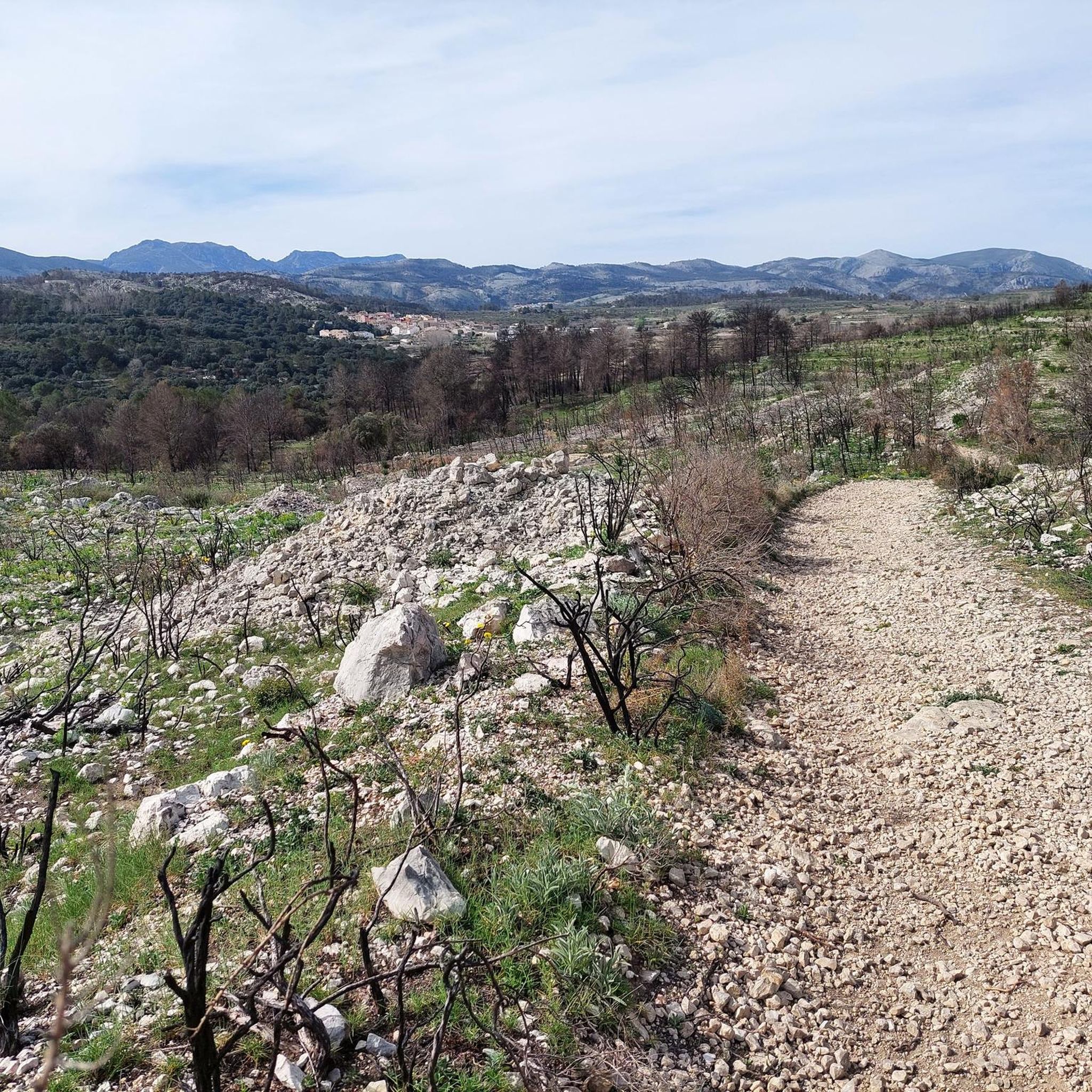
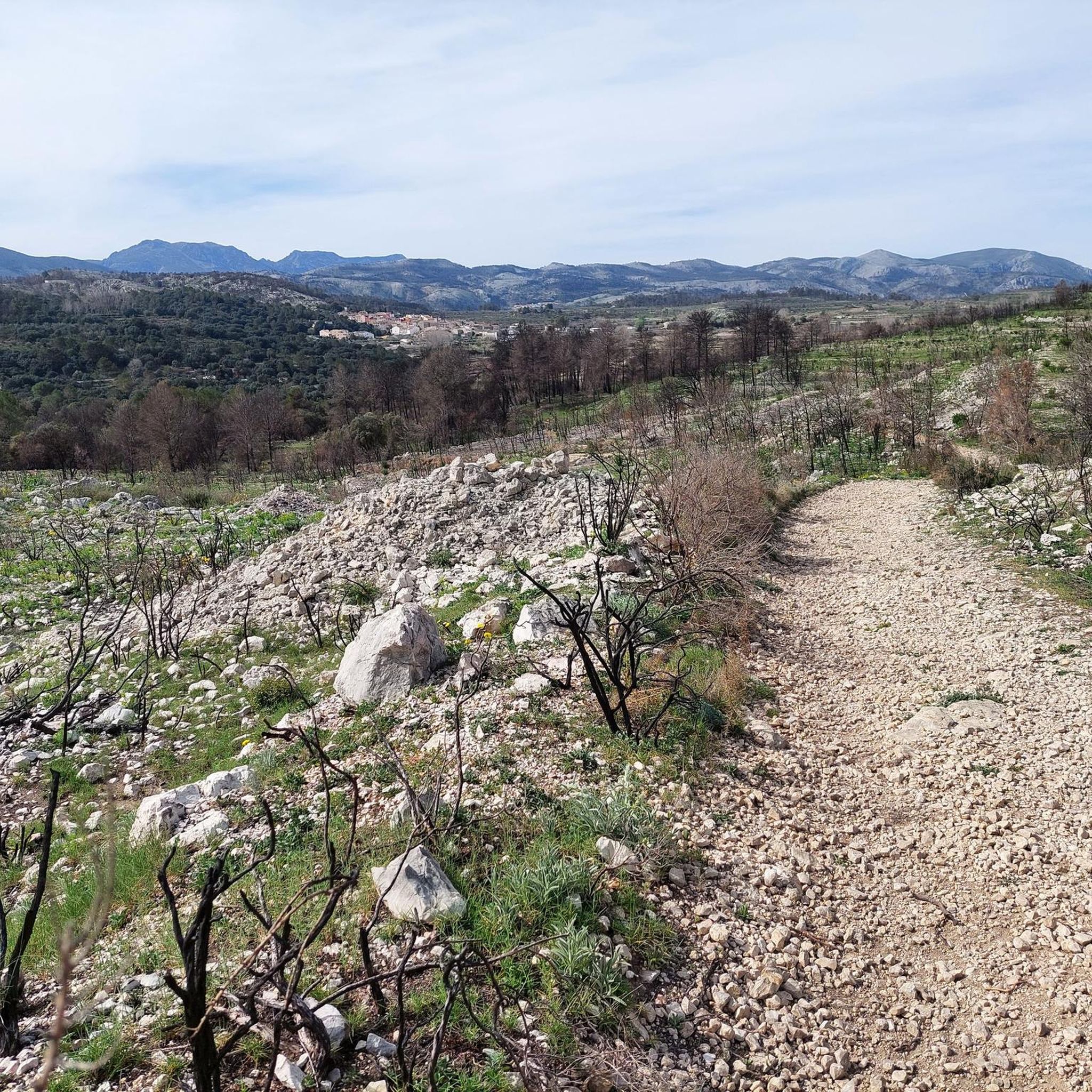
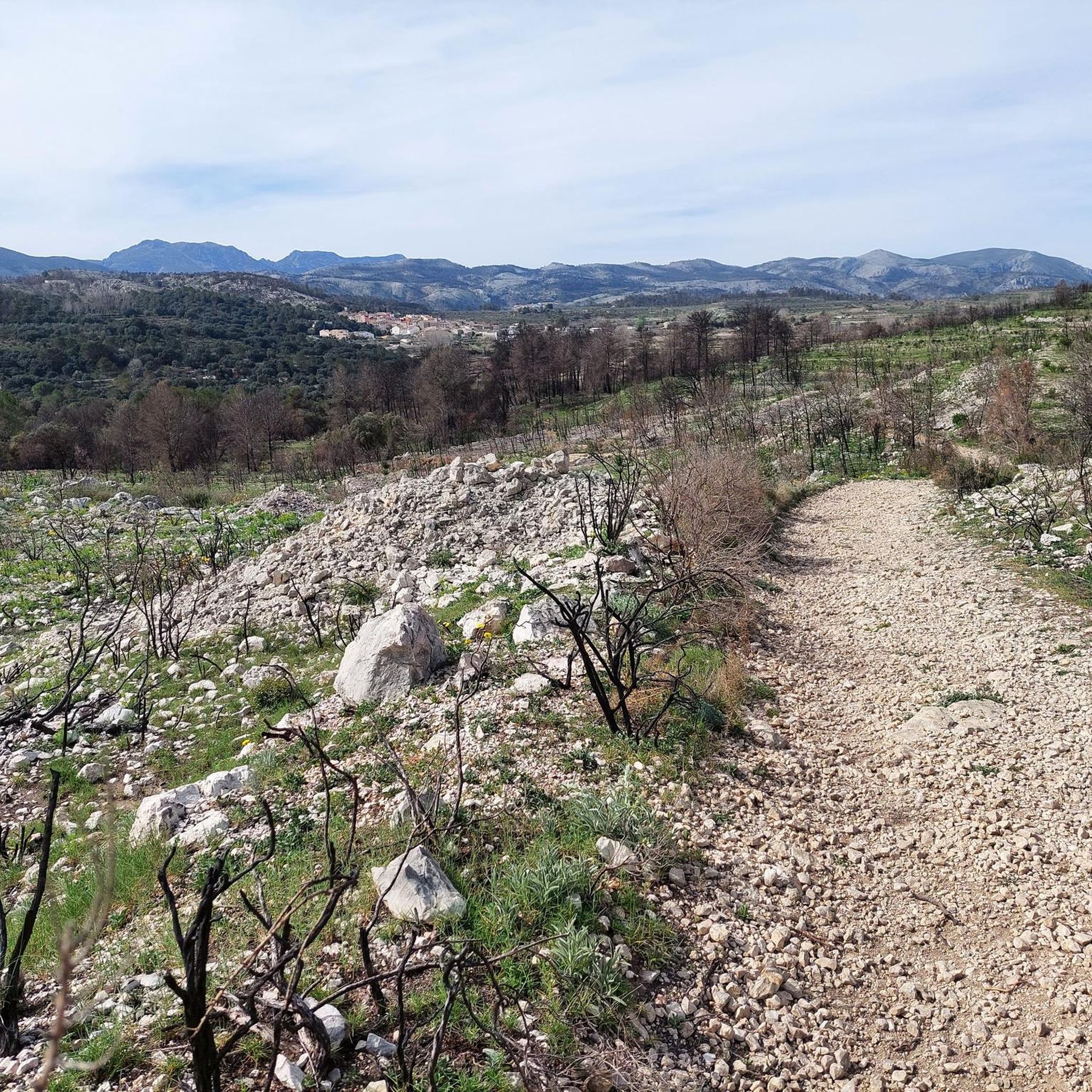
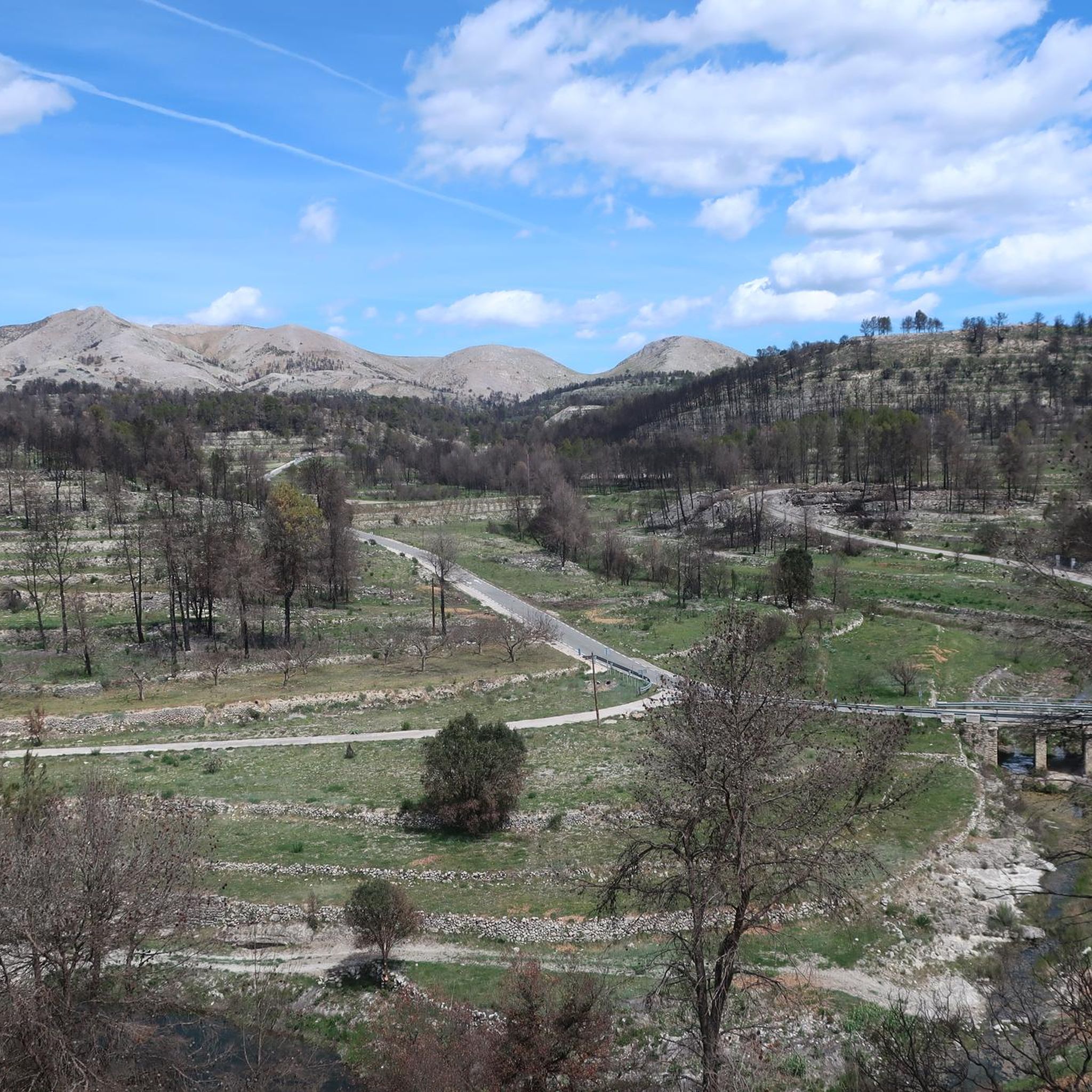


Tips from the Community

We took the stairs to the Barranc de l'Infern and, once at the bottom, hiked a bit further into the gorge. On the way back, we accidentally took the stairway on the other side of the river. So we arrived at the top, tired but satisfied, just as our water supply had run out. Then we realized we were wrong. The only option was to go back down into the gorge and then back up on the other side... without water or food. We were rather happy to find a natural spring at the top of the road at the end, where we could refresh our thirsty bodies... Fortunately, it all ended well!
0
0

Tough but with magnificent views. Relatively quiet road.
2
0

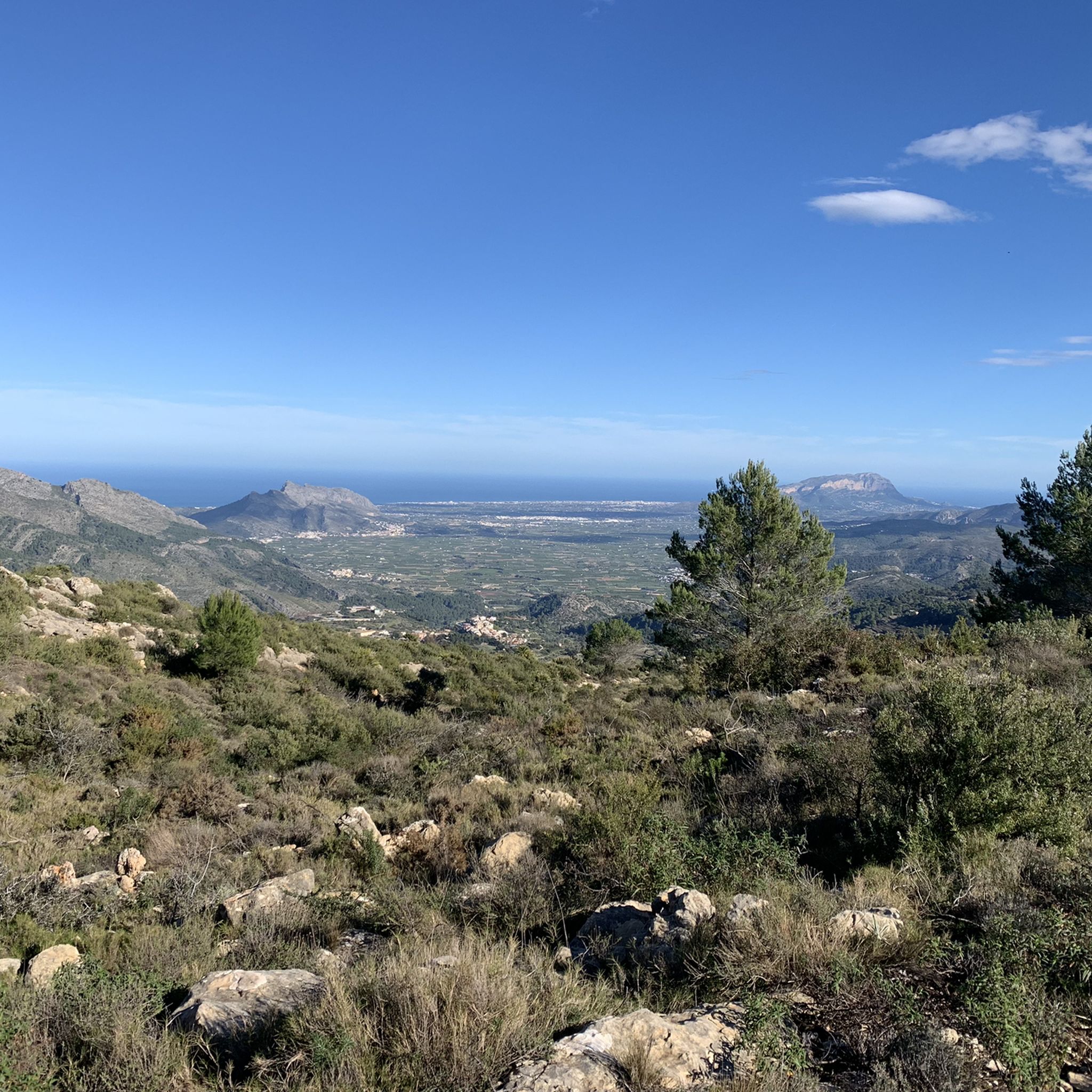
Just off the road between Sagra and Pego, the small turnoff toward Vall d’Ebo leads into one of the most beautiful and tranquil climbs in the Costa Blanca mountains. It may not be famous outside of cycling circles — but pros know it well: Tadej Pogačar holds the Strava KOM on this climb. From the Pego side, the ascent runs for about 8 km, gaining 400 metres at a steady average of 5%. The road is smooth, quiet, and beautifully engineered — with a flowing rhythm and wide, elegant curves. The landscape is peaceful and wild, with cliffs, pines, and far-reaching views. At the top, just before you descend into Vall d’Ebo, you’re rewarded with a spectacular view in both directions: looking back, the coastline and the Mediterranean Sea; looking ahead, the lush green valley of Vall d’Ebo, framed by rugged ridges and rocky outcrops. It’s a rare and stunning double panorama. If you continue past the village, you can create a magnificent loop via Pla de Petracos, riding through remote canyons and ancient rock formations before descending into Benigembla and back to the Vall de Pop. If you're riding from Vall d’Ebo toward Pego, the climb is shorter — about 3 km at 6% — but still very scenic, especially as you rise above the valley with dramatic views behind you. Vall d’Ebo may be quiet, but it’s world-class: pure road, total calm, and the kind of climb you’ll want to ride again and again.
3
1
Tucked away in the mountains between Tàrbena and Castell de Castells, the Puerto de Sa Creueta offers two distinct climbing experiences — and both are worth riding. From Tàrbena, the climb is friendly and scenic. You’ll face about 4 km of steady climbing at around 5%, followed by a rolling 3.5 km section with gentle ups and downs. Just before the top, a short final ramp kicks up sharply to around 12%, but overall this side is rhythmical and not too demanding. The road is wide, smooth and virtually traffic-free, ideal for a relaxed climb. Approaching via the Castell de Castells side, from Tollos or from Benigembla and the Vall de Pop, is a whole different story. After a relatively calm start, the climb hits hard with a 2 km stretch averaging around 10% — sustained, steep, and guaranteed to get your legs burning. This side is definitely more challenging, and a great test for climbers. No matter which direction you choose, you’ll be rewarded with expansive views over the valley near Tàrbena, the rugged peaks of the Marina mountains, and — on a clear day — even the Mediterranean Sea and the skyline of Altea shimmering in the distance. Puerto de Sa Creueta is a hidden gem: peaceful, beautiful and tougher than it looks, especially if you come at it from the inland side. Combine it with Coll de Rates for an unforgettable day in the heart of the Costa Blanca.
5
0
Tucked away in the mountains of the Marina Alta, Vall de Gallinera is one of the Costa Blanca’s most scenic and peaceful cycling routes. The name literally means “Valley of the Chickens” — 🐓🐔 — a nod to the valley’s Moorish past, when this fertile land was known for its farms and poultry. These days, the valley is all about cherries. In spring, the hills burst into bloom with white cherry blossoms — an incredible sight on two wheels. By May and June, the trees are full of ripe, sweet cherries, and local farmers sell them fresh from roadside stalls. 🍒 The route winds through eight tiny villages, like Benissili, Alpatró, and Benirrama, connected by quiet mountain roads with gentle gradients, flowing curves, and spectacular views.
1
0
The 7.5 km climb to Sa Creueta from the Tàrbena junction is a scenic and steady ascent with an average gradient of 3.5%, ideal as part of a longer route through the Costa Blanca mountains. Most of the climb is gentle, but the final 500 meters kick up steeply, with gradients well over 10% — a real sting in the tail! At the top, there’s no monument or sign — just a quiet mountain road and an incredible reward: panoramic views over the Mediterranean Sea, with Altea, Albir, and Benidorm visible on clear days. It’s one of those peaceful spots that feels like a secret. ⚠️ Be cautious on the descent toward Castell de Castells: several steep, narrow hairpin bends demand full attention. The road surface can be variable, so keep your speed in check and your line smooth.
2
0

BEAUTIFUL QUIET AREA WITHOUT LOUD TRAFFIC...QUIET AREA
1
1

Beautiful valley with little traffic
2
0
Frequently Asked Questions
What natural features can I explore in La Vall d'Alcalà?
La Vall d'Alcalà offers diverse natural features. You can explore the stunning Gallinera Valley, a gorge formed by eight towns, popular among hikers. The region is also known for its cherry tree landscapes, which are particularly beautiful in early spring. Additionally, the natural rock formation of Penya La Foradà is a notable spot for walks.
Are there historical sites or ancient ruins to visit in La Vall d'Alcalà?
Yes, La Vall d'Alcalà is rich in history. You can visit the ruins of La Vall d'Alcalà Castle in Alcalà de la Jovada. The region is also dotted with well-preserved Moorish settlements, such as L'Atzuvieta near Alcalà de la Jovada, and La Queirola in Beniaia. Don't miss the historical Ice Houses (Neveras de Baix and de Dalt), ancient structures used for snow preservation.
What hiking opportunities are available near La Vall d'Alcalà attractions?
The area around La Vall d'Alcalà is excellent for hiking. You can find trails exploring Moorish ruins, like the 'Morisco Ruins of L’Atzuvieta – Penya Foradà loop from Alcalà de la Jovada'. Other options include the 'Plaça d'Al-Azraq – Nevera de Baix Ice House loop from Alcalà de la Jovada'. For more hiking options, explore the Hiking around La Vall D'Alcalà guide.
Can I find challenging cycling routes in the La Vall d'Alcalà area?
Absolutely. The region is known for its mountain passes that attract cyclists. The Vall d'Ebo Pass offers an 8 km climb with an average gradient of 5-6%. Another challenging option is Sa Creueta Pass (780 m), especially when approached from the Castell de Castells side, which features a 2 km stretch averaging around 10%.
What is the best time to visit La Vall d'Alcalà for scenic views?
For breathtaking scenic views, especially of the cherry blossoms, the best time to visit La Vall d'Alcalà is in early spring and late winter when the valley transforms with blooming cherry trees. The mountain passes also offer sweeping views of the hinterland and rugged peaks year-round, weather permitting.
Are there any significant archaeological sites in La Vall d'Alcalà?
Yes, La Vall d'Alcalà has a rich archaeological history. Sites like Barranquet de Beniaia and Tossal de la Roca hold significant remains from the Paleolithic and Bronze Age. Cave paintings have been found in the shelters of Condoig and Barranc de la Gleda, and the Abric del Tossal de la Roca is an important prehistoric site in the Valencian Community.
What kind of mountain biking or gravel biking can I do near these attractions?
For gravel biking enthusiasts, there are several routes available. You can explore loops like the 'Serpis River – Azud del Infierno or del Forn loop' which can be started from various points such as L'Udol Reprimala, Beniarrés, or Planes. For more options, check out the Gravel biking around La Vall D'Alcalà guide.
Can I visit traditional villages in La Vall d'Alcalà?
Yes, the valley is home to the traditional villages of Alcalà de la Jovada and Beniaia. These villages offer peaceful streets and a glimpse into traditional inland life. Both feature parish churches dedicated to La Purísima Concepción, which are considered essential visits.
What do visitors enjoy most about the mountain passes in La Vall d'Alcalà?
Visitors particularly enjoy the challenging climbs and the rewarding panoramic views from the mountain passes. For instance, the Sa Creueta Pass (780 m) is praised for its sweeping views of the hinterland and the rugged peaks of the Marina mountains, and on clear days, even the Mediterranean Sea. The smooth, traffic-free roads are also a highlight for cyclists.
Are there any unique natural formations or waterfalls to see?
Yes, the Forat de la Juvea is a unique natural hole that provides a spectacular entrance into the environmental space of the Girona River. During the rainy season, it features a thirty-meter waterfall, which is also used for canyoning.
What is the historical significance of Al-Azraq in La Vall d'Alcalà?
La Vall d'Alcalà is historically significant as the birthplace of Al-Azraq, a Moorish commander who led resistance against King James I of Aragon in the 13th century. The valley was a key stage for Andalusi resistance, and the 'Tractat del Pouet' (Treaty of the little well) was signed here in 1245, marking a crucial moment in the region's history.
Are there any easy walking routes suitable for beginners?
While some routes can be challenging, there are options for moderate walks. For example, the 'Benimaurell Washhouse – Coll de Garga loop from la Vall de Laguar' is a moderate mountain hike. For more detailed information on difficulty and distance, you can explore the Mountain Hikes around La Vall D'Alcalà guide.
Most popular routes around La Vall D'Alcalà
Most popular attractions around La Vall D'Alcalà

Get inspired with the komoot mobile app


Explore more
Still not found the Highlight you’re looking for? See guides of the top attractions in other regions:
