Attractions and Places To See around Budia - Top 20
Best attractions and places to see around Budia are found in this tranquil municipality in Guadalajara, Castile-La Mancha, Spain. Situated in a hollow, Budia is characterized by its well-preserved heritage and natural surroundings, including the nearby Entrepeñas Reservoir. The area offers a blend of historical sites, cultural points of interest, and natural features, making it a destination for exploration.
Best attractions and places to see around Budia
- The most popular attractions is Brihuega, a settlement known for its medieval…
Last updated: July 7, 2026
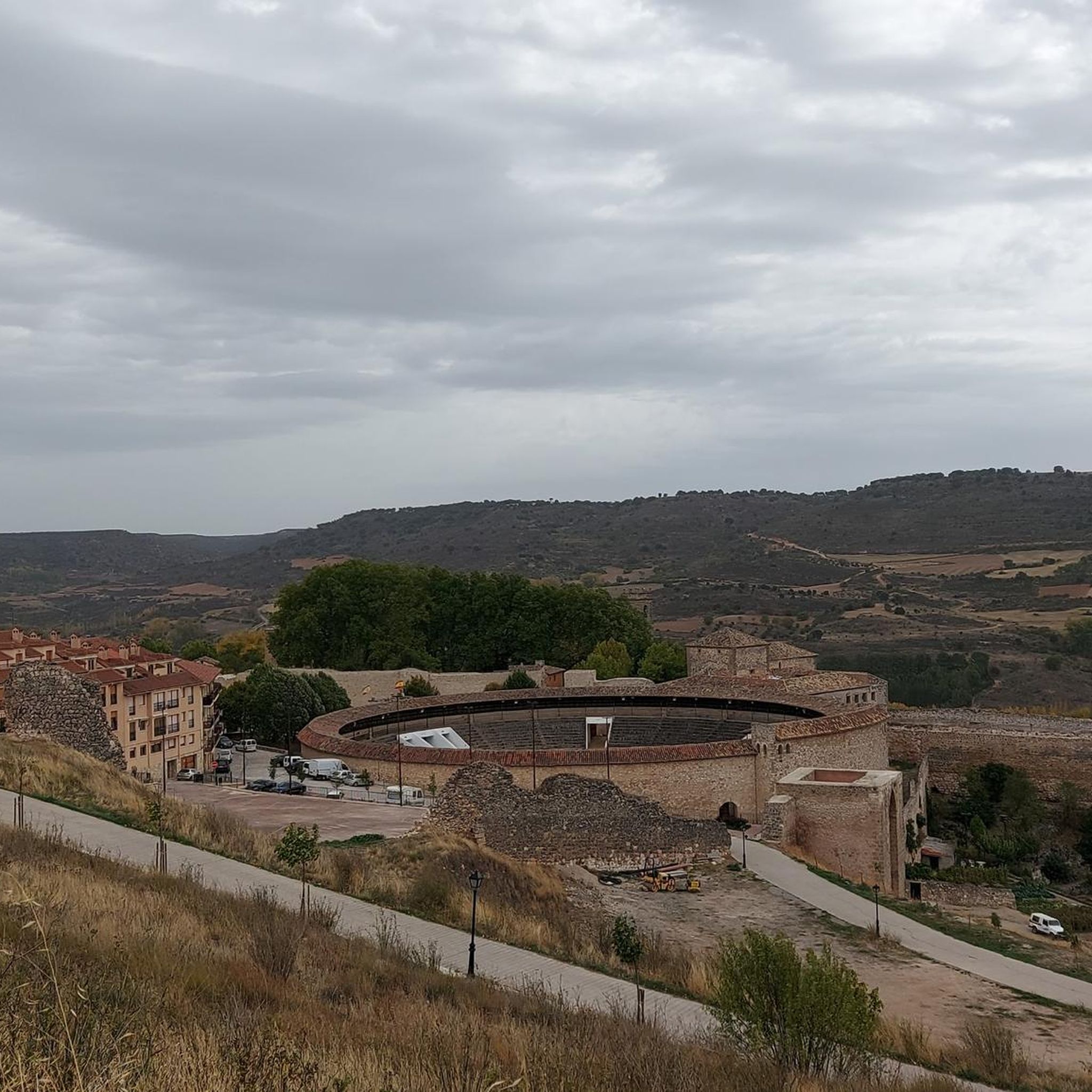
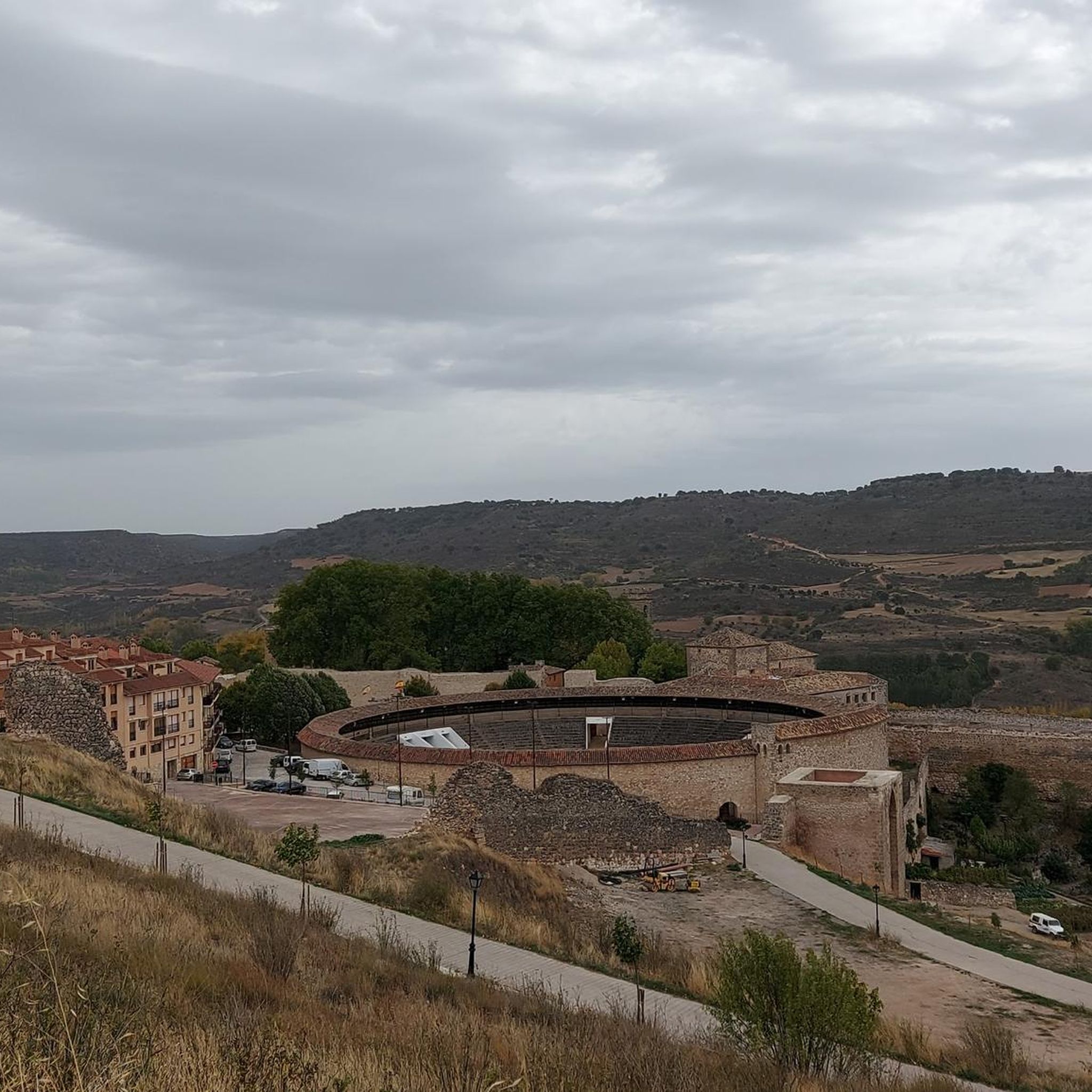
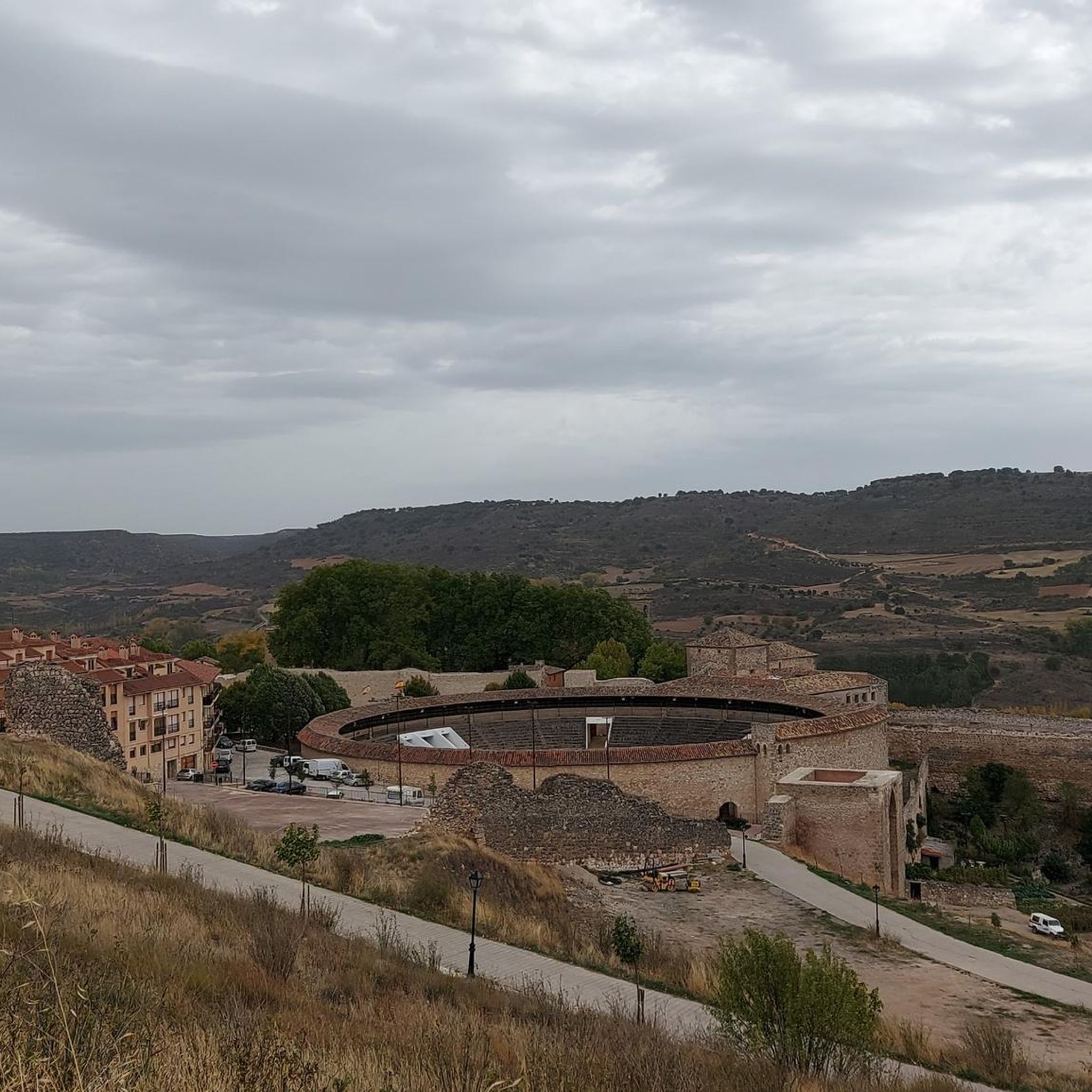
Brihuega
Highlight • Settlement
Translated by Google •
Tip by

Sanctuary of the Virgen del Madroñal
Highlight • Religious Site
Translated by Google •
Tip by

Sign up now to discover places like this
Get recommendations on the best single tracks, peaks, & plenty of other exciting outdoor places.
Sign up for free
Lavender fields of Brihuega
Highlight • Natural
Translated by Google •
Tip by

Cívica Rock Dwellings and Waterfall
Highlight • Structure
Translated by Google •
Tip by
Church of the Assumption of El Olivar
Highlight • Religious Site
Translated by Google •
Tip by
Sign up for free to discover even more attractions around Budia.
Sign up for free
Already have an account?
Start today with a free account
Your next adventure awaits.
Login or Signup

Tips from the Community

A place of rest, meditation and tranquility. With very special views of the Tajo River and its Entrepeñas Reservoir.
0
1
It is a unique, curious, extraordinary, beautiful, nice, very special place.
0
0

There are amazing places in Guadalajara even for the people of this land. This route (Route SPG-47) takes you to one of those places, the Hermitage of the Virgen del Madroñal, a mystical environment with a privileged location on the waters of the Entrepeñas Reservoir.
5
0
The town sits on the right bank of the Tagus River and belongs to the Comarca de la Alcarria. In the background we have the beautiful Entrepeñas reservoir that gives it some unique places. This land is rich in the production of oil and in its center the Plaza Mayor and the church of La Asunción stand out.
4
0
The district of Cívica belongs to the Brihuega City Council in the province of Guadalajara, it is located on the CM-2011 road between Brihuega and Masegoso de Tajuña. It is within the Tajuña River Valley. It is a small group of half-ruined houses in which the Siete Caños Fountain stands out and a beautiful house built in the sixties of the 20th century by the priest of the town of Valderrebollo.
3
0

The town sits on the right bank of the Tagus River and belongs to the Comarca de la Alcarria. In the background we have the beautiful Entrepeñas reservoir that gives it some unique places. This land is rich in the production of oil and in its center the Plaza Mayor and the church of La Asunción stand out.
2
0
Although the origins of the abandoned city of Cívica are not clear, it is an excavation in the karstic rock. A facade formed by doors, arches and balustrade. It is a single construction, whose interior is quite deteriorated. It is accessed by various stairs.
1
0
This religious sanctuary is located in a privileged location over the waters of the Entrepeñas reservoir.
1
0
Frequently Asked Questions
What are some unique historical sites to explore in Budia?
Budia offers a rich historical tapestry. You can visit the 16th-century Parish Church of Santiago Apóstol, known for its Covarrubias doorway. Explore the town's streets to see imposing old manor houses with family crests. The local tourist office even houses the cell where Nobel laureate Camilo José Cela was once detained. Additionally, the area features remains of ancient hermitages like Santa Lucia and Nuestra Señora de Dulzura, and the town hall with its prominent clock tower.
What natural features can I discover around Budia?
Budia is surrounded by natural beauty. The town itself is known for its Route of Fountains, reflecting its name's origin from 'well'. The nearby Entrepeñas Reservoir offers unique landscapes, as Budia is nestled on the right bank of the Tajo river. For panoramic views, ascend the twin hills of Tetas de Viana and Cerro del Medio Mundo. You can also visit the Sanctuary of the Virgen del Madroñal, which overlooks the reservoir in a mystical setting.
Are there any notable cultural experiences in Budia?
Beyond its historical buildings, Budia offers cultural insights. The anecdote of Camilo José Cela's detention cell at the tourist office is a unique literary point of interest. You can also visit the Museum APIBudia to learn more about the local heritage. The town's well-maintained streets and preserved heritage reflect the care of its inhabitants, offering a glimpse into traditional Castilian life.
What is the best time of year to visit Budia for outdoor activities?
The month of July is particularly special for visiting the region, as the Lavender fields of Brihuega are in full bloom, offering a spectacular visual and aromatic experience. Generally, spring and early autumn provide pleasant weather for hiking and exploring the natural surroundings.
Are there hiking trails available near Budia's attractions?
Yes, there are several hiking opportunities around Budia. You can explore trails like the 'El Garduño de Cela Trail' or a circular route through the lavender fields of Brihuega. For more options, including routes around the Entrepeñas Reservoir, you can find detailed information on the Hiking around Budia guide.
Can I find cycling routes around Budia?
Absolutely. The area around Budia is suitable for cycling, with routes like the 'Entrepeñas Reservoir Dam – View of Alocén loop' or the 'Brihuega – Lavender fields of Brihuega loop'. These routes offer diverse landscapes, from reservoir views to fragrant fields. Discover more cycling options on the Cycling around Budia guide.
What activities can I do at the Entrepeñas Reservoir?
The Entrepeñas Reservoir, a significant natural feature near Budia, offers unique landscapes and opportunities for outdoor activities. While specific activities like swimming or boating are not detailed, the reservoir's scenic beauty makes it ideal for walks along its shores, photography, and enjoying tranquil views, especially from viewpoints like the Sanctuary of the Virgen del Madroñal.
Are there family-friendly attractions around Budia?
Yes, the region offers attractions suitable for families. The settlement of Brihuega, with its medieval charm, castle, and route of twelve fountains, can be an engaging visit for all ages. The Lavender fields of Brihuega, especially during their July bloom, provide a beautiful and sensory experience that families can enjoy together.
What do visitors enjoy most about the attractions near Budia?
Visitors particularly appreciate the medieval image and historical sites of Brihuega, often referred to as the 'Garden of the Alcarria'. The stunning views and tranquil atmosphere at the Sanctuary of the Virgen del Madroñal are also highly valued. Many are captivated by the vast, colorful, and aromatic Lavender fields of Brihuega during their blooming season.
Can I find unique geological formations or natural monuments in the area?
Yes, the area features interesting natural formations. The Tetas de Viana and Cerro del Medio Mundo are prominent twin hills offering natural viewpoints. Additionally, you can explore the Cívica Rock Dwellings and Waterfall, a unique excavation in karstic rock with a distinctive facade and interior, located near Brihuega.
Are there any religious buildings of note in the Budia area?
Beyond the main Parish Church of Santiago Apóstol in Budia, the region is home to other significant religious sites. The Sanctuary of the Virgen del Madroñal is a beautiful hermitage overlooking the Entrepeñas Reservoir. You can also find the Church of the Assumption of El Olivar, located in a town on the right bank of the Tagus River, known for its historical significance.
What is the significance of the 'Route of Fountains' in Budia?
The 'Route of Fountains' highlights Budia's historical connection to water. The town's name, 'Budia,' is believed to derive from the Latin 'Peteus,' meaning 'well,' reflecting the abundance of water sources. Exploring this route allows visitors to discover numerous fountains scattered around the village, showcasing a vital aspect of its heritage and natural resources.
Most popular attractions around Budia

Get inspired with the komoot mobile app


Explore more
Still not found the Highlight you’re looking for? See guides of the top attractions in other regions:
