The best walks and hikes around Sant Martí De Riucorb
4.5
(29)
144
hikers
34
hikes
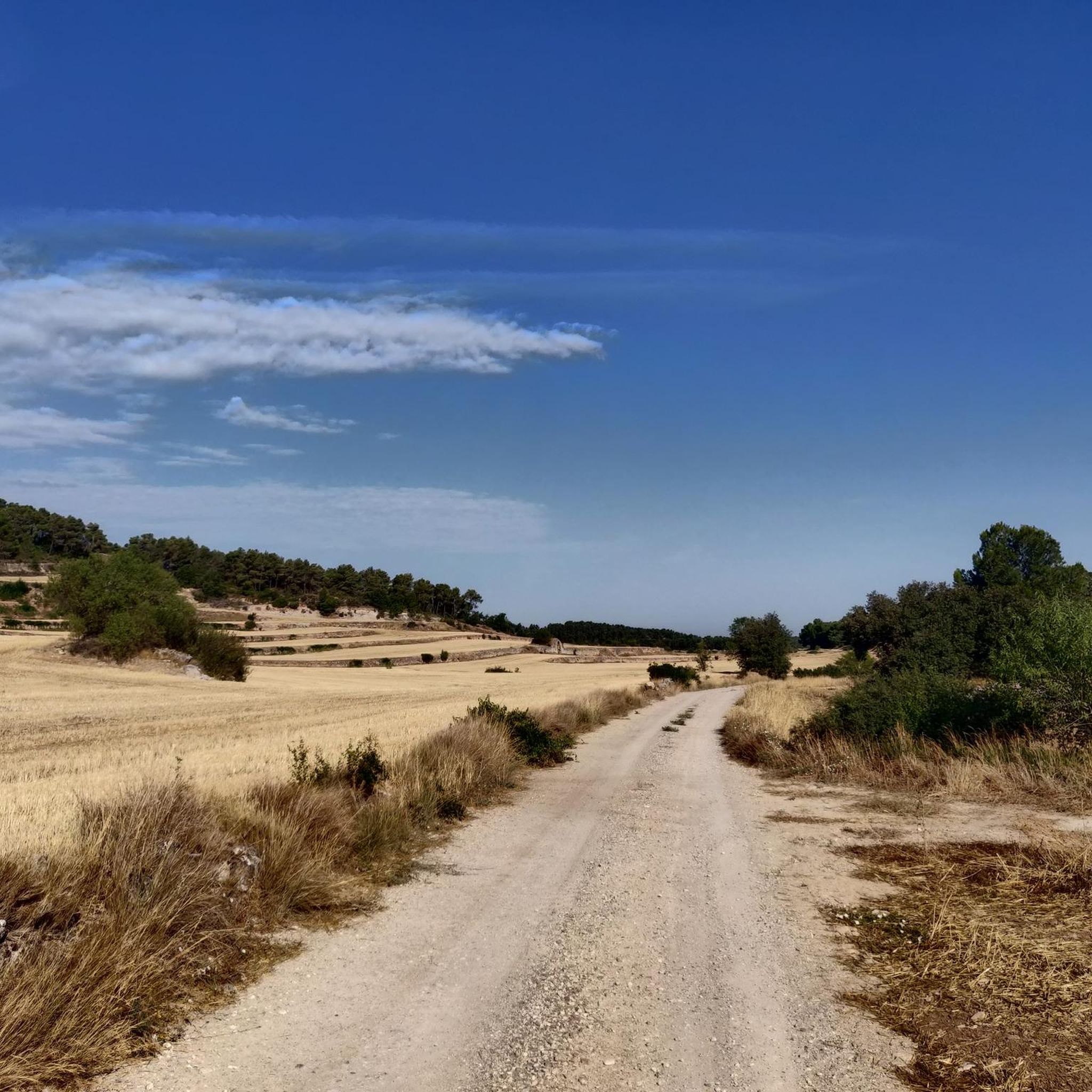
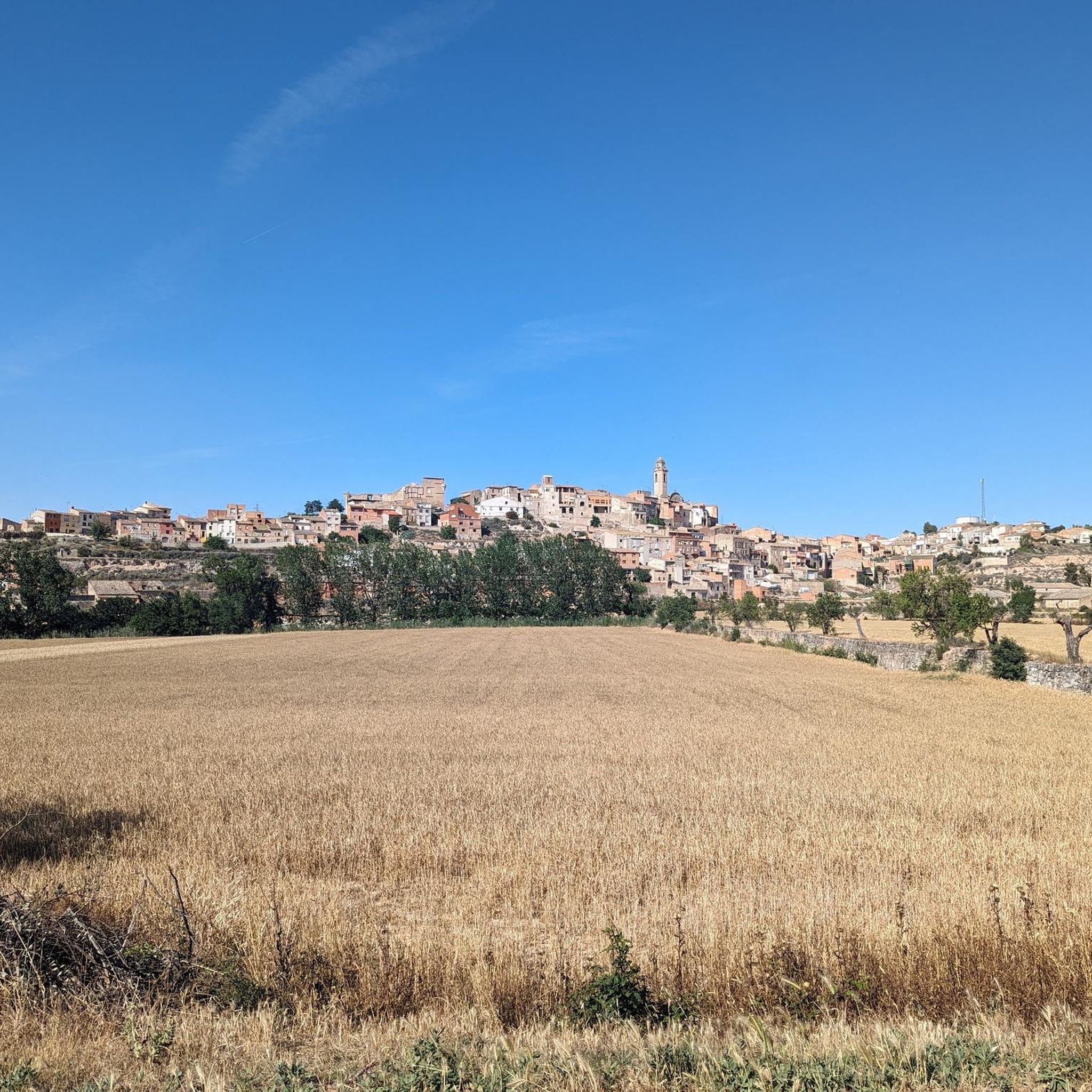
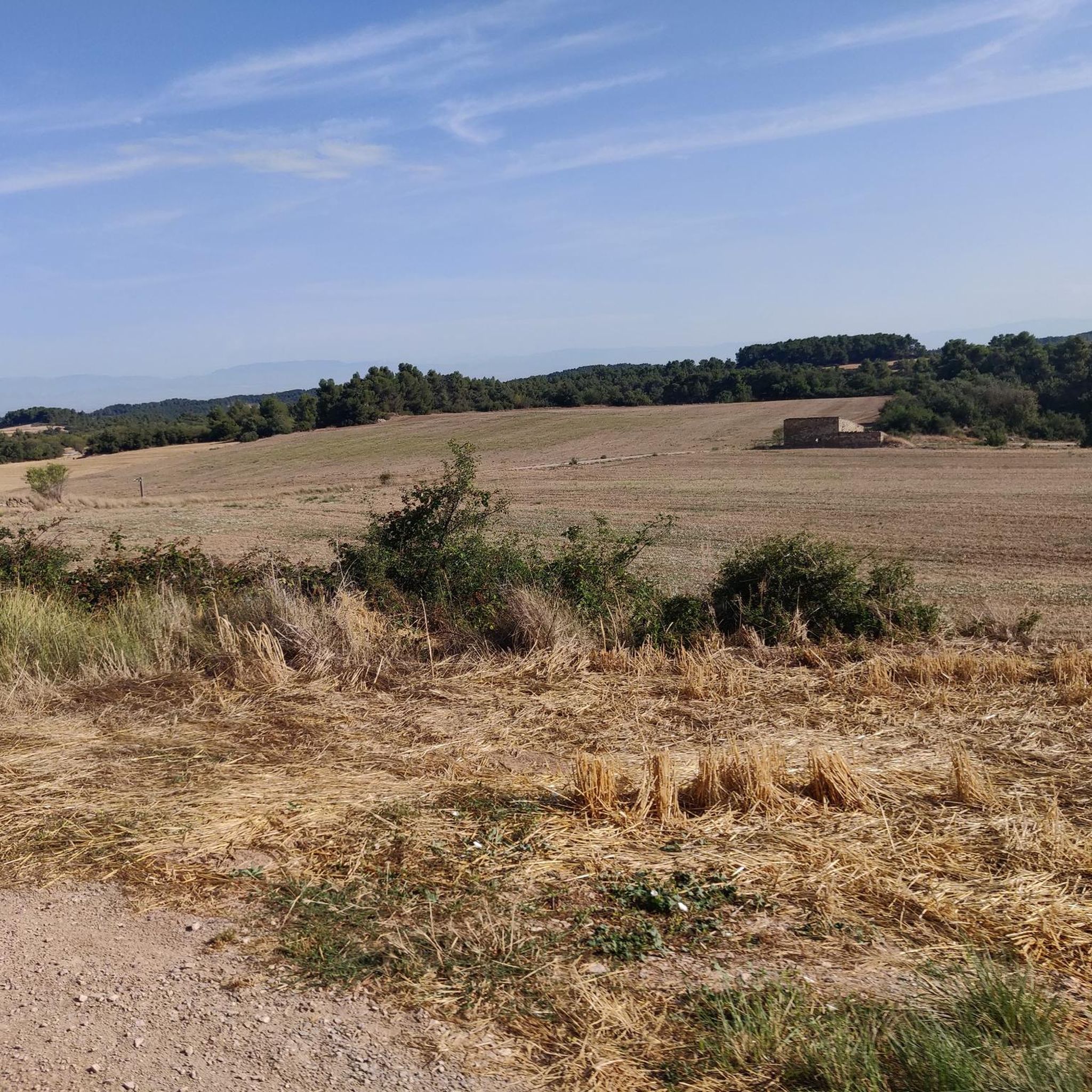
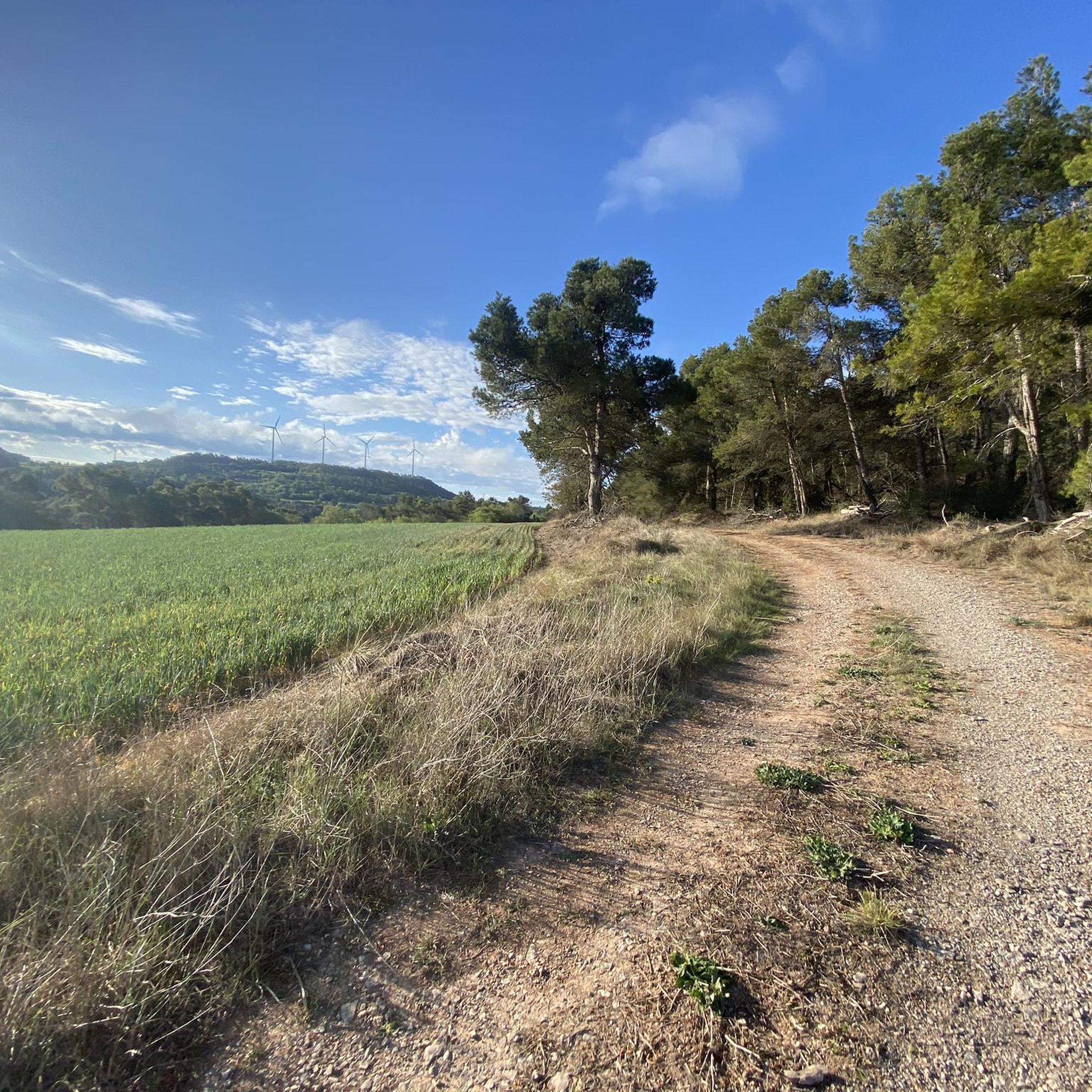
Hiking around Sant Martí De Riucorb offers exploration through a landscape characterized by the Corb River valley, extensive agricultural fields of cereals, olive trees, vineyards, and almond trees. The area includes hilly terrain and portions of the Secans de Belianes-Preixana Protected Natural Space, providing varied environments for outdoor activities. Medieval villages and historical elements like ancient castles and Romanesque chapels are integrated into the natural setting.
Best hiking trails around Sant Martí De Riucorb
- The most popular hiking route is…
Last updated: June 29, 2026
5.0
(3)
2
hikers
15.7km
04:15
210m
210m
Moderate hike. Good fitness required. Easily-accessible paths. Suitable for all skill levels.
4.4
(5)
24
hikers
6.67km
01:55
160m
160m
Easy hike. Great for any fitness level. Easily-accessible paths. Suitable for all skill levels.

Sign up for free
4.5
(2)
14
hikers
9.51km
02:43
230m
220m
Moderate hike. Good fitness required. Easily-accessible paths. Suitable for all skill levels.
5.0
(1)
11
hikers
10.5km
03:02
260m
260m
Moderate hike. Good fitness required. Easily-accessible paths. Suitable for all skill levels.
5.0
(1)
8
hikers
16.3km
04:43
430m
430m
Moderate hike. Good fitness required. Easily-accessible paths. Suitable for all skill levels.
Get access to more routes and recommendations from other explorers.
Sign up for free
Already have an account?
Our route recommendations are based on thousands of hikes, rides, and runs completed by other people on komoot.
Start today with a free account
Your next adventure awaits.
Login or Signup
Tips from the Community

Along with the monasteries of Poblet and Santes Creus, this is one of the three pearls of Gothic architecture in Catalonia. You won't be disappointed.
0
0


Beautiful medieval monastery from the Cistercian era, still inhabited by nuns.
0
0

The monastery of Santa María de Vallbona is a female Cistercian abbey founded in the 11th century and built in a mixture of Romanesque and Gothic styles. Together with the Poblet and Santes Creus monasteries, it forms the Cistercian Route.
0
0

Rocallaura is a small nucleus of the Sierra del Tallat. It forms part of the municipal term of Vallbona de les Monges, in the Urgell region. The village belonged to the abbesses of Santa Maria de Vallbona, and has a church dedicated to Sant Llorenç. A castle was also erected, now totally gone.
0
0
Belonging to the district of Vallbona de les Monges, Montblanquet is a small town in the Sierra del Tallat, on the border between the counties of Conca de Barberà and El Urgell. Among its heritage stands out the church of Sant Andreu de Montblanquet, from the 13th century, with a single nave and Cistercian inspiration. The old washrooms, the communal oven and a couple of fountains are also preserved. In the Plaza Mayor there is a stamp for the Ruta del Cister (a cupboard inside which there is a stamp for the route).
0
0
The Tallat sanctuary appears in records as early as the 11th century, where a defense tower was located that took advantage of the magnificent views over the l'Urgell, Sagarra and Conca de Barberà regions. In the middle of the 14th century, a church was established as a result of the popular initiative of the residents of Rocallaura, and in 1475 it is said that a wooden carving of a Virgin Mary appeared to a shepherd. Legend has it that despite repeated attempts to move the carving, it returned to the place where the sanctuary is now, so they decided to leave it here. Then began a period of splendor for the sanctuary, with numerous reforms during the 15th and 16th centuries, some promoted by Fernando el Católico himself, who is said to have spent the night with Queen Isabella la Católica in 1493. By order of the king, it became in the priory of nearby Poblet, and a group of monks from the Cistercian order settled there. With the confiscation of Mendizabal in the first half of the 19th century, the monks abandoned the priory, and after the subsequent looting and destruction of the enclosure, the sanctuary remained abandoned until 1970 when a private association acquired the remains and took charge of their restoration and custody.
1
0
The monastery of Santa María de Vallbona is the most important female Cistercian monastery in Catalonia. It has maintained its monastic activity uninterruptedly for more than 800 years. Its beginnings, at the beginning of the 12th century, were as a mixed group of hermits who followed the Rule of Sant Benet, later converted into monastics, under the pastoral staff of its founder, Ramón de Vallbona. In 1175 the monks moved to Montsant, leaving the female monastic community in Vallbona, which joined the Cistercian order. The monastery is made up of the temple, presided over by the Mare de Déu del cor, in the usual sober and slightly ornamented style of the order, and by the trapezoidal-shaped cloister, and the other dependencies (chapter house, the archive and the old pharmacy).
1
0
Frequently Asked Questions
How many hiking trails are available in Sant Martí De Riucorb?
There are over 30 hiking routes in Sant Martí De Riucorb, offering a variety of experiences. These include 8 easy trails, 24 moderate routes, and 2 more challenging options, ensuring something for every hiker.
What kind of terrain can I expect on hikes in Sant Martí De Riucorb?
The terrain in Sant Martí De Riucorb is diverse, characterized by the Corb River valley, extensive agricultural fields of cereals, olive trees, vineyards, and almond trees. You'll also encounter hilly sections, particularly around the medieval villages, and parts of the Secans de Belianes-Preixana Protected Natural Space.
Are there easy hiking options suitable for beginners or families?
Yes, Sant Martí De Riucorb offers several easy hiking options perfect for beginners or families. For example, the Hiking loop from Vallbona de les Monges is an easy 4.1-mile (6.5 km) path that provides pleasant views of the Corb River valley and cultivated lands.
What natural features define the hiking experience in Sant Martí De Riucorb?
The hiking experience is largely defined by the serene Corb River valley, the picturesque mosaic of agricultural fields (cereals, olive, almond, and vineyards), and the gently rolling, hilly terrain. A significant portion of the municipality also extends into the Secans de Belianes-Preixana Protected Natural Space, offering opportunities to observe local wildlife.
Are there any historical landmarks or villages to explore on the trails?
Absolutely. The area is rich in history. You can explore medieval villages like Sant Martí de Maldà, Rocafort de Vallbona, Llorenç de Rocafort, and Vilet, with their stone houses and ancient streets. Remnants of castles, such as the Castillo de Maldà, Romanesque chapels, and boundary crosses add significant historical interest to many routes.
Can I find any waterfalls while hiking in the area?
Yes, there is a notable waterfall nearby. The Salt del Duran Waterfall is an attraction you can visit, offering a refreshing natural highlight in the region.
Are the hiking trails in Sant Martí De Riucorb suitable for dogs?
Many trails in Sant Martí De Riucorb are suitable for dogs, especially those traversing agricultural lands and rural paths. However, it's always recommended to keep dogs on a leash, particularly when passing through cultivated areas or near livestock, and to respect local regulations.
Are there circular hiking routes available?
Yes, circular routes are a popular way to explore the area. A great example is La Baronia de Maldà — Circular Route PR-C 57, a moderate 9.8-mile (15.7 km) trail that takes you through agricultural landscapes and past historical villages.
What are the parking options for trailheads?
Parking is generally available in or near the villages that serve as starting points for many trails, such as Sant Martí de Maldà or Montblanquet. As the area is rural, roadside parking or small village car parks are common. Specific parking details can often be found on individual route pages.
What do other hikers enjoy most about the trails in Sant Martí De Riucorb?
The trails in Sant Martí De Riucorb are highly rated by the komoot community, with an average score of 4.6 stars from 18 reviews. Hikers often praise the peaceful rural atmosphere, the picturesque agricultural landscapes, and the charm of the medieval villages encountered along the routes.
What is the best time of year to hike in Sant Martí De Riucorb?
Spring and autumn are generally the best times for hiking in Sant Martí De Riucorb. During these seasons, the weather is mild and pleasant, and the landscape is particularly beautiful, with blooming fields in spring and vibrant colors in autumn. Summers can be hot, while winters are cooler but often still suitable for walking.
Where can I find places to eat or stay near the hiking routes?
The small villages within Sant Martí De Riucorb, such as Sant Martí de Maldà, Rocafort de Vallbona, and Llorenç de Rocafort, offer local establishments where you might find traditional Catalan cuisine or rural accommodation options. For a wider selection, nearby larger towns would be a good option.
Are there any castles I can visit while hiking?
Yes, the region has several historical castles. You can visit the Castillo de Maldà, or explore other nearby castles like Arbeca Castle, Bellpuig Castle, and Verdú Castle, which are all within reach and add a historical dimension to your outdoor adventure.
Most popular routes around Sant Martí De Riucorb
Most popular attractions around Sant Martí De Riucorb

Get inspired with the komoot mobile app


Explore more
Browse the best Hikes in other regions.
