Attractions and Places To See around Sant Quintí De Mediona - Top 20
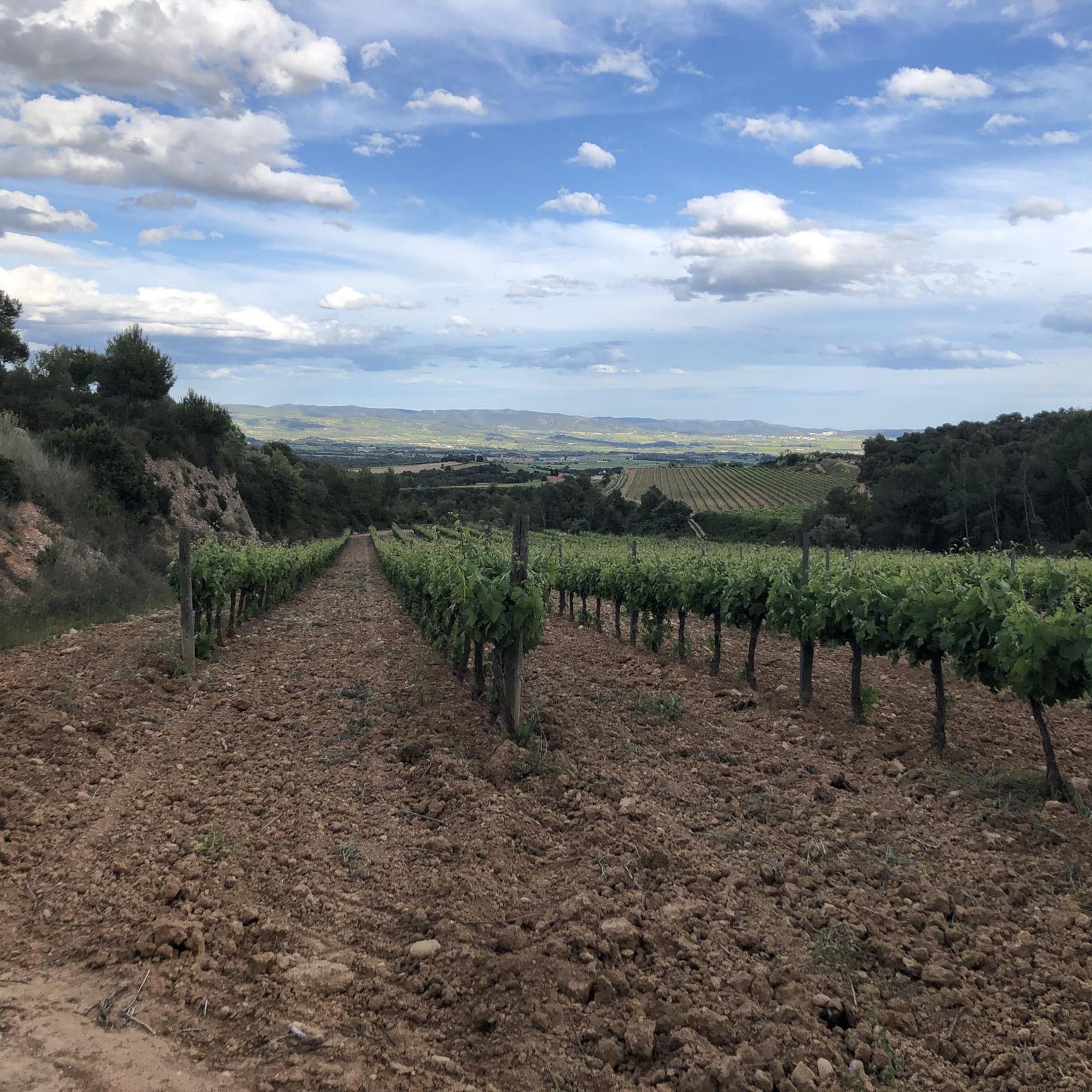
Best attractions and places to see around Sant Quintí De Mediona include a blend of historical landmarks and natural features. Nestled in the Alt Penedès region, the area is characterized by its extensive vineyards, olive groves, and the Mediona River. Visitors can explore medieval architecture and unique natural spaces formed by ancient gypsum extraction. The landscape offers a mosaic of agricultural and forested areas, providing diverse points of interest.
Best attractions and places to see around Sant Quintí De Mediona
- The most popular attractions is Miravinya Balcó del Penedès, a viewpoint that offers a panoramic view of the Penedès Plain from the Serra del Bolet. It is one of five Miravinya viewpoints in the Alt Penedès.
- Another must-see spot is Gran Pèlag of Vilobí del Penedès, a lake and natural monument. This unique natural space is formed by four lagoons resulting from gypsum extraction, creating a distinct microecosystem.
- Visitors also love Monastery of Saint Sebastian of the Gorgs, a Romanesque monastery founded in 1030. It is known for its restored cloister and bell tower, preserving its original appearance.
- Sant Quintí De Mediona is known for its historical sites, natural features like springs and rivers, and cultural traditions. The area offers a variety of attractions to see and explore, from ancient castles to unique geological formations.
- The attractions around Sant Quintí De Mediona are appreciated by the komoot community, with 4 highlights, 19 photos, and 42 upvotes.
Last updated: July 6, 2026
Monastery of San Sebastián de los Gorgs
Highlight • Religious Site
Showing Translation
Tip by

Gran Pèlag of Vilobí del Penedès
Highlight • Lake
Translated by Google •
Tip by

Sign up now to discover places like this
Get recommendations on the best single tracks, peaks, & plenty of other exciting outdoor places.
Sign up for free
L'Avellà
Highlight • Settlement
Among these constructions, the Villa Josefa Formosa stands out, a building with a square floor plan and covered with an Arab tile pavilion built in 1902. It is currently renovated and works as a wine tasting room for the Heretat Mont-Rubí winery, which is based in the same locality.
Another singular house is Can Gol, a farmhouse built at the beginning of the 20th century that stands out for its noucentista style, especially for the use in all the openings of its façade of blue tile frames, alternating designs of white and blue squares and a border of blue rhombuses. . The frontal figure of Sant Jordi and the dragon stands out, also made from a tile mosaic.
Translated by Google •
Tip by
Hermitage of Sant Joan de Lledó
Highlight • Religious Site
Translated by Google •
Tip by
Sant Martí Sarroca Castle and Church Complex
Highlight • Castle
Translated by Google •
Tip by

Sign up for free to discover even more attractions around Sant Quintí De Mediona.
Sign up for free
Already have an account?
Start today with a free account
Your next adventure awaits.
Login or Signup

Tips from the Community


The path is very easy and pleasant.
0
0

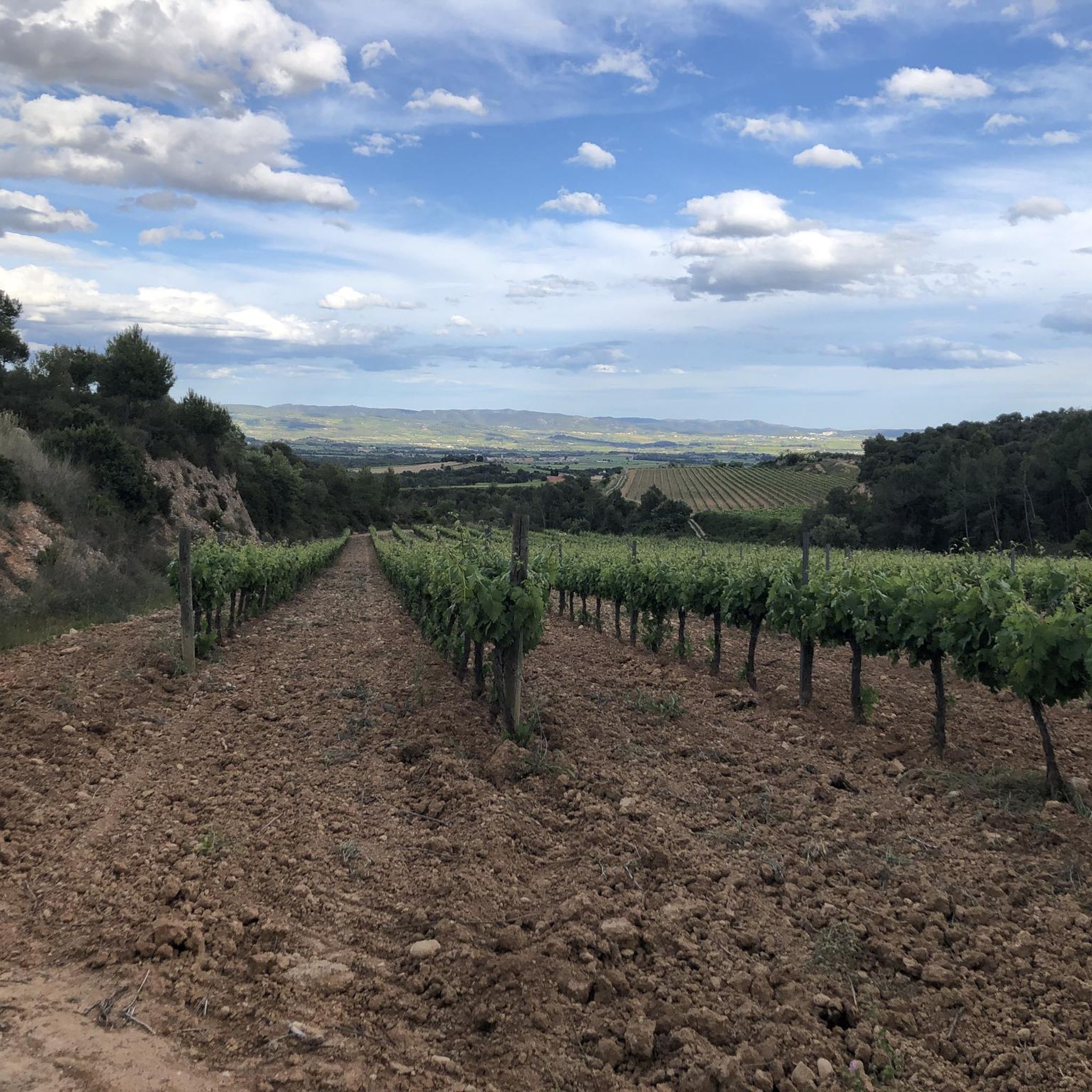
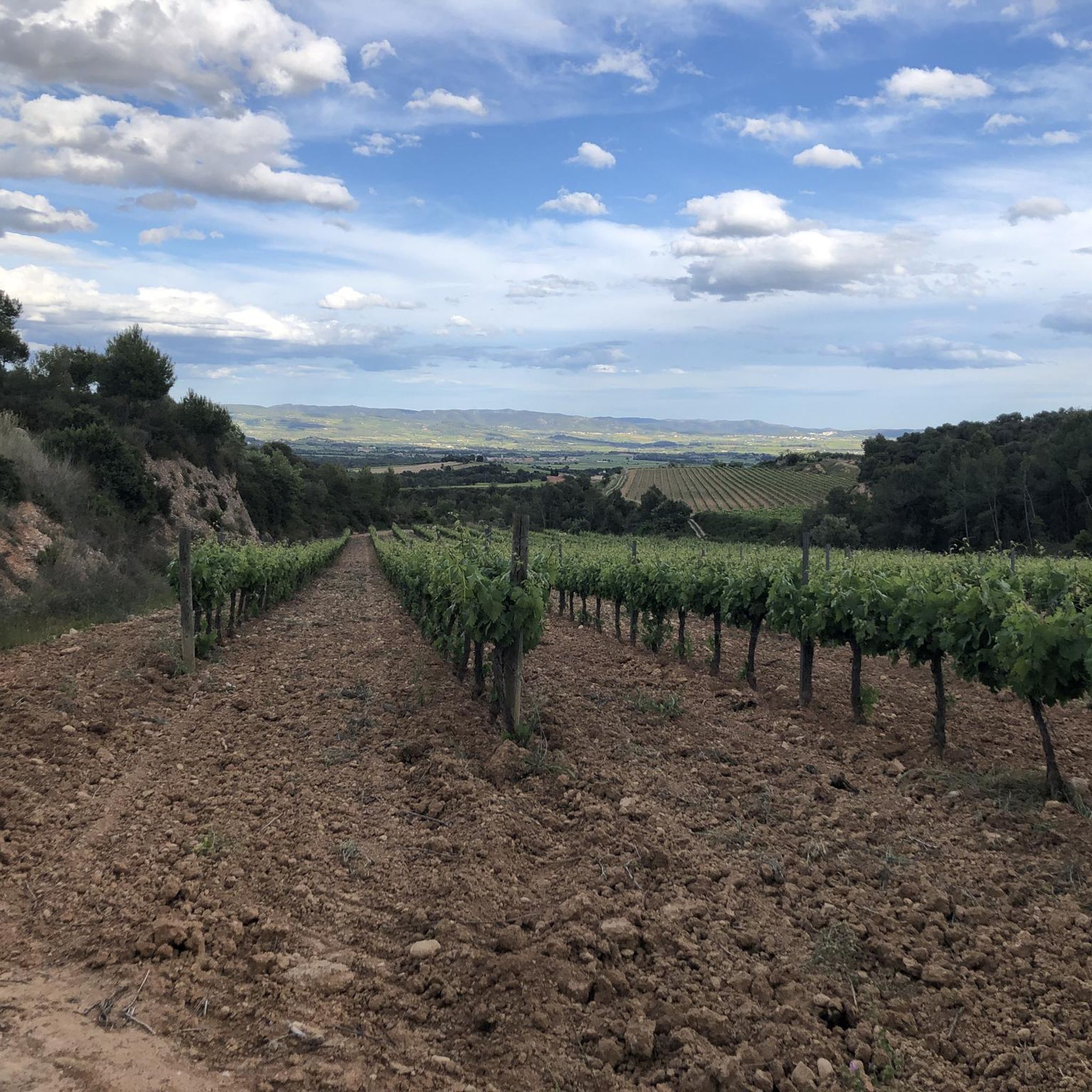
It is a beautiful town in a very pleasant and quiet place, with very beautiful landscapes and views. You have to enjoy these places to practice cycling.
0
0

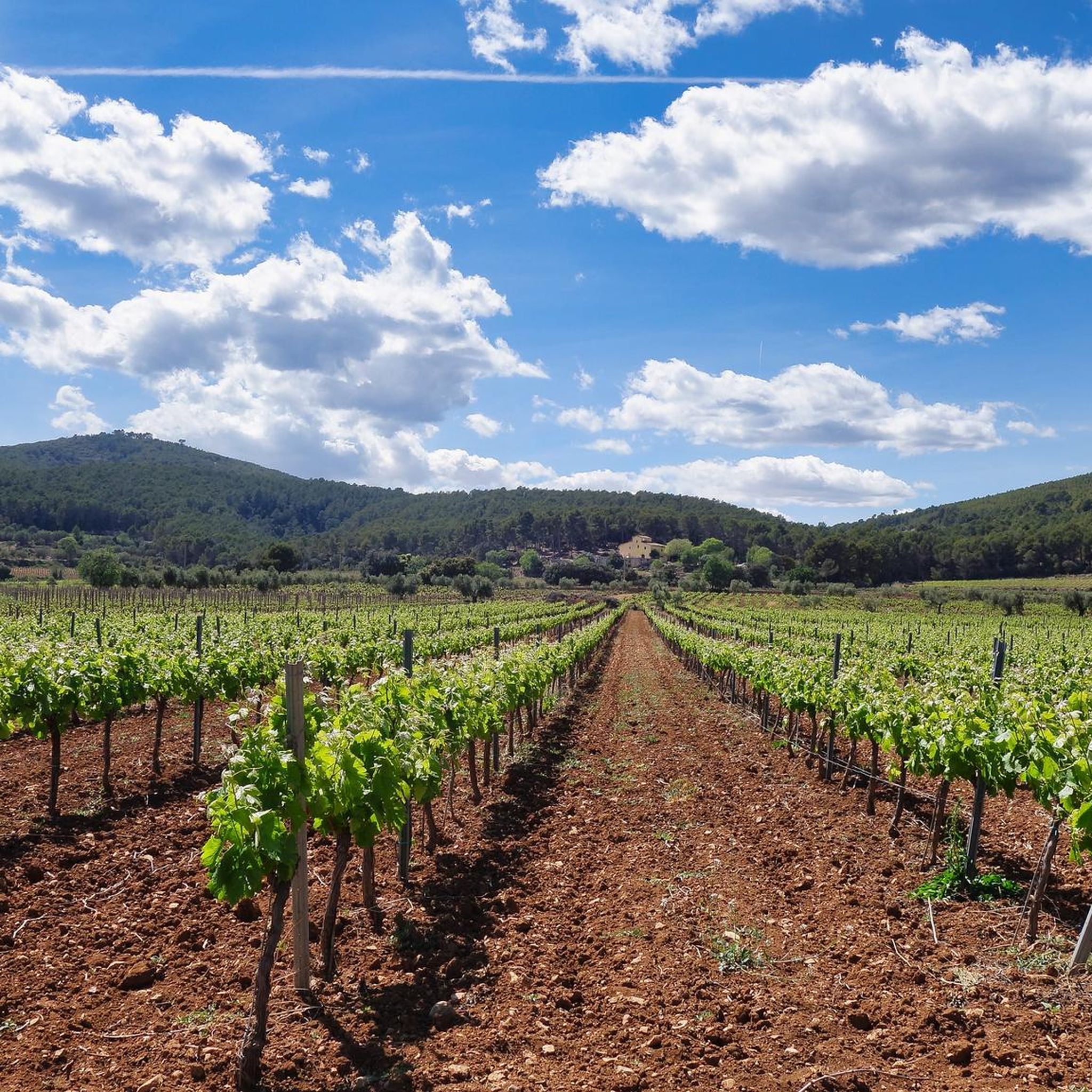
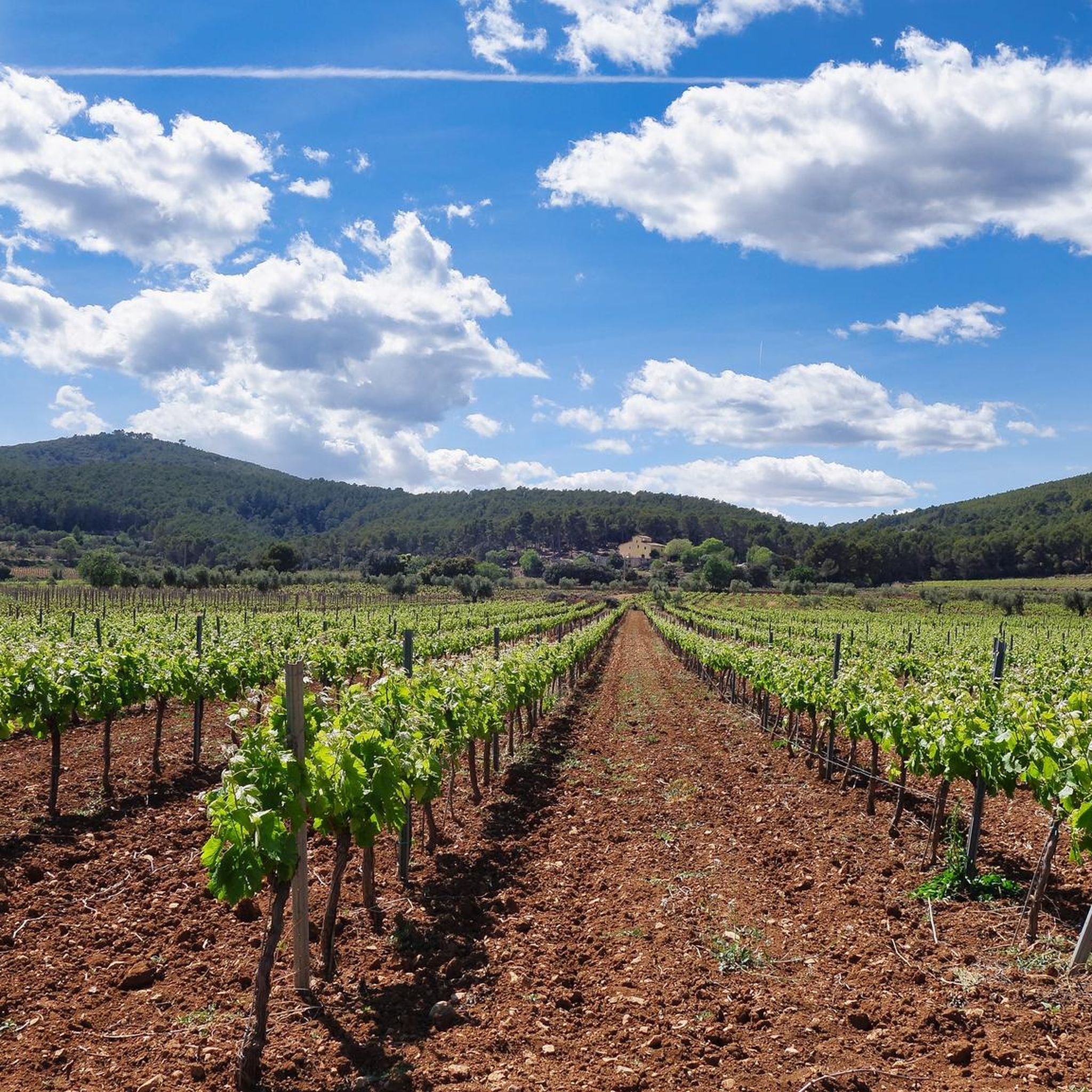
It is located in a rural environment of vine cultivation that has certainly been a mute witness to conflicts between the farmers, to dead rabassa contracts, to the appearance of phylloxera... but also to the prosperity of its inhabitants, of demographic growth, changes... Sant Joan de Lledó is a small church of Romanesque origin, whose factory has been modified over the years. It is one of the many testimonies that are part of the repopulating movement of these borderlands. It is a chapel with a single rectangular nave with an added side building, the sacristy, which has the shape of a pre-Romanesque apse. It has lateral buttresses and a raised apse, with a Romanesque window, in the Baroque period. It has a door on the west facade with an archivolt and above it, an open bull's eye and a redone bell tower. The chapel is located in the middle of vineyards, almond trees and olive trees.
0
0

This small nucleus, belonging to the municipality of Avinyonet del Penedès, is primarily known for housing an old Benedictine monastery. It is a complex formed by a single-nave church, with a chapel, bell tower, and a cloister of great sculptural value. Another notable construction is Cal Bou, a 1893 building with a quadrangular floor plan and striking glazed ceramic decorations and cornices that separate the floors.
1
0
Small Romanesque hermitage (12th century) with a single rectangular nave to which a sacristy was added on one side, in the shape of a pre-Romanesque apse. It has lateral buttresses and a door on the west façade, with a porthole and bell tower. Located in the middle of vineyards, olive and almond trees, it is one of the most typical images of the area, especially if we find it in the direction of Sant Martí Sarroca, with its monumental complex as a backdrop.
0
0
Turó de la Roca has historically been a prominent point in the municipality of Sant Martí Sarroca. Although the first references are from the 10th century, when it served as a surveillance and protection point, there are indications of previous Iberian and Roman settlements. The monumental complex is made up of the Romanesque church of Santa María, restored in 1906, and the castle of Sant Martí, built in the 11th century.
0
0
Small Romanesque hermitage (12th century) with a single rectangular nave to which a sacristy was added on one side, in the shape of a pre-Romanesque apse. It has lateral buttresses and a door on the west façade, with a porthole and bell tower. Located in the middle of vineyards, olive and almond trees, it is one of the most typical sights of the area, especially if we find it in the direction of Sant Martí Sarroca, with its monumental complex as a backdrop.
0
0
Frequently Asked Questions
What natural features can I explore around Sant Quintí de Mediona?
The region is rich in natural beauty. You can visit Gran Pèlag of Vilobí del Penedès, a unique natural space with four lagoons formed by ancient gypsum extraction, creating a distinct microecosystem. Another highlight is Les Deus (The Springs), known for its abundant water, caves, and picturesque pools along the Mediona River, offering scenic walks and even adventure activities. The surrounding landscape also features extensive vineyards and olive groves.
Are there opportunities for hiking or cycling near the attractions?
Yes, the area is excellent for outdoor activities. You can find numerous routes for cycling, road cycling, and gravel biking. For example, there are cycling routes like the 'Sant Martí Sarroca and Mediona Castles Loop' or road cycling routes such as the 'Coll de les Ventoses Climb'. For more detailed information and routes, you can explore the Cycling around Sant Quintí De Mediona guide, the Road Cycling Routes guide, or the Gravel biking guide.
What historical sites are worth visiting in the area?
Sant Quintí de Mediona boasts several significant historical sites. The Monastery of Saint Sebastian of the Gorgs, a Romanesque monastery founded in 1030, is known for its restored cloister and bell tower. You can also explore the Sant Martí Sarroca Castle and Church Complex, which dates back to the 10th century and offers insights into medieval architecture. The historic center of Sant Quintí de Mediona itself, with its medieval arcades and the Sant Quintí church, is also a cultural heritage site.
Are there family-friendly attractions in Sant Quintí de Mediona?
Absolutely. Many attractions are suitable for families. The Miravinya Balcó del Penedès viewpoint offers panoramic views that everyone can enjoy. The Gran Pèlag of Vilobí del Penedès, with its unique lagoons, provides an interesting natural space for exploration. Additionally, the natural area of Les Deus offers walks and even adventure activities like zip lines, which can be fun for families.
Where can I find the best panoramic views of the Penedès region?
For breathtaking panoramic views, visit the Miravinya Balcó del Penedès. This viewpoint, located on the Serra del Bolet, offers an expansive vista of the Penedès Plain, the mountains of the Serralada Litoral, and even the Mediterranean Sea on clear days. Another great spot is L'Avellà, a picturesque village surrounded by vineyards, offering beautiful landscapes and views.
What local experiences, like wine tourism or gastronomy, are available?
Sant Quintí de Mediona is renowned for its wine tradition. You can engage in wine tourism by visiting local wineries, participating in tastings, and learning about the wine and cava production process. The local gastronomy emphasizes regional products, with restaurants offering quality Catalan dishes that reflect the area's rich agricultural heritage.
Are there any cultural traditions or events in Sant Quintí de Mediona?
The region has a vibrant cultural calendar. Notable events include the Festa Major in mid-August, which features traditional folklore, and the Fira Mata-degolla in November, a historical recreation of events from the War of the Spanish Succession. These festivals offer a glimpse into the authentic culture of the Alt Penedès.
What is the best time to visit Sant Quintí de Mediona for outdoor activities?
The Alt Penedès region generally enjoys a Mediterranean climate. Spring and autumn offer pleasant temperatures, making them ideal for hiking, cycling, and exploring the natural and historical sites. Summers can be warm, but early mornings or late afternoons are still suitable for outdoor activities, especially near water features like Les Deus. Winter is milder, offering a quieter experience.
Can I visit medieval castles or ancient churches?
Yes, the area is home to several historical structures. You can visit the Sant Martí Sarroca Castle and Church Complex, which includes an 11th-century castle and the Romanesque church of Santa María. The Monastery of Saint Sebastian of the Gorgs is another ancient religious site with a beautifully restored cloister. Additionally, the historic center of Sant Quintí de Mediona features the Sant Quintí church with its Gothic bell tower.
Are there any dog-friendly activities or walks in the area?
While specific dog-friendly designations for attractions are not always listed, many natural areas and trails around Sant Quintí de Mediona are suitable for walks with dogs, provided they are kept on a leash and owners clean up after them. The Ruta Camí del riu Mediona and the general walking paths through vineyards and olive groves are popular choices for enjoying the outdoors with your canine companion.
What makes the Gran Pèlag of Vilobí del Penedès unique?
The Gran Pèlag of Vilobí del Penedès is unique because it's a natural space formed by four lagoons that resulted from gypsum extraction dating back to Roman times. This industrial activity inadvertently created a distinct microecosystem with peculiar fauna and flora, contrasting sharply with the surrounding wine-growing landscape of the Alt Penedès region. It's a fascinating example of how human activity can shape unique natural environments.
Most popular routes around Sant Quintí De Mediona
Most popular attractions around Sant Quintí De Mediona

Get inspired with the komoot mobile app


Explore more
Still not found the Highlight you’re looking for? See guides of the top attractions in other regions:
