The best road cycling routes around Bubikon
4.4
(681)
15,289
riders
25
rides
Road cycling routes around Bubikon offer diverse terrain within the scenic Zürcher Oberland region of Switzerland. The area features rolling hills and varied landscapes, providing options from leisurely rides to more challenging ascents. Cyclists can experience routes with significant elevation gains, including those offering views towards Lake Zurich. This region is characterized by its natural beauty, including forests and open fields, making it suitable for various road cycling experiences.
Best road cycling routes around Bubikon
- The most popular road cycling…
Last updated: October 11, 2026
4.5
(15)
291
riders
63.5km
02:56
660m
660m
Moderate road ride. Good fitness required. Mostly well-paved surfaces and easy to ride.
4.7
(13)
234
riders
48.6km
02:20
700m
700m
Moderate road ride. Good fitness required. Mostly well-paved surfaces and easy to ride.

4.5
(2)
134
riders
61.7km
03:25
1,280m
1,280m
Hard road ride. Very good fitness required. Mostly well-paved surfaces and easy to ride.
58
riders
50.5km
02:13
480m
480m
Moderate road ride. Good fitness required. Mostly well-paved surfaces and easy to ride.
5.0
(3)
56
riders
40.0km
02:06
690m
690m
Moderate road ride. Good fitness required. Some segments of this route may be unpaved and difficult to ride.
Get access to more routes and recommendations from other explorers.
Already have an account?
Our route recommendations are based on thousands of hikes, rides, and runs completed by other people on komoot.
Start today with a free account
Your next adventure awaits.
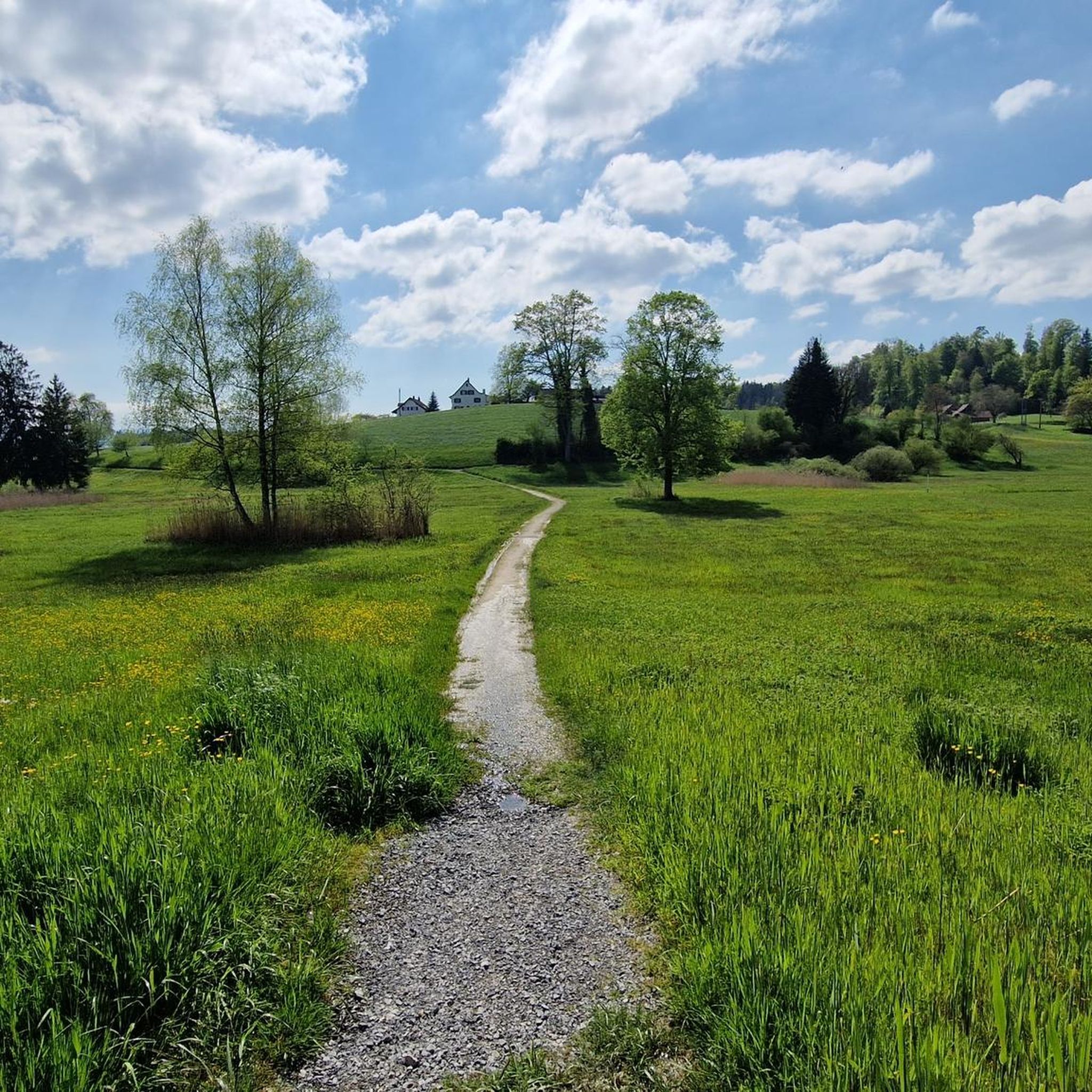
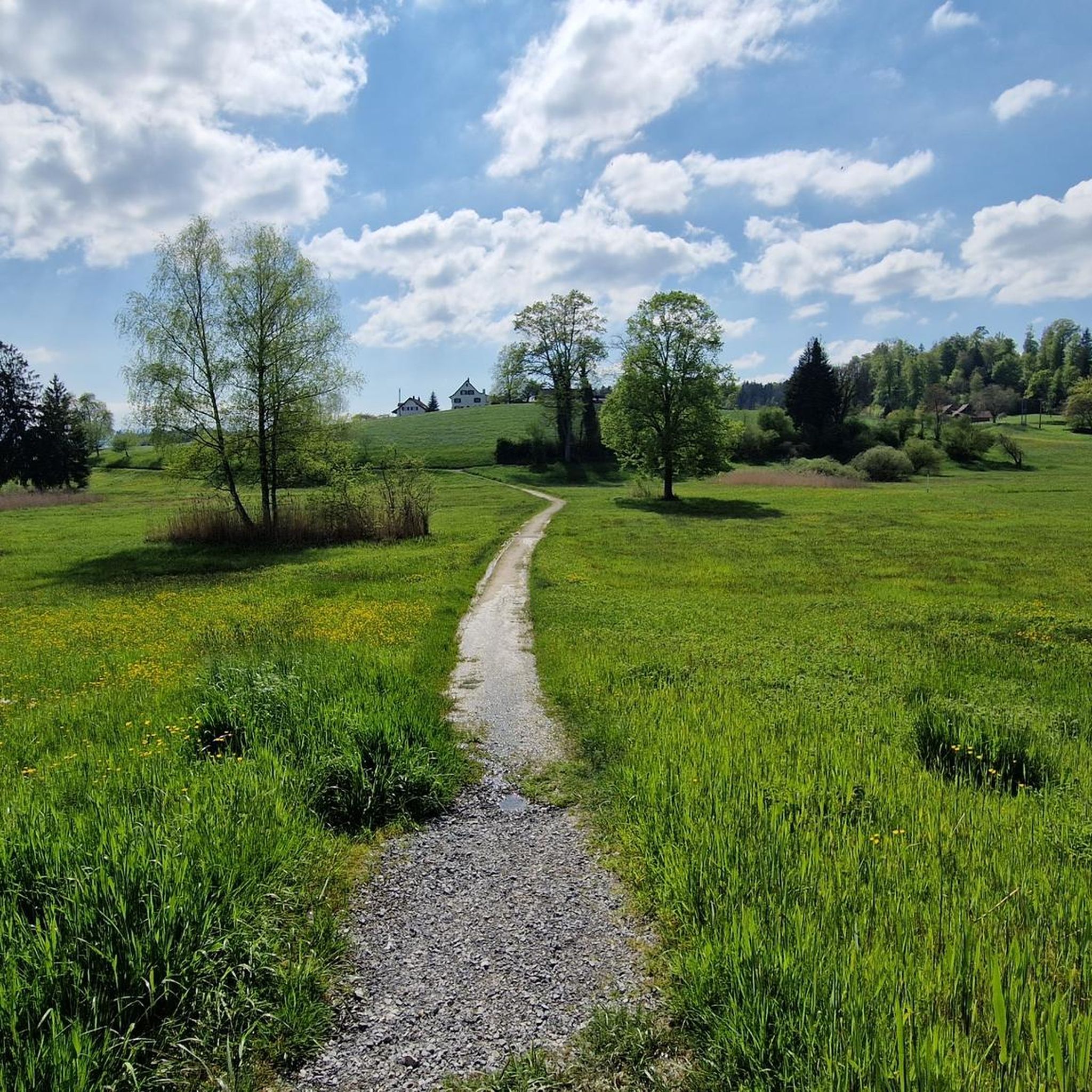
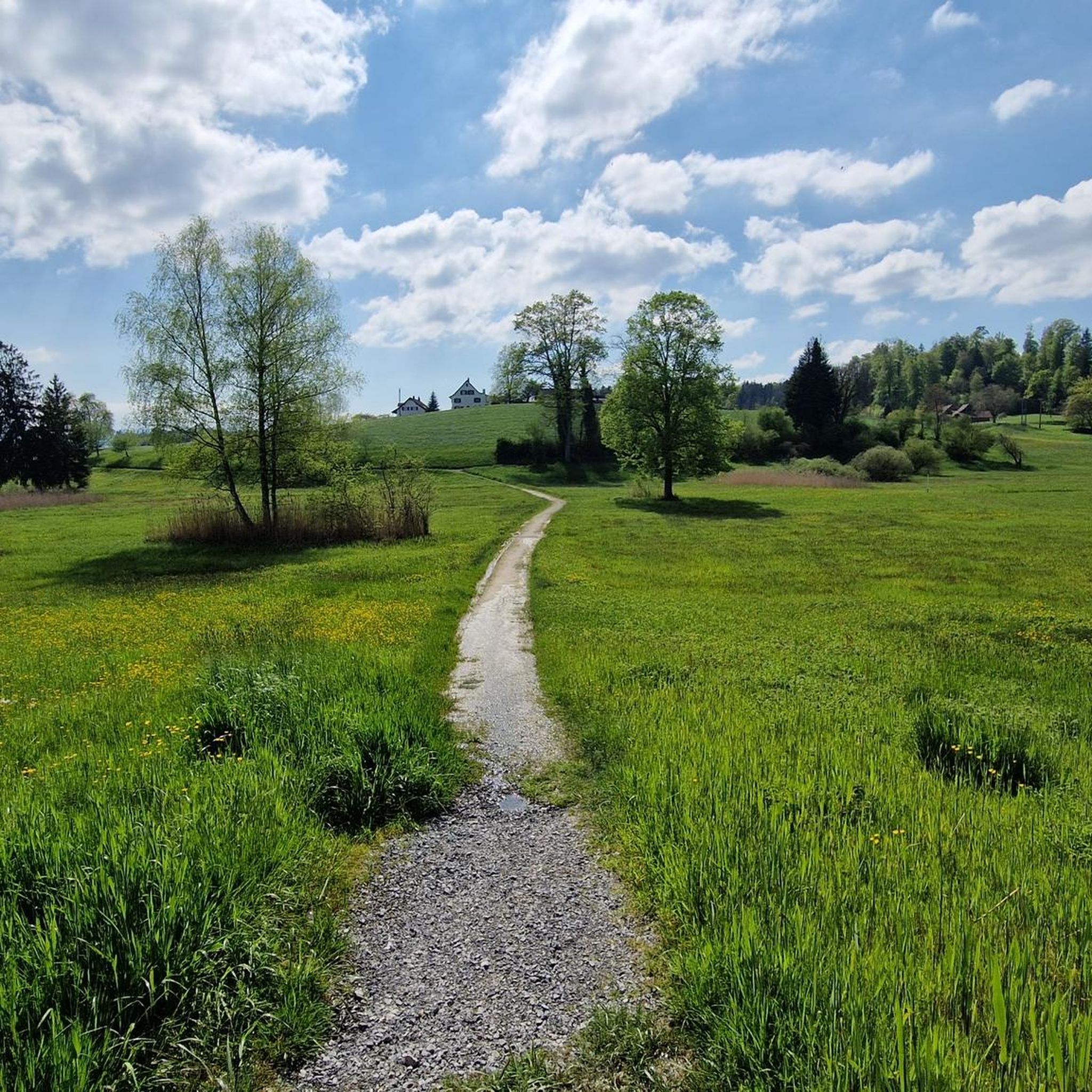
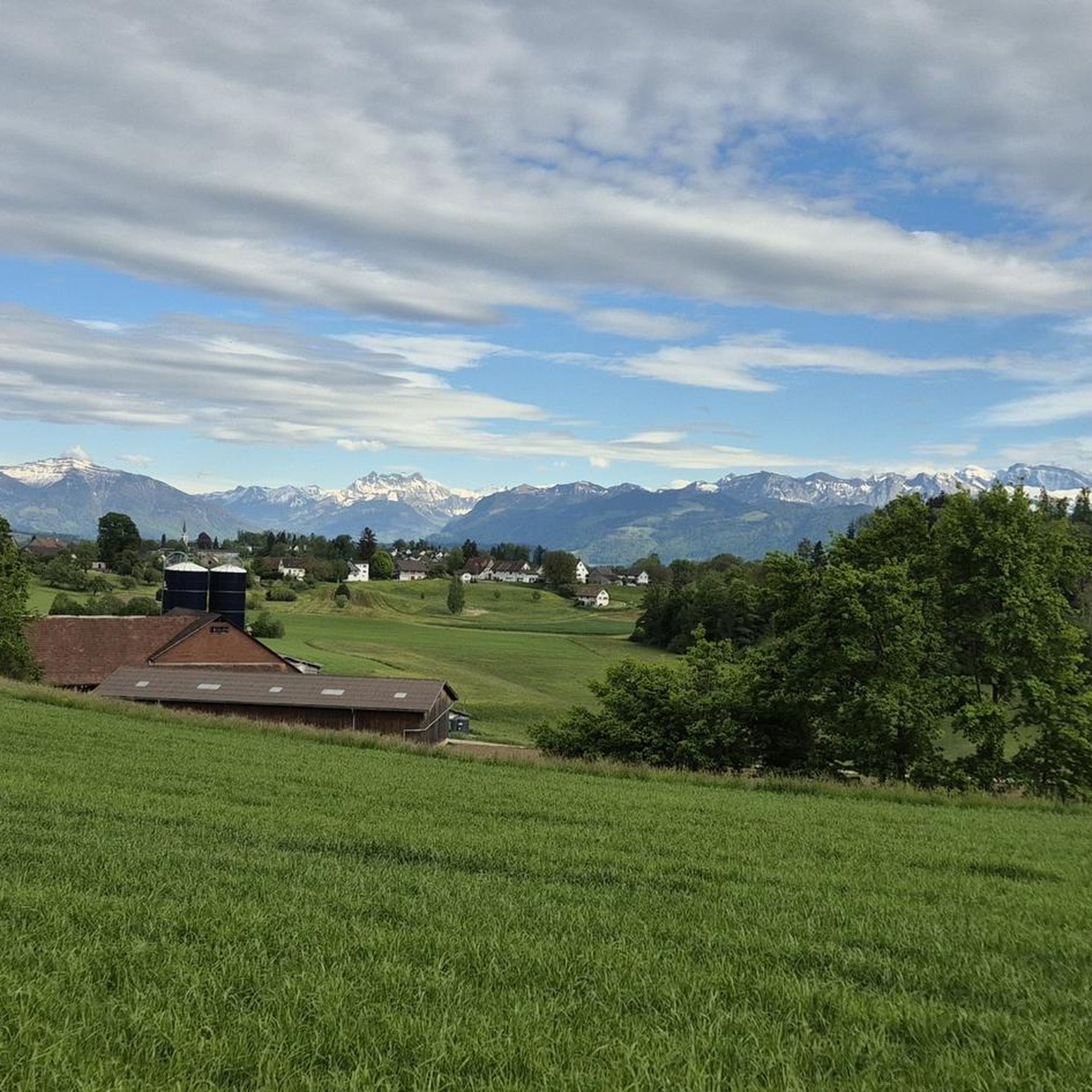
Tips from the Community

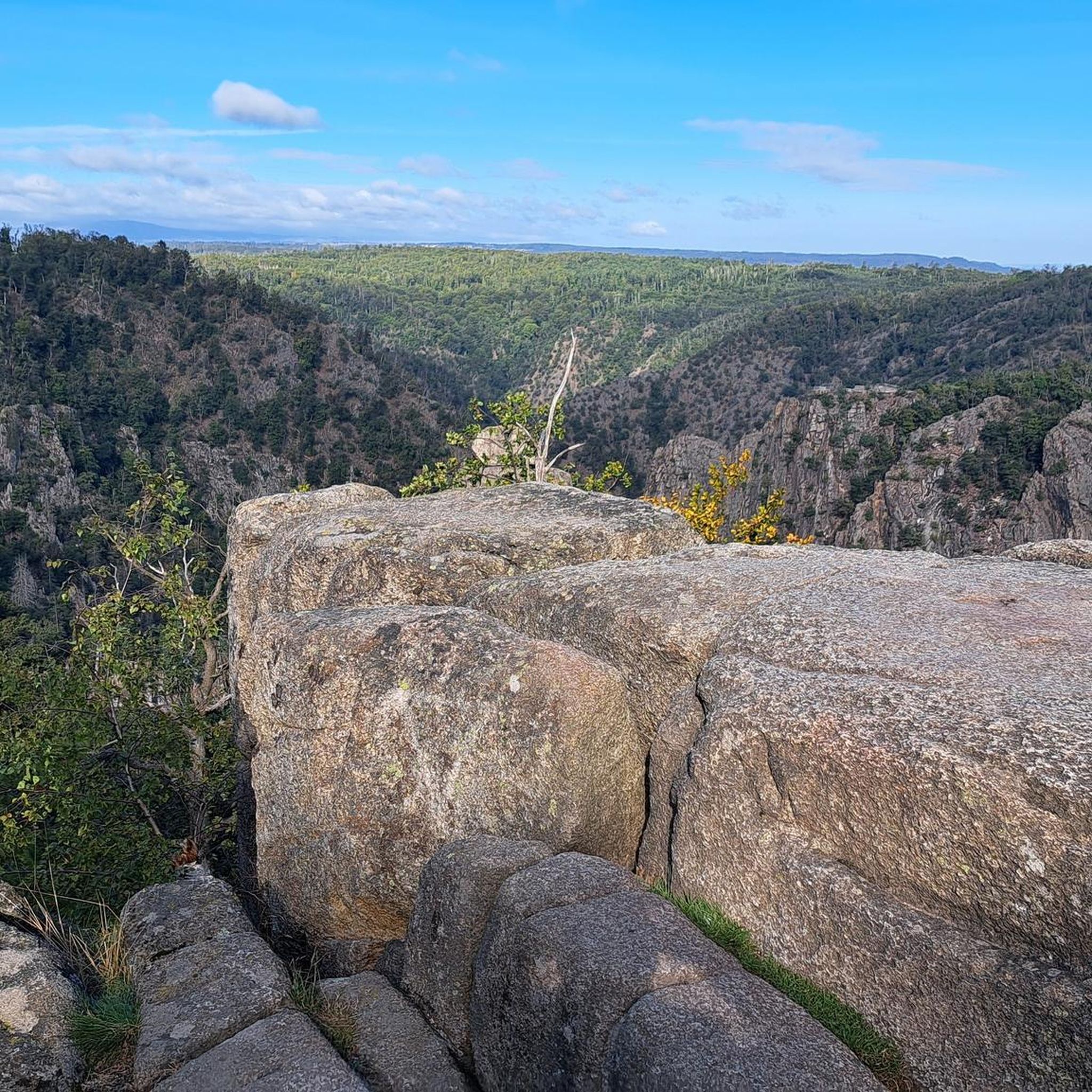
Beautiful view of Lake Zurich and the surrounding area
0
0

Problem-free ascent to the Hulftegg on the asphalted pass road from Steg, mostly moderate traffic, moderate gradient also for the e-bike.
0
0

Very nice route, highly recommended
0
0

Directly next to it lies the former Hasenstrick airfield (grass runway), in use since 2009.
1
0

Super road, beautiful view
0
0
A beautifully situated restaurant with panoramic views of the Alps.
2
0
"Pass" is a bit of an exaggeration, but it's a beautiful viewpoint nonetheless.
1
0
Frequently Asked Questions
How many road cycling routes are available around Bubikon?
There are over 25 road cycling routes around Bubikon, offering a wide range of experiences for different skill levels. These routes are highly rated by the komoot community, with an average score of 4.2 stars.
What kind of terrain can I expect when road cycling in Bubikon?
The region around Bubikon, nestled in the Zürcher Oberland, offers diverse terrain. You'll find everything from leisurely rides with minimal elevation gain to more challenging routes involving significant ascents through rolling hills and varied landscapes. Many routes provide opportunities for varied training and scenic vistas.
Are there road cycling routes suitable for beginners or those looking for an easier ride?
Yes, Bubikon offers several easier road cycling routes. There are 3 routes specifically categorized as easy, perfect for those new to road cycling or looking for a more relaxed experience. These typically feature less elevation gain and smoother paths.
Where can I find challenging road cycling routes with significant climbs near Bubikon?
For experienced cyclists seeking a challenge, there are 5 difficult routes around Bubikon. A notable option is the Hulftegg Pass summit – Descent from Schindlet to Bauma loop from Bubikon, which features a substantial pass summit and a rewarding descent through the Zürcher Oberland.
Are there road cycling routes that offer views of Lake Zurich?
Absolutely. Bubikon's proximity to Lake Zurich means you can find routes that provide stunning views. The View over Lake Zurich – Pfannenstiel Ascent Road loop from Bubikon is a popular choice, including an ascent to Pfannenstiel for panoramic vistas over the lake.
What are some scenic stops or landmarks I can see along the road cycling routes?
While cycling, you can encounter various scenic spots and landmarks. Consider routes that pass by the historic Bubikon Commandery, or head towards Lake Zurich for views of Rapperswil's Old Town and Castle (View of Rapperswil's Old Town and Castle). The Zürcher Oberland itself is known for its natural beauty, including forests and open fields.
Are there any circular road cycling routes around Bubikon?
Yes, many of the road cycling routes around Bubikon are designed as loops, allowing you to start and finish in the same location. For example, the Bike path along the Töss – Töss Riverside Cycle Path loop from Bubikon is a popular circular route following the Töss river.
What is the best time of year for road cycling in Bubikon?
The Zürcher Oberland generally offers pleasant conditions for road cycling from spring through autumn. During these seasons, you can expect milder weather, lush landscapes, and optimal visibility for enjoying the scenic routes. Winter cycling might be possible on some routes, but conditions can be more challenging due to colder temperatures or potential snow.
Are there places to eat or rest along the road cycling routes near Bubikon?
Yes, the region has various options for refreshments. You can find mountain restaurants and huts that serve as great rest stops. For instance, Rosinli Mountain Restaurant & View of Lake Pfäffikon or Etzel Kulm Mountain Restaurant are examples of places where you might refuel during your ride.
Can I access road cycling routes in Bubikon using public transport?
Bubikon is well-connected within the Zurich region's public transport network. You can typically reach Bubikon by train or bus, and many routes start directly from the village, making it convenient to arrive without a car. Check local transport schedules for specific connections.
What is the longest road cycling route available from Bubikon?
One of the longer routes is the Bike path along the Töss – Töss Riverside Cycle Path loop from Bubikon, which covers approximately 63.6 kilometers (39.5 miles) and takes nearly 3 hours to complete. This moderate route offers varied terrain along the Töss river.
Are there any routes that explore the natural beauty of the Zürcher Oberland specifically?
Many routes immerse you in the natural beauty of the Zürcher Oberland. The Hulftegg Pass summit – Descent from Schindlet to Bauma loop from Bubikon, for example, leads directly through this scenic area, showcasing its rolling hills, forests, and open fields.
Most popular attractions around Bubikon

Get inspired with the komoot mobile app


Explore more
Browse the best Road cycling routes in other regions.
