The best walks and hikes around Uña De Quintana
5
hikers
5
hikes
Hiking around Uña De Quintana offers exploration of a diverse landscape in the province of Zamora, Spain. The region features fertile lands nourished by the Tera River and various streams, with predominantly flat terrain. The northeastern section includes low mountainous areas such as "El Monte" and "Pico El Cuerno," reaching approximately 800 meters. This varied topography, along with traditional underground wineries, contributes to a distinct "vallesano" environment.
Best hiking trails around Uña De Quintana
- The most popular hiking route is…
Last updated: July 7, 2026
2
hikers
Moderate hike. Good fitness required. Easily-accessible paths. Suitable for all skill levels.
Hard hike. Very good fitness required. Easily-accessible paths. Suitable for all skill levels.

Sign up for free
8.72km
02:20
40m
50m
Hike the moderate 5.4-mile Camino Sanabrés: Olleros de Tera Loop, offering scenic views of the Nuestra Señora del Agavanzal Reservoir.
13.7km
03:32
60m
60m
Hike a moderate 8.5-mile circular route through the Valle de Vidriales, exploring unique karstic formations and ancient forests.
10.9km
02:46
30m
30m
Hike a moderate 6.8-mile circular route from Santibáñez de Vidriales, exploring the Roman Camp of Petavonium and the scenic La Almucera stre
Our route recommendations are based on thousands of hikes, rides, and runs completed by other people on komoot.
Start today with a free account
Your next adventure awaits.
Login or Signup
Popular around Uña De Quintana

Tips from the Community

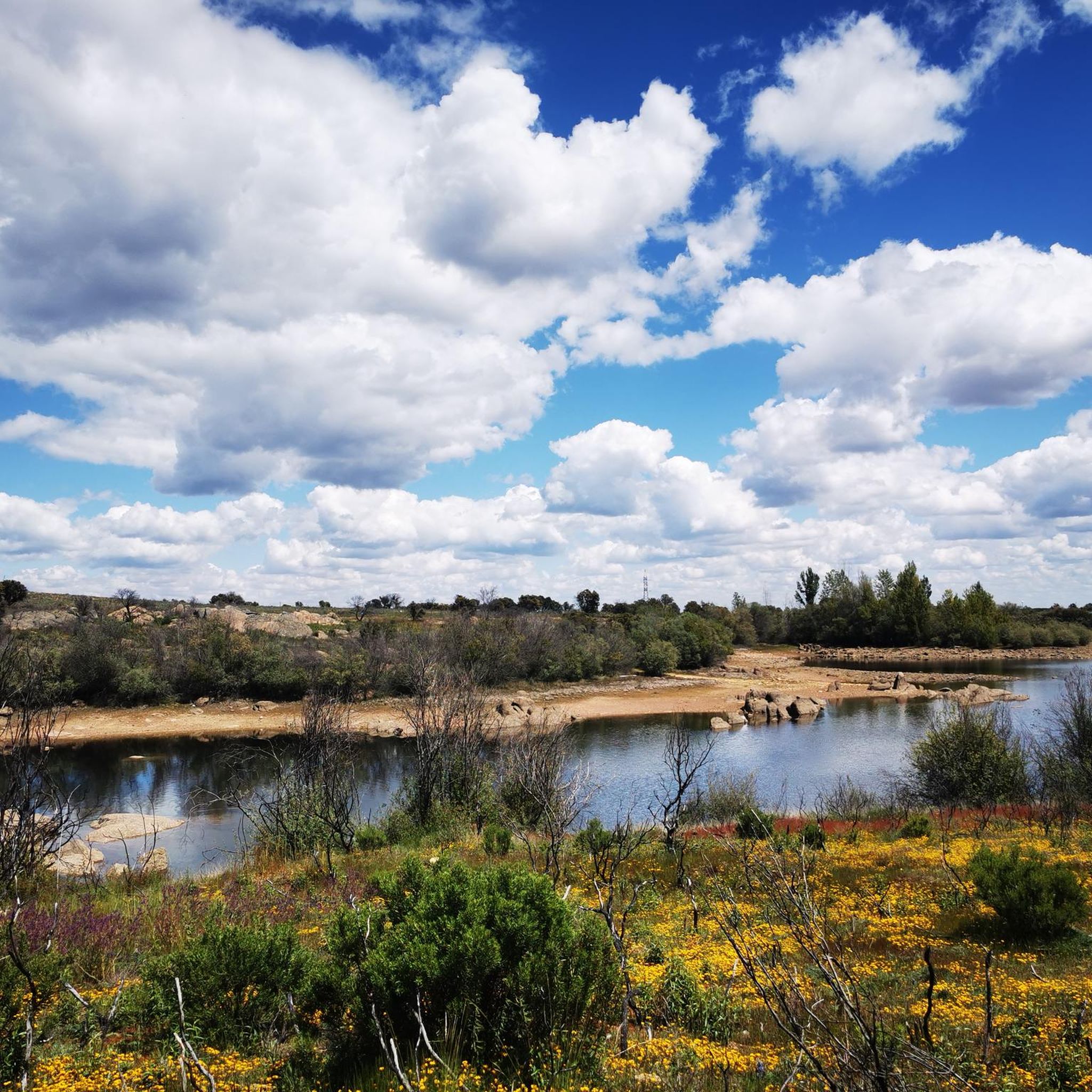
This is the third and last reservoir in this area of the Tera river, which previously crosses two more to reach this dam. From this point the river continues until it joins the Río Esla.
0
0

The Castle is from Castrocontrigo, a private property, property of the Neighborhood Council. Nogarejas is the forestry term. By the way, recently rehabilitated.
1
0

An important archaeological site of a Roman Legion, the Petavonium Camp on the outskirts of the town of Santibáñez de Vidriales.
2
0
Ruins of an old church in the town of Santibáñez de Vidriales. Steeped in history, the town is close to the Roman camp of Petavonium.
1
0
Uña de Quintana is a small town in the fertile Vega valley surrounded by a landscape of cereal fields and orchards.
1
0
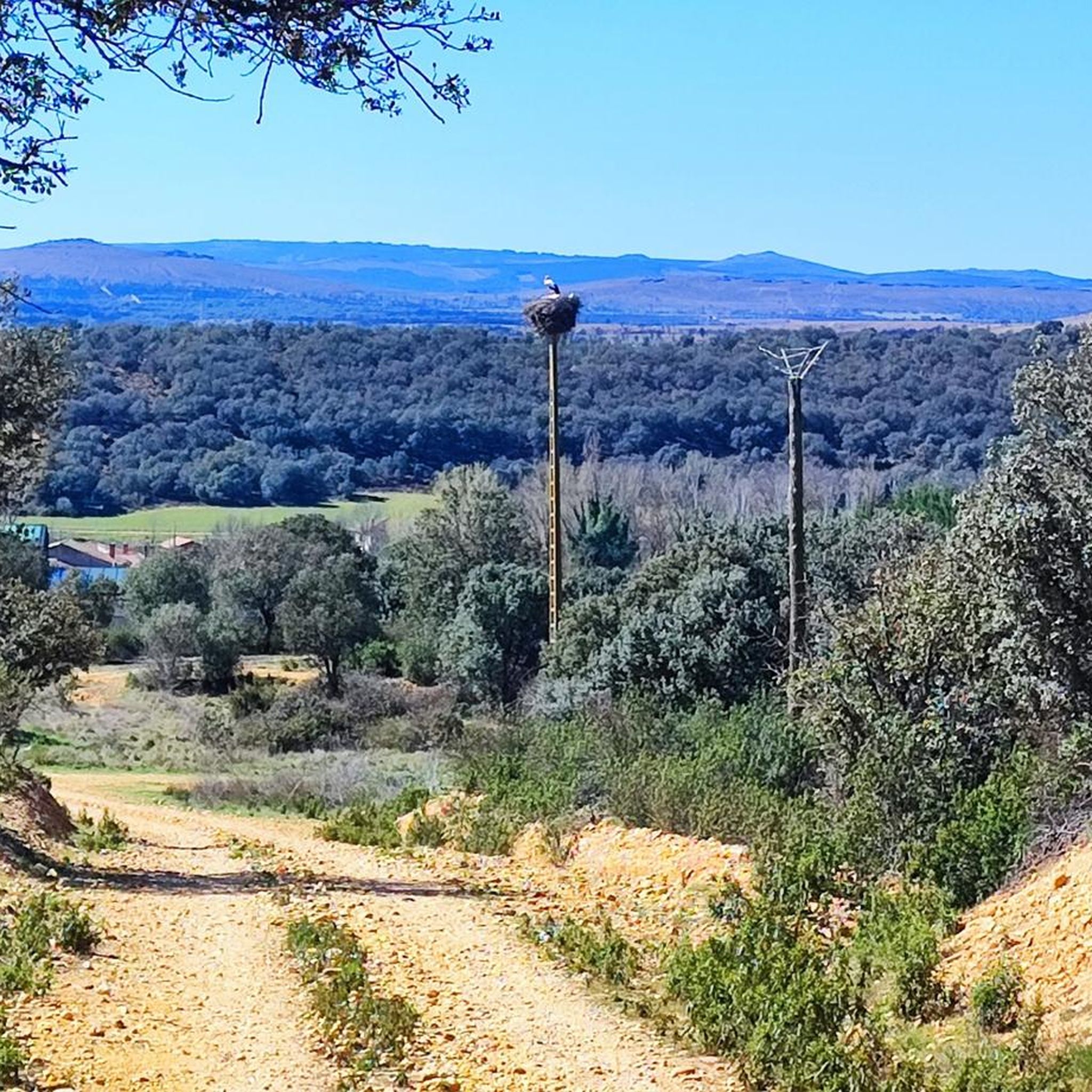
Beautiful hiking route along the Tera River towards the Agavanzal reservoir. The Tera Valley is an incredibly important natural landscape.
2
0
Ascending the route towards the medieval castle of Nogarejas watching over the Ería river valley. There isn't much left but the watchtower.
2
0
A small hermitage on the outskirts of the town of Nogarejas along the Ería river valley. The hermitage is surrounded by views of the mountains of Nogarejas.
1
0
Frequently Asked Questions
How many hiking trails are available in Uña De Quintana?
Komoot features 5 hiking routes around Uña De Quintana. These trails offer a range of experiences, from moderate walks along river valleys to more challenging paths through the region's varied topography.
What kind of landscape can I expect to see while hiking in Uña De Quintana?
Hiking in Uña De Quintana offers a diverse landscape. You'll find fertile lands nourished by the Tera and Regato Rivers, predominantly flat terrain, and low mountainous areas in the northeast, such as "El Monte" and "Pico El Cuerno." The area is also characterized by traditional underground wineries (*bodegas subterráneas*) and historical features like ancient fountains and old mills.
Are there any circular hiking routes in Uña De Quintana?
Yes, Uña De Quintana offers several circular routes. For example, you can explore the challenging Nogarejas from Pinilla de la Valdería — circular by the Castillo de Nogarejas, which is a 23.2 km loop. Another option is the moderate Camino Sanabrés: Olleros de Tera Loop, a shorter 8.7 km trail through the Tera River valley.
What are some interesting landmarks or attractions I can see near the hiking trails?
The region around Uña De Quintana is rich in points of interest. You can visit the Monument to the Pilgrim of Rionegro del Puente, or enjoy the serene views at the Nuestra Señora del Agavanzal Reservoir. The Tera River Trail itself is a notable feature, and you might also encounter the Church of Castrocontrigo or the Virgen de la Carballeda Pilgrims' Hostel.
Are there any easy or beginner-friendly hiking routes in Uña De Quintana?
While there are no routes specifically classified as 'easy' in our current selection for Uña De Quintana, several moderate trails are suitable for those with a reasonable fitness level. These routes generally feature gentle elevation changes and well-defined paths, making them accessible for most hikers. For example, the Ancient Trees of Las Majadas Trail is a moderate 13.7 km route.
What is the best time of year to go hiking in Uña De Quintana?
Given its location in Spain, Uña De Quintana is generally pleasant for hiking during spring (April to June) and autumn (September to October) when temperatures are milder. Summers can be hot, so early mornings or late afternoons are recommended if hiking during July and August. Winters are typically mild but can be damp, especially along the river valleys.
Are the hiking trails in Uña De Quintana suitable for families with children?
Many of the moderate trails in Uña De Quintana, with their relatively flat terrain and gentle inclines, can be suitable for families. Routes that follow the river valleys or explore local woodlands, such as the Bosque Las Majadas y arboles milenarios — vuelta desde San Pedro de Ceque, offer engaging natural environments for children to explore. Always check the specific route's distance and duration to ensure it matches your family's capabilities.
Can I bring my dog on the hiking trails in Uña De Quintana?
Uña De Quintana is a rural area with a strong connection to nature, making many of its trails generally dog-friendly. However, it's always advisable to keep your dog on a leash, especially when passing through agricultural lands, near livestock, or in areas with protected wildlife. Be sure to carry water for your pet and clean up after them.
What are the typical durations for hikes in this region?
Hiking durations in Uña De Quintana vary depending on the route's length and difficulty. You can find shorter loops like the Camino Sanabrés: Olleros de Tera Loop, which takes about 2 hours 19 minutes to complete. Longer, more challenging routes, such as the Nogarejas from Pinilla de la Valdería — circular by the Castillo de Nogarejas, can take over 6 hours.
Are there any historical or cultural points of interest along the trails?
Yes, the trails often pass by significant historical and cultural sites. You'll encounter ancient fountains and old mills along the river courses, reflecting the region's past. The distinctive traditional underground wineries (*bodegas subterráneas*) are also a unique feature of the landscape, offering a glimpse into local heritage. Additionally, the Petavonium Roman Camp Trail explores an area with historical significance.
What do other hikers enjoy most about hiking in Uña De Quintana?
Hikers often praise the serene rural environment and the diverse natural landscapes of Uña De Quintana. The presence of the Tera River and its tributaries, along with the low mountainous areas, provides a varied and engaging experience. Many appreciate the opportunity to explore traditional features like old mills and underground wineries, which add a unique cultural dimension to the hikes.
Most popular attractions around Uña De Quintana

Get inspired with the komoot mobile app


Explore more
Browse the best Hikes in other regions.
