Attractions and Places To See around Alija Del Infantado - Top 20
Best attractions and places to see around Alija Del Infantado include a rich array of historical sites, architectural heritage, and natural features within this historic town in León, Spain. Situated on the ancient Vía de la Plata, the area is characterized by its significant landmarks and cultural points of interest. Visitors can explore structures dating back to Roman times and medieval periods. The region offers a blend of historical depth and natural landscapes.
Best attractions and places to see around…
Last updated: July 2, 2026
Vizana Bridge
Highlight • Bridge
Translated by Google •
Tip by

Castillo de los Pimentel
Highlight • Castle
Translated by Google •
Tip by

Sign up now to discover places like this
Get recommendations on the best single tracks, peaks, & plenty of other exciting outdoor places.
Sign up for free
Alija del Infantado Town Center
Highlight • Settlement
Also noteworthy, as a …
Translated by Google •
Tip by
Eria Bridge in Castrocalbón
Highlight • Bridge
Translated by Google •
Tip by

Ruins of the Royal Monastery of Santa María de Nogales
Highlight • Historical Site
Translated by Google •
Tip by

Sign up for free to discover even more attractions around Alija Del Infantado.
Sign up for free
Already have an account?
Start today with a free account
Your next adventure awaits.
Login or Signup

Tips from the Community

Although only part of the tower remains today, its presence is imposing: it was once a stately home and today serves as the perfect viewpoint over the Óbigo Valley. A bike ride up here is both visually and culturally rewarding. A great spot for epic photos, a restful break with views, and a bit of history on wheels. If you're planning a route with interesting stops, this castle is a definite yes.
0
0

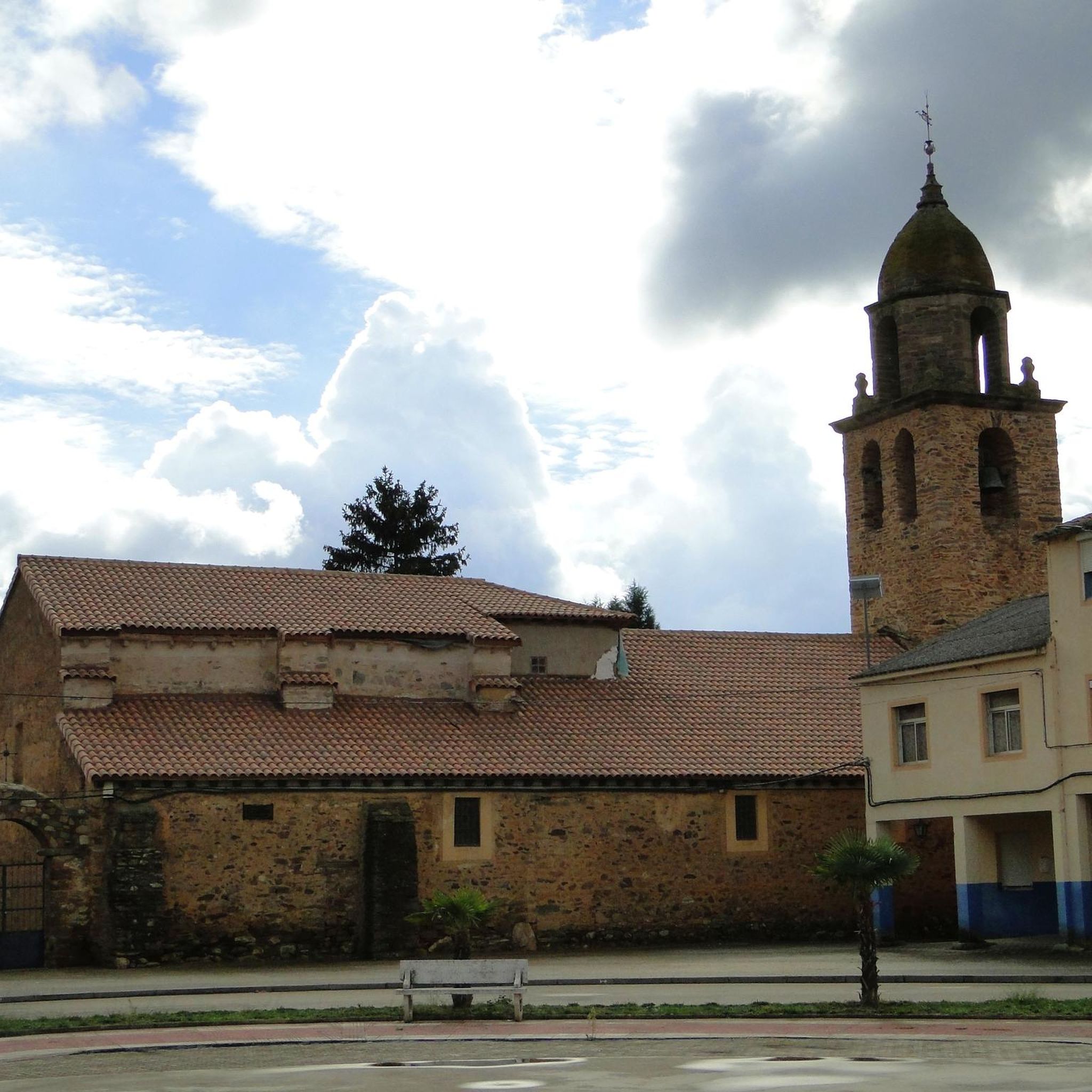
Castrocalbón is a place with a rich history and several points of interest that you can visit. Castrocalbón Castle: Although in ruins, it is a fascinating testimony to the medieval architecture and history of the region. San Pedro Church: A church with Romanesque and Gothic elements, which houses interesting altarpieces and sculptures. Hermitage of the Virgin of the Rosary: A place of local devotion, with simple architecture and a peaceful setting.
0
0

Another iconographic reference of Castrocalbón is this iron bridge over the Eria River built in the 1920s and which, despite the inconveniences it causes at this time, being quite narrow, already changes its image has become a symbol of Castrocalbón. A new bridge is currently in use a short distance from the old one, which is (for the time being) maintained due to its historical value.
1
0

On December 20, 1164, the widow of the Noble Vela Gutiérrez, Doña Sancha Ponce, transferred to the Cistercian Order of Santa María de Moreruela all the possessions and belongings of the territory of Nogales in hereditary right so that they could build another monastery that would be called Santa María from Nogales. From this moment and until the monks abandoned the monastery, in the mid-19th century, the Eria Region was governed according to the guidelines of the Order. This settlement established the model of repopulation and new management at all levels; social, cultural, agricultural and economic. At the same time it marked the appearance of the Villa de Nogales, which was initially made up of the servants and servants of the Monks. Without a sumptuous construction, Santa María de Nogales is located according to the criteria of the Cistercian order: a valley of fertile lands, abundance of water, and impressive solitude. For more than seven centuries it stood out for being the cradle of great men, an emporium of letters and science, where royal advisors and professors for the University of Alcalá emerged. Currently, only the ruins and remains of its greatness remain: scattered walls, the belfry of the Church and the main entrance arch with its heraldic shield. However, the surrounding area, fertile orchard, abundant vegetation, fruit trees and the waters of the Eria River, invite you to relax, contemplate and enjoy nature.
1
0

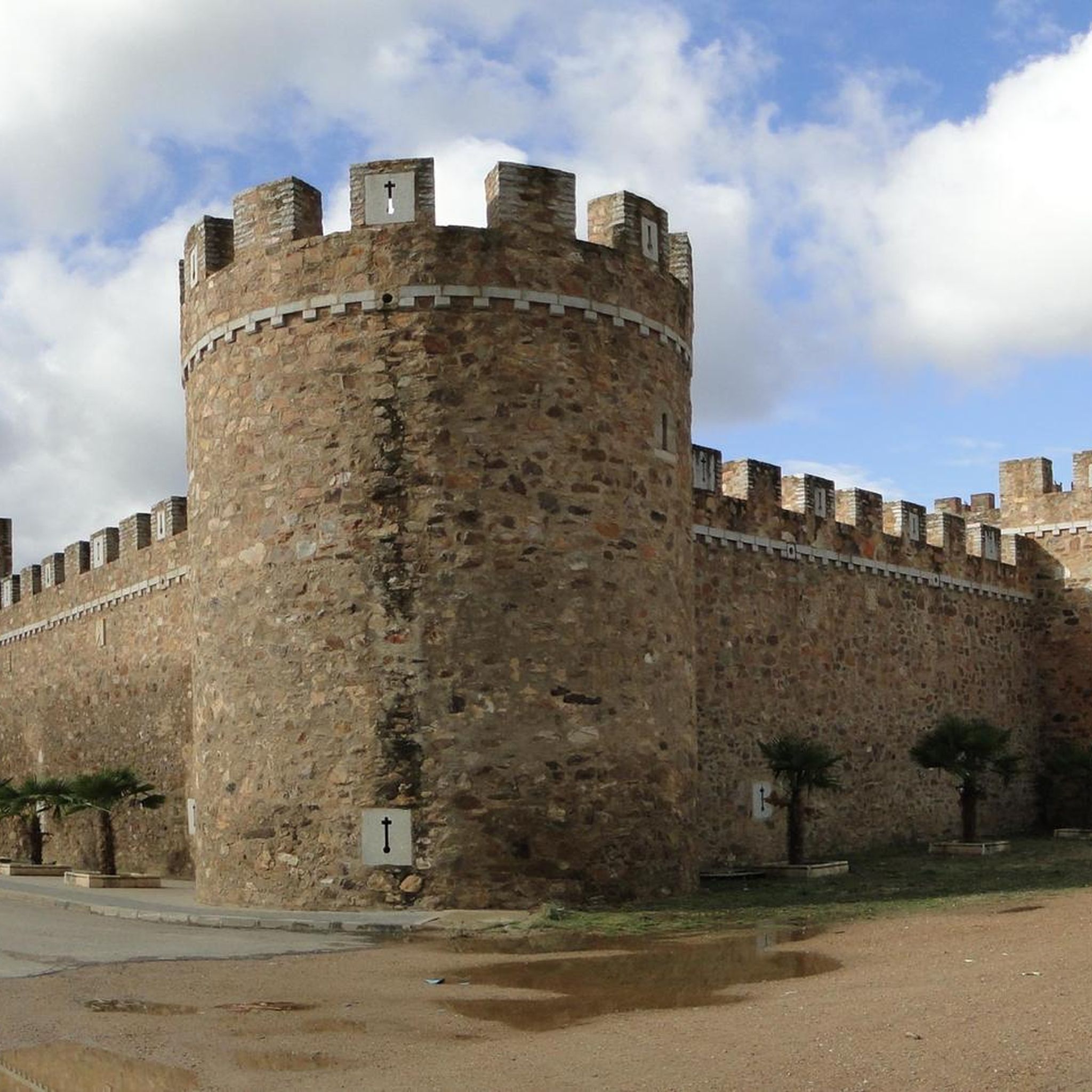
The Pimentel castle, built in the 19th century. XV, it is a large square fortress. Inside, there is the Palacio de los Ponces, built in the 16th century. XIII and currently unusable, due to the fires suffered in 1808 and 1887. The dukes of Infantado rebuilt the now visible fortress.
1
0

Nature is reclaiming its place around the ruins of this 16th and 17th century monastery. The building was looted several times and eventually fell into disrepair.
2
0

Here you will find an interesting castle from the 11th century. It is in good condition because it has been maintained by the different families that have owned it.
1
0
Frequently Asked Questions
What historical landmarks can I explore in Alija Del Infantado?
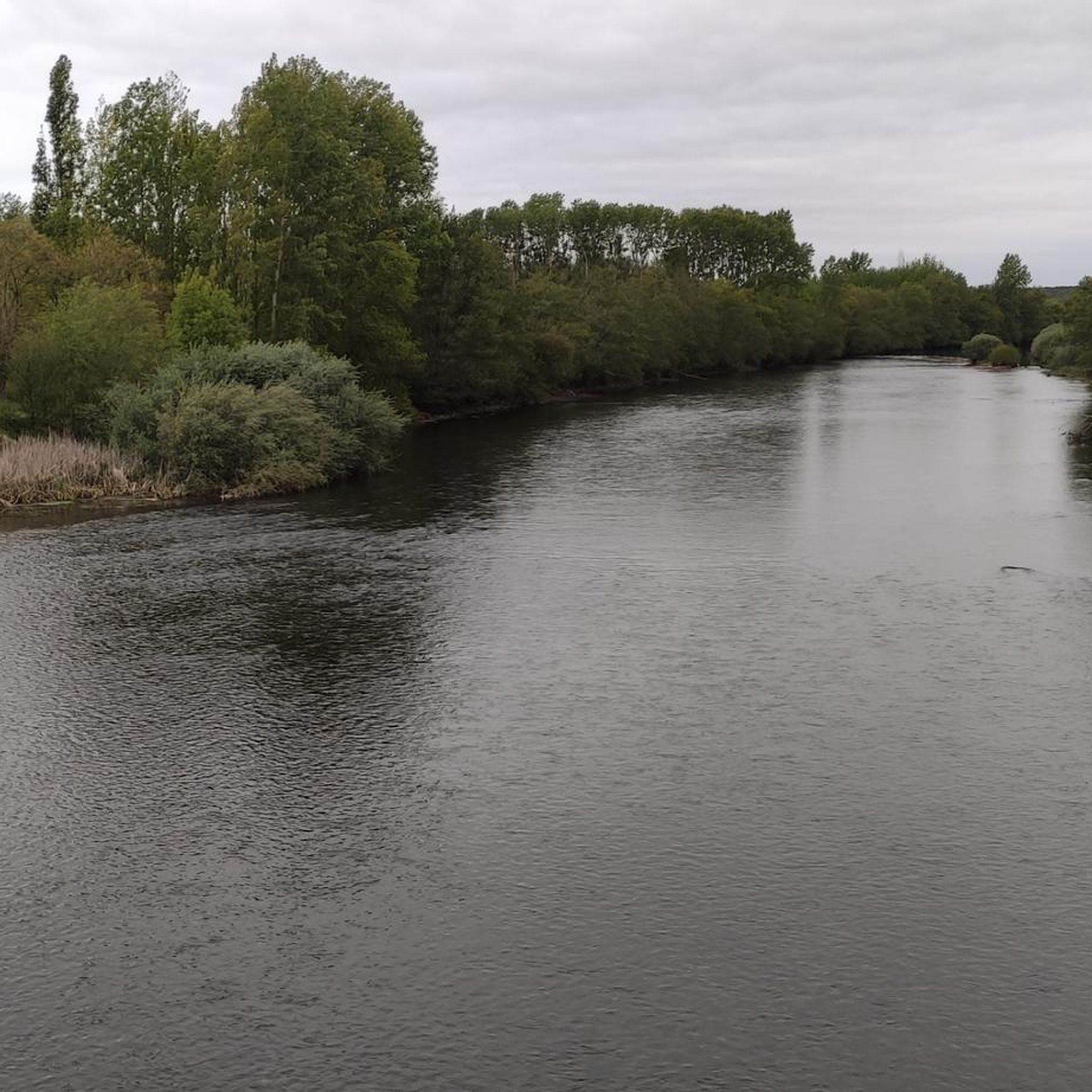
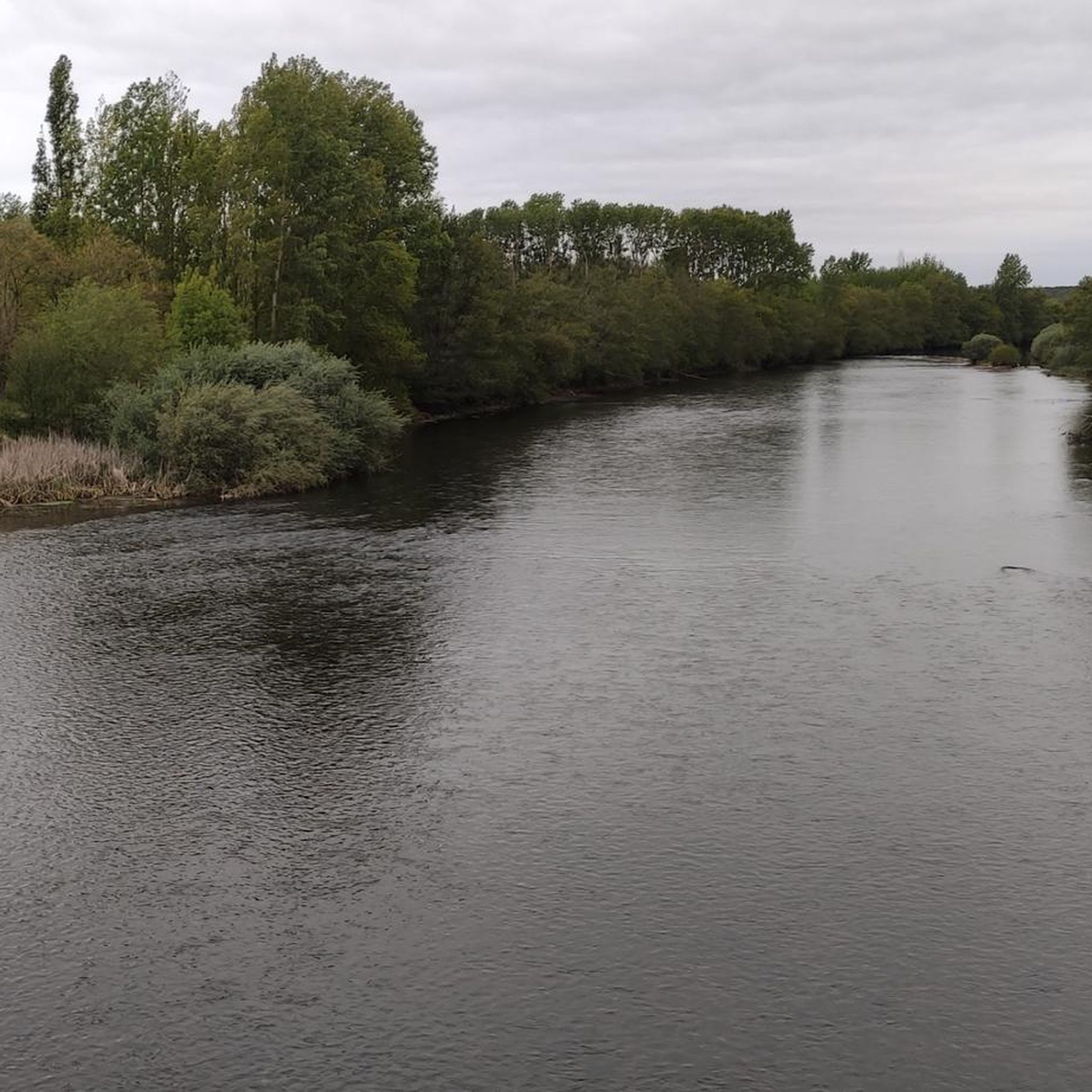
Alija Del Infantado is rich in history. You can visit the impressive Castillo de los Pimentel, a large square fortress with origins dating back to the 11th century, which also houses the 13th-century Palacio de los Ponces. Another significant site is the Puente de la Vizana, an ancient Roman bridge over the Órbigo River that has been a part of the Vía de la Plata and Camino de Santiago routes for centuries. The town also features the historic Iglesia de San Esteban and Iglesia de San Verísimo, both with medieval origins.
Are there any family-friendly attractions in Alija Del Infantado?
Yes, Alija Del Infantado offers several family-friendly options. The Alija del Infantado Town Center itself is a great place to explore with its historical buildings and central square. For outdoor fun, the Bosque Mágico (Magic Forest) trail is specifically designed for families, featuring curiosities, maps, and games to engage children. The area around the Puente de la Vizana also becomes a river beach in summer, perfect for a family outing.
What natural features can I discover around Alija Del Infantado?
The region around Alija Del Infantado boasts several natural attractions. The Órbigo River, crossed by the historic Puente de la Vizana, offers a pleasant riverside environment, including a river beach in summer. You can also explore the mysterious caves of "El Tesoro" near the town and "La Loba" in the Bécares mountain range. For a unique natural and historical blend, visit the Ruins of the Royal Monastery of Santa María de Nogales, where nature is reclaiming the 16th and 17th-century structures amidst fertile orchards and abundant vegetation.
What cultural sites and traditions are notable in Alija Del Infantado?
Alija Del Infantado has a rich cultural heritage. The town preserves a historical Judería (Jewish Quarter) and interesting examples of traditional architecture throughout its buildings. The Plaza Mayor serves as a central hub for local life. A unique cultural event is El Antruejo, a singular carnival celebration declared a Festival of Tourist Interest, involving a traditional struggle between two mythical tribes, the Jurros and the Birrias, enacted in the Plaza Mayor.
What outdoor activities can I do near these attractions?
The area around Alija Del Infantado is excellent for various outdoor activities. You can find numerous routes for cycling, mountain biking, and road cycling. For example, explore the "Castro de las Labradas and Alija del Infantado Loop" for cycling or the "Castro de las Labradas Loop from Brime de Urz" for MTB. You can find more detailed routes and guides for road cycling, general cycling, and MTB trails in the region.
What is the best time to visit Alija Del Infantado?
The summer months are particularly appealing for visiting Alija Del Infantado, especially if you wish to enjoy the river beach near the Puente de la Vizana. The pleasant weather is also ideal for exploring the town's historical sites and engaging in outdoor activities like cycling and hiking.
What do visitors enjoy most about Alija Del Infantado?
Visitors frequently appreciate the rich historical significance and architectural heritage of Alija Del Infantado. The ancient Roman bridge, Puente de la Vizana, is a popular highlight, as is the well-preserved Castillo de los Pimentel. The blend of historical sites with natural landscapes, such as the Órbigo River and the ruins of the Royal Monastery, offers a diverse and engaging experience for those exploring the region.
Can I find Roman-era sites in Alija Del Infantado?
Yes, Alija Del Infantado has strong ties to the Roman era. The town is situated on the ancient Vía de la Plata, a significant Roman route. The Puente de la Vizana, while renovated over centuries, has Roman origins and stands as a testament to the region's ancient past.
Are there any religious buildings of historical importance?
Absolutely. The Iglesia de San Esteban, built between the 13th and 16th centuries, is a Property of Cultural Interest, noted for its Mudejar coffered ceiling and altarpieces. The Iglesia de San Verísimo, constructed in the 13th century, features a distinctive polygonal tower. Additionally, the Ermita del Santo Cristo de la Vera Cruz, located in the upper quarter, has a Romanesque sacristy and presbytery.
What is the significance of the Vía de la Plata in Alija Del Infantado?
The Vía de la Plata is a historic Roman route that passes through Alija Del Infantado, making the town a significant point along this ancient path. The Puente de la Vizana, with its Roman origins, is a key structure on this route, serving travelers and pilgrims for centuries and connecting the region to a broader historical network.
Where can I see traditional architecture in Alija Del Infantado?
You can observe interesting examples of traditional architecture throughout the town of Alija Del Infantado. Simply walking along Calle Real, the main artery dividing the historic neighborhoods, will allow you to appreciate the popular architectural styles preserved within its buildings. The Plaza Mayor and the surrounding streets also showcase the town's historical character.
Are there any ruins or archaeological sites to visit?
Yes, you can visit the Ruins of the Royal Monastery of Santa María de Nogales. These deteriorated 16th and 17th-century monastery ruins offer a glimpse into the region's past and are being reclaimed by nature, providing a unique historical and natural experience. Only scattered walls, the belfry of the Church, and the main entrance arch with its heraldic shield remain, but the surrounding area is rich in history and natural beauty.
Most popular routes around Alija Del Infantado
Most popular attractions around Alija Del Infantado

Get inspired with the komoot mobile app


Explore more
Still not found the Highlight you’re looking for? See guides of the top attractions in other regions:
