Attractions and Places To See around Sant Pere De Riudebitlles - Top 20
Best attractions and places to see around Sant Pere De Riudebitlles include a blend of historical architecture, natural landscapes, and cultural heritage in the Alt Penedès region of Catalonia. The area is characterized by its connection to winemaking and traditional paper-making industries. Visitors can explore historical sites within the village and natural features along the Riudebitlles river. The surrounding countryside offers panoramic views of the Penedès wine region.
Best attractions and places to see around Sant Pere De Riudebitlles
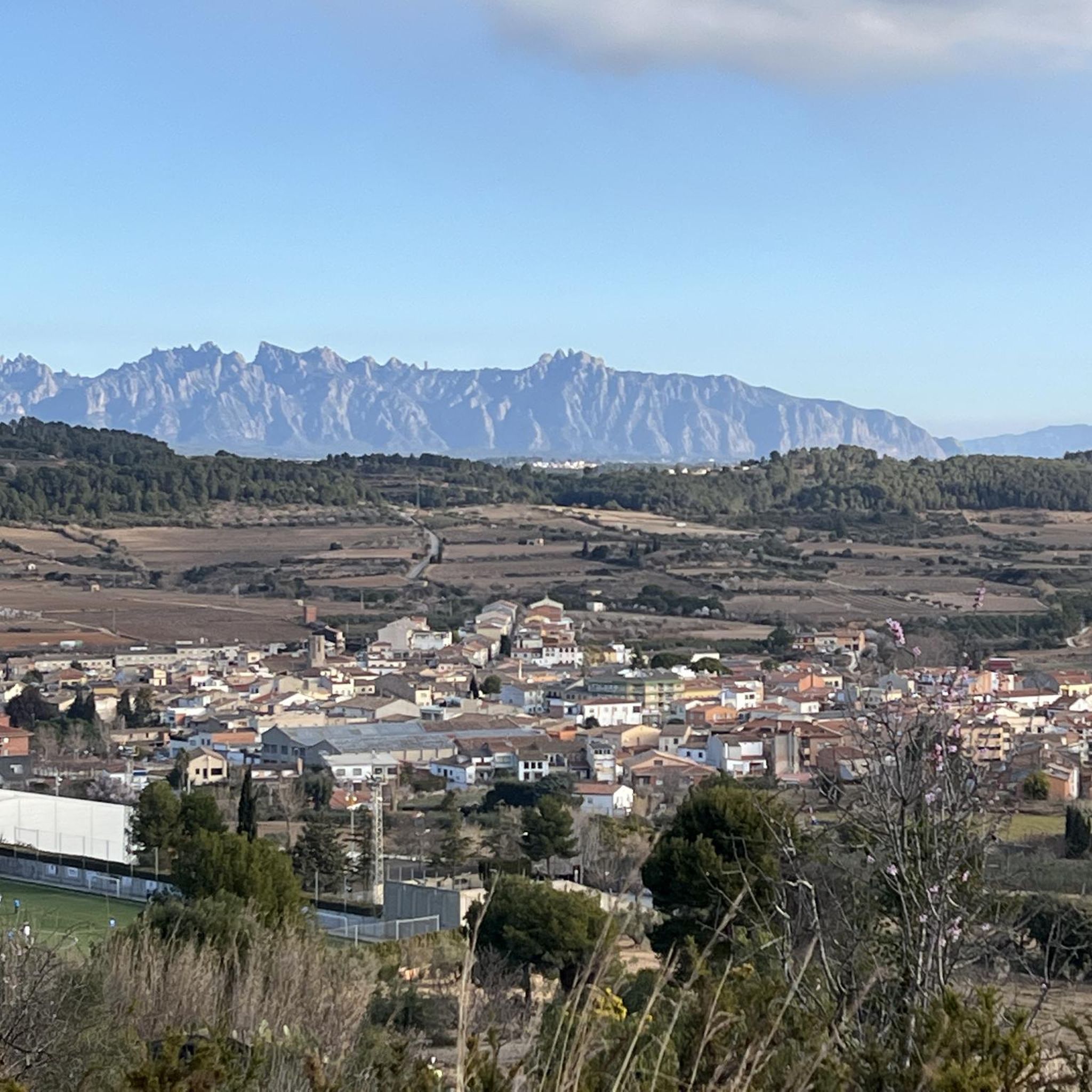
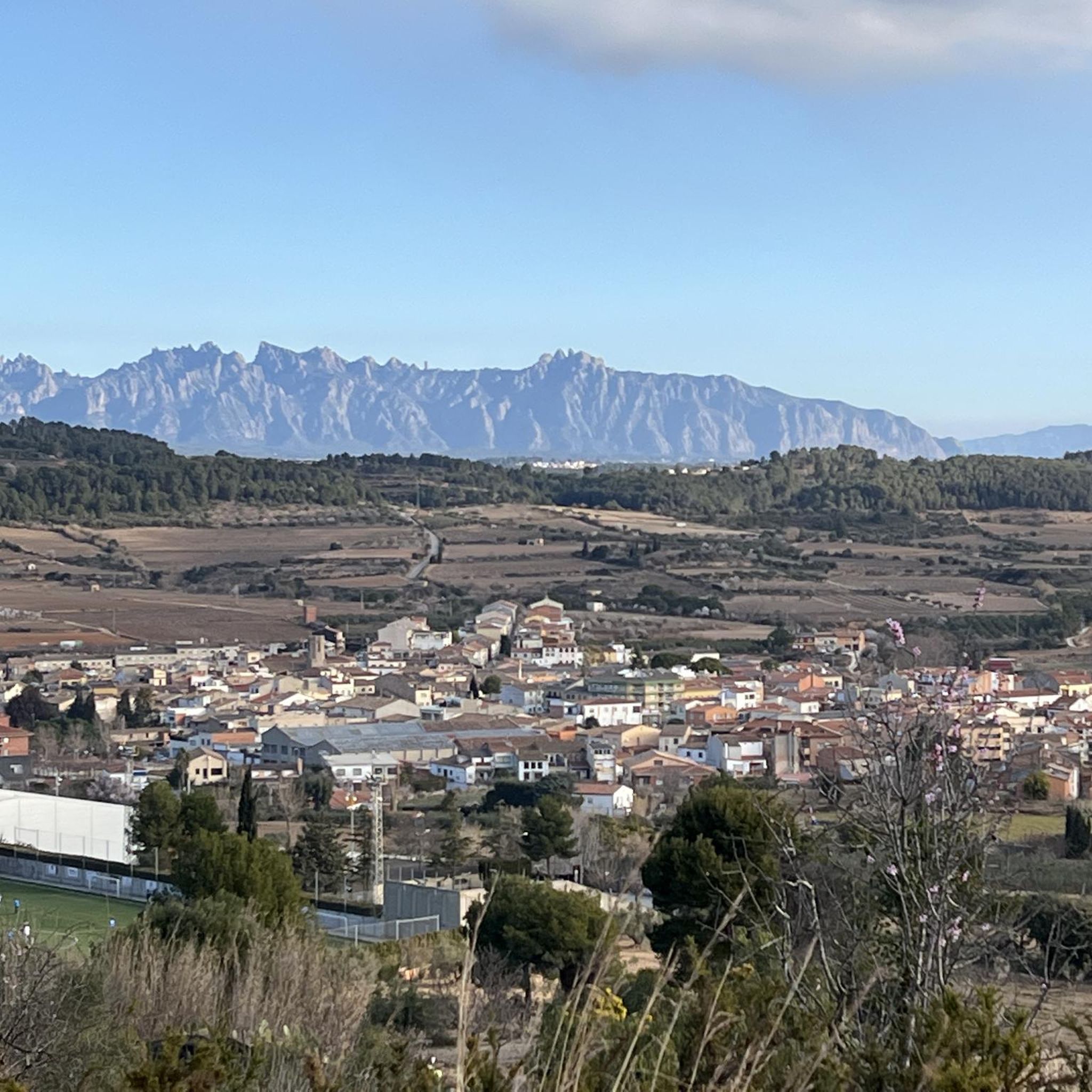
- The most popular attractions is Miravinya Balcó del Penedès, a viewpoint that offers a panoramic view of the Penedès Plain from the Serra del Bolet. It is one of several Miravinya viewpoints providing extensive views of the region.
- Another must-see spot is Gran Pèlag of Vilobí del Penedès, a natural space consisting of four lagoons formed from former gypsum quarries. This unique microecosystem features a crescent shape and distinct flora and fauna.
- Visitors also love Monastery of Saint Sebastian of the Gorgs, a Romanesque monastery founded in 1030. It features a church, bell tower, and a cloister with sculptural value.
- Sant Pere De Riudebitlles is known for its historical buildings, natural river paths, and panoramic viewpoints. The region offers a variety of attractions to see and explore, from ancient churches to unique natural formations.
- The attractions around Sant Pere De Riudebitlles are appreciated by the komoot community, with more than 40 upvotes and 19 photos shared across various highlights.
Last updated: July 7, 2026
Monastery of San Sebastián de los Gorgs
Highlight • Religious Site
Showing Translation
Tip by

Gran Pèlag of Vilobí del Penedès
Highlight • Lake
Translated by Google •
Tip by

Sign up now to discover places like this
Get recommendations on the best single tracks, peaks, & plenty of other exciting outdoor places.
Sign up for free
L'Avellà
Highlight • Settlement
Among these constructions, the Villa Josefa Formosa stands out, a building with a square floor plan and covered with an Arab tile pavilion built in 1902. It is currently renovated and works as a wine tasting room for the Heretat Mont-Rubí winery, which is based in the same locality.
Another singular house is Can Gol, a farmhouse built at the beginning of the 20th century that stands out for its noucentista style, especially for the use in all the openings of its façade of blue tile frames, alternating designs of white and blue squares and a border of blue rhombuses. . The frontal figure of Sant Jordi and the dragon stands out, also made from a tile mosaic.
Translated by Google •
Tip by
Sant Martí Sarroca Castle and Church Complex
Highlight • Castle
Translated by Google •
Tip by

Miravinya Balcó del Penedès
Highlight • Viewpoint
Translated by Google •
Tip by
Sign up for free to discover even more attractions around Sant Pere De Riudebitlles.
Sign up for free
Already have an account?
Start today with a free account
Your next adventure awaits.
Login or Signup
Popular around Sant Pere De Riudebitlles

Tips from the Community


It is a beautiful town in a very pleasant and quiet place, with very beautiful landscapes and views. You have to enjoy these places to practice cycling.
0
0
A magical place with wonderful views of the entire Penedés region and the coast, with the blue of the sea in the background. In my opinion, sunny winter days are the best to visit. You can get here by two alternative routes, both very beautiful and quiet: from Guardiola de Font-Rubí and from Sant Martí Sarroca.
0
0

This small nucleus, belonging to the municipality of Avinyonet del Penedès, is primarily known for housing an old Benedictine monastery. It is a complex formed by a single-nave church, with a chapel, bell tower, and a cloister of great sculptural value. Another notable construction is Cal Bou, a 1893 building with a quadrangular floor plan and striking glazed ceramic decorations and cornices that separate the floors.
1
0
Turó de la Roca has historically been a prominent point in the municipality of Sant Martí Sarroca. Although the first references are from the 10th century, when it served as a surveillance and protection point, there are indications of previous Iberian and Roman settlements. The monumental complex is made up of the Romanesque church of Santa María, restored in 1906, and the castle of Sant Martí, built in the 11th century.
0
0

Excellent viewpoint especially on days with good visibility or at night as well.
1
0
This Romanesque monastery was founded in the year 1030 in the old pre-Romanesque chapel of dels Gorgs, to which a bell tower was added during its renovation. Between 1977 and 1981 the cloister was restored, recovering its original appearance, and in a second phase, between 2000 and 2002 the bell tower was restored. A third restoration between 2010 and 2011 protected the cloister with a new roof.
1
0
The turó de la Roca has historically been a prominent point in the municipality of Sant Martí Sarroca. Although the first references are from the 10th century, when it served as a surveillance and protection point, there are signs of previous Iberian and Roman settlements. It is made up of the Romanesque church of Santa María, restored in 1906, and the castle of Sant Martí, built in the 11th century.
1
0
Frequently Asked Questions
What natural features can I explore around Sant Pere de Riudebitlles?
The area offers diverse natural beauty. You can visit the unique Gran Pèlag of Vilobí del Penedès, a natural space with four lagoons formed from old gypsum quarries, featuring a peculiar ecosystem. Another option is to stroll along the Camí del Riu (River Path) by the Bitlles River, which includes washing places, the Font del Quadres spring, and a picnic area. Just a short distance away, in Sant Quintí de Mediona, you'll find Les Deus, an impressive natural grotto where underground water feeds the Mediona river, creating a magical environment with a small lagoon.
Are there any historical sites or cultural landmarks to visit in the area?
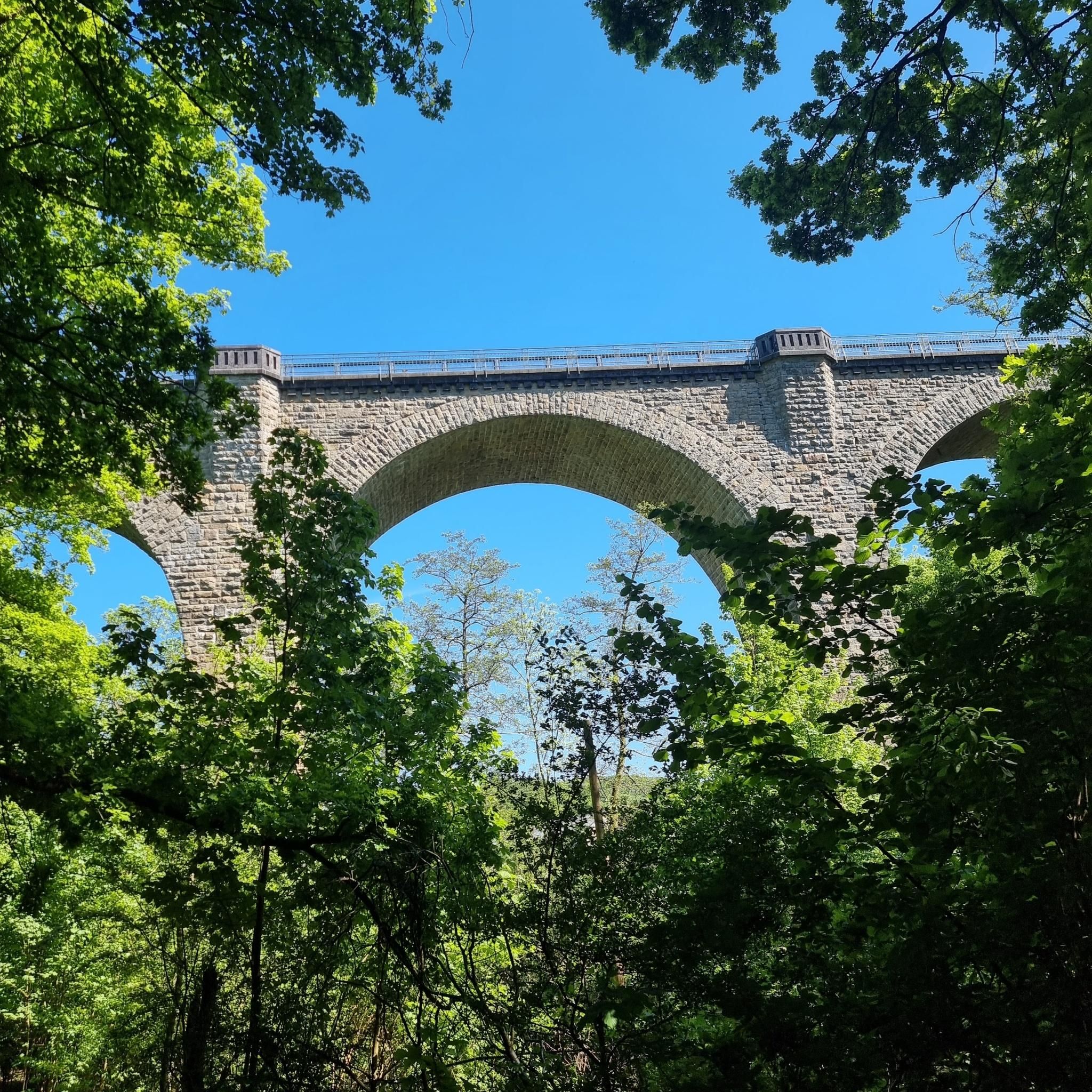
Yes, Sant Pere de Riudebitlles is rich in history. Explore the village's Old Town (Barri Vell) with its picturesque streets and ancient Gothic palaces. The Parish Church of Sant Pere, a Romanesque-origin temple with a distinctive portal, is a key landmark. You can also visit the Monastery of Saint Sebastian of the Gorgs, a Romanesque monastery founded in 1030, known for its church, bell tower, and cloister. The Casal dels Marquesos de Llió is an emblematic 14th-century Gothic building, significant to the village's economic history.
Where can I find the best panoramic views of the Penedès region?
For stunning panoramic views, head to the Miravinya viewpoints. The Miravinya Balcó del Penedès offers an extensive view of the Penedès Plain from the Serra del Bolet. Another excellent spot is Mirador Miravinya La Cadira in Torrelavit, which provides 360-degree views of the wine region, complete with a giant chair for relaxation.
What kind of outdoor activities, like hiking or cycling, are available near these attractions?
The region is excellent for outdoor activities. You can find numerous hiking trails, such as the 'Parish Church of Sant Quintí – Sant Quintí Castle loop' or the 'Waterfall – Mala Dona Waterfall loop'. For cyclists, there are road cycling routes like the 'L'Avellà – Santa Maria de Bellver loop' and challenging MTB trails including the 'Forest Path in Penedès – Trail to the Cross loop'. You can find more details and routes on the dedicated guides for hiking, road cycling, and MTB trails around Sant Pere de Riudebitlles.
Are there family-friendly attractions or activities suitable for children?
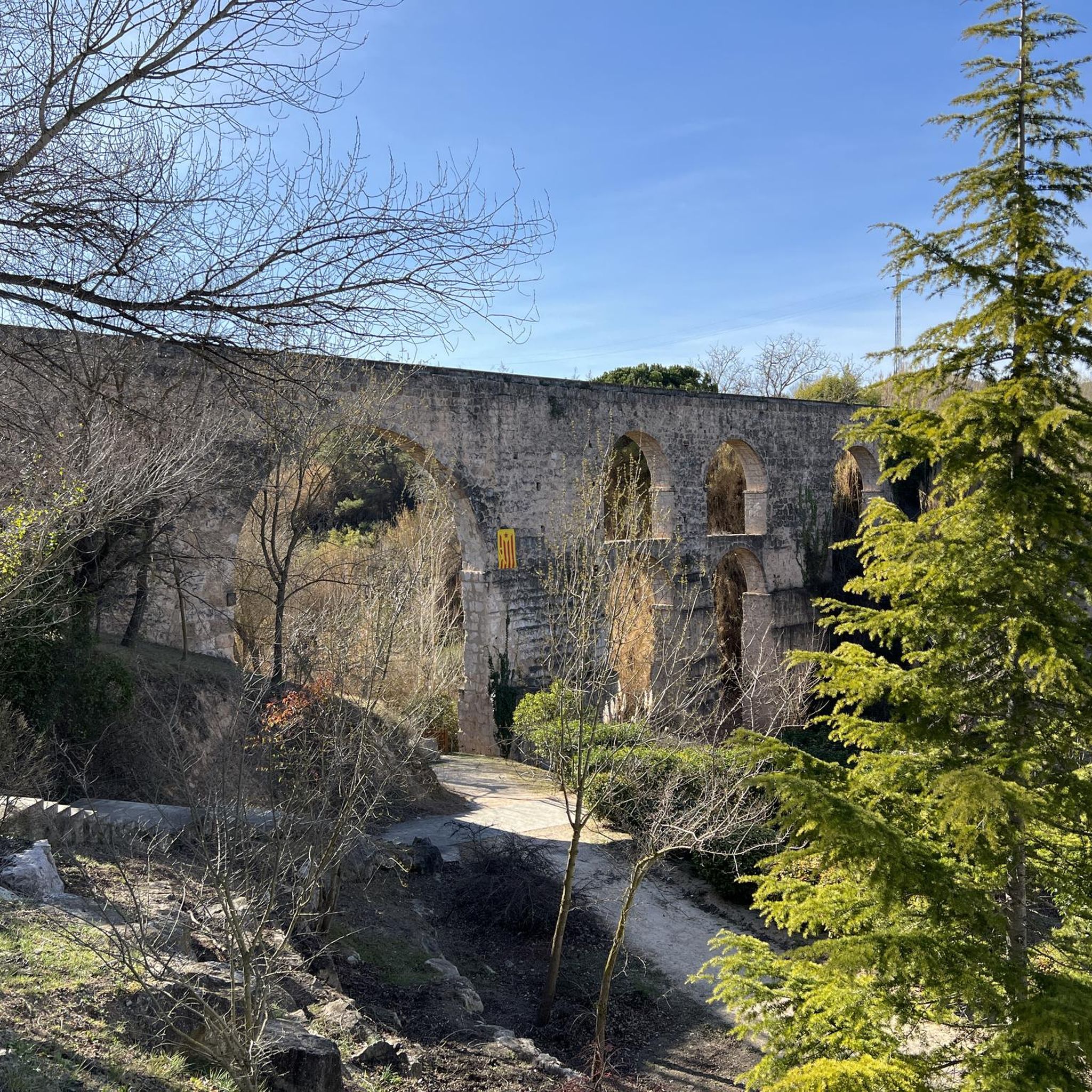
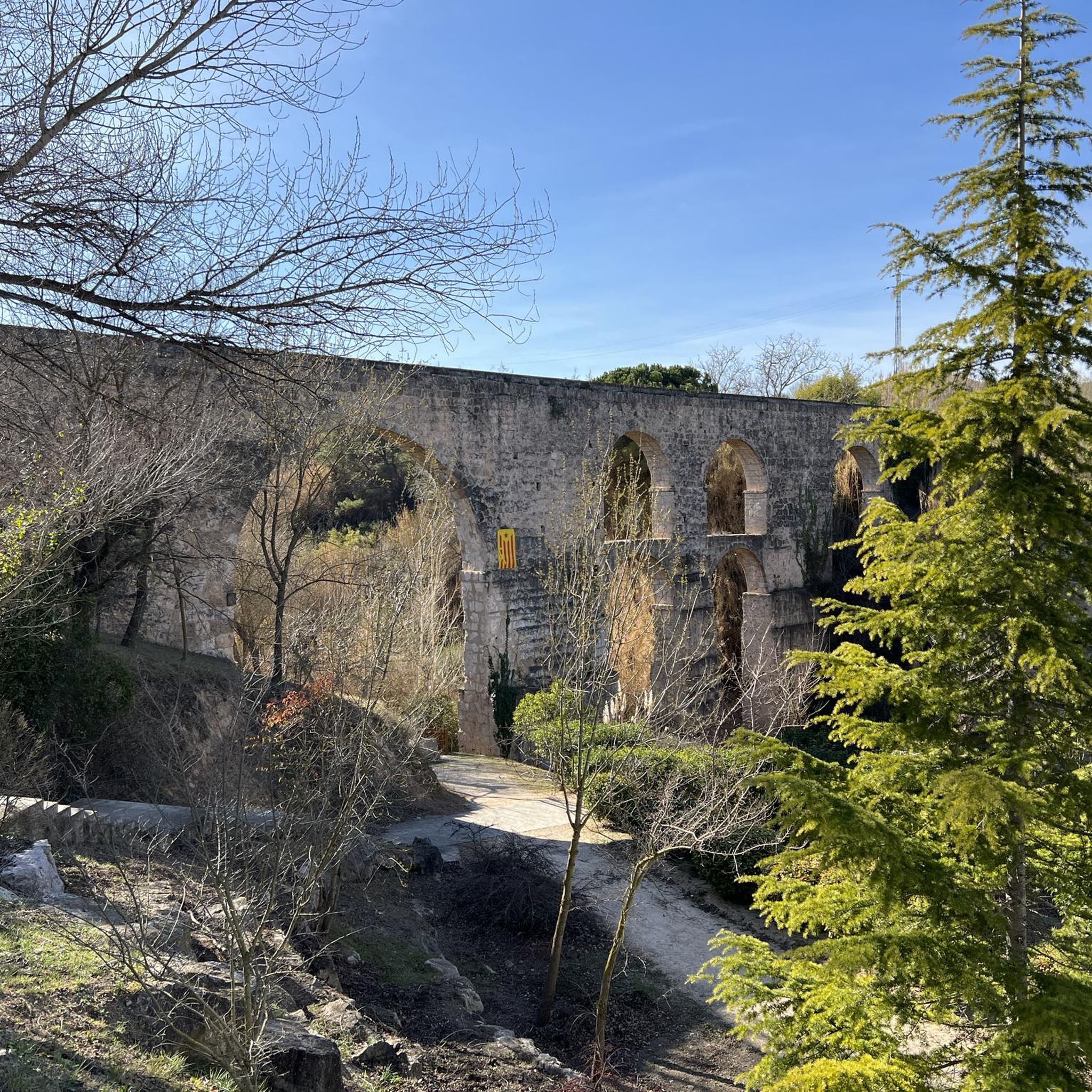
Yes, several attractions are suitable for families. The Gran Pèlag of Vilobí del Penedès, with its unique lagoons and ecosystem, can be an interesting natural exploration for children. The Parc del Pont Nou, surrounding the Aqueduct of Riudebitlles, offers a leisure area with picnic tables and paths for walking, perfect for a family outing. The Miravinya viewpoints, like Miravinya Balcó del Penedès, also provide accessible spots for enjoying the landscape together.
Can I learn about the region's traditional industries, like winemaking or paper-making?
Absolutely. The Alt Penedès region is renowned for its wine and cava production, with many bodegas (wineries) within a short distance of the village offering visits and tastings. The area also has a long history of paper-making, dating back to the 18th century. You can see many inactive paper mills along the banks of the Riudebitlles river, offering a glimpse into this traditional industry. The Aqueduct of Pont Nou, for instance, once supplied water to ten paper mills.
Are there any unique natural spaces formed by geological features?
Yes, the Gran Pèlag of Vilobí del Penedès is a prime example. This natural space consists of four crescent-shaped lagoons, which are the result of gypsum extraction activities dating back to Roman times. It features a unique microecosystem with distinct flora and fauna, offering a fascinating contrast to the surrounding wine-growing landscape.
What is the <a href="https://www.komoot.com/highlight/1596126" target="_blank" rel="noopener">Monastery of Saint Sebastian of the Gorgs</a> known for?
The Monastery of Saint Sebastian of the Gorgs is a significant Romanesque monastery founded in 1030. It is known for its well-preserved architecture, including a church with a single nave, a bell tower, and a cloister of great sculptural value. It has undergone several restorations to maintain its original appearance and protect its historical integrity.
Where can I find a pleasant river walk or picnic area?
The Camí del Riu (River Path) along the Bitlles River is ideal for a pleasant walk. It features charming washing places, the natural Font del Quadres spring, and a lovely picnic area shaded by plane trees. This path is part of the Mediona-Bitlles-Anoia river itinerary, offering a serene natural experience.
Are there any charming villages or settlements worth visiting nearby?
Yes, the small inhabited nucleus of L'Avellà, belonging to the municipality of Font-rubí, is a picturesque corner surrounded by vineyards and country houses. It's known for its unique architecture, including Villa Josefa Formosa and Can Gol, and offers beautiful landscapes and views, especially popular for cycling.
What are some easy hiking routes suitable for beginners around Sant Pere de Riudebitlles?
For beginners, there are several easy hiking options. The 'Waterfall – Mala Dona Waterfall loop from Canaletes' is a shorter, easy route. Another accessible option is the 'Cadira Viewpoint of Torrelavit – Miravinya “La Cadira” Viewpoint loop from Sant Pere de Riudebitlles', which is also rated as easy. These routes provide a gentle introduction to the region's natural beauty. More details can be found in the hiking guide.
Can I bring my dog on trails or to attractions in the area?
While specific dog-friendly policies for each attraction vary, many natural trails and outdoor areas in the Alt Penedès region are generally welcoming to dogs, especially if kept on a leash. The Camí del Riu (River Path) and many of the hiking routes are popular choices for walks with pets. It's always advisable to check local signage or specific attraction rules beforehand.
What is the significance of the old paper mills along the Riudebitlles river?
The old paper mills along the Riudebitlles river are a testament to the region's historical paper-making industry, which flourished from the 18th century. These inactive mills offer a glimpse into a traditional craft that was vital to the local economy. Structures like the Aqueduct of Pont Nou were built to support this industry, transporting water to power the mills, highlighting the ingenuity and industrial heritage of the area.
Is there a good spot for wild swimming or enjoying water features?
While not explicitly designated for wild swimming, the natural site of Les Deus, near Sant Quintí de Mediona, offers a magical environment with a small lagoon fed by underground water, which can be enjoyed for its scenic beauty. The Ruta Camí del Río Mediona nearby also follows the river through a captivating landscape of grottos, springs, and small waterfalls, providing opportunities to enjoy natural water features.
What is the <a href="https://www.komoot.com/highlight/3934046" target="_blank" rel="noopener">Sant Martí Sarroca Castle and Church Complex</a>?
The Sant Martí Sarroca Castle and Church Complex is a prominent historical site located on the turó de la Roca. It comprises the Romanesque church of Santa María and the 11th-century castle of Sant Martí. This complex offers not only a rich history, with signs of previous Iberian and Roman settlements, but also provides great views of the Penedès region from its elevated position.
Most popular routes around Sant Pere De Riudebitlles
Most popular attractions around Sant Pere De Riudebitlles

Get inspired with the komoot mobile app


Explore more
Still not found the Highlight you’re looking for? See guides of the top attractions in other regions:
