Attractions and Places To See around Onil - Top 20
Attractions and places to see around Onil blend historical significance with natural beauty and cultural heritage. Situated next to the Serra d'Onil within the Serra de Mariola, this region offers a mountainous environment ideal for outdoor activities. Onil is known for its toy manufacturing tradition and a variety of cultural sites. Visitors can explore historical landmarks, natural features, and museums.
Best attractions and places to see around Onil
- The most popular attractions is Biar, a settlement renowned for its…
Last updated: October 9, 2026
Biar
Highlight • Settlement
Translated by Google •
Tip by

Biar
Highlight • Settlement
Translated by Google •
Tip by

Sign up now to discover places like this
Get recommendations on the best single tracks, peaks, & plenty of other exciting outdoor places.
Alto del Menejador
Highlight • Summit
Translated by Google •
Tip by

Sanctuary of the Font Roja
Highlight • Religious Site
Translated by Google •
Tip by
Castle of Sax
Highlight • Castle
Translated by Google •
Tip by

Sign up for free to discover even more attractions around Onil.
Already have an account?


Tips from the Community

The Plaza de la Constitución should definitely be included. Church, town hall, pub: it's all there.
0
0

A charming destination steeped in history and renowned for its delicious cuisine, ideal for combining cultural tourism with nature. It's not a place for shopping sprees or nightlife, but rather for disconnecting and enjoying local traditions. Historical Heritage: The Almohad castle and the old town are authentic medieval gems, remarkably well-preserved. Natural Surroundings: Enclosed by mountains and hiking trails, it's perfect for those seeking tranquility and nature. Peaceful Atmosphere: This welcoming village is ideal for rural getaways away from the tourist crowds. Gastronomy: Traditional dishes like olleta (a hearty stew), gazpacho manchego (a traditional gazpacho from La Mancha), and homemade sweets are highly prized. Festivals and Culture: Its celebrations and craft fairs offer an authentic and engaging atmosphere.
1
0

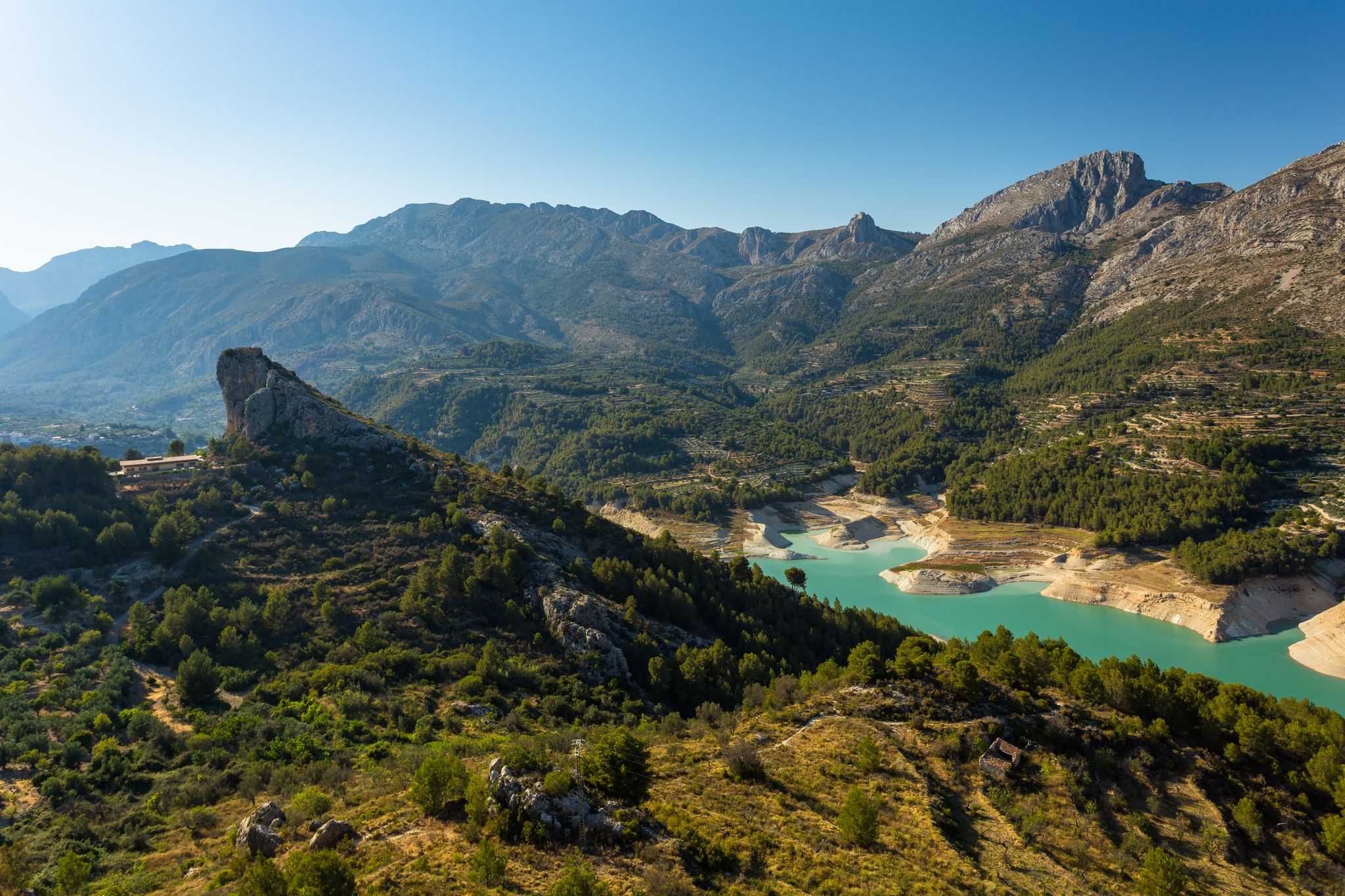
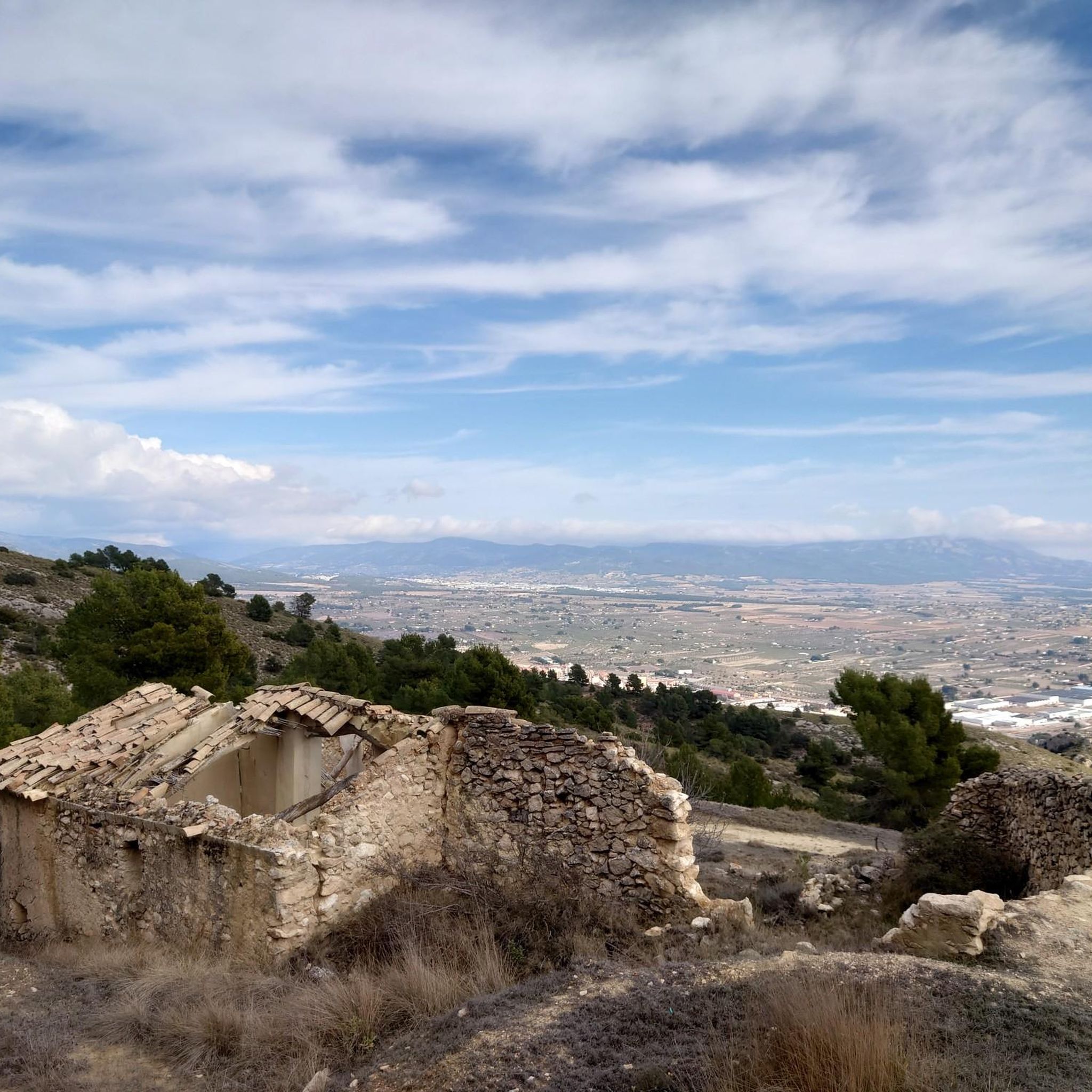
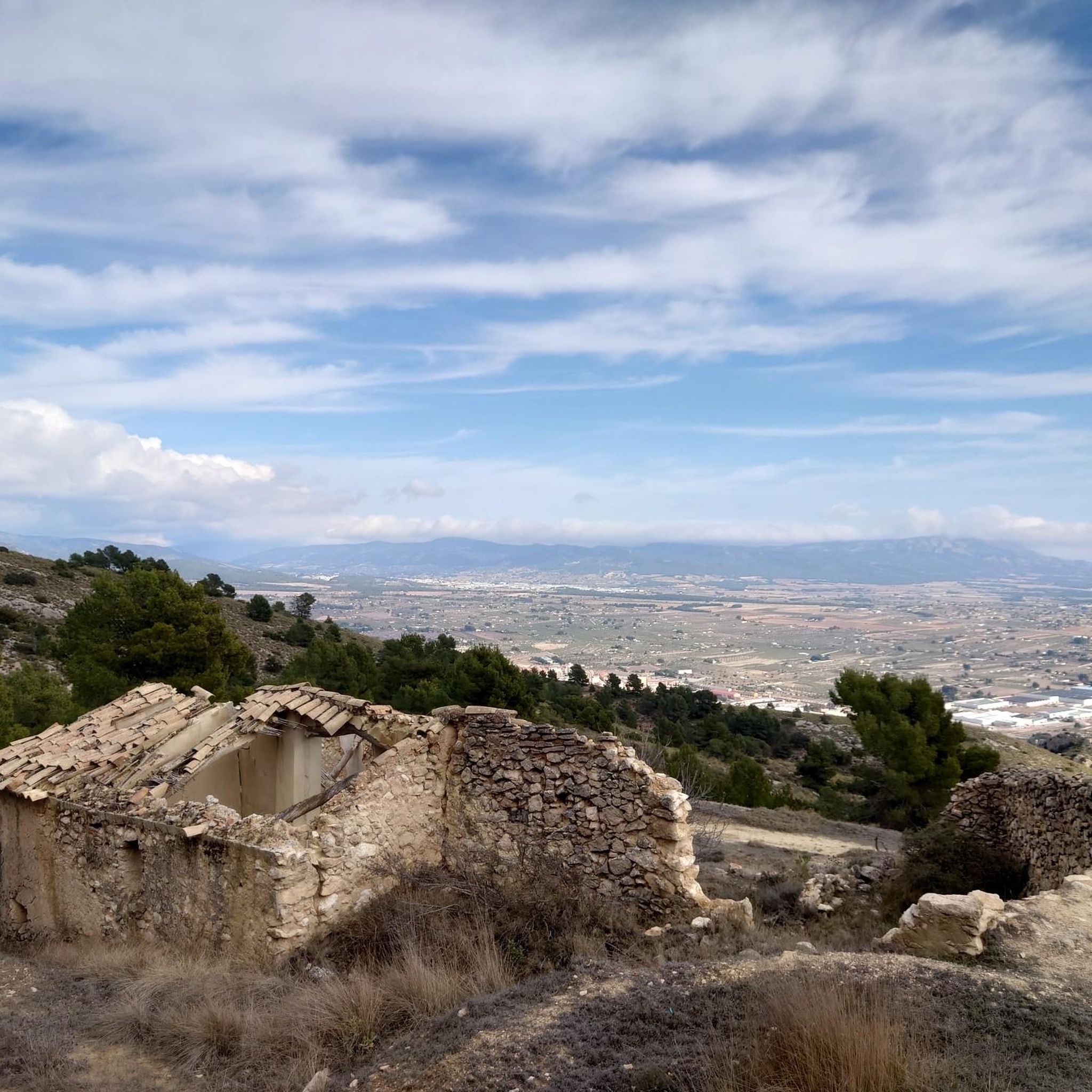
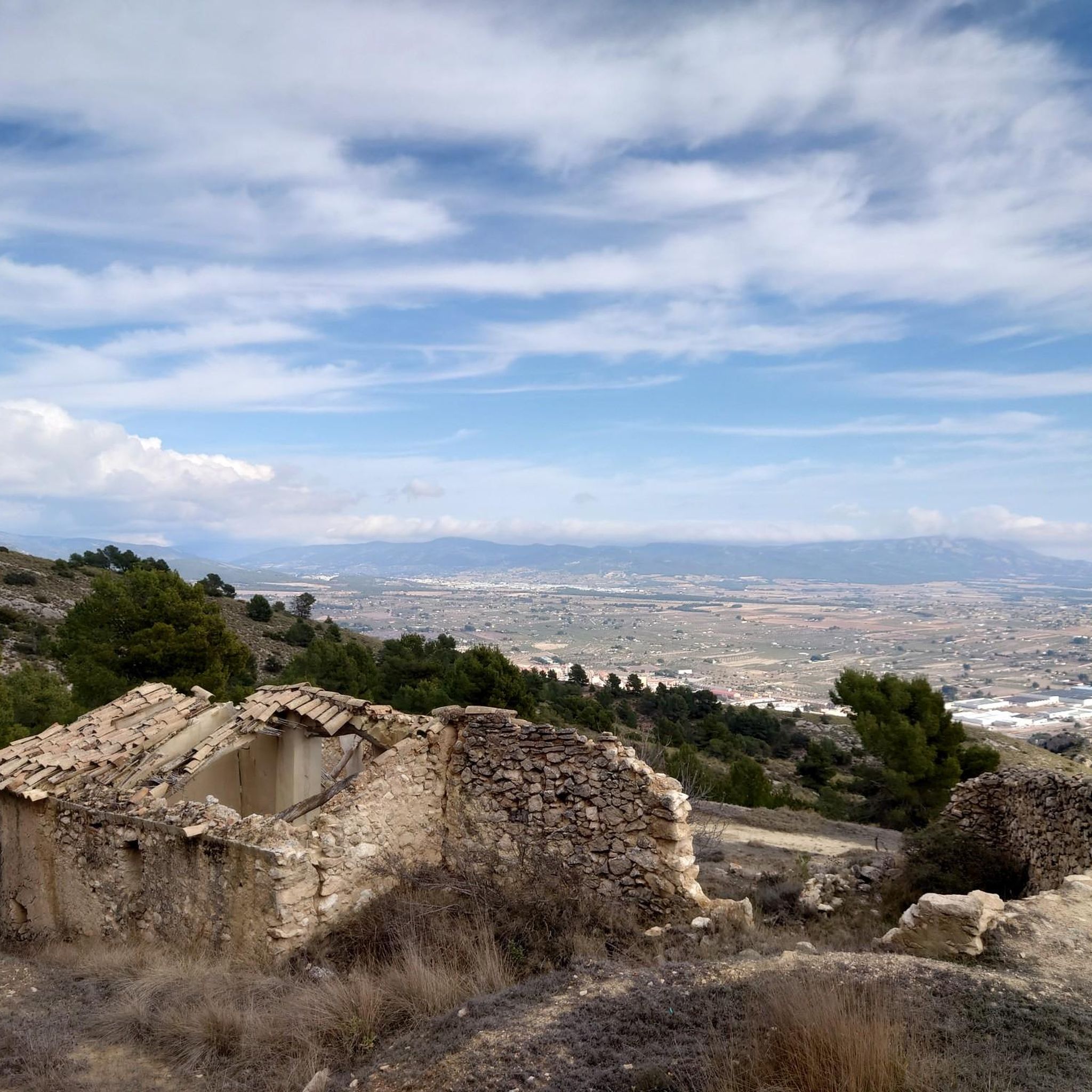
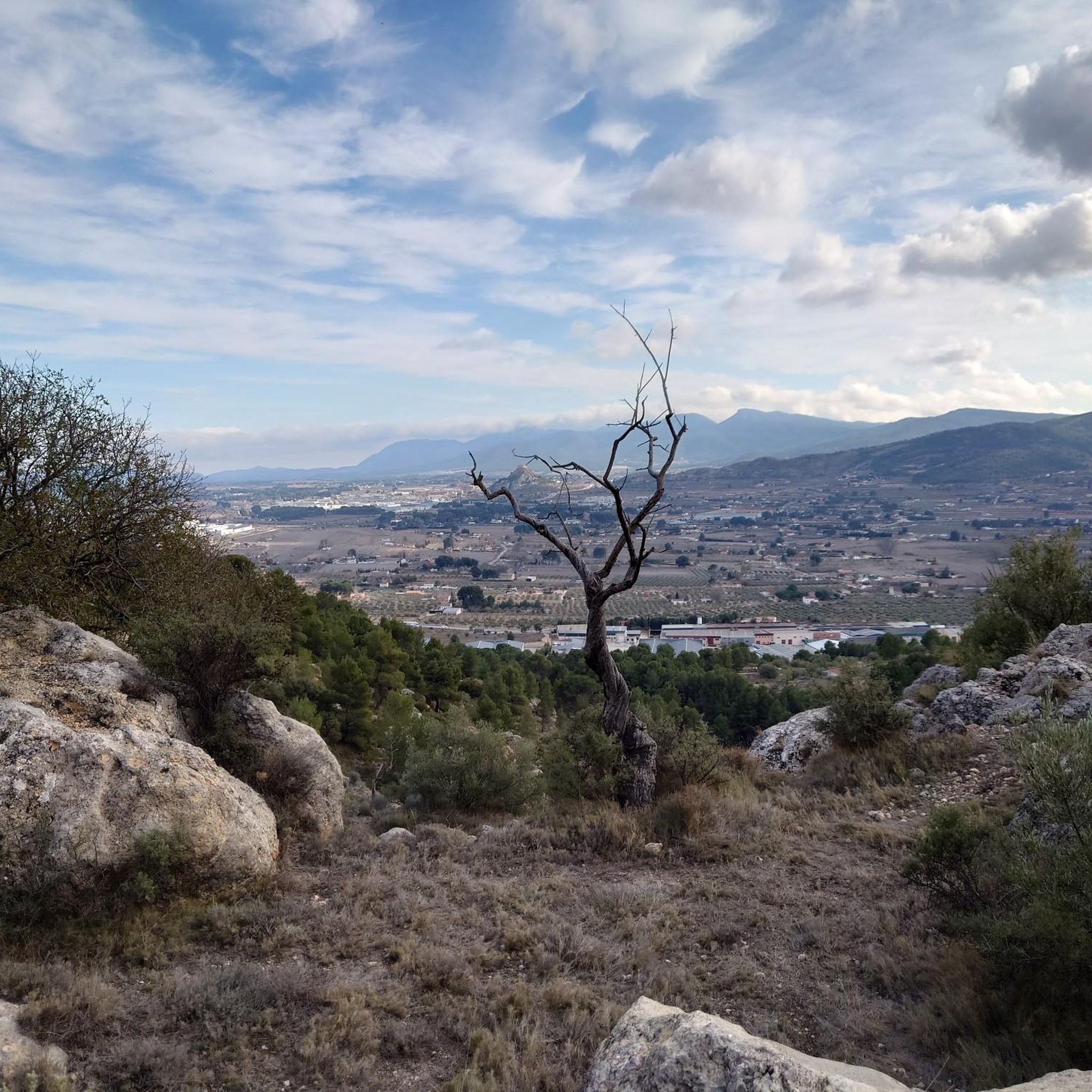
Superb panorama of La Canal and Foya d'Alcoy
0
0

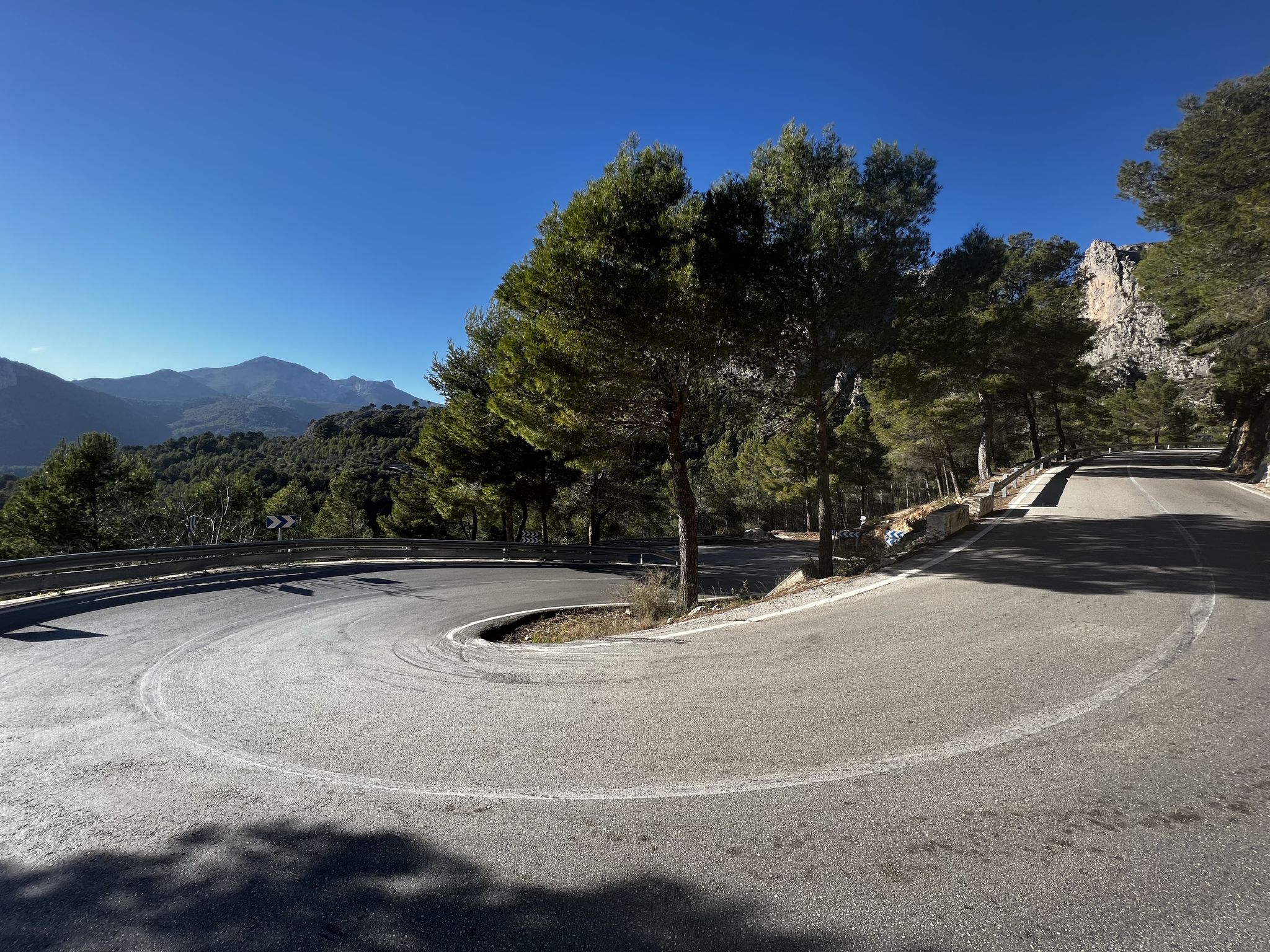
Good access for road bikes, little or no traffic, steep slope, good asphalt. At the fountain you can refill with fresh water
0
0


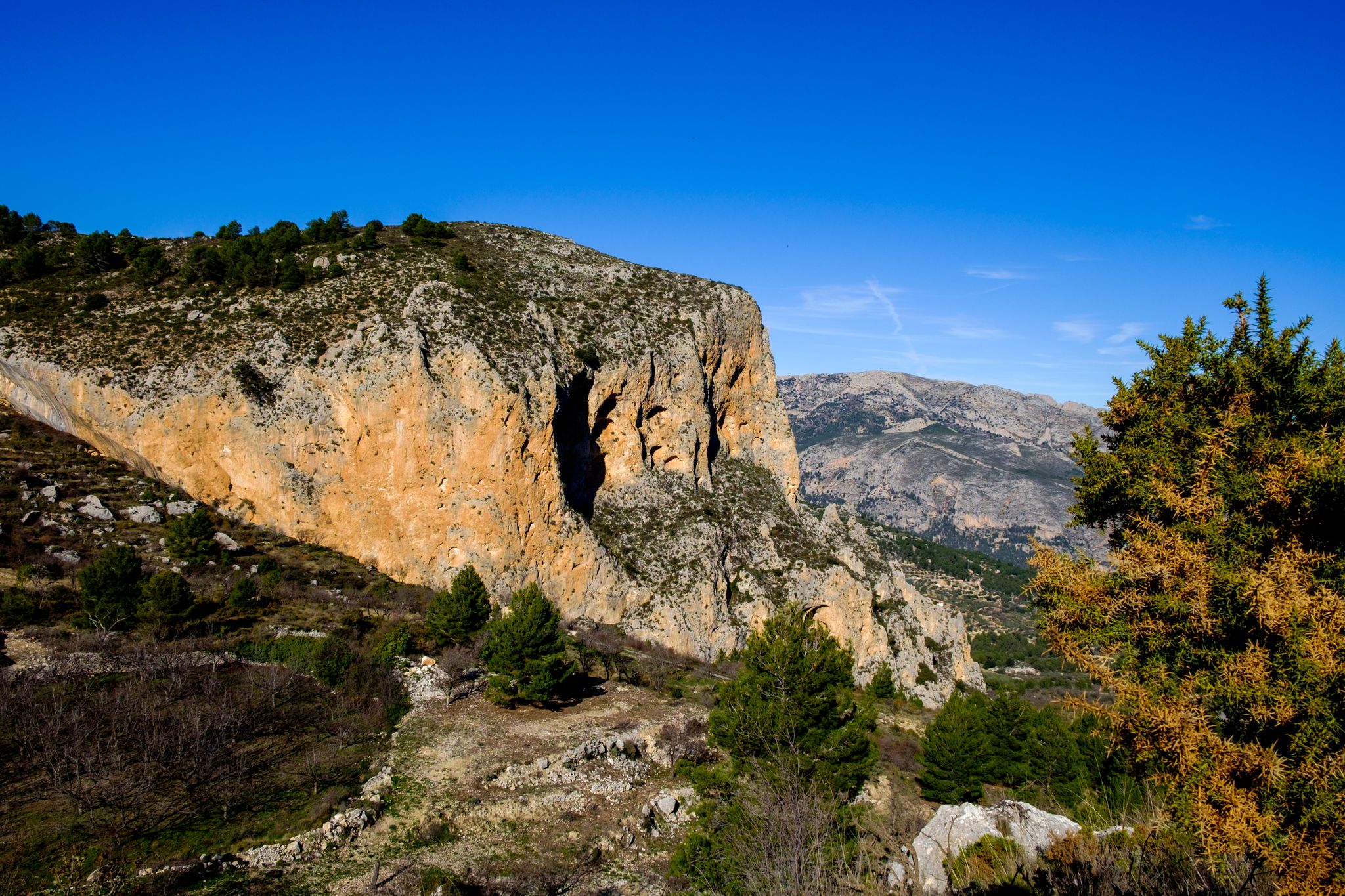
The oldest part of the castle is the eastern tower, built of tapia masonry on the steep slope of the cliff. It dates from the Almohad period, i.e., the late 12th to early 13th century. The second tower of the complex probably dates from the first decades of the 14th century. Originally a Moorish foundation, after the Reconquista the castle was located in the border area between the Kingdom of Murcia, claimed by Castile, and the Kingdom of Valencia, conquered by Aragon. A chain of castles was built in this area, mainly along the Vinalopó River. Around 1240, the castle was wrested from the Muslims under Aragonese leadership and with the help of the Templars and the Order of St. John. The castle in Sax is located on the CidCT route: Camino del Cid Cyclotourista route of castles in the historically contested border region between the Moors and the kingdoms of Castile, Valencia, and Aragon. Under the name "El Cid," Spain's knight Rodrigo Diaz de Vivar became a symbolic figure of the Reconquista. The Castilian nobleman fought against Moorish rulers and Christian rivals in the 11th century. He never lost a single battle; the Moors respectfully called him Alsayyed (Lord of the Leaders), which later became "El Cid." The Spanish, however, always referred to him as "El Compeador" (The Warrior).
6
0
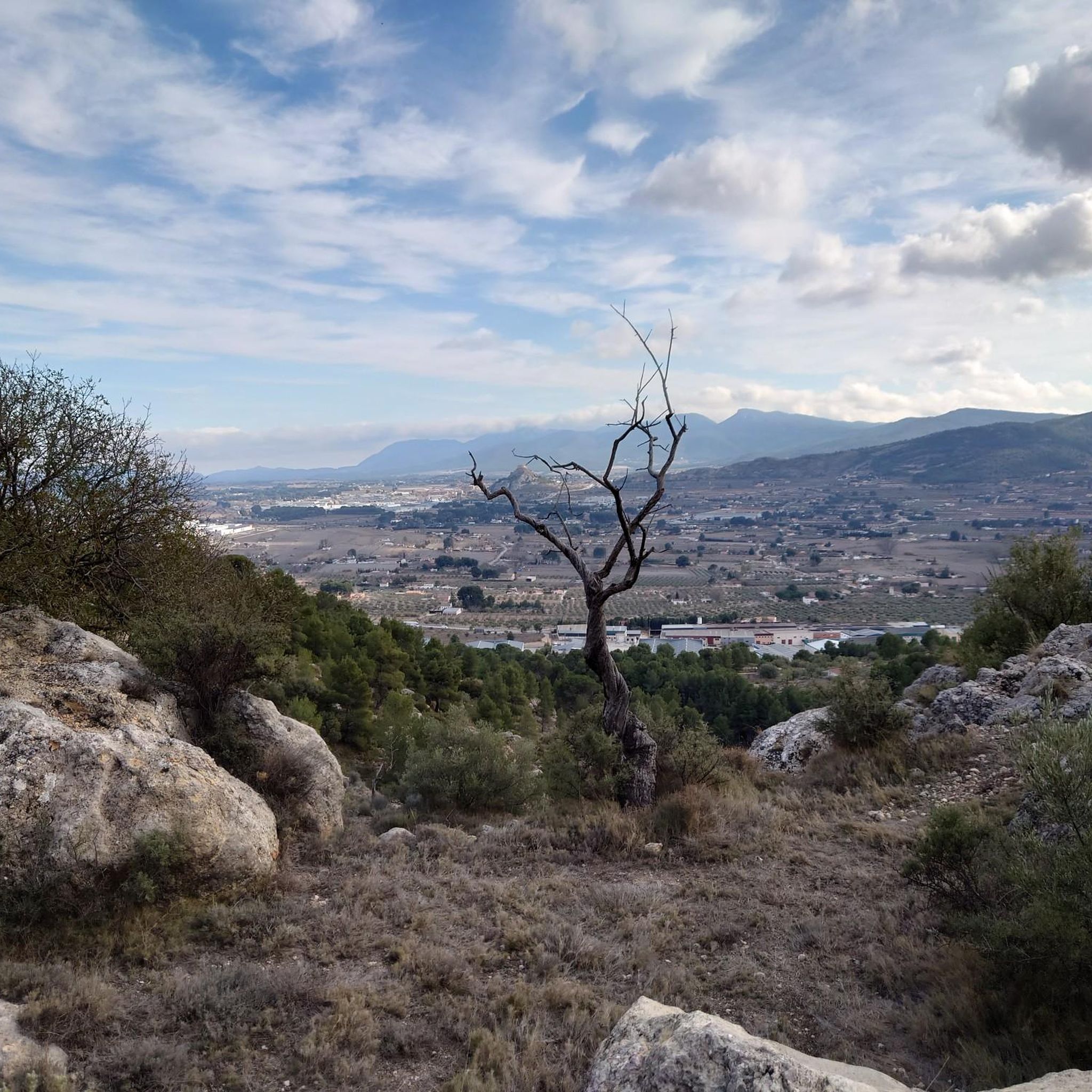
Biar is a small town situated at an altitude of approximately 700 meters in the Alt Vinalopó mountain region. Its most famous landmark is the Castillo de Biar, a medieval castle of Muslim origin, later expanded during the Christian Reconquista, which offers impressive views from its Torre del Homenaje (Tower of Homage). The old town is characterized by narrow streets and whitewashed houses, conveying an authentic medieval atmosphere. A historic church, traditional crafts such as ceramics, and the surrounding natural landscape make Biar a culturally and scenically appealing destination. I met friendly people and had pleasant conversations. Biar is absolutely worth seeing; the old town is best explored on foot and in more detail – a stroll through it is well worth it. 👍 CASTILLO DE BIAR – The Mother of all Castles and of the Knight El Cid The Castillo de Biar, associated with the name of the "Liberator of Valencia," Rodrigo Díaz de Vivar – better known as El Cid – is considered the "Mother of Castles" in this region. Not because it is the oldest, but because its history embodies numerous cultural and historical developments of the area. Moreover, its appearance perfectly matches the image one has of a castle since childhood: fortified walls, battlements and towers, a protected inner courtyard – all perched atop a striking hill, here at an altitude of approximately 750 meters. Nestled at the foot of this imposing rock is the village of Biar, seeking refuge and shade from the southern heat below the castle.
8
0
Frequently Asked Questions
What historical sites can I explore in Onil?
Onil offers a rich array of historical sites. You can visit the 16th-century Gothic and Renaissance-style Palace-Fortress of the Marqués de Dos Aguas, which now houses the town council and a festival museum. Adjacent to it is the Catholic Church of Saint James Apostles, completed in 1778. Other significant historical places include the 17th-century Hermitages of Saint Bonaventure and Saint Anna, an Air-raid shelter from the Spanish Civil War, and the well-preserved 18th-century El Pouet de la Neu / Pozo de Palillos (Ice House). Nearby, the settlement of Biar is renowned for its Almohad castle and medieval old town.
What museums are there in Onil?
Onil, known as the 'birthplace of the doll,' features several unique museums. The Museo de la Muñeca (Doll Museum) showcases the town's toy manufacturing heritage. You can also explore the Museo del Aceite (Olive Oil Museum), the Museo de los Festeros (Museum of Festivals) located within the Palace-Fortress, and the Museo de los Reyes Magos de Oriente (Museum of the Three Wise Men).
What natural attractions can I visit around Onil?
The region around Onil is rich in natural beauty. It is nestled beside the Serra d'Onil, an offshoot of the larger Serra de Mariola mountain range, offering a mountainous environment with panoramic views. A notable natural highlight is Alto del Menejador, a summit at 1350 meters with incredible 360-degree views. You can also explore Casa Tápena, a natural space featuring one of Spain's largest hedge mazes, picnic areas, and Mediterranean gardens. The Coto Escolar provides another natural spot for leisure under a large pine forest.
Are there good viewpoints in the Onil area?
Yes, the mountainous terrain around Onil offers several excellent viewpoints. Alto del Menejador, with its summit at 1350 meters, provides incredible panoramic views in all directions. The Sanctuary of the Font Roja also serves as a viewpoint offering stunning vistas of the L'Alcoia region. Additionally, the Hermitage of Santa Ana and the Santa Barbara Hermitage are situated in privileged enclaves with ample views.
What outdoor activities can I do near Onil?
The mountainous environment of the Serra d'Onil and Serra de Mariola provides ample opportunities for outdoor activities. You can enjoy hiking, trail running, and gravel biking. For detailed routes, explore the guides for Hiking around Onil, Running Trails around Onil, and Gravel biking around Onil.
Are there hiking trails suitable for different skill levels around Onil?
Yes, the region offers a variety of hiking trails. The Serra d'Onil and Serra de Mariola have numerous paths leading to points of interest like Peñas Rojas and Castellets. You can find trails ranging from moderate to difficult, such as the 'Barranco del Arcà loop from Alt de l'Arcadeta' (moderate) or 'Onil – El Reconco Geodetic Vertex loop from Onil' (difficult). For more options, check the Hiking around Onil guide.
Are there family-friendly attractions in Onil?
Yes, Onil offers attractions suitable for families. The Museo de la Muñeca (Doll Museum) is a fascinating visit for all ages, showcasing the history of doll manufacturing. The natural space of Casa Tápena features one of Spain's largest hedge mazes, along with picnic areas, barbecues, and playgrounds, making it ideal for a family day out. The Sanctuary of the Font Roja also has a recreational area with tables and facilities, perfect for a family stop.
What is the best time to visit Onil for outdoor activities?
Onil's location within the Serra d'Onil and Serra de Mariola makes it suitable for outdoor activities across various seasons. Spring and autumn generally offer pleasant temperatures for hiking, running, and exploring the natural landscapes. Summers can be warm, but the mountainous areas and shaded spots like Coto Escolar or the recreational area near the Sanctuary of the Font Roja provide cooler alternatives.
What cultural traditions is Onil known for?
Onil is famously known as the 'birthplace of the doll' due to its rich toy manufacturing tradition, which you can explore at the Museo de la Muñeca. The town also has vibrant festivals, particularly the Moros i Cristians (Moors and Christians) festival celebrated each April, which fills the streets with music, color, and elaborate costumes. The Museo de los Festeros provides insight into these unique celebrations.
What do visitors enjoy most about the attractions around Onil?
Visitors frequently appreciate the blend of historical heritage and natural beauty. The medieval history of places like Biar, with its castle and old town, is highly praised. The incredible panoramic views from summits like Alto del Menejador and the peaceful, scenic environment of religious sites such as the Sanctuary of the Font Roja are also popular highlights. The komoot community has shared 9 photos and given 21 upvotes, indicating a positive experience with the diverse attractions.
Are there any unique historical structures related to daily life in Onil's past?
Yes, Onil preserves unique structures that offer a glimpse into past daily life. The El Pouet de la Neu / Pozo de Palillos is a well-preserved 18th-century ice house, historically used for storing snow and ice, which was crucial for preservation before modern refrigeration. Additionally, an Air-raid shelter dating back to the Spanish Civil War (1937) served to protect workers and still preserves original wiring and an air-raid siren.
Are there any religious sites of interest in the Onil region?
The Onil region features several significant religious sites. The Catholic Church of Saint James Apostles, completed in 1778, is a prominent landmark. There are also the 17th-century Hermitages of Saint Bonaventure and Saint Anna. Further afield, the Sanctuary of the Font Roja is not only a religious site but also a viewpoint within a natural park, and the Santa Barbara Hermitage offers a small, historic place of worship in a picturesque setting.
What kind of landscapes can I expect to see around Onil?
Around Onil, you can expect diverse landscapes ranging from mountainous terrain to cultivated valleys. The town is situated next to the Serra d'Onil, an offshoot of the larger Serra de Mariola, characterized by rugged peaks and lush forests. You'll find ravines such as El Cagarnero, Torriá, La Cova, Els Sirers, and Arcaeta. The area also features Mediterranean gardens and small forests, particularly in natural spaces like Casa Tápena.
Most popular attractions around Onil

Get inspired with the komoot mobile app


Explore more
Still not found the Highlight you’re looking for? See guides of the top attractions in other regions:
