Attractions and Places To See around Algodre - Top 8
Best attractions and places to see around Algodre include historical architecture, cultural sites, and natural landscapes. This municipality in Zamora, Spain, offers a glimpse into traditional village life. The area is characterized by vast cultivated fields and proximity to the Duero River, providing opportunities for outdoor exploration. There are 8 hidden gems waiting to be discovered.
Best attractions and places to see around Algodre
- The most popular attractions is Church of San Salvador de Villaralbo, a religious building located…
Last updated: June 29, 2026
Church of San Martín de Molacillos
Highlight • Religious Site
Translated by Google •
Tip by

Church of San Salvador de Villaralbo
Highlight • Religious Site
Translated by Google •
Tip by

Sign up now to discover places like this
Get recommendations on the best single tracks, peaks, & plenty of other exciting outdoor places.
Sign up for free
Duero Trail
Highlight • Trail
Translated by Google •
Tip by

View of the Duero River in Fresno de la Ribera
Highlight • Viewpoint
Translated by Google •
Tip by
From Madridanos to Villalazán
Highlight (Segment) • Cycleway
Translated by Google •
Tip by

Sign up for free to discover even more attractions around Algodre.
Sign up for free
Already have an account?
Start today with a free account
Your next adventure awaits.
Login or Signup
Popular around Algodre

Tips from the Community

An unexpected gem in the middle of Tierra de Campos, this is one of those stops you don't expect... and it leaves you speechless. Its imposing Baroque façade, one of the most spectacular in the province, peeks out from among quiet streets and rural roads perfect for MTB or gravel riding. Just riding here is worth it, but standing in front of that stone and brick entrance, with that hidden cathedral feel, is a moment of wonder. Ideal for a photo with your bike, stretching your legs, and letting the place surprise you. If you're looking for a stop with impact that will elevate your route... this is it.
0
0

Beautiful road that brings these two towns together at the top of what is called Tierra del Vino and which touches the waters of the Río Duero.
0
0

In the center of the small town of Molacillos you will find the Church of San Martín. It was built in 1748 during the Baroque period. It has four turned domes and a tower.
1
0

Villaralbo is a small town on the outskirts of Zamora, on the banks of the Duero River. The town is located on the Jacobean route Vía de la Plata.
2
0
Small rural town on the banks of the Duero River next to the N-122 national highway that connects Zamora with Tordesillas. Beautiful views of the Douro River landscape.
1
1

At this point on the banks of the Duero River, we will visit one of the most beautiful stretches of our route through the Plantío Viejo. The area is covered with information points that will indicate the paths that we can take at all times.
1
1
At this point on the banks of the Duero River, we will visit one of the most beautiful stretches of our route through the Plantío Viejo. The area is covered with information points that will indicate the paths that we can take at all times.
2
0
Frequently Asked Questions
What historical and cultural sites can I visit around Algodre?
Algodre and its surroundings are rich in historical and cultural sites. You can explore the medieval Church of San Salvador de Villaralbo, located on the Jacobean route Vía de la Plata. Another significant site is the Church of San Martín de Molacillos, a Baroque religious building from 1748 known for its imposing façade. Within Algodre itself, the 17th-century Iglesia de la Virgen de Belén houses a 13th-century Romanesque carving of the Virgen de Belén, and the Iglesia Parroquial de San Juan Bautista showcases traditional architecture.
Are there natural attractions or trails for walking near Algodre?
Yes, Algodre is surrounded by natural landscapes perfect for walking. The Duero Trail offers beautiful stretches along the banks of the Duero River with information points for exploration. You can also discover the Ruta de los Campos de Algodre, which winds through extensive cultivated fields, providing tranquil views that change with the seasons. These paths are ideal for enjoying the rural environment.
What are some unique or 'hidden gem' attractions in the area?
The Church of San Martín de Molacillos is often described as an 'unexpected gem' due to its spectacular Baroque façade, which stands out amidst quiet rural roads. It's a surprising stop that leaves visitors impressed. Additionally, the traditional architecture found throughout Algodre's streets offers a glimpse into its agricultural past and strong community ties.
What outdoor activities can I do near Algodre?
Beyond walking, the area around Algodre offers various outdoor activities. You can find several running trails, such as the Ribera del Duero – Altos de San Lorenzo Nature Trail. For cyclists, there are numerous road cycling routes, including the 'Tierra del Pan' route, and mountain biking trails like those around the Don Ramón Álvarez Monument. You can find more details on these routes in the Running Trails around Algodre, Road Cycling Routes around Algodre, and MTB Trails around Algodre guides.
Are there family-friendly attractions or activities in Algodre?
Many of the natural trails, such as the Duero Trail, are suitable for families looking to enjoy a walk in nature. Exploring the traditional architecture of Algodre and nearby villages like Villalube can also be an engaging activity for all ages, offering a glimpse into traditional Spanish village life.
What is the best time of year to visit Algodre?
The natural environment of Algodre, defined by its vast cultivated fields, displays golden and green hues that change with the seasons. Spring and autumn generally offer pleasant temperatures for outdoor activities like walking and cycling, with the landscape at its most vibrant. Summer can be warm, ideal for enjoying longer daylight hours, while winter provides a quieter, more serene experience.
What is the 'Bolero de Algodre'?
Algodre is renowned for lending its name to the famous 'Bolero de Algodre,' a well-known piece of Zamoran folklore. This traditional dance is characterized by its solemnity and elegance, reflecting the cultural heritage of the region.
Can I find religious buildings with significant art or architecture?
Absolutely. The Church of Our Lady of the Assumption in Coreses, for example, is a late 18th-century church featuring a Neoclassical altarpiece, a Baroque image of the Virgin Mary, and a 15th-century carving of Saint Roch. The Iglesia de la Virgen de Belén in Algodre also boasts a complex 16th-century main chapel and a 13th-century Romanesque carving.
What kind of landscape defines the Algodre area?
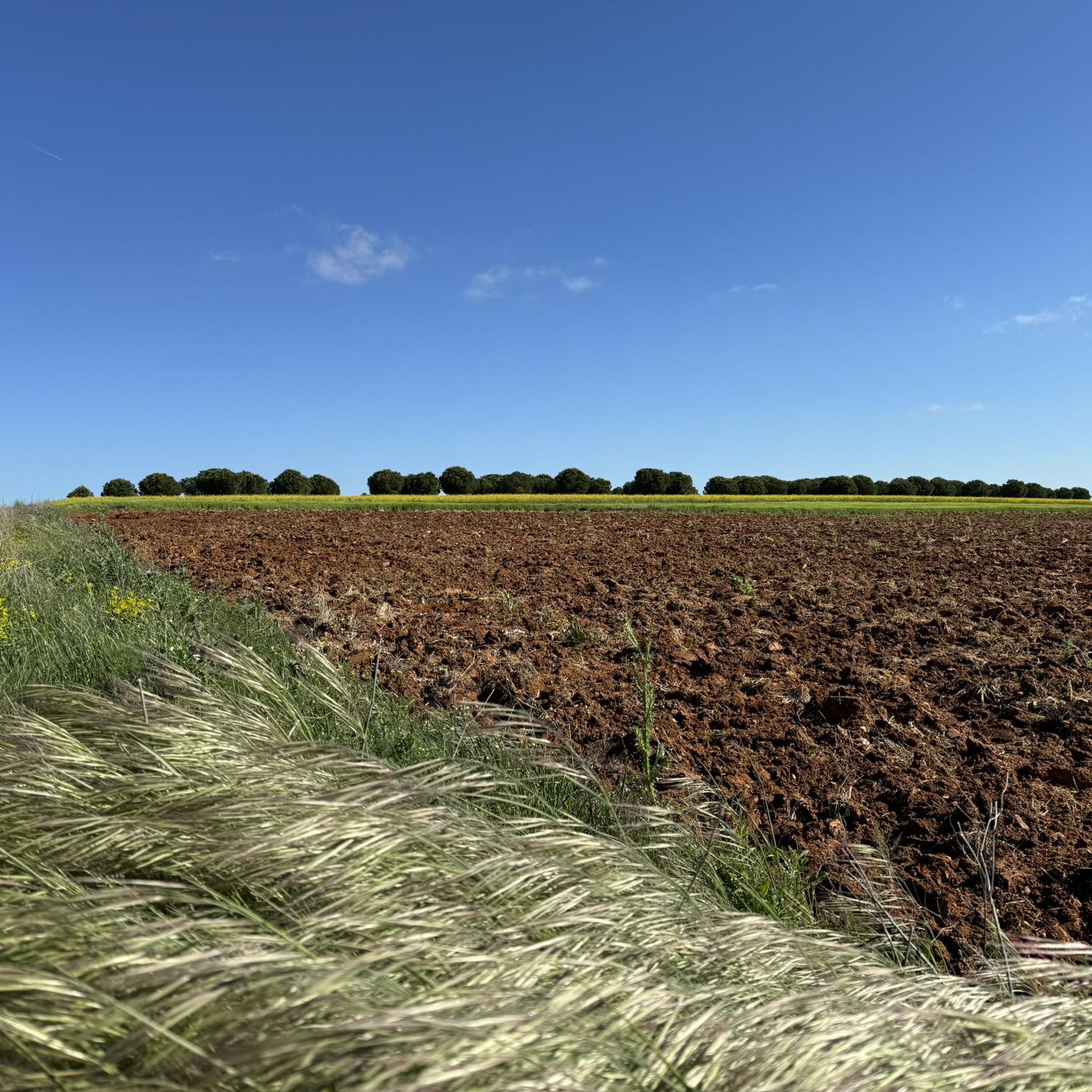
The landscape around Algodre is primarily defined by extensive cultivated fields that stretch as far as the eye can see. These fields offer panoramic views and change colors with the seasons, from vibrant greens to golden hues. The area also features rural paths and is in proximity to the Duero River, contributing to a tranquil and picturesque rural environment.
Are there any settlements or villages worth visiting near Algodre?
Yes, nearby settlements offer additional points of interest. Villalube is a charming village close to the Arroyo de las Fuenticas. Villaralbo, home to the Church of San Salvador, is another small town on the banks of the Duero River that is part of the Jacobean route Vía de la Plata.
What do visitors enjoy most about the attractions around Algodre?
Visitors particularly appreciate the historical depth of the religious buildings, such as the 'unexpected gem' of the Church of San Martín de Molacillos, and the serene beauty of the natural trails like the Duero Trail. The opportunity to explore traditional architecture and experience authentic Spanish village life in a tranquil rural setting is also highly valued.
Most popular routes around Algodre

Get inspired with the komoot mobile app


Explore more
Still not found the Highlight you’re looking for? See guides of the top attractions in other regions:
