Attractions and Places To See around Cebolla - Top 9
Best attractions and places to see around Cebolla, a municipality in Toledo, Spain, offer a blend of history and natural beauty. Situated on the banks of the Tagus River, the area features a landscape of cereal fields and olive groves. Its historical legacy includes Roman influences and medieval architecture, providing a rich cultural backdrop for exploration.
Best attractions and places to see around Cebolla
- The most popular attractions is Parish Church of Our Lady of the Assumption, a religious…
Last updated: June 29, 2026
Parish Church of Our Lady of the Assumption
Highlight • Religious Site
Translated by Google •
Tip by

Malpica Castle
Highlight • Castle
Translated by Google •
Tip by

Sign up now to discover places like this
Get recommendations on the best single tracks, peaks, & plenty of other exciting outdoor places.
Sign up for free
Cebolla Castle Ruins
Highlight • Castle
Translated by Google •
Tip by
Monument to the Victims of COVID-19 and the Spanish Civil War, Montearagón
Highlight • Monument
Translated by Google •
Tip by
Church of the Virgin of Peace of Illán de Vacas
Highlight • Religious Site
Translated by Google •
Tip by
Sign up for free to discover even more attractions around Cebolla.
Sign up for free
Already have an account?
Start today with a free account
Your next adventure awaits.
Login or Signup
Popular around Cebolla
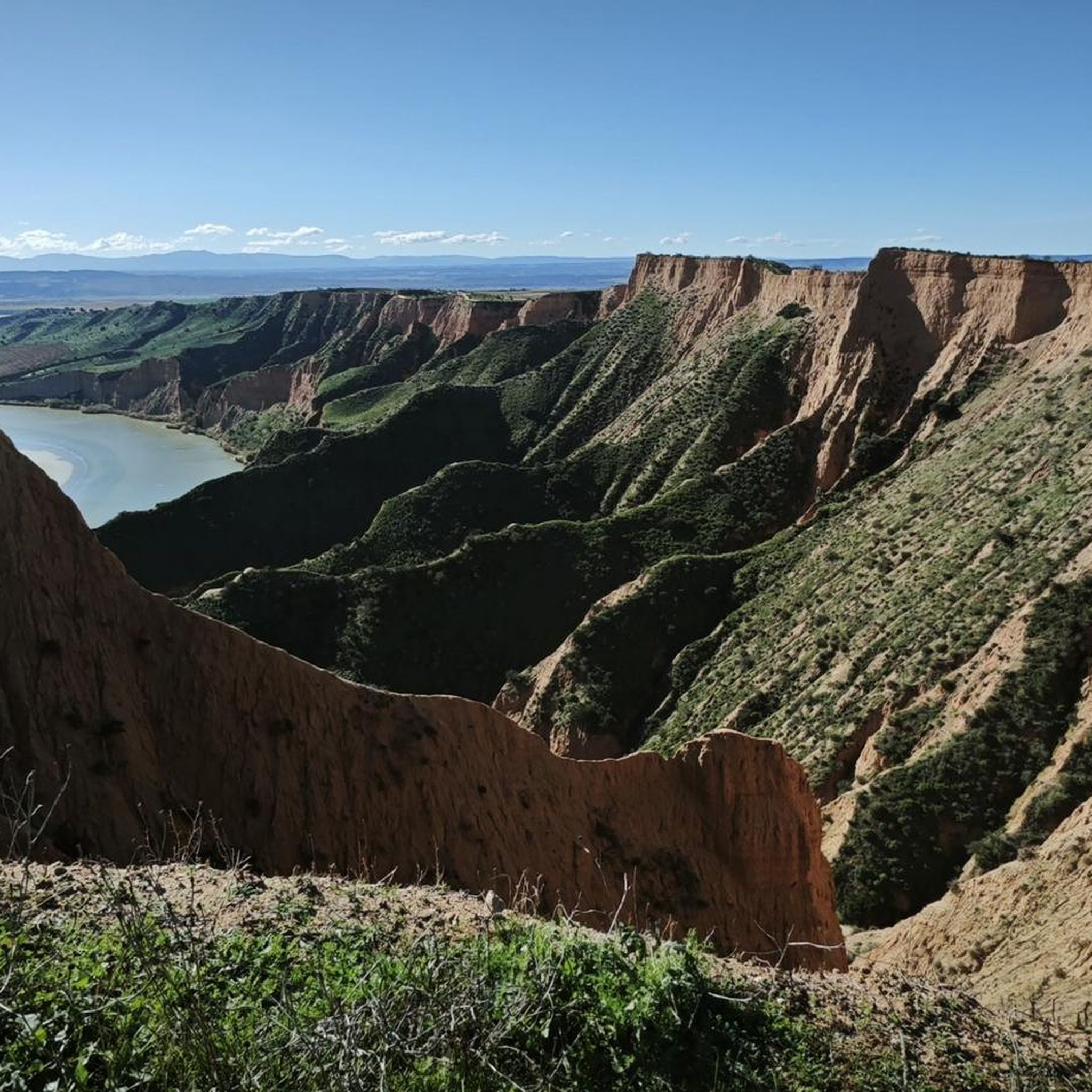
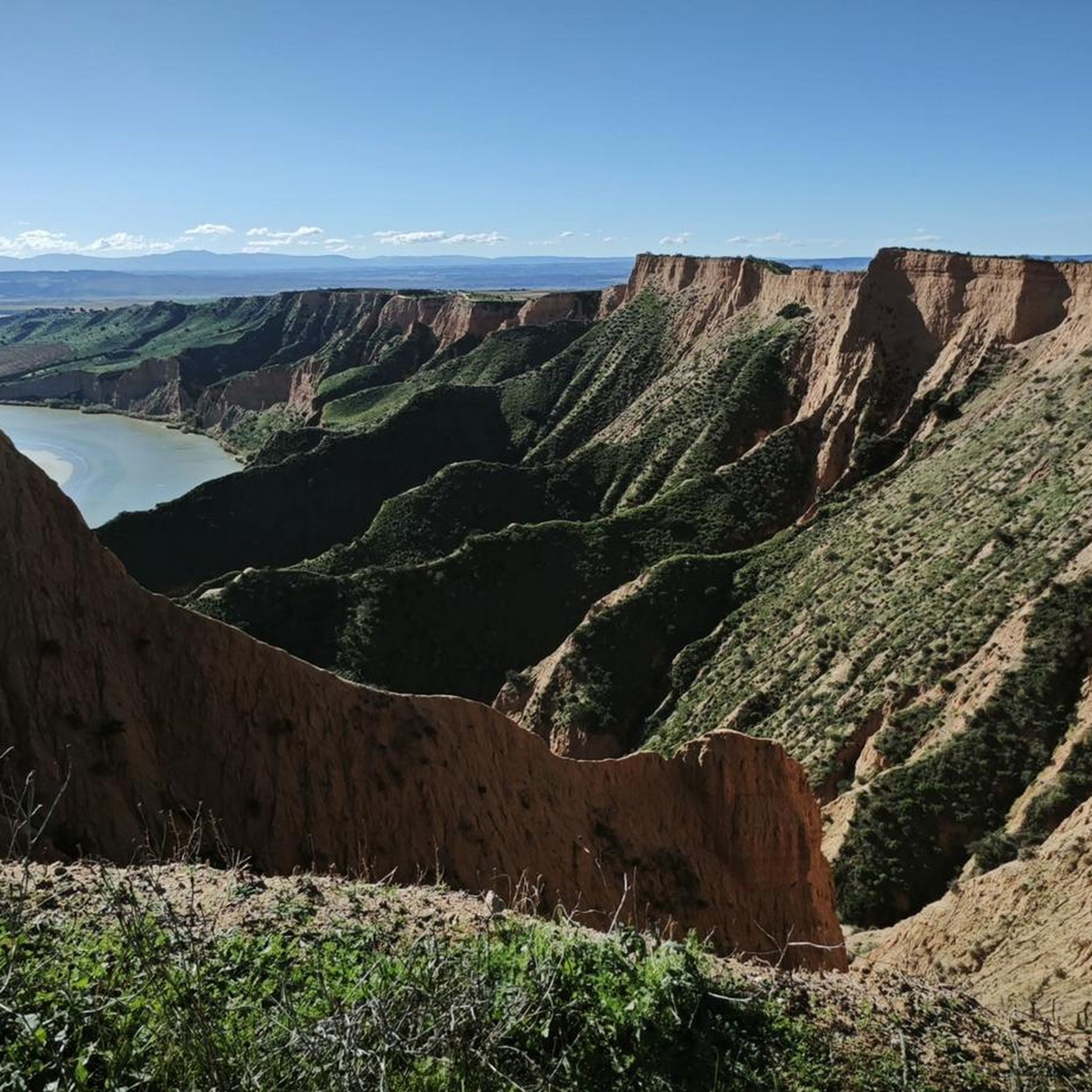
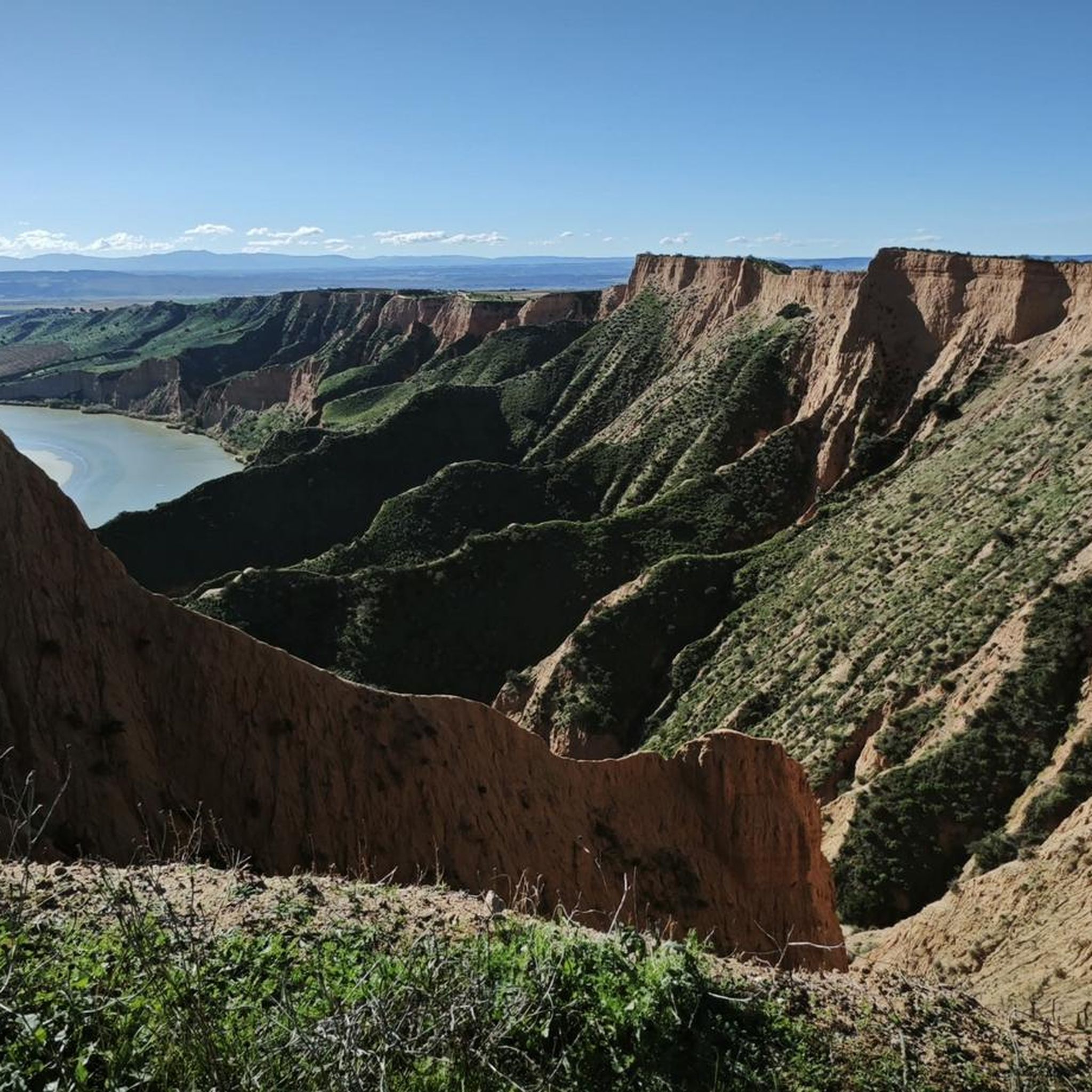
Tips from the Community

Malpica Castle is the most emblematic construction of the Toledo town of Malpica de Tajo. It is an impressive fortification of Arab origin built in the 14th century. Made of brick and surrounded by several moats and the waters of the Tagus, it stands out for the solidity and strength of its structure.
1
0

With three inhabitants according to the 2021 census, it is the municipality with the smallest number of inhabitants in Spain.
1
0

This castle, privately owned by the Duchy of Arion, is not open to the public and cannot be visited inside, although it is probably worth it since it has the peculiarity of having been continuously inhabited for centuries. The most we can do is surround it or observe it from the opposite bank of the river, which gives it an unusual atmosphere in the medieval architecture of the Iberian Peninsula.
2
0

Built by the Arabs in the 10th century as part of a set of defensive fortifications and later converted into a residential palace, the Malpica castle is one of the few in Spain that is located on the banks of a river, and in this case nothing less than the Tagus. Unfortunately it is private property and you cannot enter it, but it is nonetheless an attractive building that stands out when you cross the bridge to enter the town from where you will have the best views of it.
1
1
With 3 registered people, Illán de Vacas is the municipality with the fewest inhabitants in Spain. There are other towns with the same or even less number of neighbors but they belong to other municipalities that together have more inhabitants.
2
0

Farming village between olive groves and vineyards that celebrates a wine festival in summer. It is a classic rural enclave on the banks of the Tagus with low houses and a quiet atmosphere.
1
1
The parish church of San Cipriano stands on top of the hill where the town lies, standing out among olive and cereal fields irrigated with the waters of the nearby Tagus riverbed. Cebolla is part of the region of Talavera de la Reina and, among its narrow and twisting streets, you can find a variety of services for the intern.
1
0
The town stands out on a hill in the middle of the cereal fields and olive groves. It is the typical rural enclave of the Toledo plain in which its parish church and the Quevedo house from the 16th century or the stately manor houses characterized by their double height, stately coats of arms and Arab tiles stand out.
1
0
Frequently Asked Questions
What historical sites can I explore in Cebolla?
Cebolla offers a rich historical tapestry. You can visit the Parish Church of Our Lady of the Assumption, a 16th-century Renaissance church believed to be built on the remains of an old castle. The Cebolla Castle Ruins also evoke the region's medieval past. Additionally, the Parish Church of San Cipriano and the Hermitage of Sanillán (Nuestra Señora del Antigua) are significant landmarks.
Are there any castles to visit in or near Cebolla?
Yes, Cebolla and its surroundings feature notable castles. You can explore the Cebolla Castle Ruins. Nearby, Malpica Castle, an impressive 14th-century fortification of Arab origin, stands out. While Malpica Castle is privately owned and not open for interior visits, its exterior and setting by the Tagus River are worth observing from the opposite bank.
What natural attractions are there along the Tagus River in Cebolla?
The Tagus River banks are a central natural feature of Cebolla. The area is ideal for pleasant walks and various hiking routes, including a 'Tagus Valley route' that explores old flour mills. The river also provides opportunities for water activities like canoeing or kayaking.
Can I find family-friendly activities or attractions in Cebolla?
Yes, Cebolla offers several family-friendly options. The Church of the Virgin of Peace of Illán de Vacas is noted as family-friendly. Exploring the historic streets of Cebolla, enjoying walks along the Tagus River, and participating in local gastronomic experiences can also be enjoyable for families.
What kind of outdoor activities, like hiking or cycling, are available near Cebolla?
The area around Cebolla is excellent for outdoor activities. You can find numerous routes for road cycling, mountain biking, and general cycling. For specific routes and guides, check out the Road Cycling Routes around Cebolla, MTB Trails around Cebolla, and Cycling around Cebolla guides. Hiking routes along the Tagus River are also popular.
What is the local gastronomy like in Cebolla?
Cebolla boasts a delightful local gastronomy. Key elements include olive oil, artisan cheeses, and traditional stews. The town is also known for its figs, with dedicated gastronomic events and contests, and local bakeries offering excellent products.
Are there any unique cultural events or traditions in Cebolla?
Cebolla has a vibrant cultural calendar. Holy Week (Semana Santa) is a deeply traditional event, declared a festival of regional tourist interest, featuring the unique 'dance of the flag' on Easter Sunday. Renaissance Days recreate the arrival of the Catholic Monarchs in 1502 with a medieval market, and the town also hosts Flamenco and Rocío Fairs.
What are some lesser-known or hidden gems to discover in Cebolla?
Beyond the main landmarks, strolling through Cebolla's narrow and winding historic streets offers a glimpse into traditional architecture and charm. The Hermitage of Sanillán, described as a jewel of heritage in a beautiful natural setting, is also a significant local treasure.
What is the best time of year to visit Cebolla for outdoor activities?
While specific seasonal data isn't provided, the region's climate suggests spring and autumn would be ideal for outdoor activities like hiking and cycling, offering milder temperatures compared to the summer heat.
Where can I find religious landmarks in Cebolla?
Cebolla is home to several significant religious landmarks. The Parish Church of Our Lady of the Assumption is a prominent 16th-century Renaissance church. Other notable sites include the Parish Church of San Cipriano and the Hermitage of Sanillán (Nuestra Señora del Antigua), which is the destination for a significant pilgrimage.
What makes the Parish Church of Our Lady of the Assumption notable?
The Parish Church of Our Lady of the Assumption is a 16th-century Renaissance church that stands out on a hill amidst cereal fields and olive groves. It is believed to be built on the remains of an old castle, with the base of its current bell tower possibly being part of the original fortification.
What kind of art or crafts is Cebolla known for?
Cebolla is home to ceramic artists who adapt traditional Talavera ceramics into modern uses, including exquisite jewelry. This showcases a blend of historical craft with contemporary design.
Most popular routes around Cebolla

Get inspired with the komoot mobile app


Explore more
Still not found the Highlight you’re looking for? See guides of the top attractions in other regions:
