Attractions and Places To See around Coripe - Top 20
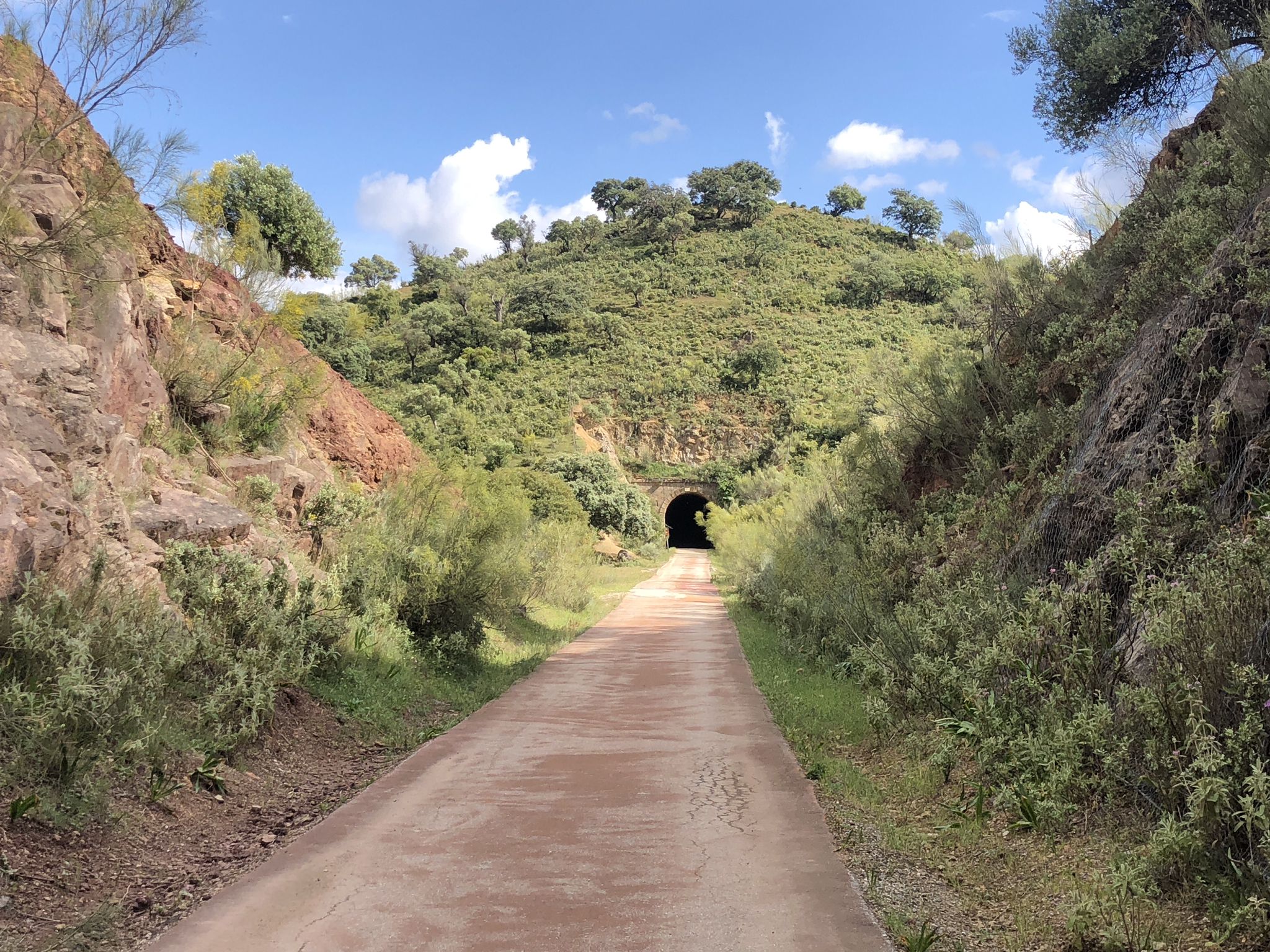
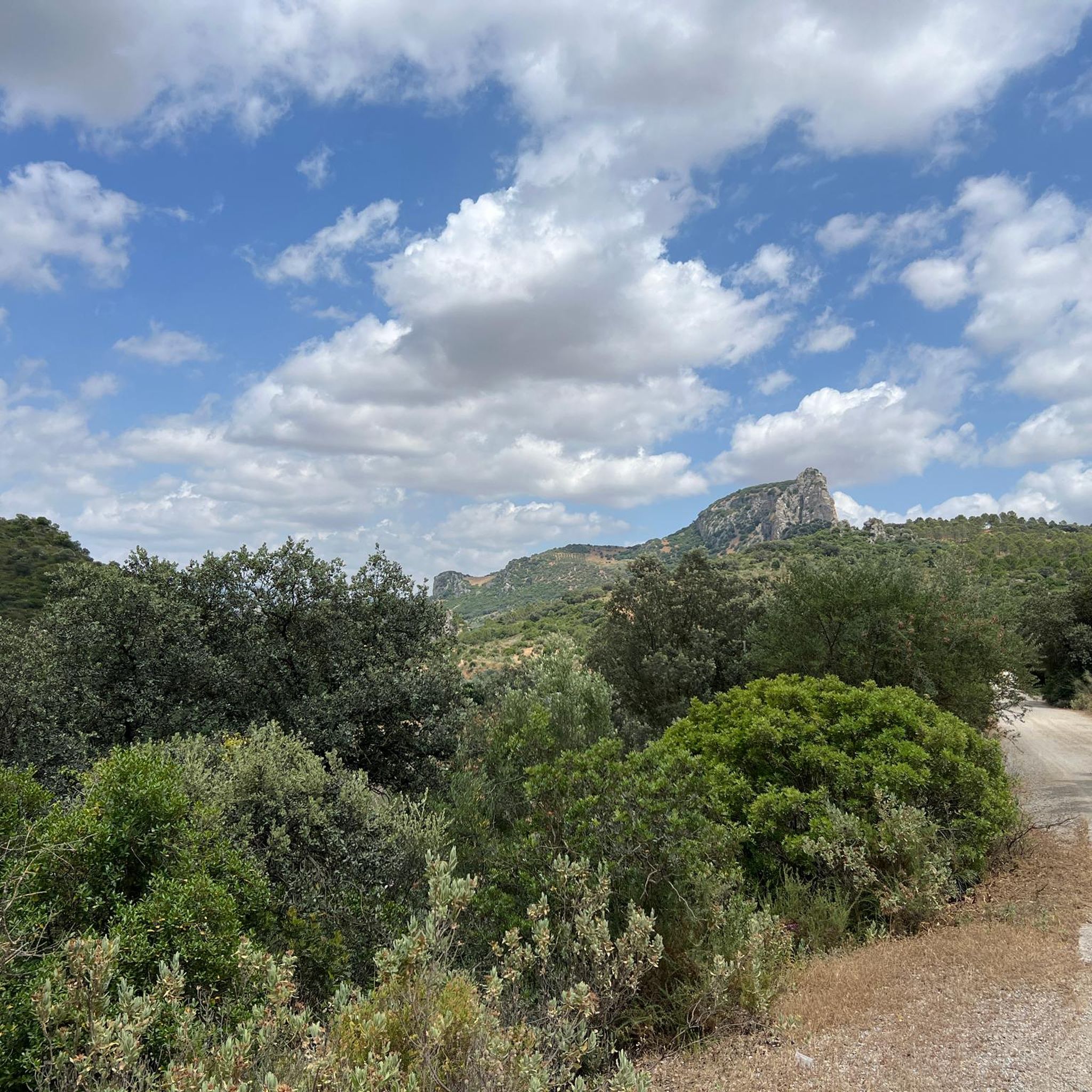
Best attractions and places to see around Coripe include natural landscapes and historical sites in the Sierra Sur of Seville. This "white village" is known for its position along the Vía Verde de la Sierra, a disused railway line converted into a greenway. The area features significant natural monuments like the Peñón de Zaframagón and the ancient Chaparro de la Vega. Coripe offers a blend of outdoor activities and cultural heritage for visitors to explore.
Best attractions and places to…
Last updated: October 10, 2026
Vía Verde de la Sierra Tunnels and Peñón de Zaframagón
Highlight • Cycleway
Translated by Google •
Tip by

Zaframagón Viaduct
Highlight • Bridge
It was built to span the Guadalporcún River crossing …
Translated by Google •
Tip by
Sign up now to discover places like this
Get recommendations on the best single tracks, peaks, & plenty of other exciting outdoor places.
Via Verde de la Sierra (90% gravel)
Highlight (Segment) • Cycleway
Translated by Google •
Tip by
Castillo de Olvera
Highlight • Castle
Translated by Google •
Tip by
Hostal Restaurante Estación de Coripe
Highlight • Restaurant
Translated by Google •
Tip by
Sign up for free to discover even more attractions around Coripe.
Already have an account?
Start today with a free account
Your next adventure awaits.
Other adventures around Coripe

Tips from the Community

The Olvera Greenway is very beautiful and highly recommended for cycling. As it follows a former railway line, it doesn't have any steep slopes. Along the way, there are some old train stations that have been renovated and converted into restaurants, perfect for a stop to recharge your batteries.
0
0

Olvera Castle is one of the most iconic monuments in the White Villages of Cádiz, offering a stunning historical and visual experience. It was built in the late 12th century by the Arabs as part of the defensive system of the Nasrid Kingdom of Granada. After the Christian conquest, the castle was renovated several times, incorporating Christian architectural elements. It was declared a Site of Cultural Interest in 1985 and is part of the Olvera Historic-Artistic Complex.
1
0

The Castillo de Olvera is a historic fortress in the Andalusian town of Olvera (province of Cádiz). It was built by the Moors in the late 12th century and served as part of the defense system of the Nasrid Kingdom of Granada. The castle sits atop a 623-meter-high cliff and offers sweeping views of the surrounding landscape. The castle has an irregular, elongated-triangular floor plan that follows the shape of the cliff. Particularly striking is the rectangular Torre del Homenaje (Keep) in the southern part of the complex. It has two stories with barrel vaults and was the central element of the defense. Other features of the fortress include a barbican-protected entrance gate, battlements, towers, an underground vault, and two cisterns for the water supply. After its conquest by Castilian troops under King Alfonso XI in 1327, the Moorish fortress was extensively rebuilt. This is where many of the Christian elements visible today were created. Since 1985, the Castillo de Olvera has been listed as a "Bien de Interés Cultural" (Cultural Property of Special Interest). Opening Hours: Summer (approx. April–October): Tuesday to Sunday, 10:30 a.m.–2:00 p.m. & 4:00 p.m.–7:00 p.m. Winter (approx. November–March): Tuesday to Sunday, 10:30 a.m.–2:00 p.m. & 4:00 p.m.–6:00 p.m. Closed on Mondays Admission: €2 per person. Tickets are available at the Tourist Office. (As of May 2025)
0
1

An entrance fee is €2 and a visit certainly does not take long. The bike can wait in the bike rack.
4
0
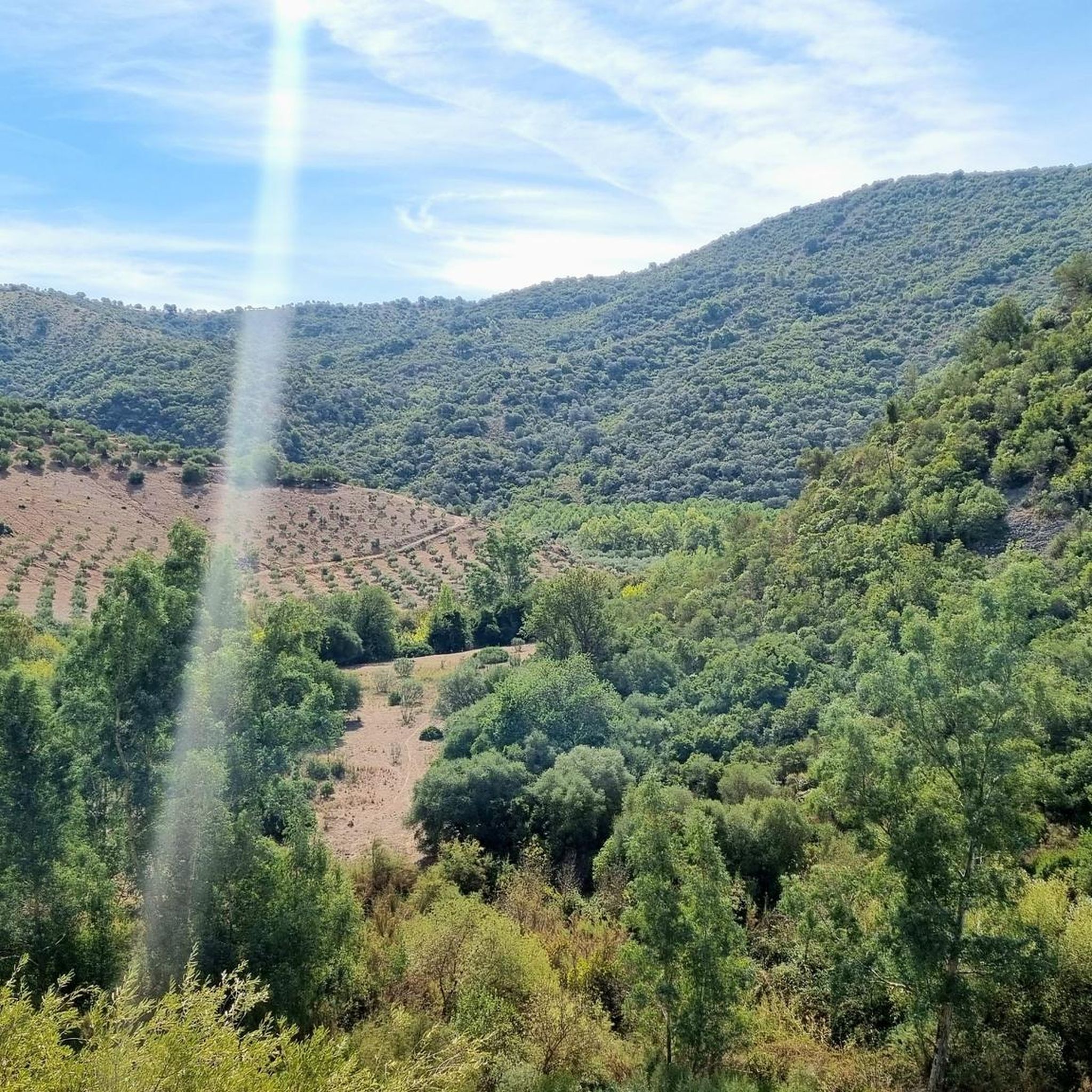
A 135-meter-long viaduct, built using rectangular truncated pyramidal pilasters with mortared ashlars, is formed by the repetition of seven identical arches. It was built to span the Guadalporcún River crossing before it meets the Guadamanil River. The latter originates in the Sierra de la Lebrona mountain range in the municipality of Pruna (Seville) and flows into the Guadalporcún River just a few meters from the viaduct. The confluence of the rivers has created a wide floodplain. From this railway infrastructure, there is a privileged view of the Estrechón Canyon, a natural passage carved by the Guadalporcún River to traverse the foothills of the Zaframagón Rock. Just below, on the left bank of the Guadalporcún, we find the ruined building of what was once the Zaframagón mill. A little further west, other ruins can be seen. It is a small town built for workers on the railway line construction site.
8
0
The Castillo de Olvera was built at the end of the 12th century as part of the defence system of the Emirate of Granada. The castle stands on a rock at 623 metres above sea level, which is the highest point in the city. The castle has an irregular triangular shape that matches the shape of the rock. It has an entrance gate protected by a barbican and a shelter for a shield. The castle consists of a main tower, a wall with a walkway, an underground recinct, and two water tanks. The castle has been a Bien de Interés Cultural monument since 1982.
9
0
The Via Verde de la Sierra is a beautiful green route in Andalusia that starts in Puerto Serrano and ends in Olvera. This 36-kilometre route follows an old railway line that was built in the early 20th century between Jerez de la Frontera and Almargen. The route offers a unique combination of beautiful nature and historical sights, including the impressive Sierra de Cádiz and a large colony of Griffon Vultures. The route is ideal for both walking and cycling and passes through several tunnels and viaducts, making it a unique experience. Along the way you will pass through smaller villages and peaceful landscapes, making it perfect for a relaxing adventure in nature.
9
0
The Via Verde de la Sierra is a beautiful green route in Andalusia that starts in Puerto Serrano and ends in Olvera. This 36-kilometre route follows an old railway line that was built in the early 20th century between Jerez de la Frontera and Almargen. The route offers a unique combination of beautiful nature and historical sights, including the impressive Sierra de Cádiz and a large colony of Griffon Vultures. The route is ideal for both walking and cycling and passes through several tunnels and viaducts, making it a unique experience. Along the way you will pass through smaller villages and peaceful landscapes, making it perfect for a relaxing adventure in nature.
9
0
Frequently Asked Questions
What natural attractions can I explore around Coripe?
Coripe is rich in natural beauty. You can explore the Vía Verde de la Sierra Tunnels and Peñón de Zaframagón, which is part of an award-winning greenway and home to one of the largest colonies of griffon vultures. The impressive Zaframagón Viaduct offers stunning views of the El Estrechón Gorge. Don't miss the ancient Chaparro de la Vega, a natural monument over 700 years old, or the unique Coripe Lagoon, known for its rare aquatic plant species.
Are there historical sites to visit in Coripe?
Yes, Coripe has several historical points of interest. The Castillo de Olvera, built in the 12th century, offers panoramic views from its high perch. Within Coripe itself, you can visit the San Pedro Apóstol Church, dating back to 1859, and see the foundations of a defensive tower from the Muslim era in the Sierra de Coripe.
What outdoor activities are popular near Coripe?
The Vía Verde de la Sierra is a major draw for outdoor enthusiasts. It's ideal for hiking, cycling, and horseback riding. You can find various routes, such as the 'Via Verde del Segura — round trip through the Zaframagon Rock Nature Reserve' for hiking, or the 'Viaducto de Gillete – Viaducto de Los Azares loop from Coripe' for cycling. For more options, explore the dedicated guides for hiking, cycling, and MTB trails around Coripe.
Are there family-friendly attractions in the Coripe area?
Absolutely. The Vía Verde de la Sierra is a fantastic option for families, offering easy walking and cycling paths through tunnels and over viaducts. The Hostal Restaurante Estación de Coripe, an old railway station converted into a hotel and restaurant, is also a family-friendly spot to stop for a meal or a rest along the greenway.
Where can I observe wildlife, especially birds, near Coripe?
The Peñón de Zaframagón Natural Reserve is a prime location for wildlife observation. It hosts one of the largest colonies of griffon vultures on the Iberian Peninsula. There's an Interpretation Centre and Ornithological Observatory where you can learn more and observe these magnificent birds.
What is the best time of year to visit Coripe?
The spring months, particularly May, are a great time to visit Coripe. The weather is pleasant for outdoor activities, and you can experience the traditional Pilgrimage of Our Lady of Fátima at the Chaparro de la Vega. Easter Sunday also features the unique 'Quema del Judas' festival.
Are there any unique cultural events or traditions in Coripe?
Coripe is known for its vibrant traditions. The Pilgrimage of Our Lady of Fátima takes place annually in May at the Chaparro de la Vega, featuring a festive day in the countryside. On Easter Sunday, the town celebrates the 'Quema del Judas' (Burning of Judas), a unique festival declared of National Tourist Interest of Andalusia.
What kind of local food and drink can I try in Coripe?
Coripe offers delicious traditional mountain cuisine. Look for local stews, asparagus, Spanish oyster thistles, and cured meats. For sweets, try *hornazos*, *roscos de vino*, *pestiños*, and *polvorones*. The region is also known for its extra virgin olive oil, which you can sample at the Oleico Coripeña oil mill.
Where can I find places to eat or rest along the Vía Verde de la Sierra?
The Hostal Restaurante Estación de Coripe, located directly on the Vía Verde de la Sierra, is an excellent spot for a break. It offers traditional Andalusian cuisine, coffee, and facilities, and you can even stay overnight.
Are there any challenging outdoor activities for experienced adventurers?
Yes, for those seeking more challenging adventures, there are several difficult cycling and MTB routes around Coripe. Examples include the 'Viaducto de Gillete – Viaducto de Los Azares loop from Coripe' for cycling or the 'Vía Verde de la Sierra – Castillo Tunnel loop from Coripe' for mountain biking. These routes often cover longer distances and more varied terrain.
What are the best viewpoints in the Coripe area?
For breathtaking views, head to the Zaframagón Viaduct, which provides a privileged perspective of the Estrechón Canyon and the Zaframagón Rock. The Castillo de Olvera also offers phenomenal panoramic views from its position at 623 meters above sea level.
Most popular attractions around Coripe

Get inspired with the komoot mobile app


Explore more
Still not found the Highlight you’re looking for? See guides of the top attractions in other regions:
