The best road cycling routes around El Castillo De Las Guardas
4.5
(10)
1,003
riders
33
rides
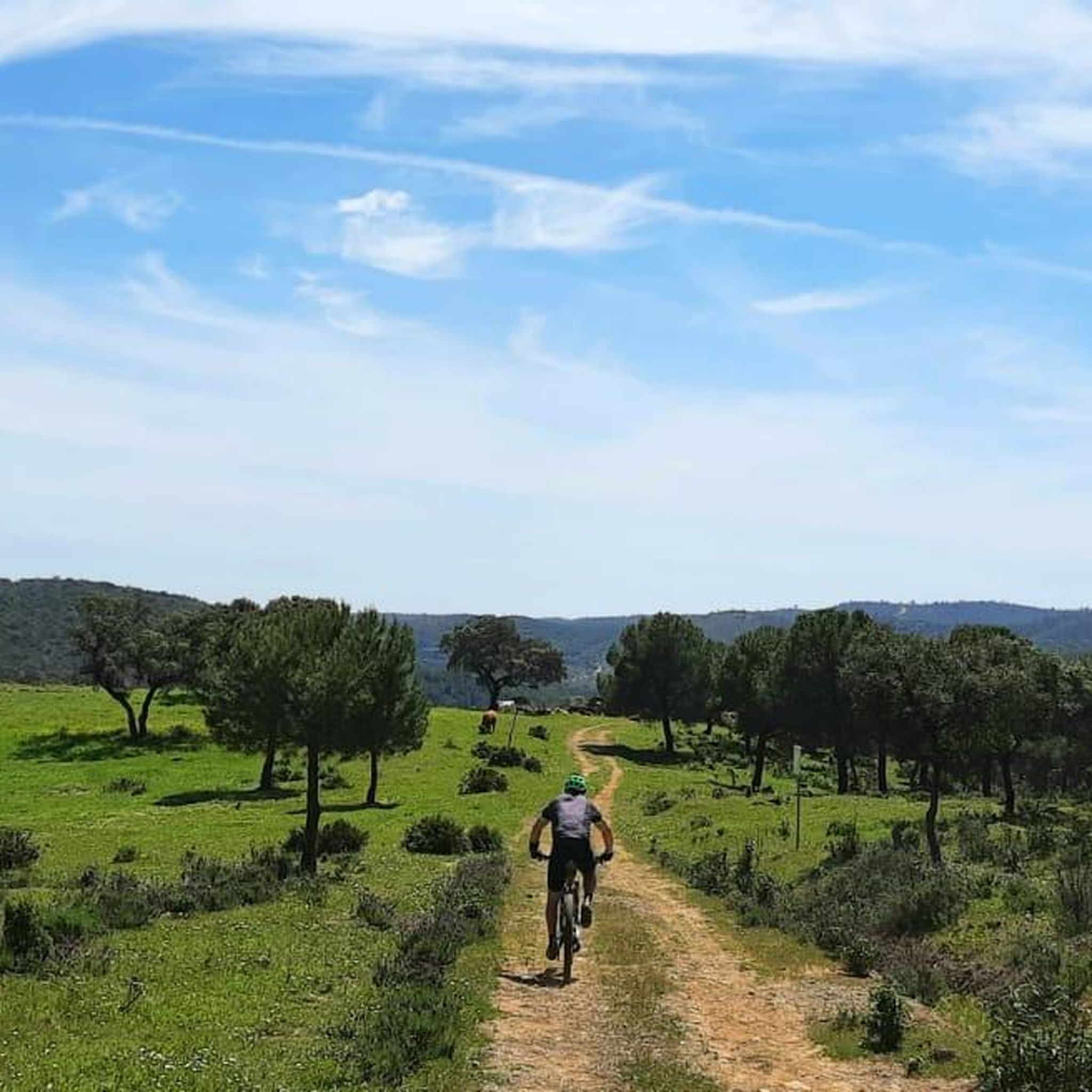
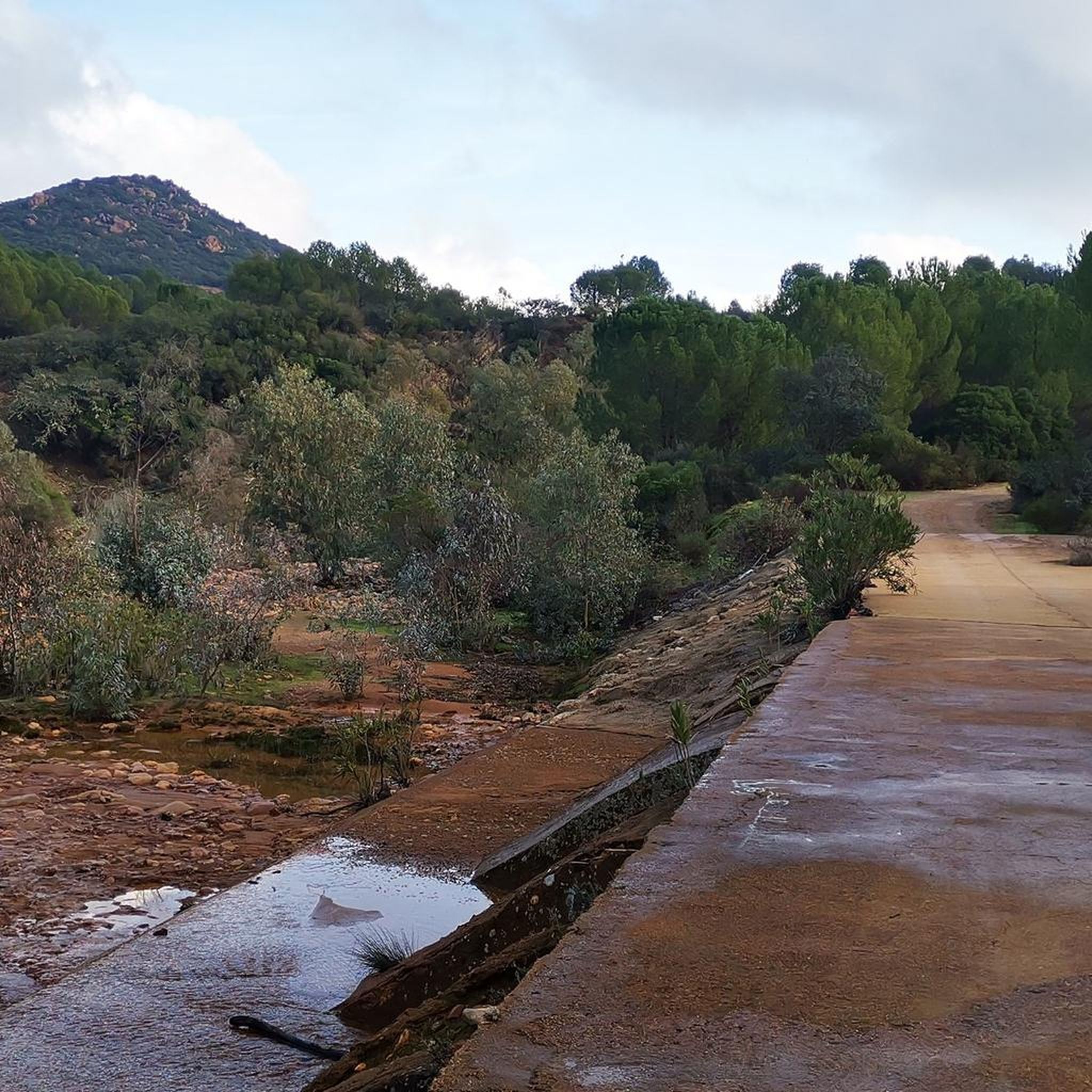
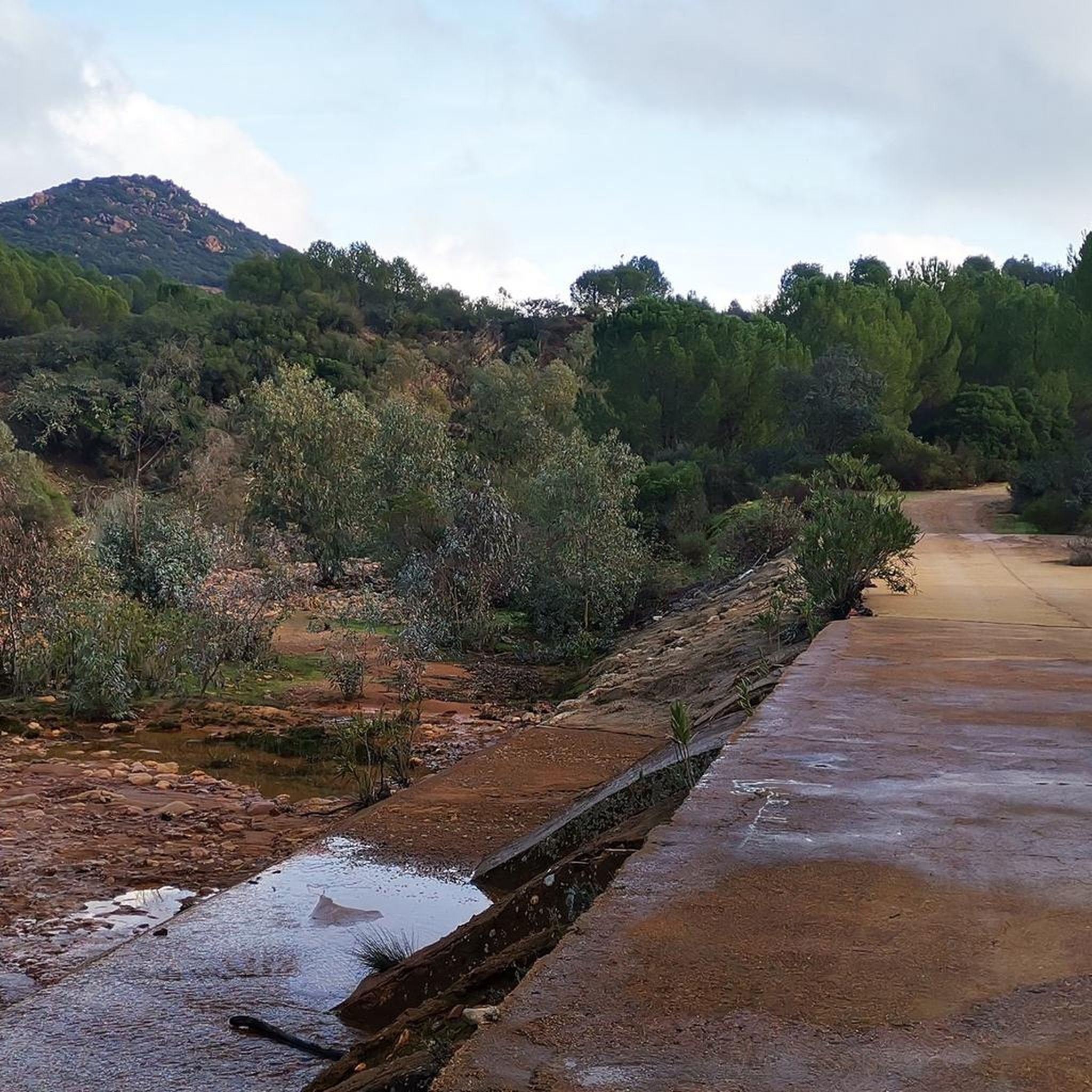
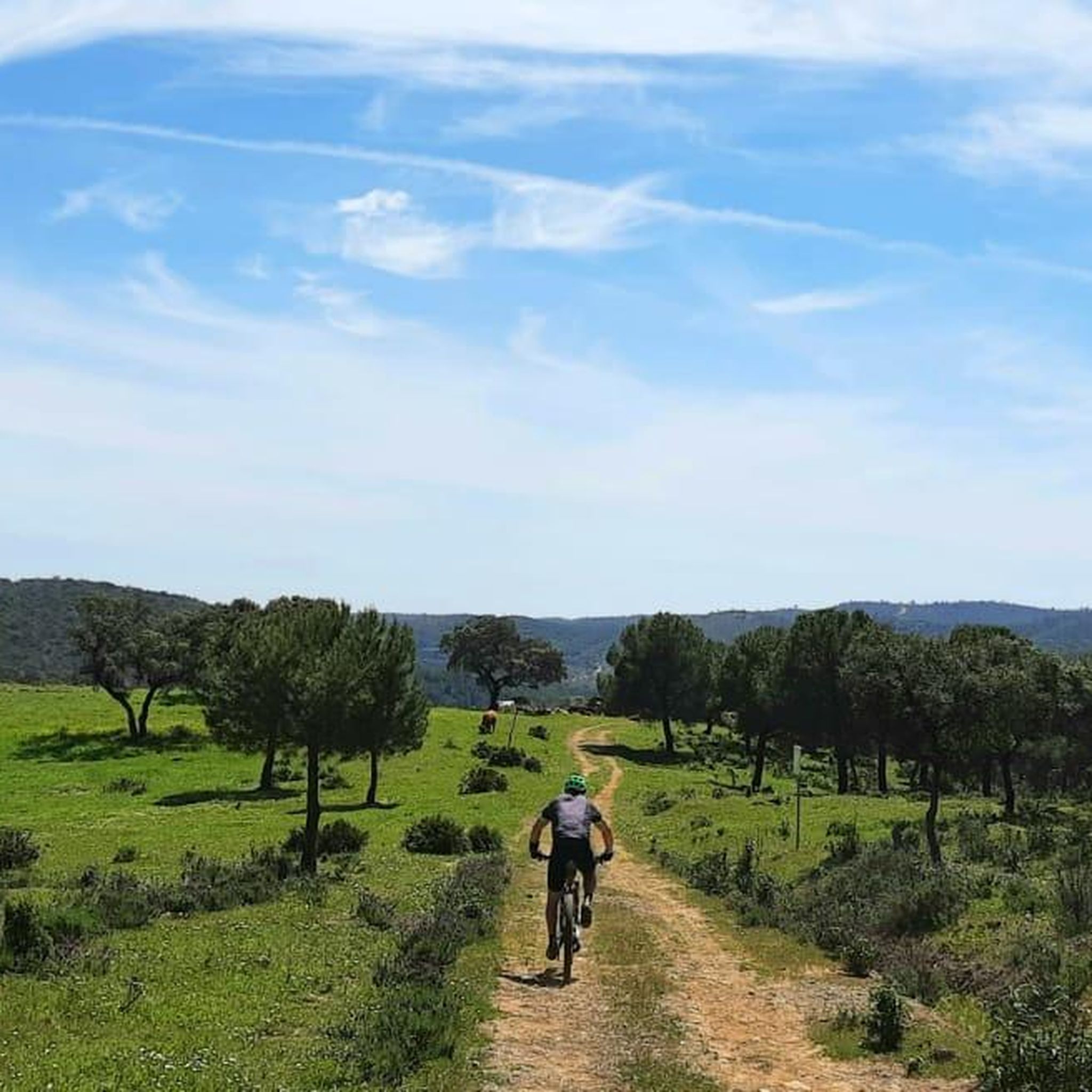
Road cycling around El Castillo De Las Guardas offers diverse landscapes in the first foothills of Seville's Sierra Morena. The region features extensive pastures, pine and holm oak forests, and river valleys like the Guadiamar and Agrio. This environment provides varied terrain suitable for road cycling, from rolling hills to more challenging ascents. The area is also characterized by aromatic plants and unique geological features resulting from historical mining activity.
Best road cycling routes around El Castillo De Las Guardas
…Last updated: July 12, 2026
4.1
(7)
307
riders
80.1km
03:49
970m
970m
Hard road ride. Very good fitness required. Mostly well-paved surfaces and easy to ride.
5.0
(1)
116
riders
68.0km
02:57
530m
530m
Moderate road ride. Good fitness required. Mostly well-paved surfaces and easy to ride.

Sign up for free
43
riders
97.0km
04:34
1,230m
1,230m
Hard road ride. Very good fitness required. Mostly well-paved surfaces and easy to ride.
5.0
(1)
35
riders
95.2km
04:36
1,370m
1,370m
Hard road ride. Very good fitness required. Mostly well-paved surfaces and easy to ride.
26
riders
Moderate road ride. Good fitness required. Mostly well-paved surfaces and easy to ride.
Get access to more routes and recommendations from other explorers.
Sign up for free
Already have an account?
Our route recommendations are based on thousands of hikes, rides, and runs completed by other people on komoot.
Start today with a free account
Your next adventure awaits.
Login or Signup
Tips from the Community

What to see Church of Santa María de Gracia (16th–17th centuries). Clock Tower (27 m, Neo-Mudéjar style, local symbol). Castle and walls (medieval remains). Oil Museum with traditional presses. Calvary Viewpoint (panoramic views). Megalithic complex and Bronze Age necropolis.
4
0
Almadén de la Plata (Seville), an ideal destination for nature, history, and gastronomy. Located in the Sierra Norte de Sevilla Natural Park, 75 km from the capital, between the Cala and Viar rivers.
4
0


Very beautiful historic hotel complex
0
0

Santa Olalla del Cala Castle is an impressive fortress located in the town of Santa Olalla del Cala, in the province of Huelva, Andalusia. This castle, of Muslim origin, was built in the 13th century and later renovated by the Christians after the Reconquista. The castle is located in a strategic position, on top of a hill, which allowed it to control the passage between Seville and the Sierra de Aracena. Its structure includes robust walls, defensive towers and a parade ground. The keep is one of the most outstanding elements of the castle, offering panoramic views of the surroundings. Today, Santa Olalla del Cala Castle is an important tourist attraction and a symbol of the historical heritage of the region. Guided tours are available that allow visitors to explore its corners and learn more about its history and architecture.
4
0

This monastery was founded in 1301 by Guzmán El Bueno, who played a heroic role in the conquest of Tarifa (1294). From the 19th century onwards it was successively a women's prison, a brewery and a tobacco factory. In 1872 the buildings were declared a national heritage, after which they were restored for many years before being opened to the public. The fortified complex includes a double Gothic church with influences from the Languedoc and the Almohad Mudejar style. In the 15th century the monastery was inhabited by monks of the Hieronymite order. The Patio de los Evangelistas is decorated with murals depicting saints and geometric or floral motifs in pure Mudejar style. In one of the chapels there is a beautiful 17th-century altarpiece by Juan Martínez Montañés.
7
0
The Amphitheatre of Itálica in Santiponce is an impressive Roman amphitheatre that was built between 117 and 138 AD during the reign of Emperor Hadrian. It is one of the largest amphitheatres in the Roman Empire, with a capacity of approximately 25,000 spectators. The amphitheatre has an elliptical shape and consists of three levels of stands, the first level of which is still intact. The amphitheatre was used for gladiatorial combats and fights between animals and humans, and had an underground service pit for these events. Today it is a tourist attraction and an important archaeological heritage.
7
0
Frequently Asked Questions
How many road cycling routes are available around El Castillo De Las Guardas?
There are over 30 road cycling routes available around El Castillo De Las Guardas, offering a variety of experiences in the Sierra Morena foothills. These routes range from moderate to difficult, catering to different skill levels.
What are the typical difficulty levels for road cycling routes in this region?
Road cycling routes around El Castillo De Las Guardas are predominantly rated as moderate to difficult. Specifically, 8 routes are considered moderate, while 24 routes are classified as difficult, often featuring significant elevation gains through the varied terrain.
What kind of landscapes can I expect to see while road cycling here?
The region offers diverse landscapes, characterized by extensive pastures where fighting bulls graze, alongside pine and holm oak forests. You'll also encounter river valleys like the Guadiamar and Agrio, the latter known for its reddish waters from historical mining. The scenery is further enriched by aromatic plants like rosemary and lavender.
Are there any circular road cycling routes available?
Yes, many of the road cycling routes around El Castillo De Las Guardas are designed as loops. For example, the Venta del Alto – Las Pajanosas loop from El Ronquillo is a popular difficult route, and the Section through the Sierra de Seville – Castillo del Real de la Jara loop from El Ronquillo offers a moderate option.
What natural features or landmarks can I explore along the road cycling routes?
While cycling, you can discover several interesting natural features and historical sites. Notable attractions include the Source of the Río Tinto, Peña del Hierro, and the La Minilla Reservoir. The region also features the Agrio River, known for its unique reddish hue, and the Cerro del Castillo Viewpoint offers panoramic views.
What do other road cyclists say about the routes in El Castillo De Las Guardas?
The road cycling routes in El Castillo De Las Guardas are highly rated by the komoot community, with an average score of 4.6 stars from over 10 reviews. Cyclists often praise the varied terrain, the natural beauty of the Sierra Morena foothills, and the challenging ascents.
Is El Castillo De Las Guardas suitable for family-friendly road cycling?
While many routes are rated moderate to difficult, the region's 70 kilometers of approved trails are suitable for various activities, including cycling. For family-friendly options, look for routes with lower elevation gain and less traffic, though specific dedicated family-friendly road cycling paths are not explicitly highlighted in the data. The general promotion of cycle touring suggests options for different abilities.
What is the best time of year for road biking in El Castillo De Las Guardas?
The region's climate, with its Mediterranean characteristics, generally makes spring and autumn ideal for road cycling. These seasons offer milder temperatures, avoiding the intense heat of summer and the cooler, potentially wetter conditions of winter, providing a comfortable experience amidst the blooming aromatic plants or autumn foliage.
Are there any specific parking facilities for cyclists in El Castillo De Las Guardas?
While specific dedicated parking facilities for cyclists are not detailed, El Castillo De Las Guardas is a municipality that promotes cycle touring. It is generally advisable to look for public parking areas within the town or near the starting points of popular routes, such as El Ronquillo or La Vicaría, which are common starting points for many loops.
Can I find cafes or places to rest along the road cycling routes?
The routes often pass through or near villages and towns within the region, such as El Ronquillo, El Castillo De Las Guardas itself, and other small communities. These locations typically offer local cafes, restaurants, or shops where you can rest, refuel, and enjoy local refreshments during your ride.
Are there any challenging road cycling routes for experienced riders?
Absolutely. The region is well-suited for experienced riders seeking a challenge, with 24 out of 32 routes classified as difficult. Routes like the Venta del Alto – Las Baterías Ascent loop from La Vicaría, covering 95.3 km with significant elevation, are popular among local road cyclists looking for demanding ascents and varied terrain.
What is the elevation gain like on the more difficult routes?
The more difficult routes around El Castillo De Las Guardas feature substantial elevation gains. For instance, the Venta del Alto – Aznalcóllar Mine loop from Cerro de los Buitres includes over 1200 meters of ascent, while the Venta del Alto – Las Baterías Ascent loop from La Vicaría has over 1300 meters of climbing, providing a significant workout for cyclists.
Most popular routes around El Castillo De Las Guardas
Most popular attractions around El Castillo De Las Guardas

Get inspired with the komoot mobile app


Explore more
Browse the best Road cycling routes in other regions.
