Attractions and Places To See around Écija - Top 20
Best attractions and places to see around Écija include a rich array of historical and natural sites. Écija, often referred to as the "City of Towers," is characterized by its numerous historic bell towers and architectural grandeur. Situated on the Genil River, the area offers a captivating blend of cultural heritage spanning Phoenician, Roman, and Baroque eras. Visitors can explore significant landmarks and enjoy the surrounding natural landscapes.
Best attractions and places to see around Écija
- The most popular attractions is Plaza de España (El Salón), Écija, a central square that serves as the heart of the city. It is surrounded by historic buildings and features archaeological traces of the ancient Roman city in its underground car parks.
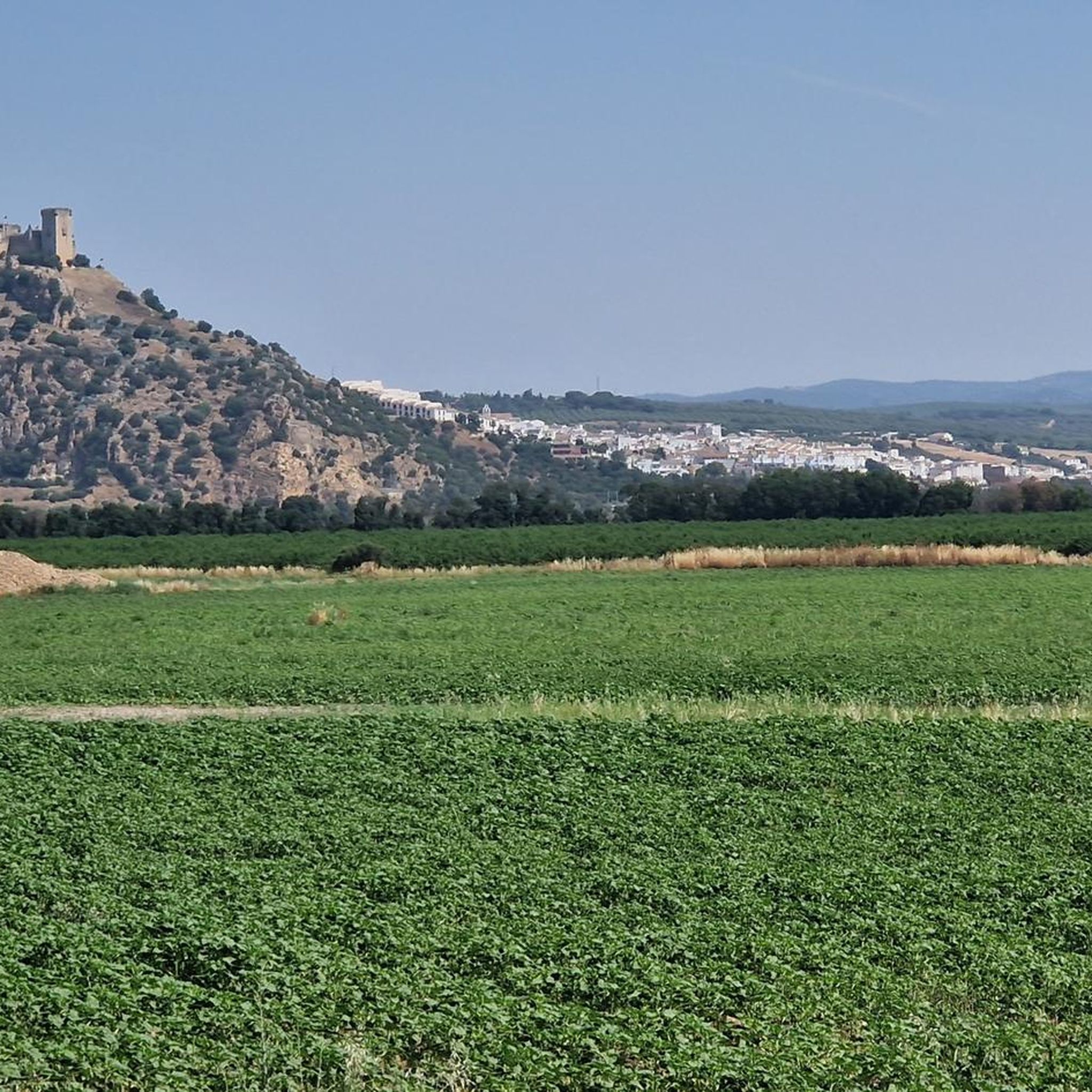
- Another must-see spot is The Santa Lucía valley, a natural area known for its extensive orange groves and agricultural landscapes. The valley offers scenic views, especially when the citrus blossoms are in bloom.
- Visitors also love Parish of Santa María and Santa Bárbara, Écija, a religious building with origins dating back to the 15th century. Its tower, partially rebuilt after lightning damage, stands as a notable landmark.
- Écija is known for its historic churches, palaces, and natural features like the Genil River. The city offers a variety of attractions, from architectural wonders to scenic countryside views and cultural sites.
- The attractions around Écija are appreciated by the komoot community, with 13 upvotes and 23 photos shared by visitors.
Last updated: October 11, 2026
Plaza de España (El Salón), Écija
Highlight • Settlement
Translated by Google •
Tip by

Parish of Santa María and Santa Bárbara, Écija
Highlight • Religious Site
Translated by Google •
Tip by

Sign up now to discover places like this
Get recommendations on the best single tracks, peaks, & plenty of other exciting outdoor places.
Peñaflor Palace
Highlight • Historical Site
Even from the outside, it is one of the most iconic images of the city.
Translated by Google •
Tip by

Hotel Monasterio de San Francisco
Highlight • Historical Site
The monastery is also known for a fresco depicting Fray Junípero Serra with an orange, a melon, a sandal and a lamb, symbols he brought back to America.
Translated by Google •
Tip by

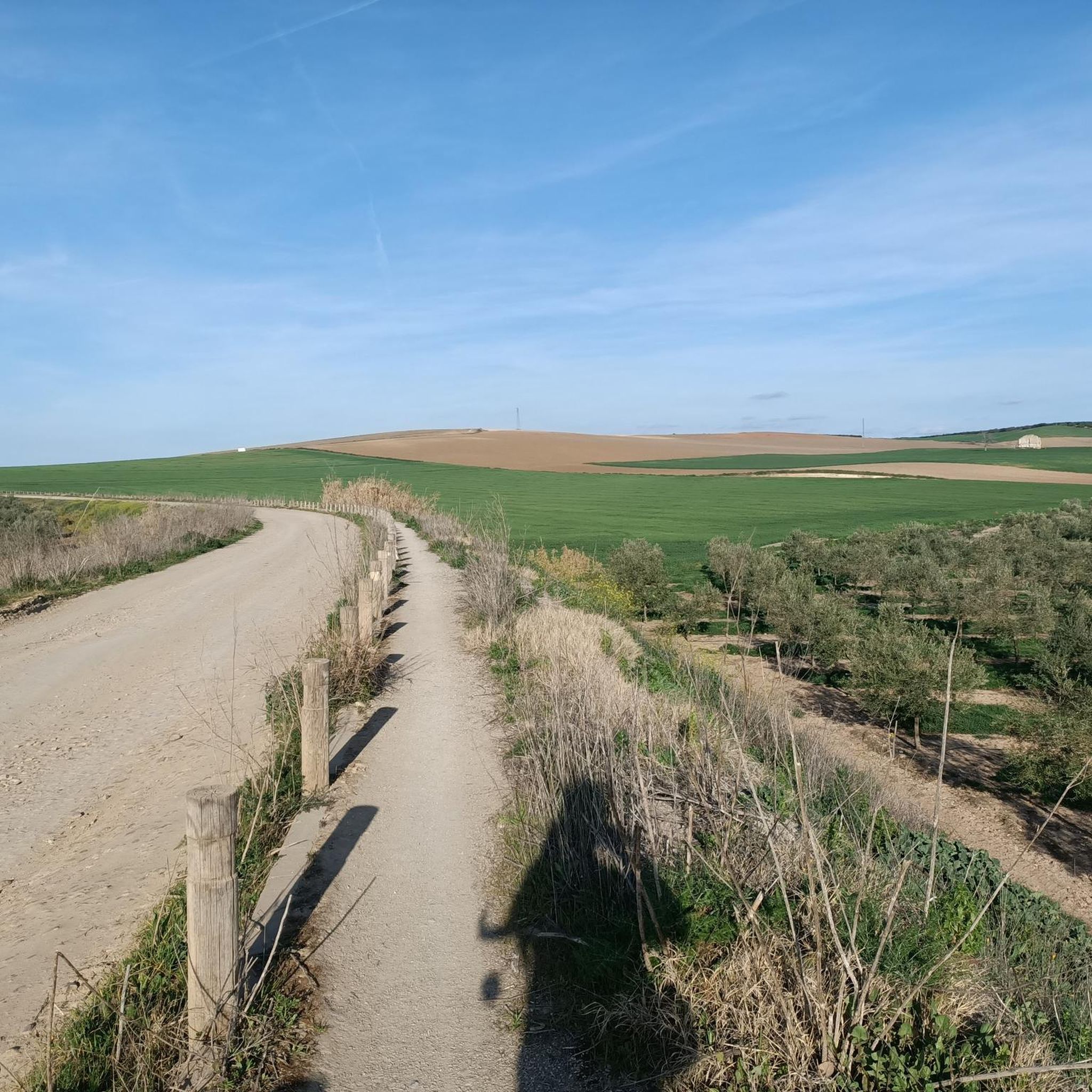
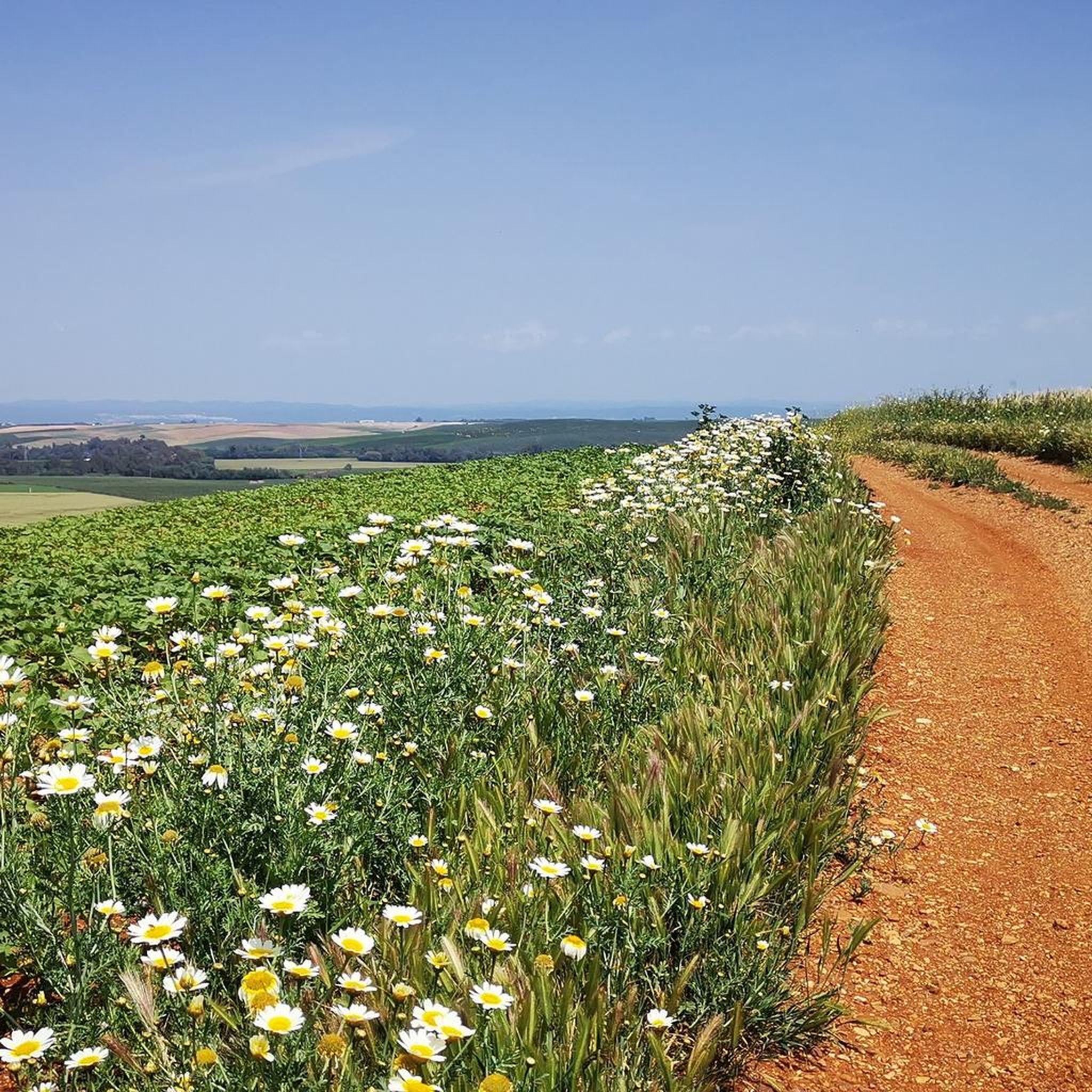
The Écija countryside
Highlight • Viewpoint
Translated by Google •
Tip by

Sign up for free to discover even more attractions around Écija.
Already have an account?
Start today with a free account
Your next adventure awaits.



Tips from the Community

I always enjoy coming here on my road bike when traveling through Andalusia. The hotel is truly beautiful. And now there's even a bike station here.
0
0

The Convento de San Francisco was founded around 1492, during the time of the Catholic Monarchs, when Palma del Río was an important commercial and cultural centre. It was an important place for the Franciscans, who carried out their religious and social activities here. Over the centuries, the monastery underwent various changes and restorations. The monastery church is in the Gothic-Mudejar style, an architectural mix of Christian and Islamic elements. The delicate arches and the elaborate vaulted ceilings are notable. Some of the chapels in the monastery are decorated with impressive frescoes and paintings from the Renaissance and Baroque periods. The monastery is no longer used exclusively for religious purposes.
4
0

Located in the historic center of the city, also known as “El Salón”, it is configured as the most important civic and social center and serves as the main square. Under the direction of the City Council, it has a rectangular plan and a perimeter of more than 400 meters, which corresponds to an area of 0.80 hectares. It is surrounded by a series of civil and religious buildings, and depending on the buildings located there, important streets and some small squares of great architectural and monumental interest meet.
4
0
The old parish church of Santa María belonged to the Gothic-Mudejar type of church. It seems that it was built by D. Pedro Fernández Gragera, a knight in the service of San Fernando in the reconquest of Écija. According to sources, it was completed in 1262. The structure was designed with three naves and a polygonal head, later two side naves were added, so its plan was irregular, with a tower, a patio with orange trees and a cemetery. The building was extensively renovated in the 16th and 17th centuries, with the church being demolished and rebuilt in 1758.
4
0
The Peñaflor Palace, one of the most important sights in Écija Even from the outside, it is one of the most iconic images of the city.
5
0

Great Hotel and Restarant with very cool bike storage and wash station!
0
0

The Convento de San Francisco in Palma del Río is a historic monastery founded in the 15th century. It was originally built on the site of an old hermitage and was later expanded to serve as a hospital and infirmary for Franciscan friars. The monastery has a rich history and is now an important cultural heritage site in the region. The monastery is also known for a fresco depicting Fray Junípero Serra with an orange, a melon, a sandal and a lamb, symbols he brought back to America.
9
0
The monastery was founded in the 16th century and rebuilt in the 17th-18th century. The domes of the side chapels and the transept give the whole volume. Next to the church is the guesthouse.
7
0
Frequently Asked Questions
What historical sites should I visit in Écija?
Écija is rich in history. You can explore the magnificent 18th-century Baroque Palacio de Peñaflor, known for its long balcony and frescoes. The city also boasts numerous historic churches like the Church of Santa María, Church of Santiago, and Church of San Juan, each with unique architectural features. Don't miss the Plaza de España (El Salón), the central square where archaeological traces of the ancient Roman city can be found.
Where can I learn about Écija's ancient past and Roman heritage?
To delve into Écija's ancient past, visit the Écija Municipal History Museum, located in the Palacio de Benamejí. It houses significant archaeological finds, including impressive Roman mosaics and the renowned "Wounded Amazon" sculpture. You can also see Roman remnants around the Plaza de España (El Salón).
Are there any natural attractions or scenic areas near Écija?
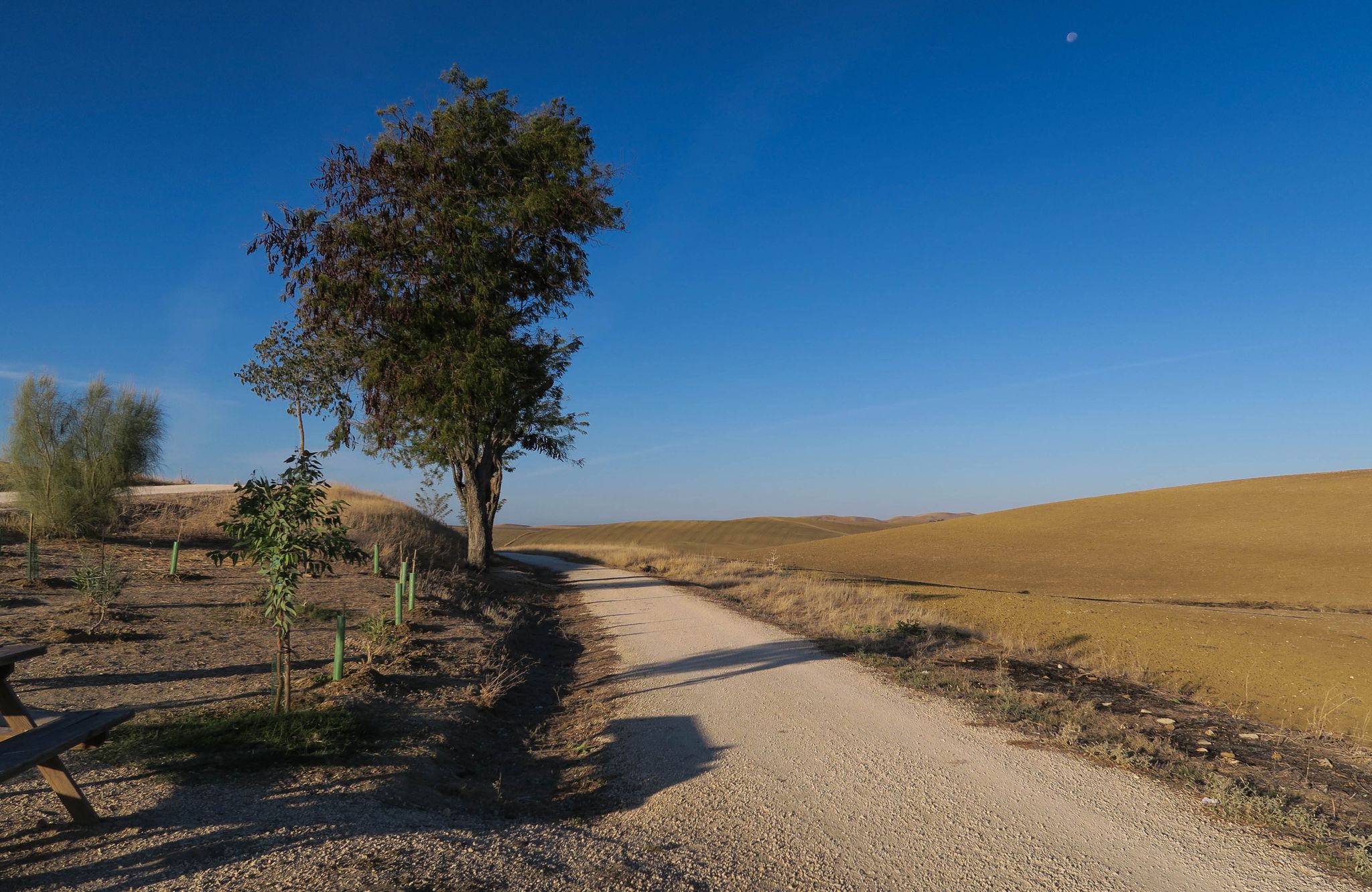
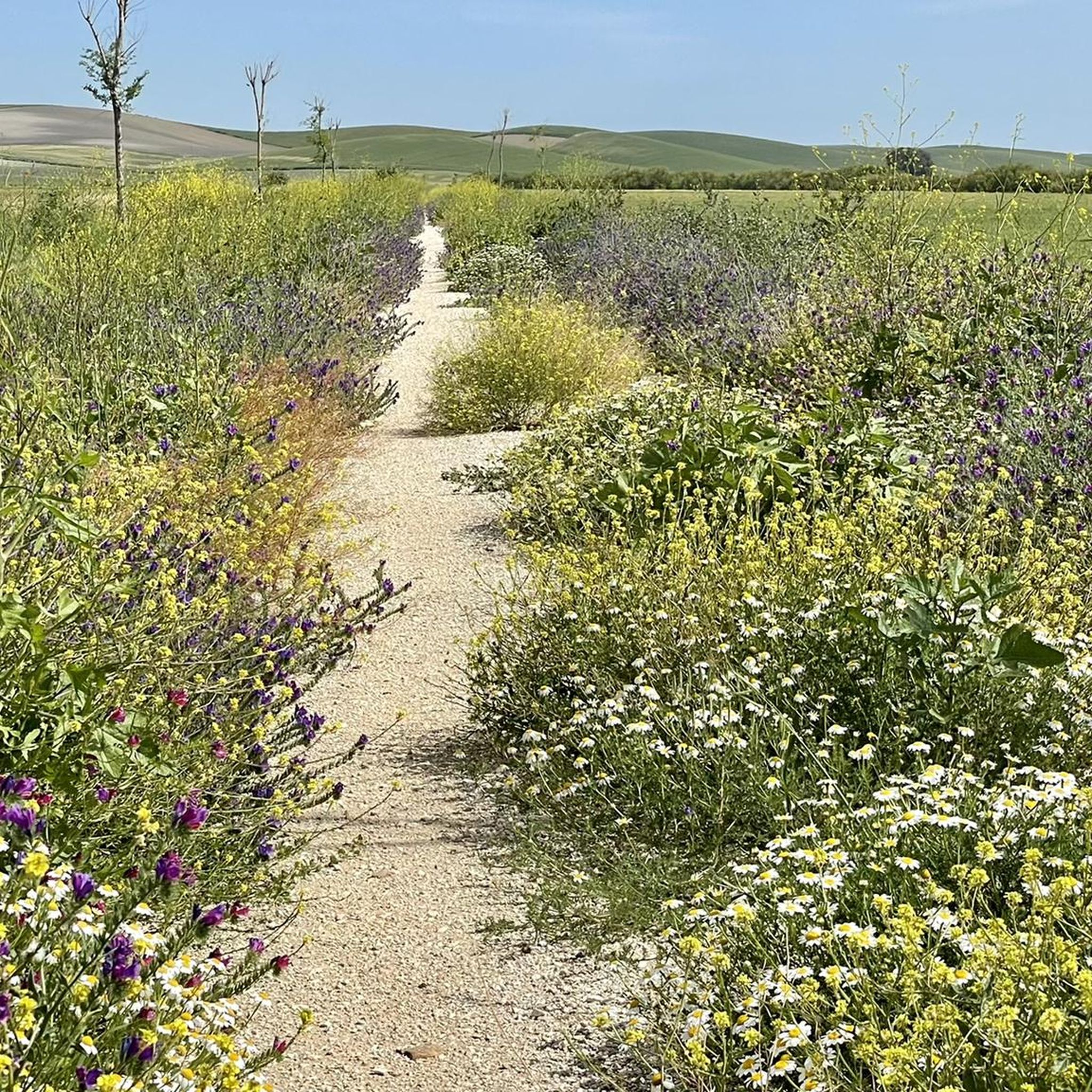
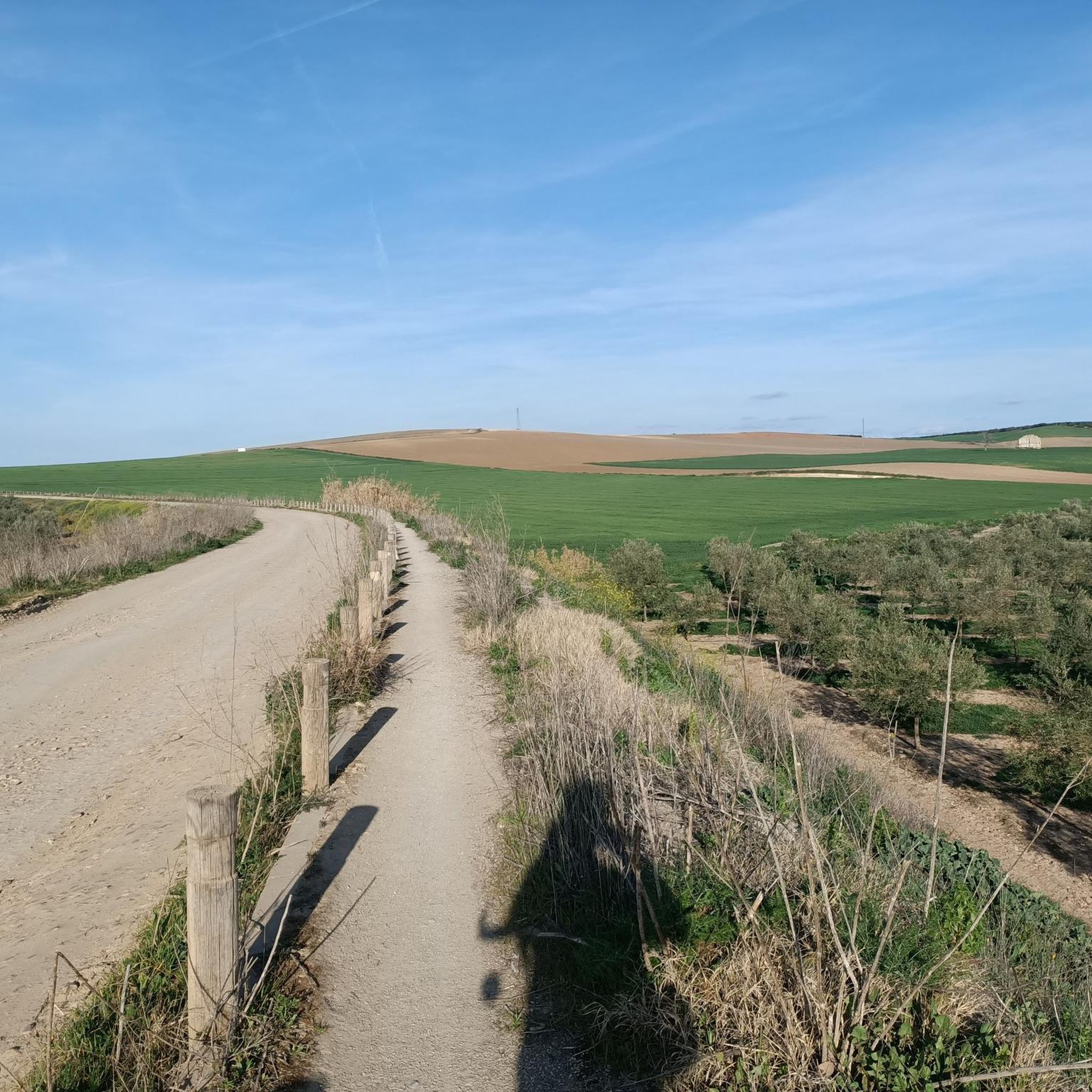
Yes, Écija offers beautiful natural features. The Santa Lucía valley is known for its extensive orange groves, especially scenic when citrus blossoms are in bloom. You can also enjoy the undulating fields of The Écija countryside, which changes colors throughout the year. The Genil River, which runs through Écija, provides opportunities for outdoor activities.
What outdoor activities can I do around Écija?
The area around Écija is great for outdoor enthusiasts. You can enjoy hiking and cycling along the Vía Verde de la Campiña, a converted old railway line. The Genil River also offers opportunities for canoeing, rafting, and horseback riding. For more specific routes, check out the MTB Trails around Écija or Road Cycling Routes around Écija.
Are there family-friendly attractions in Écija?
Many attractions in Écija are suitable for families. The central Plaza de España (El Salón) is a great place to stroll and enjoy the city's atmosphere. Natural areas like The Santa Lucía valley and The Écija countryside offer pleasant walks and scenic views for all ages.
What kind of architecture can I expect to see in Écija?
Écija is renowned for its Baroque architecture, earning it the nickname "City of Towers." You'll find numerous historic bell towers, such as those of the Church of San Juan and the Parish of Santa María and Santa Bárbara. Grand palaces like the Palacio de Peñaflor and Palacio de Benamejí showcase exquisite Baroque and Renaissance designs, while the Palace of Justice features a unique Muslim-inspired style.
What is the best time of year to visit Écija for outdoor activities?
Écija is known for its high temperatures, especially during the summer. Therefore, the best time for outdoor activities like hiking and cycling is typically during the spring (March to May) or autumn (September to November) when the weather is milder and more comfortable for exploration.
Are there any accessible attractions for visitors with mobility needs?
The central Plaza de España (El Salón) is generally accessible, offering a flat, open space to enjoy the city's heart. While specific accessibility details for all sites vary, the main squares and some ground-level areas of palaces and churches may be navigable.
Where can I experience local culture and markets in Écija?
For a taste of local life, visit the Plaza de Abastos (Municipal Market). This traditional market is an excellent place to explore and sample local produce, offering an authentic cultural experience.
What are some unique cultural artifacts or art pieces to see?
The Écija Municipal History Museum in Palacio de Benamejí houses the rare "Wounded Amazon" sculpture, a 2nd-century Roman marble piece, and an extensive collection of Roman mosaics. The Santa Cruz Church Museum of Sacred Art also features a collection of Baroque gold artifacts and a palaeo-Christian sarcophagus with Greek text.
Can I go horseback riding in Écija?
Yes, Écija is known as the "City of the Horse" and offers horseback riding excursions through its natural landscapes. You can also visit local stud farms that specialize in breeding Spanish thoroughbreds, providing a unique equestrian experience.
What do visitors enjoy most about Écija?
Visitors frequently appreciate Écija's rich historical atmosphere, particularly its iconic bell towers and grand palaces. The central Plaza de España (El Salón) is a popular spot for its vibrant ambiance and historical significance. The scenic countryside and orange groves, like those in The Santa Lucía valley, are also highly valued for their beauty.

Get inspired with the komoot mobile app


Explore more
Still not found the Highlight you’re looking for? See guides of the top attractions in other regions:
