The best road cycling routes around Villamontán De La Valduerna
5.0
(1)
231
riders
29
rides
Road cycling around Villamontán De La Valduerna, a municipality in León, Spain, offers routes through scenic rural landscapes within the Valduerna valley. Situated at an altitude of 821 meters, the area features diverse terrain, including gentle gradients and rolling hills, sustained by the Duerna, Peces, and Valtabuyo rivers. The region's historical context, with Roman archaeological remains and traditional villages, provides a backdrop for varied cycling experiences. This environment caters to road cyclists seeking routes that combine natural beauty with cultural…
Last updated: July 12, 2026
21
riders
Moderate road ride. Good fitness required. Mostly well-paved surfaces and easy to ride.
10
riders
61.3km
02:31
360m
360m
Cycle a moderate 38.1-mile (61.3 km) circular route from La Bañeza through rural Castilla y León, passing charming villages and the Old Iron

Sign up for free
10
riders
64.8km
02:35
260m
260m
This moderate 40.2-mile (64.8 km) road cycling route from La Bañeza loops via Hospital de Órbigo and Astorga, offering diverse landscapes.
4
riders
Moderate road ride. Good fitness required. Mostly well-paved surfaces and easy to ride.
14
riders
39.1km
01:36
150m
150m
Moderate road ride. Great for any fitness level. Some segments of this route may be unpaved and difficult to ride.
Get access to more routes and recommendations from other explorers.
Sign up for free
Already have an account?
Our route recommendations are based on thousands of hikes, rides, and runs completed by other people on komoot.
Start today with a free account
Your next adventure awaits.
Login or Signup
Tips from the Community


The Bishop's Palace of Astorga is one of only three buildings that Antoni Gaudí built outside Catalonia.
3
0

In the heart of Astorga, right next to the cathedral, lies one of the most unusual bishop's residences on the Iberian Peninsula: the Palacio Gaudi. It was designed and built by the famous Spanish architect of the same name (Antonio Gaudi, 1852-1926). A visit to the museum housed here is worthwhile both for the exhibits on display and, of course, for the imaginative architecture of the building.
2
0

On June 24, 1889, the prelate's name day, the first stone was laid. They had planned to complete the work on the palace in June 1894, but the bishop died in 1893, and this event radically changed the course of the work, paralyzed by the hostility between Gaudí and the Diocesan Council. Finally, Antonio Gaudí resigned from his post as chief architect, very upset by the treatment he received. In 1905, D. Julián de Diego y Alcolea ruled the diocese of Astorga and tried to convince Gaudí to return to the works of the palace, but he did not succeed. Ricardo García-Guereta, diocesan of León, was appointed architect and completed the work on October 12, 1913, as bishop D. Julián de Diego y Alcolea
4
0

The Passo Honroso Bridge in Hospital de Órbigo is an impressive medieval construction from the 13th century. This bridge is known for its large size and historical importance, as it was the scene of the famous Passo Honroso joust in 1434, where the knight Suero de Quiñones and his companions defended the bridge for a month. 🌉😎🚶♀️🚴
5
0

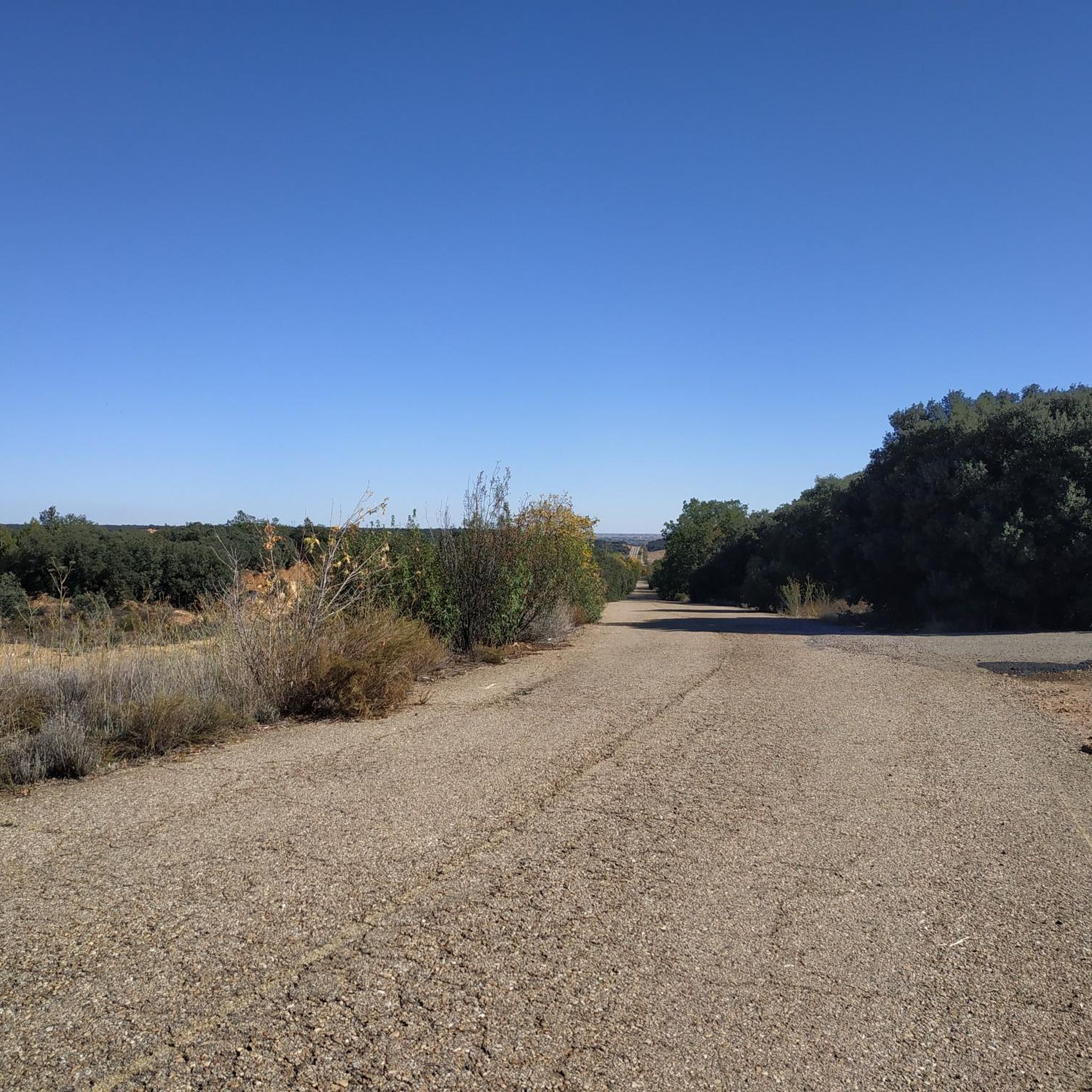
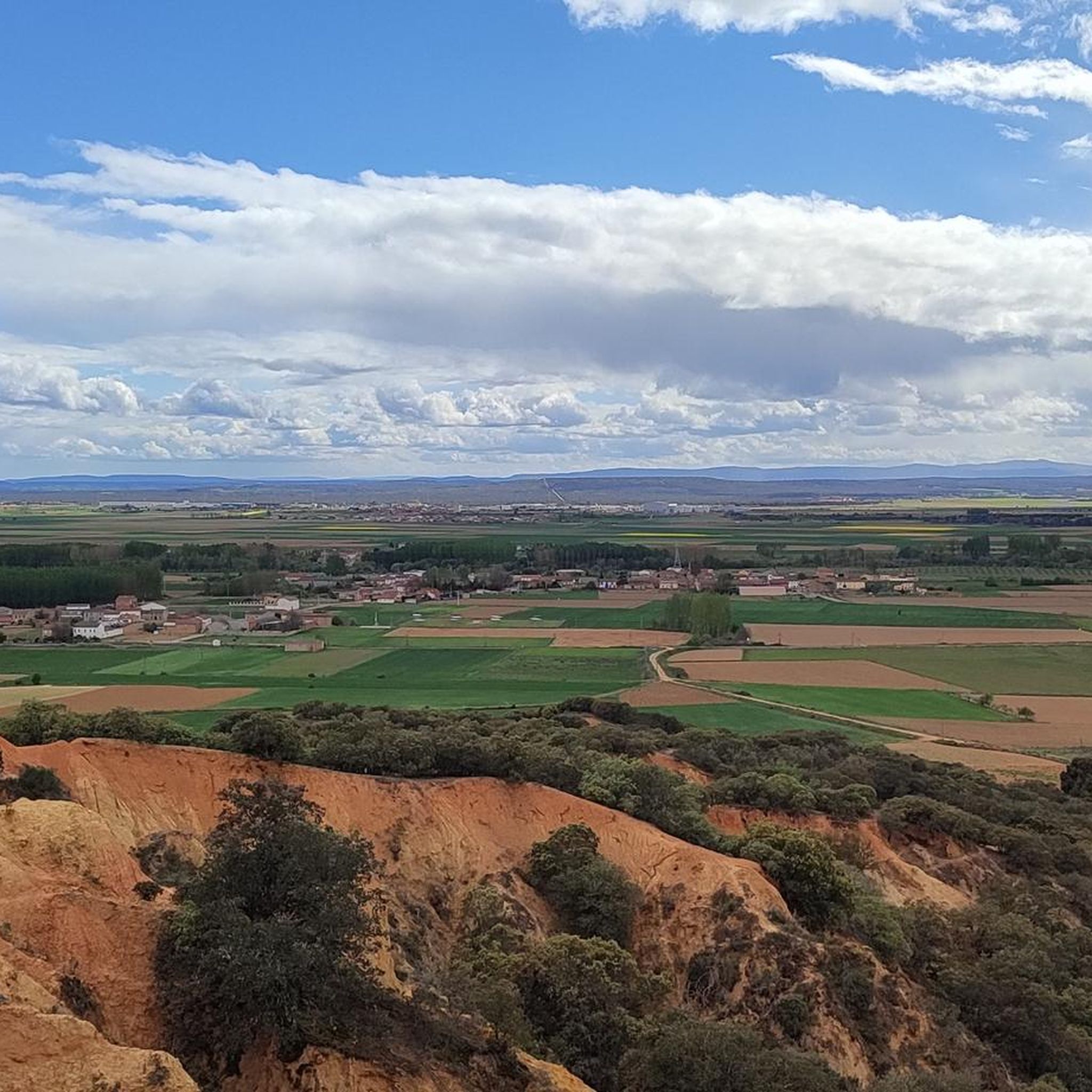
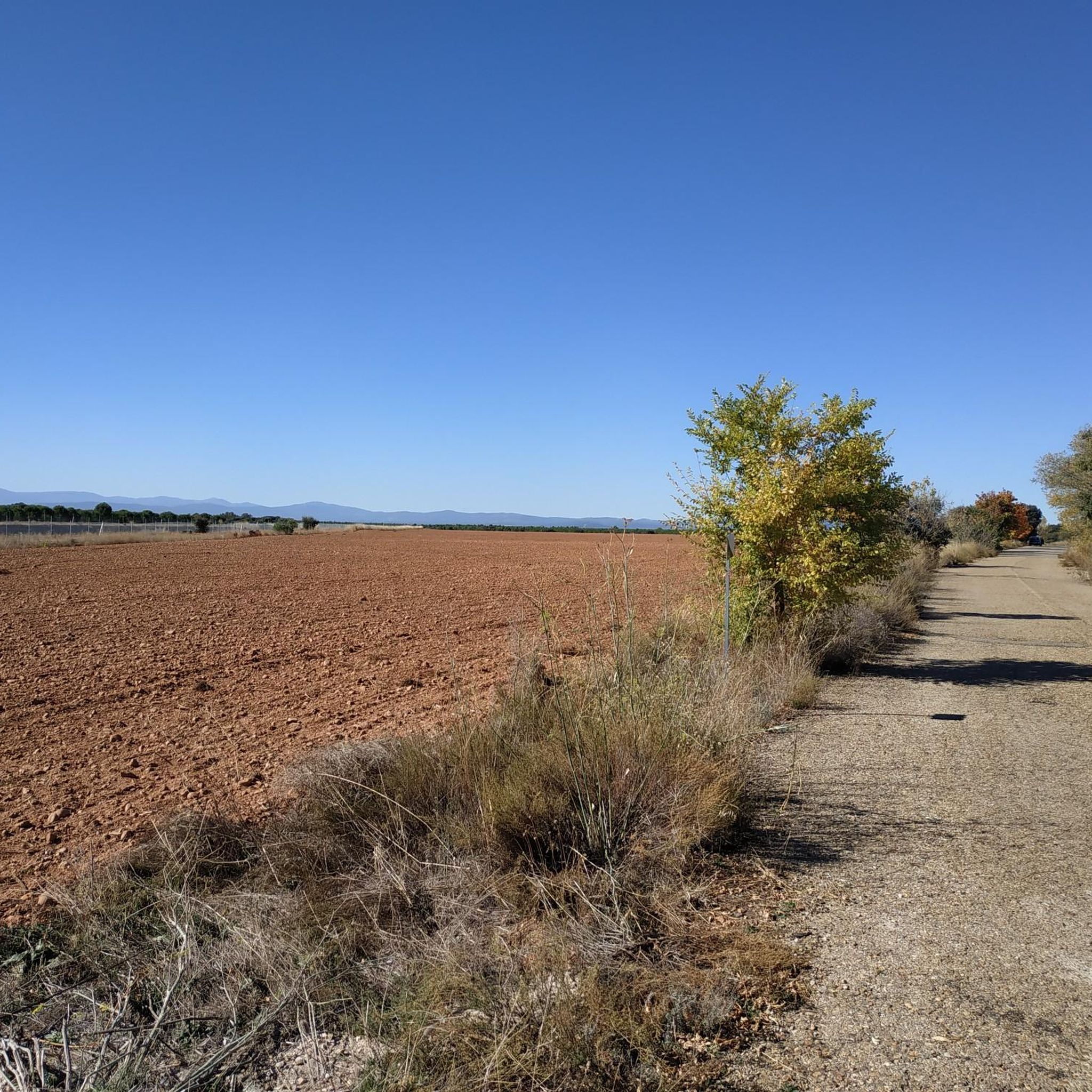
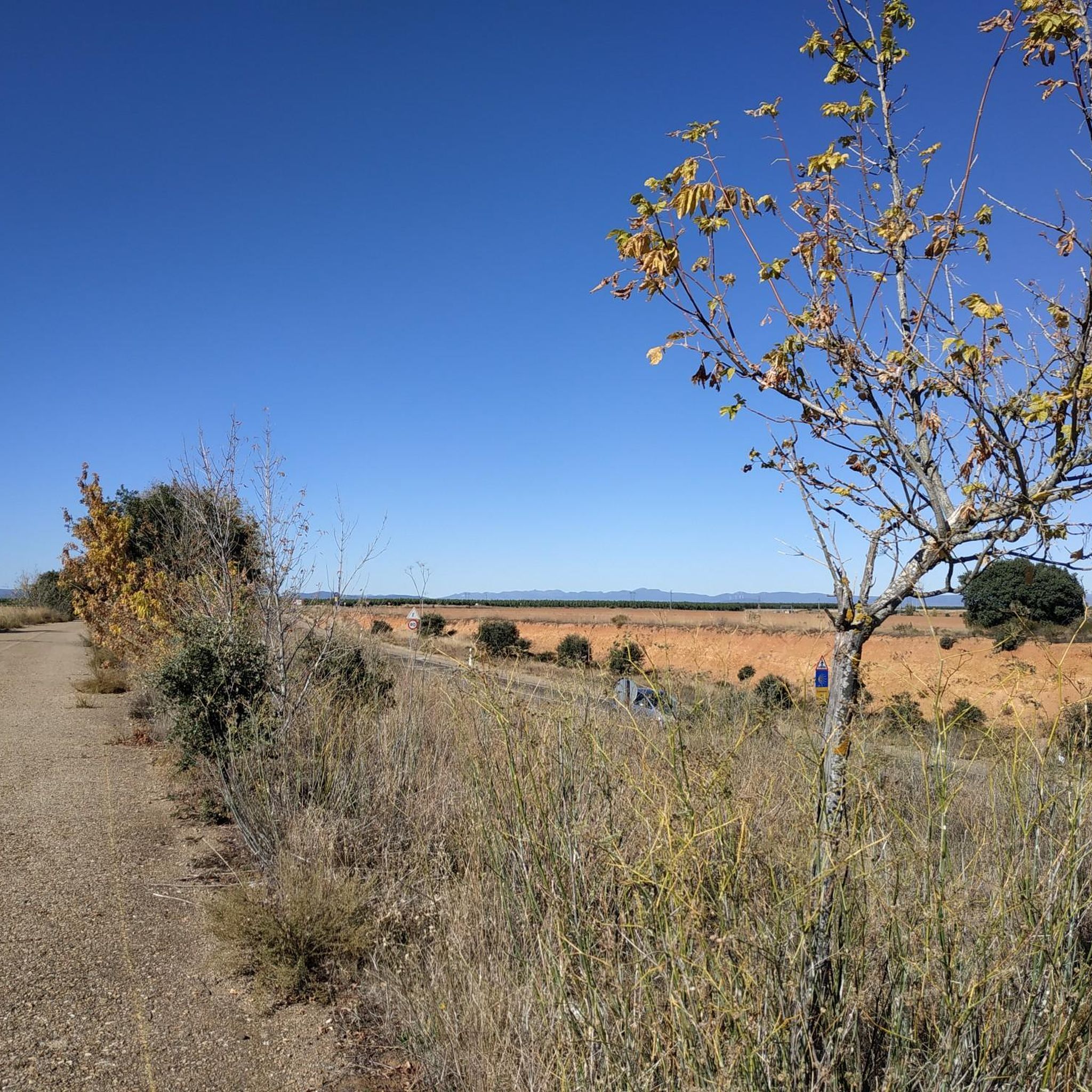
Walks along paths next to the river Duerna. The Valduerna Valley is surrounded by rich fertile fields, used for the cultivation of cereals and pine trees.
2
0
Robledo de la Valduerna is a small rural town in the Valduerna Valley next to the Duerna River. There is a small church in the middle of the village. A good place to rest and have a refreshing drink.
2
0

Hospital de Órbigo is a municipality on the Way of Saint James in the province of León, in the autonomous community of Castile and León. In the Middle Ages there was already a small village on the left bank of the Río Órbigo river. This village, formed around the church of Santa Maria, was named after the Puente de Órbigo bridge.
4
0
Frequently Asked Questions
What kind of terrain can I expect on road cycling routes around Villamontán De La Valduerna?
The region offers diverse terrain, primarily characterized by the tranquil Valduerna valley. You'll find routes with gentle gradients along the Duerna, Peces, and Valtabuyo rivers, as well as rolling hills. While specific challenging mountain passes are not prominent directly within Villamontán, the broader area provides varying gradients suitable for different fitness levels.
Are there any easy road cycling routes suitable for beginners in Villamontán De La Valduerna?
Yes, Villamontán De La Valduerna offers several routes with gentle gradients that are ideal for beginners or those seeking a more relaxed ride. Out of the 28 available routes, 6 are classified as easy, providing a pleasant introduction to the region's scenic rural landscapes.
What historical landmarks or points of interest can I see while road cycling in the area?
The region is rich in history. You can encounter Roman archaeological remains, including what is believed to be an ancient Roman road. Nearby attractions include the Gothic Arch of the Palace of Castrocalbón and the Eria Bridge in Castrocalbón. Longer excursions might even lead to Astorga, home to the Palace of Gaudí and the Cathedral of Santa María.
Are there any long-distance road cycling routes for experienced cyclists?
Yes, for those seeking longer distances, routes like the Castrocontrigo from La Bañeza – circular through Castrocalbón and the Tabla Reservoir cover nearly 90 km, offering a substantial ride through rural areas and past the Tabla Reservoir. There are 21 moderate and 1 difficult route available for more experienced riders.
What is the best time of year for road cycling in Villamontán De La Valduerna?
Given the region's climate, spring and autumn generally offer the most pleasant conditions for road cycling, with milder temperatures and beautiful scenery. Summer can also be suitable, especially during the mornings or late afternoons, though it can get warm. Winters are typically cooler and may have more unpredictable weather.
Are there any circular road cycling routes available?
Yes, many routes in the area are designed as loops, allowing you to start and end in the same location. For example, the Valduerna and Valdería Loop from La Bañeza is a popular moderate option that explores the tranquil valleys, showcasing agricultural landscapes.
What do other road cyclists say about the routes in Villamontán De La Valduerna?
The road cycling routes in Villamontán De La Valduerna are highly rated by the komoot community, with an average score of 5.0 stars from reviews. Over 200 road cyclists have used komoot to explore the varied terrain, often praising the scenic rural landscapes and the blend of natural beauty with cultural elements.
Are there any routes that pass through traditional villages or offer cultural experiences?
Absolutely. The region is dotted with traditional villages such as Fresno de la Valduerna, Miñambres de la Valduerna, and Posada de la Valduerna. Routes like the Astorga and La Bañeza Loop lead through historical towns, offering a mix of natural beauty and cultural immersion.
Where can I find scenic viewpoints along the road cycling routes?
The Valduerna valley itself offers many picturesque views of the riverine landscape and rolling hills. For a specific panoramic spot, consider visiting the Las Torcas de Barrientos Viewpoint, which provides excellent vistas of the surrounding area.
Are there any routes that are particularly challenging for advanced road cyclists?
While many routes are moderate, there is at least one route classified as difficult for those seeking a greater challenge. These routes typically feature more significant elevation gains or longer distances, providing a demanding experience for advanced road cyclists.
Can I find places to stop for refreshments or food along the routes?
The region's traditional villages and proximity to larger towns like La Bañeza mean you can often find local establishments for refreshments. While specific cafes on every route aren't listed, planning your ride to pass through these settlements will provide opportunities to refuel and experience local hospitality.
What are the typical road conditions like in Villamontán De La Valduerna?
The routes generally follow well-maintained rural roads, often passing through agricultural lands. As with any rural area, conditions can vary, but the presence of historical Roman roads suggests a long-established network. It's always advisable to check local conditions before heading out.
Most popular routes around Villamontán De La Valduerna
Most popular attractions around Villamontán De La Valduerna

Get inspired with the komoot mobile app


Explore more
Browse the best Road cycling routes in other regions.
