The best walks and hikes around Villamuera De La Cueza
4.3
(5)
78
hikers
5
hikes
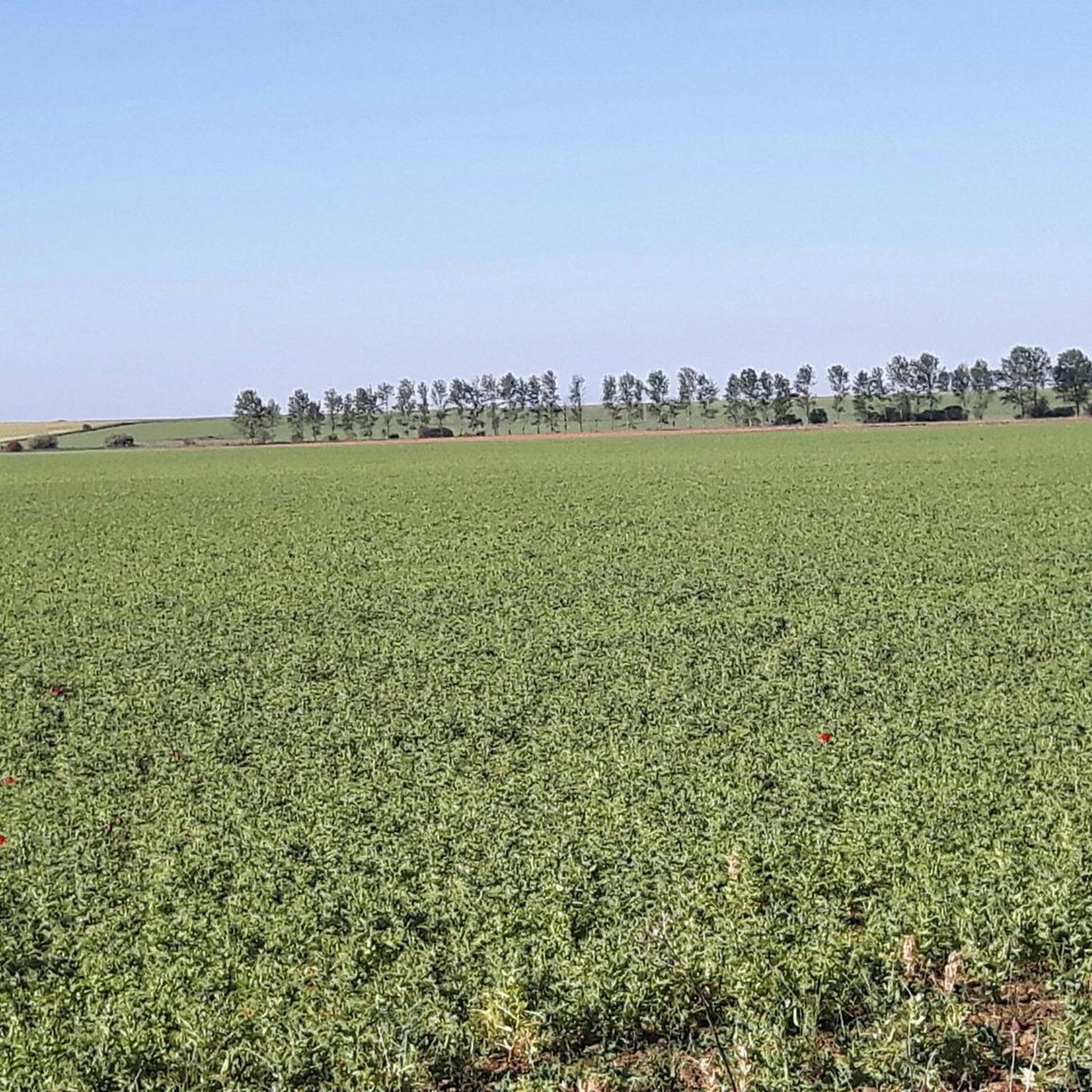
Hiking around Villamuera De La Cueza offers a tranquil experience within the Tierra de Campos region of Palencia. The area is characterized by undulating terrain, reflecting its name "Cueza" which signifies a basin, rather than flat plains. Cereal agriculture dominates the landscape, interspersed with hills that provide scenic vistas, particularly as seasons change. The historic Cañada Real Leonesa, an ancient transhumance route, also passes through the municipality, offering established pathways for exploration.
Best hiking trails around Villamuera De La Cueza
…Last updated: July 12, 2026
4
hikers
Moderate hike. Good fitness required. Easily-accessible paths. Suitable for all skill levels.
1
hikers
Moderate hike. Good fitness required. Easily-accessible paths. Suitable for all skill levels.

Sign up for free
Moderate hike. Good fitness required. Easily-accessible paths. Suitable for all skill levels.
4.0
(2)
35
hikers
10.8km
02:49
70m
70m
Moderate hike. Good fitness required. Easily-accessible paths. Suitable for all skill levels.
4.0
(2)
32
hikers
10.9km
02:50
70m
70m
Moderate hike. Good fitness required. Easily-accessible paths. Suitable for all skill levels.
Our route recommendations are based on thousands of hikes, rides, and runs completed by other people on komoot.
Start today with a free account
Your next adventure awaits.
Login or Signup
Popular around Villamuera De La Cueza


Tips from the Community

Founded in the 13th century, it is part of the Franciscan legacy of hospitality. It has functioned as a religious hostel ever since, managed by the Poor Clare nuns. During the summer, daily Mass is celebrated at 7:00 p.m. The convent houses a museum of sacred art, with nativity scenes from around the world.
1
0
Built in the mid-12th century, during the reign of Alfonso VII, it was originally dedicated to Our Lady of Victories. Its name refers to a local legend: when the Muslims arrived to collect the "Tribute of the Hundred Maidens," four young women from Carrión asked to say goodbye to the Virgin, who summoned four bulls to scare off the invaders. Later, due to its location along the Camino de Santiago, it was renamed Santa María del Camino.
1
0
The Church of Santa María del Camino in Carrión de los Condes (Palencia) is a jewel of Castilian Romanesque architecture, steeped in history, art, and religious symbolism, especially linked to the Camino de Santiago.
1
0
The views from the P-980 highway, especially in the area known as Los Coracoles in the Palentina Mountains, are truly spectacular and are part of the famous Ruta de los Pantanos (Wetlands Route).
1
0
The Monastery of Santa María de Benevívere, also known as Benevívere Abbey, was an important religious institution founded in 1169 by the Castilian nobleman Diego Martínez de Villamayor, near Carrión de los Condes, in the province of Palencia. This monastery was located on the French Way of St. James and was entrusted to the Canons Regular of Saint Augustine.
1
0
If you have the opportunity to explore this trail, you'll enjoy the natural beauty and ecological richness of the area. Enjoy your hike! 🌿🚶♀️
0
0
The Church of Santa María de las Victorias y del Camino, also known as Santa María del Camino, is one of the oldest and most emblematic churches in Carrión de los Condes, in the province of Palencia. It was built in the mid-12th century, during the reign of Alfonso VII. It is dedicated to the Virgen de las Victorias, also known as the Virgen del Camino, patron saint of the town.
2
0
The Plaza de Santa María in Carrión de los Condes is one of the most emblematic spaces in this town in Palencia, especially due to its importance on the Camino de Santiago. The square is dominated by the Church of Santa María del Camino, a 12th-century Romanesque church, considered the oldest in the town. It was built during the reign of Alfonso VII and is dedicated to the Virgin of Victories, an allusion to a local legend about the liberation of Christian maidens through divine intervention.
2
0
Frequently Asked Questions
What kind of landscape can I expect when hiking around Villamuera de la Cueza?
Hiking around Villamuera de la Cueza offers a unique experience within the Tierra de Campos region. You'll find undulating terrain, often referred to as a 'basin' (cueza), rather than flat plains. The landscape is characterized by expansive cereal fields, interspersed with gentle hills that provide scenic vistas. The historic Cañada Real Leonesa, an ancient transhumance route, also passes through the area, offering well-established pathways through this distinctive rural environment.
How many hiking trails are available in Villamuera de la Cueza?
There are 5 hiking trails available around Villamuera de la Cueza, ranging from moderate to difficult. These routes allow you to explore the unique topography and historical pathways of the Tierra de Campos region.
Are there any easy hiking routes suitable for beginners in Villamuera de la Cueza?
The trails around Villamuera de la Cueza are primarily rated as moderate, with one difficult option. There are no routes specifically classified as easy. However, the moderate trails, such as the Monasterio de Santa María de Benevívere from Carrión de los Condes — Camino de Santiago, are generally accessible for those with a reasonable level of fitness.
What is the best time of year to go hiking in Villamuera de la Cueza?
The best time to hike in Villamuera de la Cueza is during spring, when the fields burst with green and red poppies, offering vibrant scenery. Summer also provides beautiful golden hues across the agricultural landscape. The average altitude of around 834-835 meters above sea level ensures expansive views throughout these seasons.
Are there any circular hiking routes in the area?
Yes, there are several circular routes. A popular choice is the Calzada de los Molinos from Carrión de los Condes — circular by the Camino de Santiago Francés, which offers views of the Castilian landscape. Another option is the Santuario Nuestra Señora de Carejas — circular desde Paredes de Nava, which leads through agricultural fields and showcases traditional architecture.
What interesting landmarks or attractions can I see while hiking near Villamuera de la Cueza?
While hiking, you can encounter several points of interest. The historic Cañada Real Leonesa itself is a significant feature. Nearby, you might find traditional dovecotes scattered across the fields, offering a glimpse into rural architecture. For specific landmarks, consider visiting the Monastery of San Zoilo or the Santa María del Camino Church, both of which are accessible from some routes.
What do other hikers enjoy most about hiking in Villamuera de la Cueza?
The area is highly rated by the komoot community, with an average score of 4.2 stars from over 40 reviews. Hikers often praise the tranquil experience, the unique undulating terrain, and the expansive views of the Castilian landscape, especially the changing colors of the cereal fields throughout the seasons.
Are the hiking trails around Villamuera de la Cueza suitable for families?
The trails are generally moderate in difficulty, which means they are suitable for families with older children or those accustomed to longer walks. The routes offer a chance to explore historical pathways and observe rural landscapes, which can be an enriching experience for families.
Can I bring my dog on the hiking trails in Villamuera de la Cueza?
While specific regulations for dogs on these trails are not detailed, generally, dogs are welcome on hiking trails in rural areas of Spain, especially if kept on a leash. Given the agricultural nature of the region, it's advisable to keep dogs under control to avoid disturbing livestock or wildlife.
What is the typical duration for hikes in this region?
The duration of hikes varies depending on the route. For example, the Monasterio de Santa María de Benevívere from Carrión de los Condes — Camino de Santiago typically takes about 2 hours 30 minutes, while the Santuario Nuestra Señora de Carejas — circular desde Paredes de Nava takes around 2 hours 39 minutes. Longer routes, like the difficult Monastery of San Zoilo – Meseta Landscape loop from El Sepulcro, can take significantly longer.
Is there parking available at the trailheads?
While specific parking facilities for each trailhead are not listed, Villamuera de la Cueza is a rural area. Parking is generally available in or near the villages where the routes begin, such as Carrión de los Condes or Paredes de Nava. It's recommended to check local signage upon arrival.
Are there any opportunities to see wildlife while hiking?
The Tierra de Campos region, with its extensive cereal fields and rural environment, is home to various bird species, including steppe birds. While not a primary wildlife viewing destination, you may encounter local fauna adapted to agricultural landscapes during your hike.
Most popular routes around Villamuera De La Cueza
Most popular attractions around Villamuera De La Cueza

Get inspired with the komoot mobile app


Explore more
Browse the best Hikes in other regions.
