The best road cycling routes around Villaprovedo
4.1
(21)
39
riders
4
rides
Road cycling routes around Villaprovedo offer access to the varied topography of the Palencia province in Castile and León, Spain. The region features expansive Castilian plains, providing long, flat to gently rolling routes ideal for endurance or leisurely rides. To the north, the Montaña Palentina presents more challenging climbs and demanding road passes for cyclists seeking significant elevation gains. The area is characterized by a network of well-preserved, less-traveled roads, making it suitable for combining cycling with exploration away from…
Last updated: July 12, 2026
4.3
(4)
9
riders
57.7km
02:19
300m
300m
Cycle the moderate 35.9-mile Castrillo de Villavega loop from Osorno la Mayor, following the Río Valdavia past castle ruins.
4.3
(3)
9
riders
Moderate road ride. Good fitness required. Mostly well-paved surfaces and easy to ride.

Sign up for free
12
riders
121km
05:01
840m
840m
Hard road ride. Very good fitness required. Mostly well-paved surfaces and easy to ride.
5
riders
28.3km
01:08
130m
120m
Easy road ride. Great for any fitness level. Mostly well-paved surfaces and easy to ride.
3.6
(14)
4
riders
35.6km
01:25
180m
180m
Easy road ride. Great for any fitness level. Mostly well-paved surfaces and easy to ride.
Our route recommendations are based on thousands of hikes, rides, and runs completed by other people on komoot.
Start today with a free account
Your next adventure awaits.
Login or Signup
Popular around Villaprovedo

Tips from the Community

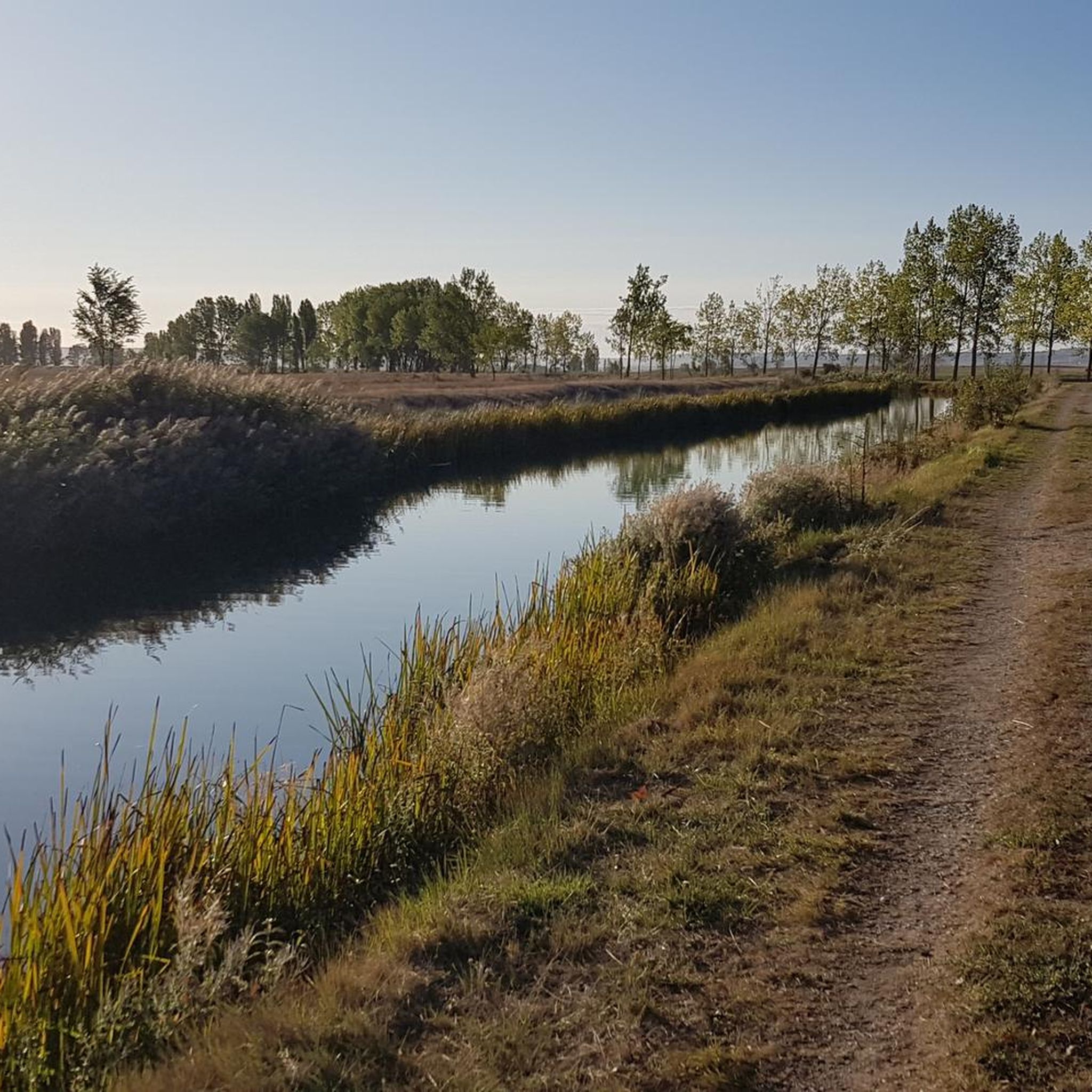
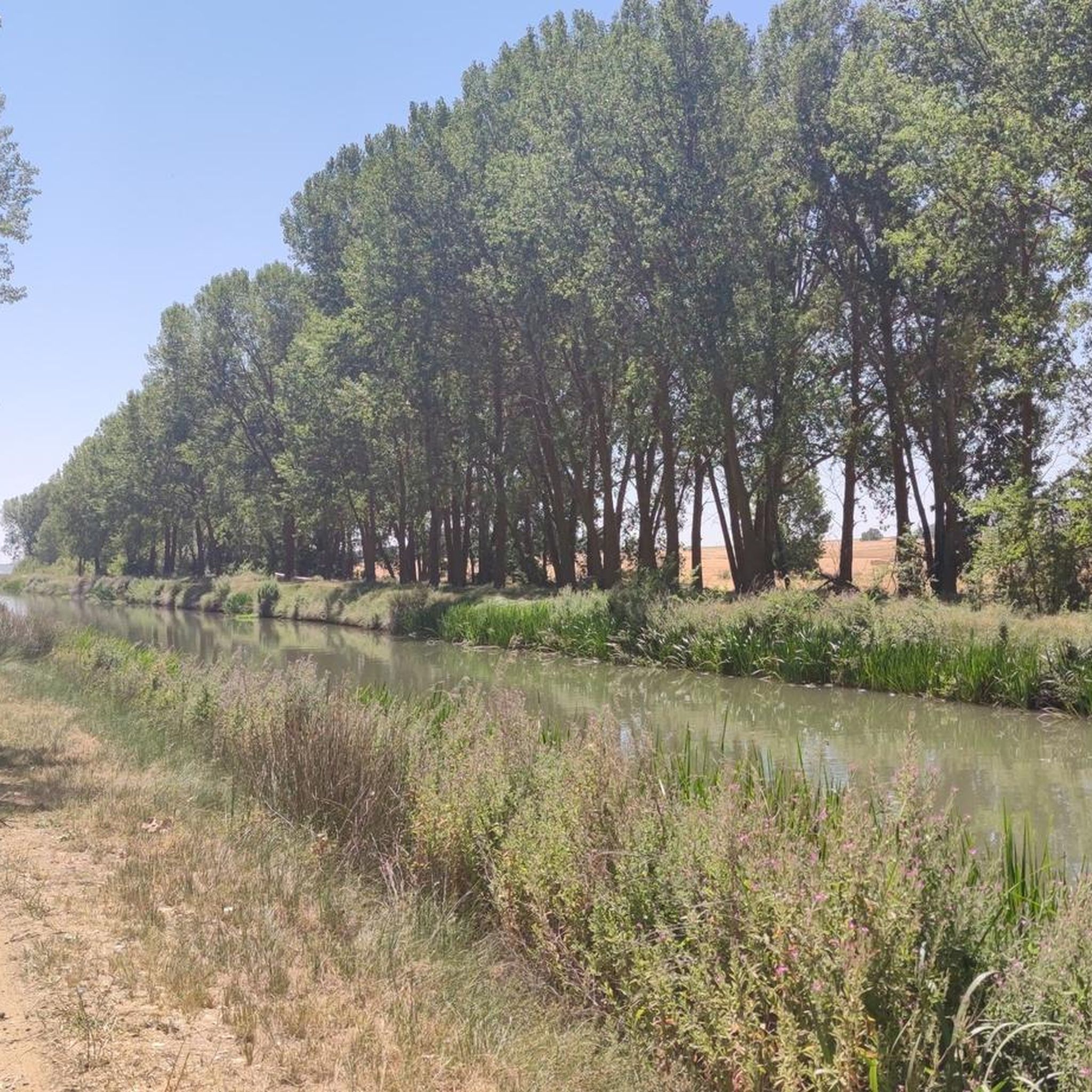
Alar del Rey is a small town in size. However, it is the starting point of the Canal de Castilla, one of the most interesting hydraulic engineering works on the peninsula. It has a train station that makes it a perfect starting point for great adventures.
0
0

The San Andrés Lock, located in Herrera de Pisuerga (Palencia), is part of the historic Canal de Castilla, one of the most important hydraulic engineering works in Spain in the 18th and 19th centuries.
1
0

Hermitage San Jose. Dedicated to St Joseph, the patron saint of Happy Death
0
1

Stage 1. Alar del Rey/Cervera de Pisuerga 87 kilometers. 1,850 positive meters. The Canal de Castilla begins in Alar del Rey, an illustrious work of 18th century hydraulic engineering that was an important vein of communication, commerce and prosperity in much of the Castilian lands for a century. In 1860 the railway monopolized the trade in cereals, goods and minerals in the north of Castile and transport barges stopped using the canal, which continued in use until the mid-20th century, exploiting the hydraulic energy of the locks and irrigation systems. . The starting point is the dock of the old piers of the Canal de Castilla, a very pleasant place to start a gravel trip of a couple of days of bikepacking along the Palentino Romanesque Natural Path, which largely coincides with the Ruta del Coke charcoal. “Cok” or coke is a high-quality hard coal with good heat capacity that is highly appreciated in the metallurgical industry. The best coke deposits were in exclusive mines in Fuentes Carrionas and Montaña Palentina, mainly in the valleys of Mudá, Castillería and Santullán. The extracted mineral was transported by horse and cart to the piers of the Canal de Castilla bound for Valladolid and Palencia, where distribution began. The cycle tour follows the old mining road to the mountains of northern Palencia, visiting a few rural Romanesque jewels. Before leaving we passed by the milestone where the Canal de Castilla takes its water from the Pisuerga River. I discovered this beautiful river spot thirty years ago, when I cycled along the canal towpaths for the first time. Now we leave in the opposite direction following the red posts of the Nature Trail. The roads are good for gravel cycling, the relief is a bit leg-breaking and there are several hard slopes that warm up the muscles with the gravel single chainring but the surface is great. The first town is Prádanos de Ojeda, on a rural hill above extensive cereal fields that are very good for warming up the legs before the first slopes, it is the end of summer and the stubble is full of large balls of packed straw. The path crosses the Pradera de las Tortas mountain and Santibáñez de Ecla appears hidden among some hills of holm oaks and holm oaks. The church of San Juan can be seen now or in the second stage because the return track connects here. The path runs through hills populated by dense holm oak forests and passes through Villaescusa de Ecla, which has the Romanesque church of Santa Elena and in a nearby ravine the Cervigona Waterfall. The silhouette of the Palentina Mountain and the Curavacas peak draw attention on the horizon. The path jumps small hills of holm oaks and holm oaks and at the heights the view takes in the mountains of the Cantabrian Mountains of Palencia. The surface is excellent and the bikes descend at full speed to the town of Cozuelos de Ojeda. The church is monumental, Renaissance with star-crossed vaults and a Herrerian tower. Outside the church there are remains of an ancient cloud conjurer, a popular place of prayer during harvest time to keep storms and clouds or clouds away from the sky. The route leaves the urban complex of Cozuelos de Ojeda on the left and continues through some steppe hills to a plateau with good views of the mountains, from Valdecebollas to Espigüete. In the moor is the crossing of the Perazancas de Ojeda variant on the return route. The next town is Vallespinoso de Aguilar. The hermitage of Santa Cecilia, immediately standing out on a castle hill, is dated to the 12th century and was declared a historical-artistic monument in 1951. The portico has well-carved capitals and the location conveys the atmosphere of a fortress sanctuary. The path goes up a somewhat rocky slope and enters new slides in the land of Aguilar de Campoo. At the foot of Monte de la Ruya, when the hardest slope of the stage appears in front of you, the detour to Barrio de San Pedro and Barrio de Santa María, two districts of Aguilar de Campoo, comes out on the right. The descent is fantastic with views of the large lake of the Aguilar reservoir. First is Barrio de San Pedro, with a very welcoming ambushed entrance and the church of San Pedro, Romanesque from the 13th century with many later additions. And then the hermitage of Santa Eulalia, solitary next to the road, another well-preserved historical-artistic monument of the rural Romanesque of Palencia. In the town, the church of the Assumption also preserves parts of Romanesque origin.
0
0

At this place the Canal de Castilla begins its journey - a masterpiece of Spanish hydraulic engineering from the 18th / 19th century. The canal is 207 km long. Here we can see the commemorative monolith for the 200 years of the North Branch of the canal, installed in 1991.
3
0

Herrera de Pisuerga is a city with an outstanding history. From the Roman settlement of Pisoraca to the Visigothic occupation, its past is present in the necropolis and the archaeological remains. In the Middle Ages, it became a walled town with gates and a parish church dedicated to Santa Ana. The old town has a Plaza Mayor with arcades and emblazoned buildings.
1
0
Alar del Rey was founded in the 15th century and stands out for its parish church of Nuestra Señora del Carmen, in neo-Romanesque style with a modernist tower. The town offers an impressive landscape environment thanks to the Canal de Castilla and the Pisuerga River. In addition, it is close to places of interest such as Peña Amaya, the Palencia Mountain and the Unesco World Geopark las Loras.
1
0
The Canal de Castilla in Alar del Rey is an impressive testimony of 18th century hydraulic engineering, where its locks and aqueducts cross the town.
1
0
Frequently Asked Questions
How many road cycling routes are available around Villaprovedo?
There are 4 road cycling routes available around Villaprovedo, catering to various skill levels. You'll find options ranging from easy to difficult, allowing you to choose a ride that suits your experience.
What kind of terrain can I expect on road cycling routes near Villaprovedo?
The terrain around Villaprovedo offers significant variety. You can expect expansive Castilian plains with long, flat to gently rolling routes, ideal for endurance or leisurely rides. To the north, the Montaña Palentina presents more challenging climbs and demanding road passes for cyclists seeking significant elevation gains and dramatic scenery.
What is the best time of year for road cycling in the Villaprovedo area?
The Palencia province generally offers pleasant conditions for road cycling outside of the peak summer heat and winter cold. Spring and autumn are often ideal, with milder temperatures and beautiful landscapes. Summer can be hot, especially in the plains, while winter may bring colder temperatures and potentially snow in the higher Montaña Palentina areas.
Are there road cycling routes suitable for beginners around Villaprovedo?
Yes, there are easy road cycling routes available. For instance, the Roadbike loop from Herrera de Pisuerga is an easy option, covering about 28.3 km. These routes typically feature gentler slopes and are perfect for those new to road cycling or looking for a more relaxed ride.
Where can I find more challenging road cycling routes near Villaprovedo?
For more challenging rides, consider routes that venture towards the Montaña Palentina. The Melgar de Fernamental – Hermitage of San José loop from Estación de Osorno is a difficult 120.7 km trail with significant elevation gain, offering a demanding experience for advanced cyclists.
What historical or natural landmarks can I see while road cycling near Villaprovedo?
The region is rich in monumental wealth, including Romanesque architecture and features of the Canal de Castilla. You might encounter sights like the San Andrés Sluice or the Canal Museum. The routes often incorporate cultural and historical elements, allowing you to explore the Palencian Romanesque heritage and scenic reservoirs.
Is there parking available for cyclists in Villaprovedo?
While specific parking facilities for cyclists in Villaprovedo are not detailed, as a small municipality, you can typically find public parking options within the village. For routes starting from nearby towns like Herrera de Pisuerga or Osorno, there are usually designated parking areas available.
Can I use public transport with my bike in the Palencia region?
Public transport options for carrying bikes in the Palencia region can vary. While some regional buses or trains might accommodate bicycles, it's highly recommended to check with the specific transport provider beforehand for their policies, availability, and any potential fees or restrictions, especially during peak times.
Are there places to stop for refreshments or accommodation along the routes?
The routes often pass through or near small towns and villages in the Palencia province, such as Osorno, Herrera de Pisuerga, and Castrillo de Villavega. These locations typically offer local cafes, pubs, and sometimes accommodation options where you can stop for refreshments or a longer break.
Are there any circular road cycling routes available?
Yes, several circular road cycling routes are available. Popular options include the Osorno, Valdavia, and Boedo Loop and the Castrillo de Villavega from Herrera de Pisuerga – circular via Osorno la Mayor, which allow you to start and finish in the same location.
Are the road cycling routes around Villaprovedo suitable for families?
The region offers a mix of terrain. While some routes, particularly those on the expansive Castilian plains, can be suitable for families due to their gentle slopes and less-traveled rural roads, it's important to choose routes specifically marked as easy. Always consider the distance and elevation profile to ensure it matches your family's cycling abilities.
What do other cyclists say about road cycling in Villaprovedo?
The road cycling routes around Villaprovedo are highly rated by the komoot community, with an average score of 4.1 stars from 21 reviews. Cyclists often praise the varied topography, the network of well-preserved and less-traveled roads, and the opportunity to combine cycling with exploration away from heavy traffic.
Most popular routes around Villaprovedo
Most popular attractions around Villaprovedo

Get inspired with the komoot mobile app


Explore more
Browse the best Road cycling routes in other regions.
