Attractions and Places To See around Santa María De Valverde - Top 12
Attractions and places to see around Santa María De Valverde are centered in the Ebro Valley, a region known for its unique rock-cut architecture and historical significance. The area features rolling hills and diverse forests, including degraded oak formations to the north and dense beech forests to the south. This landscape provided the geological conditions for the creation of ancient rock-cut religious structures. Santa María De Valverde offers a blend of cultural heritage and natural settings for exploration.
Best attractions…
Last updated: July 1, 2026
Tábara
Highlight • Settlement
Translated by Google •
Tip by

Church of Santa Marta de Tera
Highlight • Religious Site
Translated by Google •
Tip by

Sign up now to discover places like this
Get recommendations on the best single tracks, peaks, & plenty of other exciting outdoor places.
Sign up for free
Picnic Area by the River
Highlight • Rest Area
Translated by Google •
Tip by

Casa Anita Tourist Hostel
Highlight • Mountain Hut
Translated by Google •
Tip by

Camarzana de Tera
Highlight • Settlement
Translated by Google •
Tip by
Sign up for free to discover even more attractions around Santa María De Valverde.
Sign up for free
Already have an account?
Start today with a free account
Your next adventure awaits.
Login or Signup
Popular around Santa María De Valverde
Tips from the Community

Tábara is a Spanish municipality of about 830-950 inhabitants located in the province of Zamora, within the autonomous community of Castile and León. This small village stands at an altitude of 749 meters and is the capital of the Tierra de Tábara comarca. It represents a center of great historical-cultural importance, as well as being a fundamental stop for pilgrims traveling the Camino Sanabrésl
1
0

Tábara, located in the northwest of the province of Zamora (Castilla y León), is a town with a rich medieval history, a stunning natural setting, and a significant cultural heritage. Origins: These date back to the Bronze Age and Roman period. Middle Ages: It was an important monastic center with the Monastery of San Salvador de Tábara, founded by Saint Froilán in the 9th century at the behest of Alfonso III.
10
0

It is not far from this hotel to the restaurant. If you continue to Santa Marta you should stock up here first. As of November 24th there is absolutely nothing in Santa Marta.
1
0

Monastery of Santa Marta de Tera, the oldest Romanesque church in Zamora and also one of the oldest in Spain. On the left side, hangs the oldest sculptural representation of St. James the Apostle in a pilgrim pose.
0
0

This is a lovely place to have a picnic while doing the Camino de Santiago. It is right next to the Tera River and is shady.
0
0
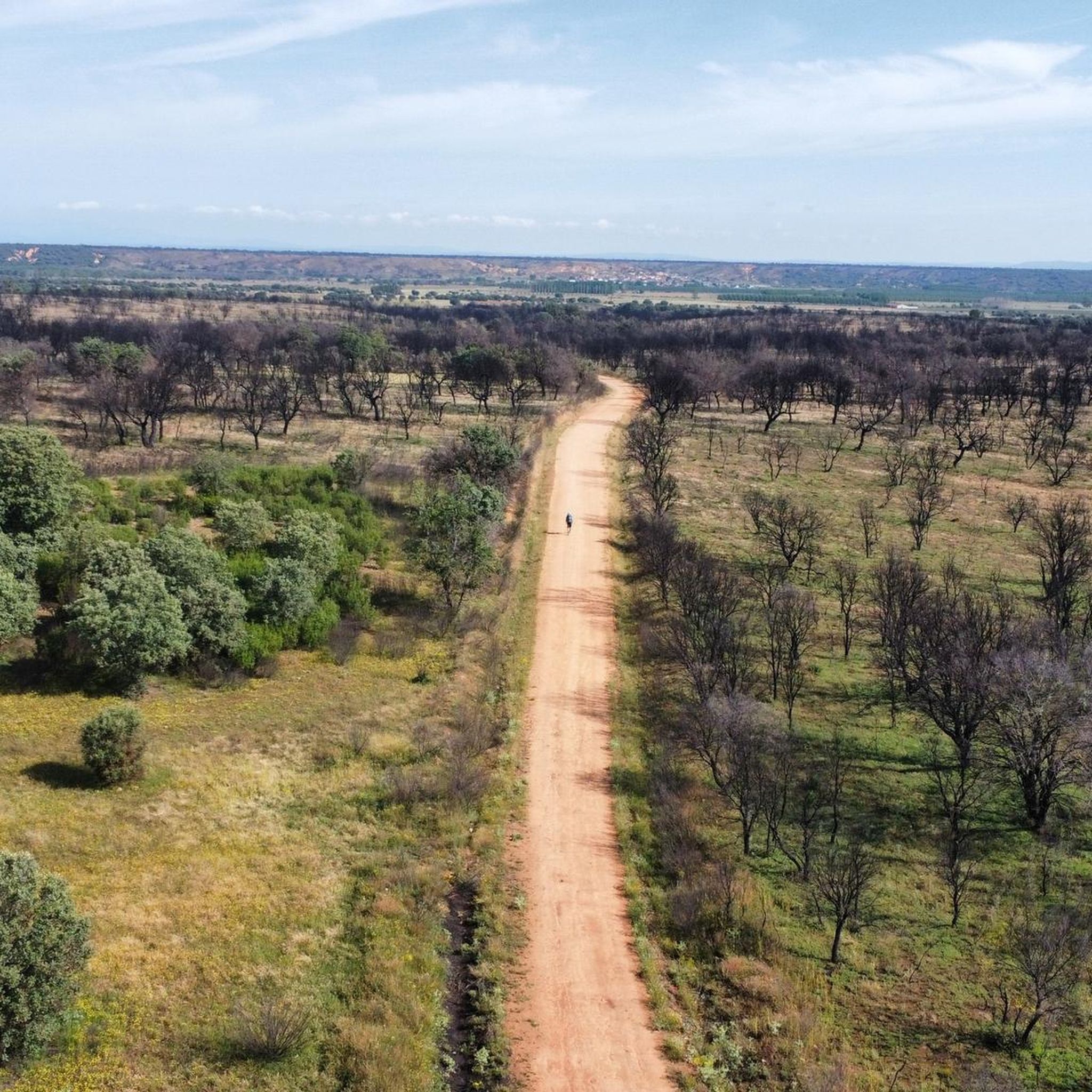
In this small town you can find a bit of the history left by the Romans. Next to the Tera River, the area is very fertile and is used mainly for agriculture. This means plenty of nice trails and dirt roads for mountain biking.
0
0

The church of Santa Marta de Tera is located on the Jacobean route Camino Sanabrés to Santiago, a branch of the Vía de la Plata. During the spring and autumn equinoxes, the chapel is illuminated by sunlight that enters through the oculus of the main pediment, an event that attracts many tourists.
1
0
A small town next to the Tera river valley, fertile lands that were occupied from the Celts. There is a beautiful Roman villa in the village with a mosaic floor.
1
0
Frequently Asked Questions
What unique historical sites can I explore around Santa María De Valverde?
The region is renowned for its rock-cut architecture. A must-see is the Iglesia Rupestre de Santa María de Valverde, a remarkable rock-cut church, possibly dating back to the Visigothic period, which is the largest of its kind in the Ebro Valley. Adjacent to it, the Centro de Interpretación de la Arquitectura Rupestre offers valuable context. Additionally, you can visit the Church of Santa Marta de Tera, one of Spain's oldest Romanesque churches, known for its unique illumination during the equinoxes, and the historic settlement of Tábara with its rich medieval heritage.
Are there family-friendly attractions in the Santa María De Valverde area?
Yes, several attractions are suitable for families. The Church of Santa Marta de Tera and the historic settlement of Tábara offer cultural insights for all ages. For outdoor enjoyment, the Picnic Area by the River provides a shaded spot next to the Tera River, perfect for a relaxing break. The settlement of Camarzana de Tera also offers historical sites and trails along the fertile river valley.
What natural features characterize the landscape around Santa María De Valverde?
The area is set within a scenic landscape of rolling hills. To the north, you'll find degraded oak formations, while to the south, dense beech forests thrive on the slopes descending from the meseta plateau. The region is part of the Ebro Valley, known for its geological features, including the Tera River, which flows past several settlements and offers pleasant riverside spots like the Picnic Area by the River.
What kind of outdoor activities can I do near Santa María De Valverde?
The region offers various outdoor activities, particularly cycling and mountain biking. You can explore numerous routes, including those along the Camino Sanabrés or through the Tera Valley. For detailed routes and guides, check out the MTB Trails around Santa María De Valverde, Cycling around Santa María De Valverde, and Road Cycling Routes around Santa María De Valverde guides.
Are there easy cycling routes suitable for beginners around Santa María De Valverde?
Yes, there are several easy cycling routes. For example, the 'Church of Santa Marta de Tera loop from Camarzana de Tera' is an easy 15.27 km route, and the 'Mózar Church loop from Aguilar de Tera' is an easy 29.22 km option. You can find more details and other beginner-friendly options in the Cycling around Santa María De Valverde and Road Cycling Routes around Santa María De Valverde guides.
What is the significance of the Church of Santa Marta de Tera?
The Church of Santa Marta de Tera is one of the oldest Romanesque churches in Spain and the oldest in Zamora. It is located on the Camino Sanabrés, a branch of the Camino de Santiago. It's particularly famous for a unique phenomenon: during the spring and autumn equinoxes, sunlight perfectly illuminates the chapel through its main oculus, attracting many visitors.
What can I learn at the Interpretation Center of Rock Architecture?
Located next to the Iglesia Rupestre de Santa María de Valverde, the Centro de Interpretación de la Arquitectura Rupestre provides a comprehensive introduction to the rock-cut churches of the Ebro Valley. It offers valuable context and information, helping visitors to better understand the unique cultural heritage and historical significance of these structures, including the nearby rock church itself.
What is Tábara known for?
Tábara is a settlement with a rich medieval history and significant cultural heritage, with origins dating back to the Bronze Age and Roman period. It was an important monastic center during the Middle Ages, known for the Monastery of San Salvador de Tábara. Today, visitors can explore its historical sites, including a notable Romanesque church.
Where can I find a good spot for a picnic or rest by the river?
The Picnic Area by the River is an ideal spot. Located right next to the Tera River, it offers a shaded environment perfect for resting and having a picnic, especially for those following the Camino de Santiago.
What makes Camarzana de Tera an interesting place to visit?
Camarzana de Tera is a small town situated next to the fertile Tera river valley. It boasts a rich history, with evidence of occupation from Celtic times and a beautiful Roman villa featuring a mosaic floor. The surrounding area, with its fertile lands, also offers plenty of nice trails and dirt roads, making it suitable for mountain biking.
What do visitors appreciate most about the attractions around Santa María De Valverde?
Visitors particularly appreciate the blend of historical significance and natural beauty. The ancient rock-cut churches and Romanesque architecture offer a deep dive into the region's past, while the scenic river spots and diverse forests provide opportunities for relaxation and outdoor activities. The unique illumination event at the Church of Santa Marta de Tera is also a highlight for many.

Get inspired with the komoot mobile app


Explore more
Still not found the Highlight you’re looking for? See guides of the top attractions in other regions:
