Attractions and Places To See around El Papiol - Top 20
Attractions and places to see around El Papiol offer a blend of historical landmarks, natural beauty, and cultural points of interest. Situated in the Baix Llobregat region of Catalonia, the municipality is nestled between the Collserola mountain range, the Llobregat river, and the Rubí stream. This location provides panoramic views and a rich history, with evidence of Iberian and Roman settlements. Visitors can explore a variety of sites, from medieval fortresses to geological formations and natural viewpoints.
Best attractions and…
Last updated: August 16, 2026
Expiatory Temple of the Sacred Heart
Highlight • Religious Site
Translated by Google •
Tip by

Tibidabo
Highlight • Religious Site
Translated by Google •
Tip by

Sign up now to discover places like this
Get recommendations on the best single tracks, peaks, & plenty of other exciting outdoor places.
Sign up for free
Cypresses Viewpoint
Highlight • Viewpoint
Translated by Google •
Tip by

Hermitage of Sant Medir
Highlight • Religious Site
Every March 3rd, the traditional San Medín …
Showing Translation
Tip by

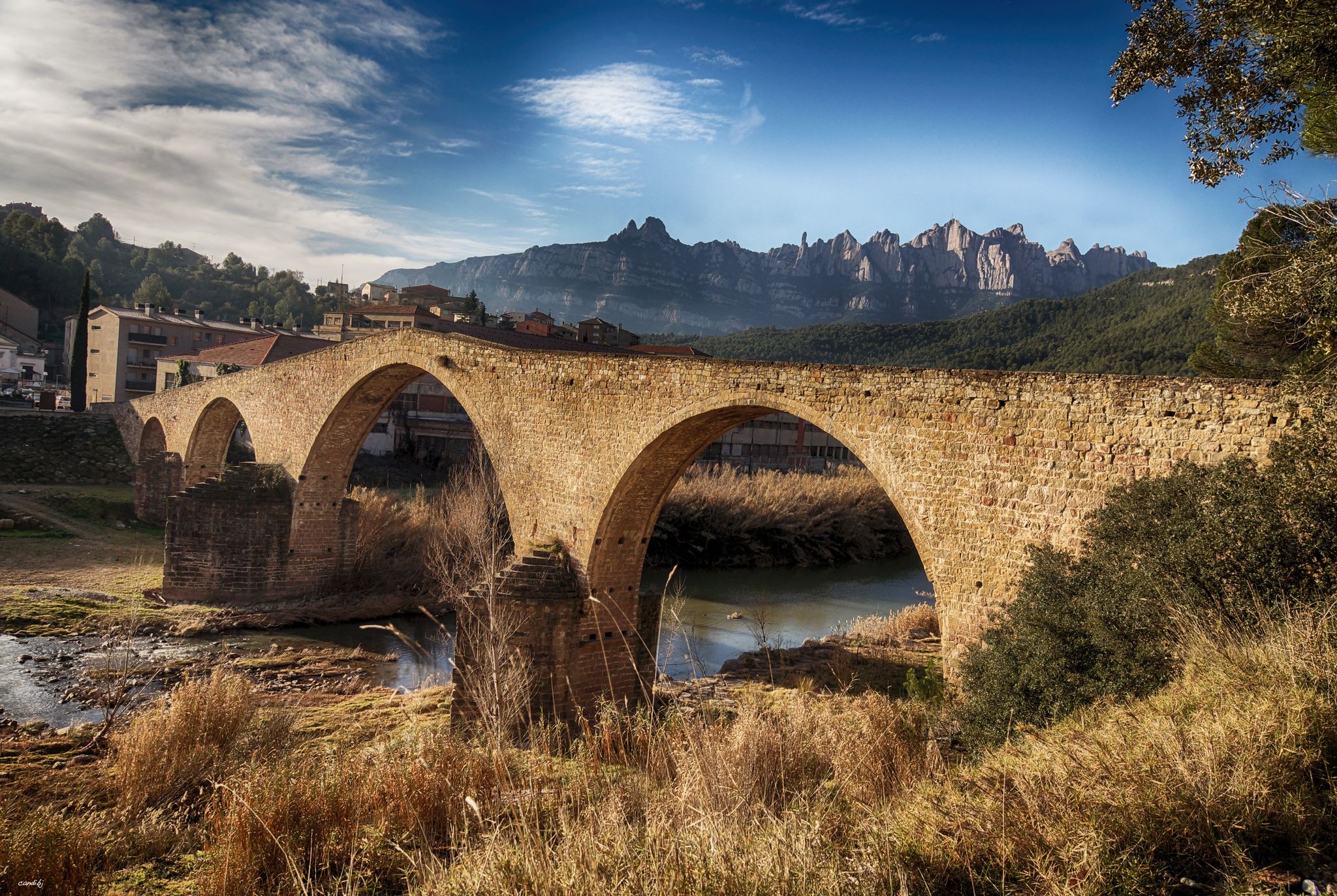
Llobregat River Crossing at Molins de Rei
Highlight • Bridge
Translated by Google •
Tip by
Sign up for free to discover even more attractions around El Papiol.
Sign up for free
Already have an account?
Start today with a free account
Your next adventure awaits.
Login or Signup

Other adventures around El Papiol

Tips from the Community

A very good cycle path, with views of Barcelona
0
0

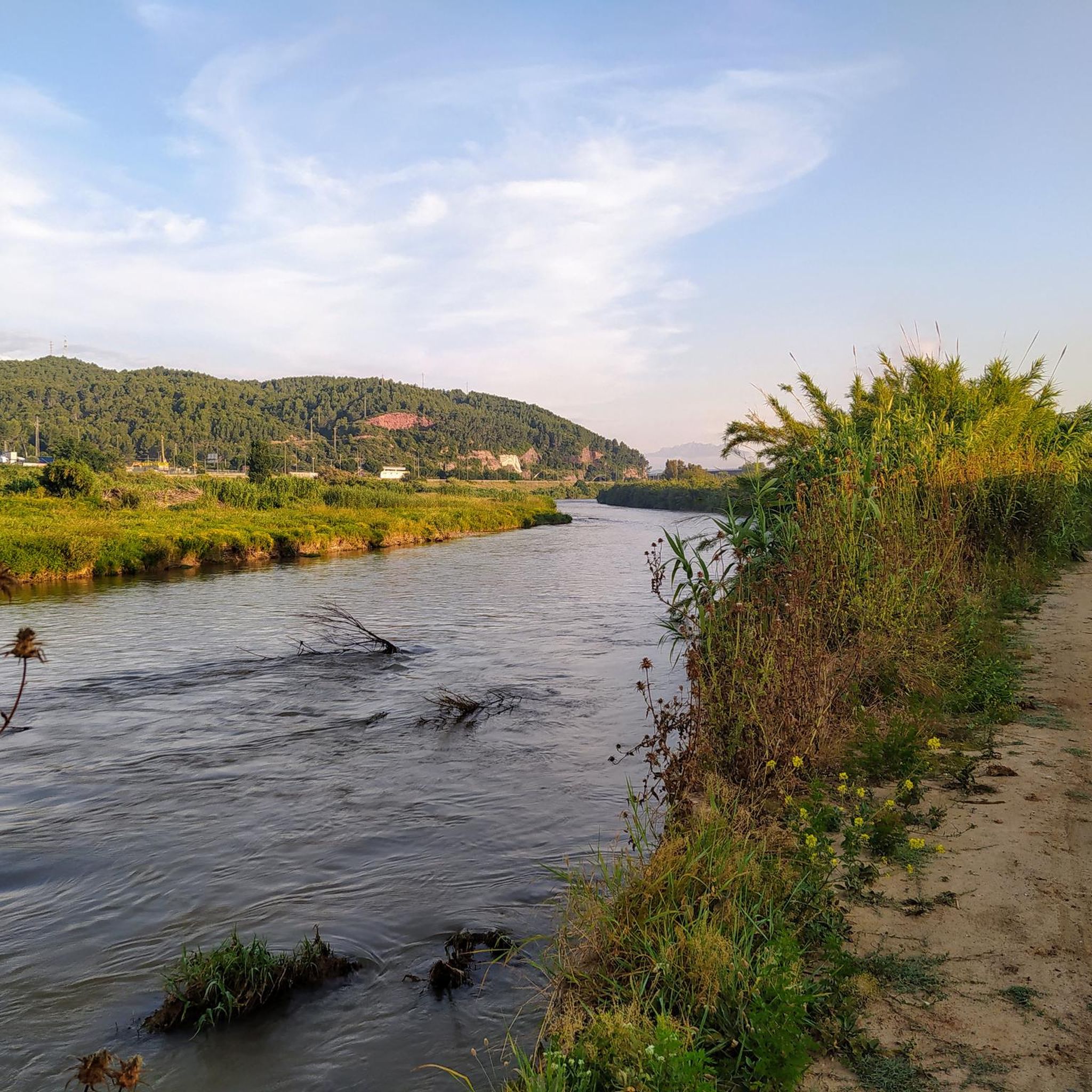
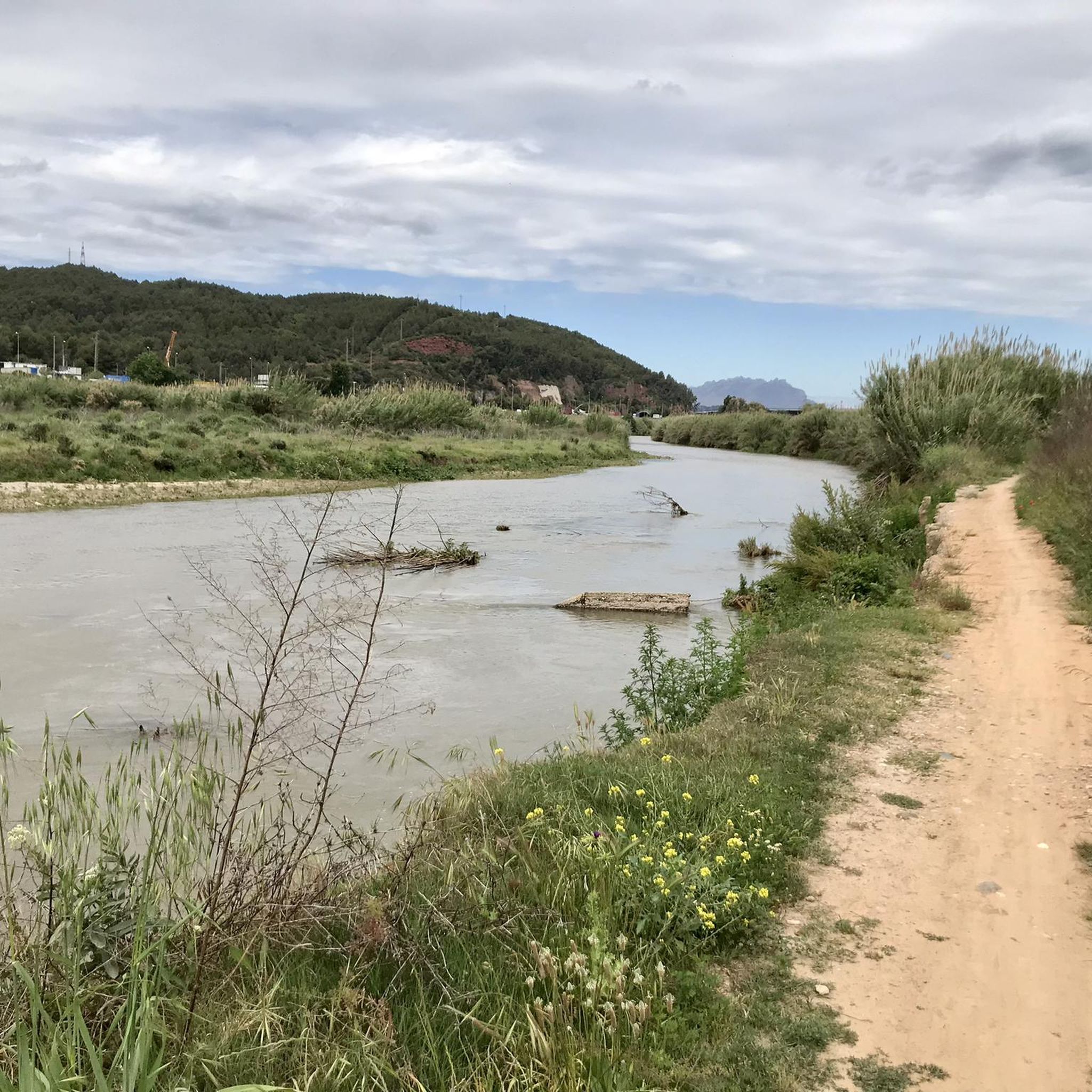
Impermeable ford of the Llobregat at the height of Sant Boi de Llobregat and allows you to pass towards Cornellà or vice versa, and follow the blue route to the Mediterranean or to Martorell, along both banks.
3
0

place to pass from side to side of the Llobregat river at the height of Molins de Rei.
1
0

It is a charming Romanesque style hermitage and has almost a thousand years of history (built in 1046 AD). It has been restored but retains its original structure.
4
0

To be able to go from one side of the river to another, perfect
1
0

Great flooring. With this small bridge you can bypass the dangerous freeway loop
1
0

The hermitage of Sant Medir is a place from which numerous hiking routes depart. It provides a very pleasant space to take a break before continuing the march. There is a water source, picnic areas, and shaded areas. You can also get there by car. Going up the path, past the parking lot, there is a restaurant called Masía Can Jané.
5
1

Crossing the river in a path setting just outside Barcelona.
1
0
Frequently Asked Questions
What natural attractions and viewpoints can I explore around El Papiol?
El Papiol is surrounded by natural beauty, including the Parc de Collserola, which offers numerous routes and viewpoints. You can visit Cypresses Viewpoint for panoramic views of the Barcelona plain and the Llobregat delta. Another significant natural monument is Pi d'en Xandri, an ancient stone pine and a symbol of the region's natural environment. Don't miss Les Escletxes del Papiol, spectacular geological fissures within Parc de Collserola, or Puig Madrona for expansive vistas.
Are there historical sites or cultural landmarks to visit in El Papiol?
Yes, El Papiol boasts a rich history. The most prominent landmark is the medieval Castell del Papiol, offering views over the Llobregat valley. The Old Town (Casco Antiguo) around the castle retains its medieval charm. You can also visit the Romanesque Sant Medir Hermitage within Parc de Collserola, or the Església de Santa Eulàlia in the old town. For a broader cultural experience, consider the Ruta El Papiol Patrimoni, which guides you through architecturally and historically relevant buildings.
What outdoor activities are popular near El Papiol?
The area around El Papiol, particularly within the Parc de Collserola, is excellent for outdoor activities. You can find numerous routes for hiking and mountain biking. For road cycling, explore routes like the 'Martorell and Castellbisbal Loop via El Suro Ascent' or 'Martorell's Devil's Bridge – Olesa/Martorell Straight loop from Molins de Rei', which are part of the Road Cycling Routes around El Papiol guide. Gravel biking and MTB trails are also abundant; check out the Gravel biking around El Papiol and MTB Trails around El Papiol guides for more options.
Are there family-friendly attractions or activities in El Papiol?
Many attractions around El Papiol are suitable for families. Natural sites like Pi d'en Xandri and Cypresses Viewpoint offer pleasant outdoor excursions. The Sant Medir Hermitage area provides picnic spots and shaded areas, ideal for a family break during a walk. The Parc de Collserola itself has many easy paths suitable for walks with children.
What is the best time of year to visit El Papiol?
El Papiol is enjoyable year-round, but the spring and early summer months are particularly pleasant for outdoor activities, with milder temperatures. If you're interested in local culture, plan your visit for the first weekend of June to experience the annual Festa de la Cirera (Cherry Fair), celebrating the town's prized cherry harvest.
How can I reach the attractions in El Papiol using public transport?
El Papiol is located just 15 km from Barcelona, making it accessible. While specific public transport routes to individual trailheads or remote natural features might require local research, the town itself is connected. For attractions within the Parc de Collserola, public transport options from Barcelona often reach the park's perimeter, from where you can start your exploration. For example, the Expiatory Temple of the Sacred Heart is on Tibidabo hill, accessible by funicular and bus from Barcelona.
Are there any unique local events or traditions in El Papiol?
Yes, El Papiol is famous for its annual Festa de la Cirera (Cherry Fair), held on the first weekend of June. This fair celebrates the town's extensive cherry fields and is a vibrant cultural event. The town also has a rich history, with traditions tied to its medieval past and landmarks like the Castell del Papiol.
Where can I find scenic cycling routes near El Papiol?
For scenic cycling, the Horta to Cerdanyola Road is highly recommended, offering spectacular views of Barcelona with less vehicle traffic. The Parc de Collserola also provides numerous paths suitable for both road and mountain biking. You can find detailed routes and guides for various cycling types, including Road Cycling and Gravel Biking, which include routes like 'Carretera de les Aigües – Cypresses Viewpoint loop from Pallejà'.
What do visitors particularly enjoy about the attractions around El Papiol?
Visitors frequently praise the stunning panoramic views, especially from locations like the Expiatory Temple of the Sacred Heart and Cypresses Viewpoint. The tranquility and natural beauty of the Parc de Collserola, along with the historical significance of sites like the Sant Medir Hermitage and Pi d'en Xandri, are also highly appreciated. The blend of history, nature, and cultural experiences makes the area appealing.
Are there any specific geological features worth seeing in El Papiol?
Yes, within the Parc de Collserola, you can explore Les Escletxes del Papiol, which are spectacular fissures and rock formations of significant geological interest. These natural cracks offer a unique landscape to discover during your visit.
Can I find places for a picnic or rest during my visit to El Papiol's natural areas?
Absolutely. The area around the Sant Medir Hermitage in the Collserola mountain range is an ideal spot for excursions and picnics. It provides a pleasant space with a water fountain, picnic areas, and shaded spots, perfect for taking a break before continuing your walk or ride.
What is the significance of the Fita del Papiol?
The Fita del Papiol, located in Plaça Joan Fusté, is a historic marker that once denoted the municipal boundary. It holds significant symbolism in the town's coat of arms and represents an important piece of El Papiol's historical identity.
Most popular routes around El Papiol
Most popular attractions around El Papiol

Get inspired with the komoot mobile app


Explore more
Still not found the Highlight you’re looking for? See guides of the top attractions in other regions:
