Attractions and Places To See around Villayón - Top 20
Attractions and places to see around Villayón, a municipality in Asturias, Spain, offer a blend of natural beauty and cultural heritage. Situated within the Historical Park of the Navia River, the area features mountainous terrain, numerous waterways, and a strong sense of Asturian rural tradition. Visitors can explore a variety of landscapes, from protected mountain areas to ancient archaeological sites and traditional villages.
Best attractions and places to see around Villayón
- The most popular attractions is Ruins of the Fonfaraón…
Last updated: July 6, 2026
Ruins of the Fonfaraón Hospital
Highlight • Historical Site
Translated by Google •
Tip by

Navia
Highlight • Settlement
Translated by Google •
Tip by

Sign up now to discover places like this
Get recommendations on the best single tracks, peaks, & plenty of other exciting outdoor places.
Sign up for free
Alto de La Marta
Highlight • Mountain Pass
Translated by Google •
Tip by

Puerto del Palo Pass
Highlight • Mountain Pass
Translated by Google •
Tip by
Church of Saint James
Highlight • Religious Site
Translated by Google •
Tip by

Sign up for free to discover even more attractions around Villayón.
Sign up for free
Already have an account?
Start today with a free account
Your next adventure awaits.
Login or Signup
Tips from the Community

The best things about Navia are the surrounding landscapes, the views of the coast, and its many restaurants where you can enjoy excellent local food. It's also an excellent base for a few days of cycling through the Oscos region and coastal villages like Cudillero, Puerto Vega, and Tapia de Casariego.
0
0
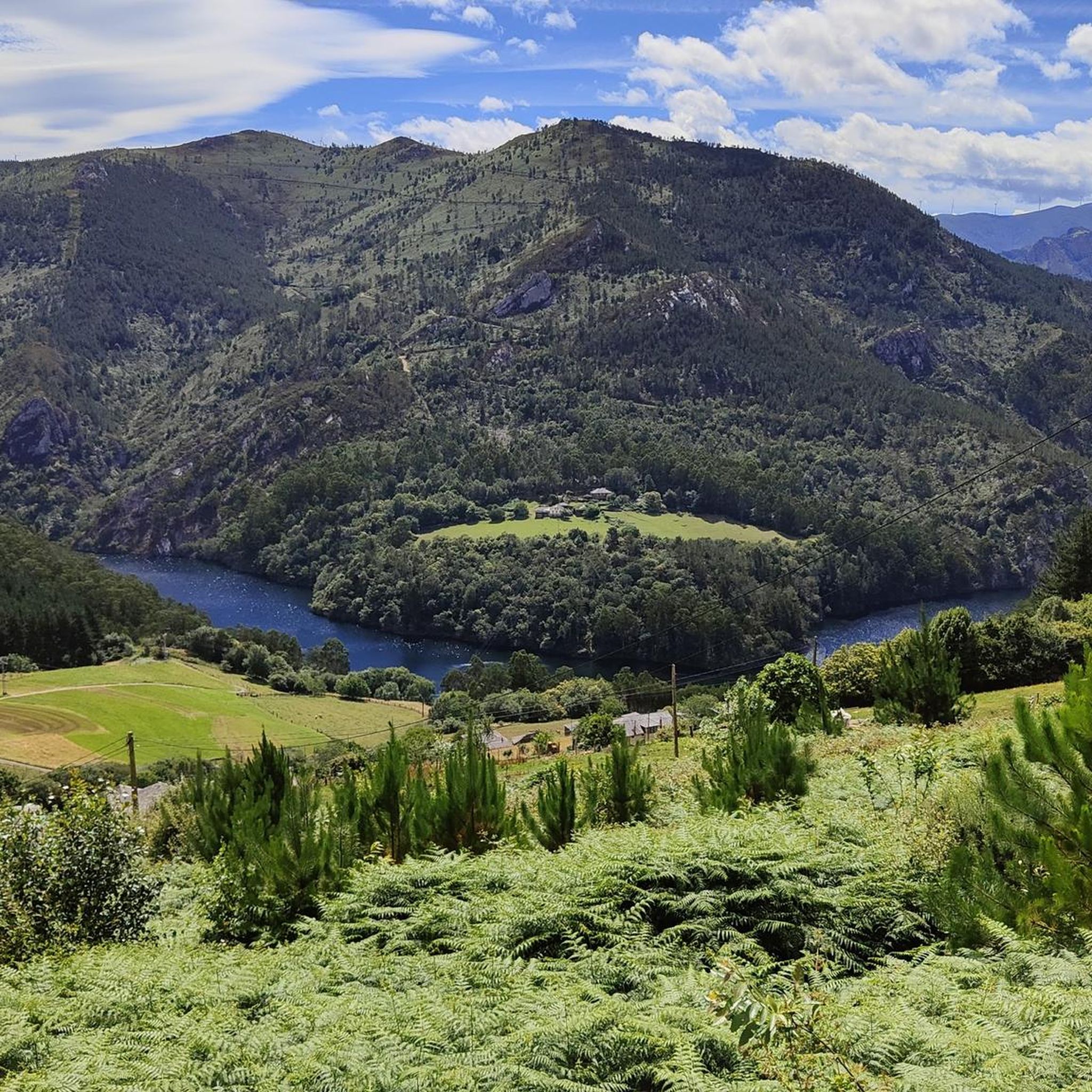
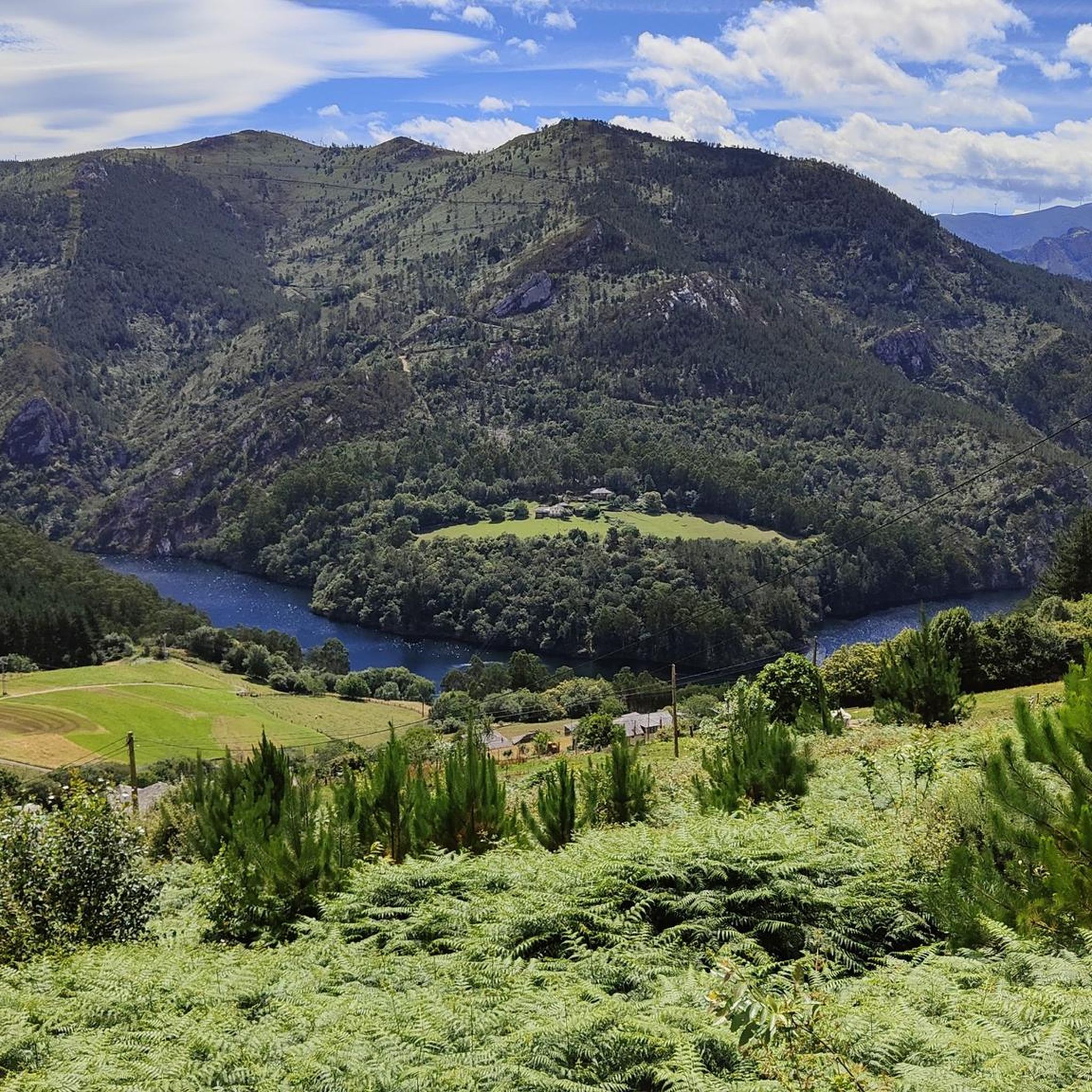
One of the great Asturian mountain passes, without a doubt. Generally unknown to the general public, it's rarely used in professional races. It has two clearly distinct slopes. The southern slope, which begins in Pola de Allande, is gentle and steady, along a road in good condition. It shares much of its climb with Puerto del Palo, which it turns off from just 3 km from the summit of Puerto de la Marta. The northern slope, which comes from Villayon, is uneven, with very tough sections and several rest stops and descents. It reminds me a lot of the Croix-de-Fer from Sant Jean de Maurienne, not because of the landscape, but because of the type of pass.
0
0
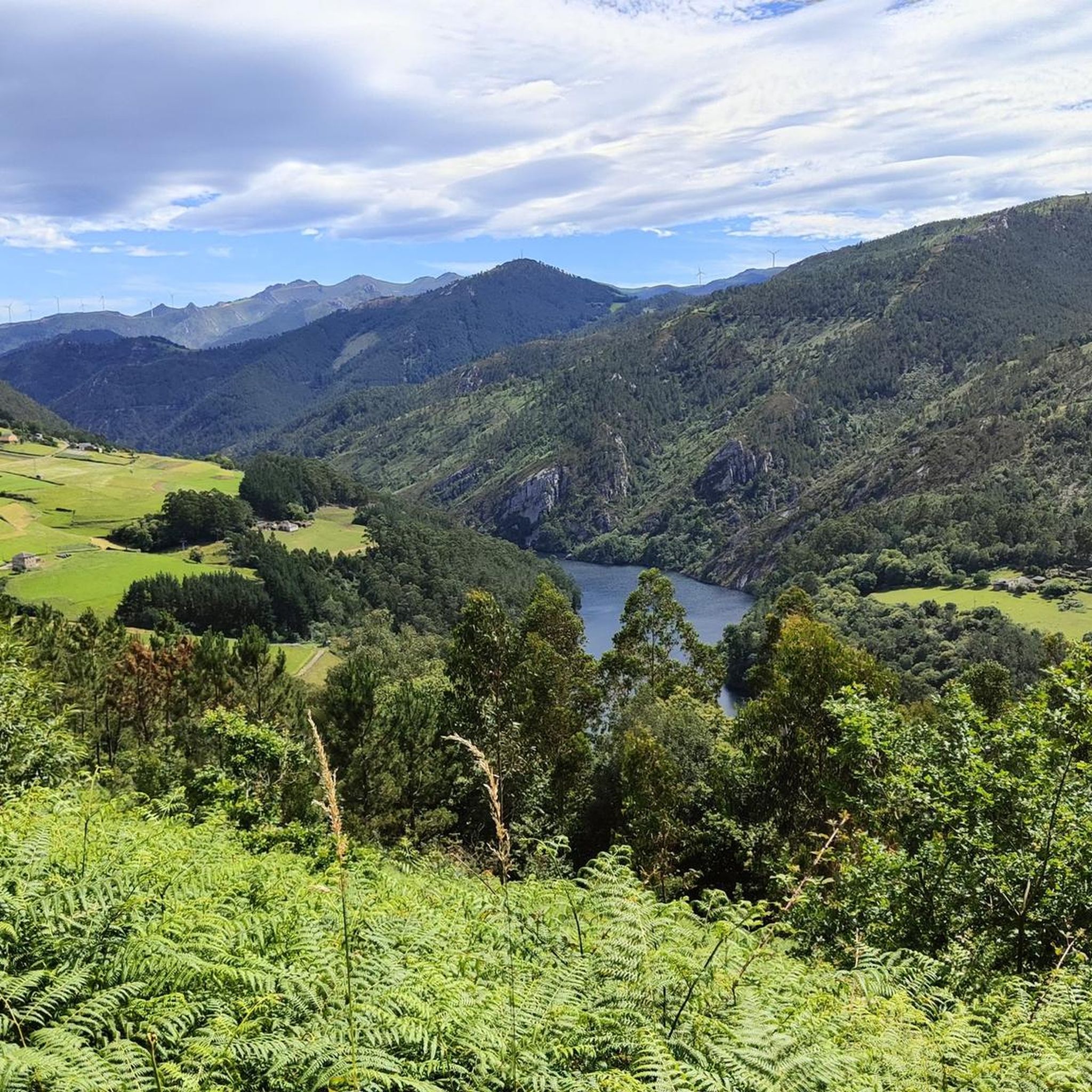
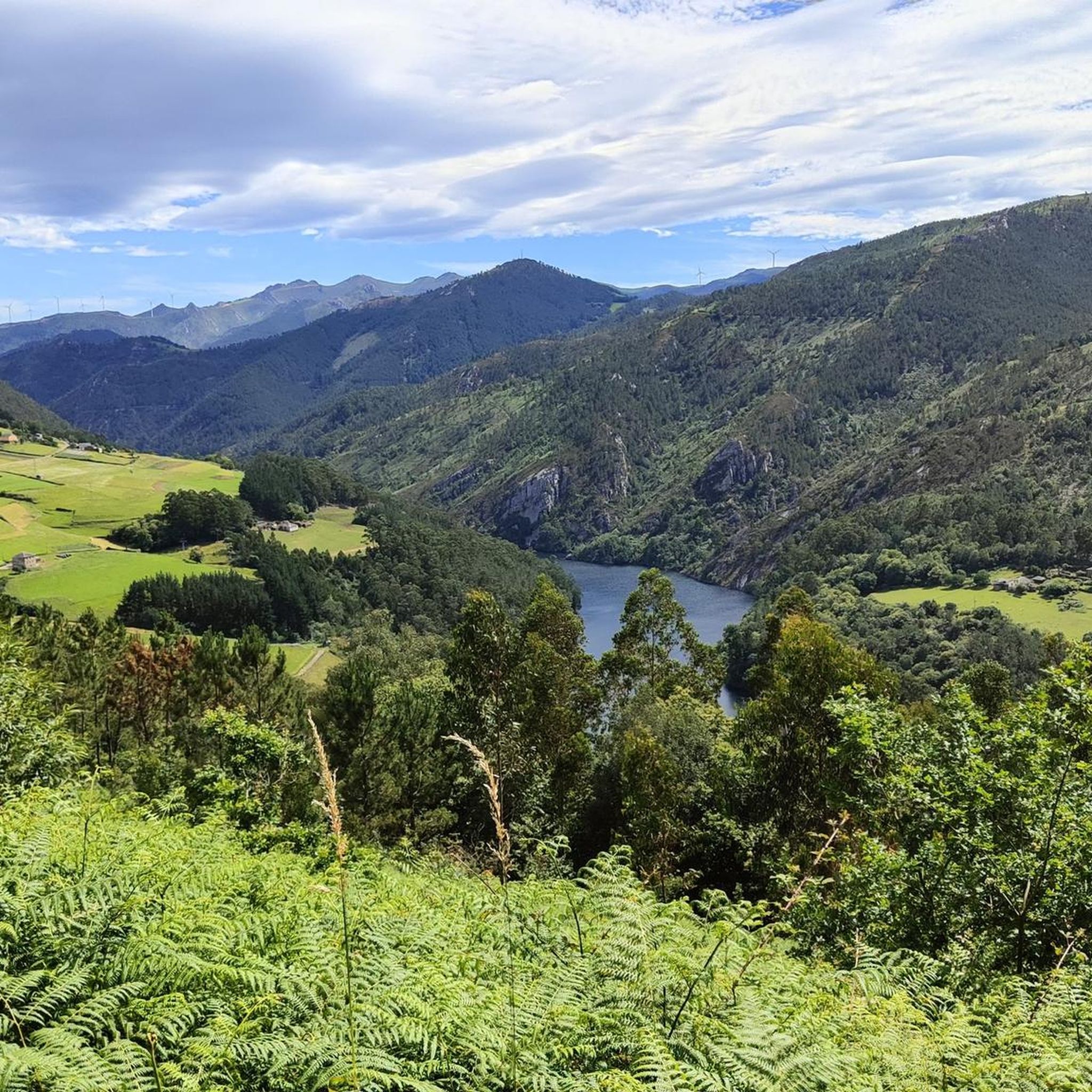
It's one of the major mountain passes in southwestern Asturias. It connects Pola de Allande with Berducedo. It's part of the northern variant of the Camino de Santiago. Highly recommended for its views, whether climbing its two slopes or from its summit.
0
0

There are the ruins of an ancient church built in the 15th century, in the Gothic style, with stone walls and pointed arches. These ruins have great historical and cultural value and are surrounded by meadows and mountains that give it a mysterious and peaceful air.
1
0

This one shelter was used to change clothes on our tour (with storms and wind).
0
1

Spectacular climb, quite comfortable because it doesn't have steep ramps, but be careful, it goes up a steep slope.
0
0
Highly recommended, it can be done together with the Palo departing from Pola, the Marta is shorter but with a steeper slope
0
0
a spectacular and pleasant climb without large ramps
0
0
Frequently Asked Questions
What natural attractions can I explore in Villayón?
Villayón is rich in natural beauty. You can visit the spectacular Oneta Waterfalls, a natural monument, or the impressive Mexica Waterfall. The Sierra de Carondio Protected Landscape offers stunning panoramas, and the area is crisscrossed by rivers like the Polea and Navia, providing opportunities for water sports. The Embalse de Arbón (Arbón Reservoir) is also a key spot for fishing and water activities.
Are there any significant historical or archaeological sites in Villayón?
Yes, Villayón boasts a rich history. You can explore the ancient Ruins of the Fonfaraón Hospital, a well-preserved site on the Camino Primitivo. The Dolmen of Barandón is an archaeological site from Neolithic and Celtic times. Additionally, the region has other archaeological remains, including 'castros' (hillforts), burial mounds, and necropolises, showcasing its ancient past.
What religious buildings are notable in the Villayón area?
The municipality features several significant religious buildings. These include the Church of Santiago de Arbón, dating back to the late 17th century with a 15th-16th century side chapel, and the Church of Parlero, which houses an 18th-century carved wooden altarpiece. Other notable churches are the Church of San Pedro in Villayón and the Church of Santa María de Oneta, a popular pilgrimage site. The Parish of San Salvador de Piñera also offers nice views of the area.
Where can I find good hiking trails around Villayón?
Villayón offers numerous walking routes for all levels. Popular options include the Route of the Waterfall of Oneta, the Route of the Waterfall of Mexica, and the Route of the Dolmen of Barandon. For those seeking mountain views, the Alto de La Marta and Puerto del Palo Pass offer stunning vistas and are part of the Camino de Santiago. You can find more detailed hiking routes in the Villayón hiking guide.
Are there opportunities for cycling in Villayón?
Yes, Villayón and its surroundings are great for cycling. You can find various routes for road cycling, touring, and mountain biking. For road cyclists, there are challenging routes like 'Cimadevila, Pozo de la Nieve y Alto de Penouta' or 'Navia – Alto de Penouta loop'. Touring cyclists can enjoy coastal circular routes such as 'Navia to Puerto de Vega'. Mountain bikers have options like 'Navia a El Segredal – circular por la costa'. Explore more options in the Road Cycling, Touring Cycling, and MTB Trails guides around Villayón.
What water sports or activities are available in Villayón?
The rivers Polea and Navia, along with the Embalse de Arbón, provide excellent opportunities for water activities. Visitors can enjoy canoeing, paddling, sailing, and fishing in these waterways. It's a great way to experience the natural environment from a different perspective.
How can I learn more about the local culture and traditions of Villayón?
To immerse yourself in the local culture, visit the Interpretation Center of the Protected Mountain Landscapes in Villayón or Valdedo. This center offers insights into the region's fauna, vegetation, water mills, and cultural elements like the Oneta Waterfalls and the Dolmen of Barandón. You can also explore the numerous emblazoned houses and traditional rural buildings, such as 'horreos' and 'paneras', which showcase the area's rich ethnographic heritage and rural lifestyle.
What is the Historical Park of the Navia River and how does it relate to Villayón?
Villayón is an integral part of the 'Historical Park of the Navia River'. This larger park encompasses several councils with a shared history rooted in ancient Asturian inhabitants. The entire area functions as a living museum, preserving remnants of Celtic, Roman, and Christian cultures, offering a deep dive into the region's past and traditions. You can find more information about the park at parquehistorico.org.
Are there any viewpoints offering panoramic scenery in Villayón?
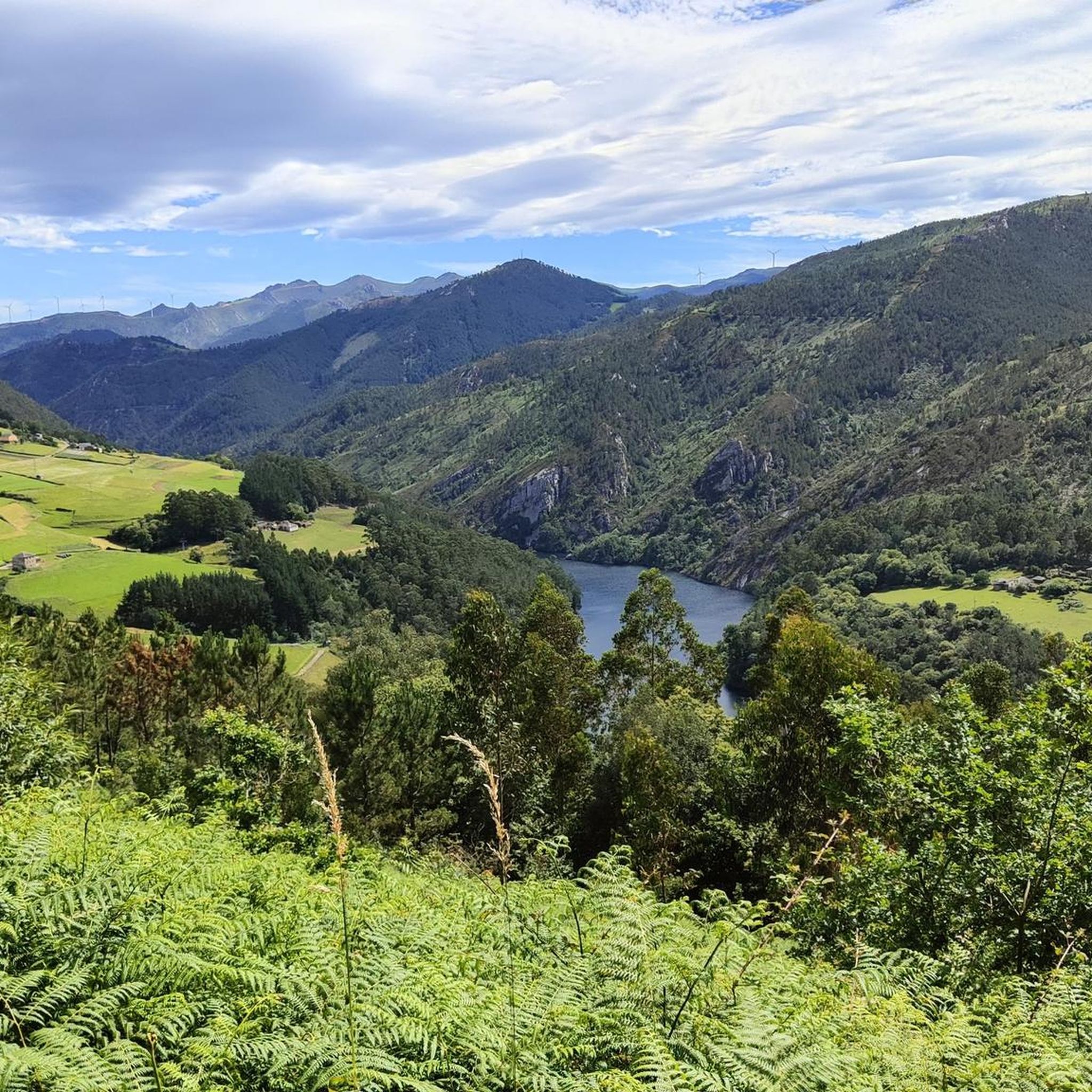
Absolutely. The Alto de La Marta, a mountain pass at 1105 meters, provides exceptional views stretching from the Cantabrian Mountains to the Cantabrian Sea. Similarly, the Puerto del Palo Pass, at 1146 meters, also offers magnificent vistas and is a popular spot along the Camino Primitivo.
What kind of local cuisine can I expect in Villayón?
The local cuisine in Villayón is primarily traditional Asturian, with some Galician influences. You can savor hearty casseroles, Asturian beef, fresh river fish, local cheeses, and a variety of traditional desserts. It's an opportunity to experience authentic regional flavors.
What is the best time to visit Villayón for outdoor activities?
Given its mountainous terrain and numerous waterways, the best time to visit Villayón for outdoor activities like hiking, cycling, and water sports is typically during the spring, summer, and early autumn months. These seasons offer more favorable weather conditions for exploring the natural landscapes and engaging in recreational pursuits.
What do visitors enjoy most about Villayón?
Visitors particularly appreciate the blend of natural beauty and rich history. The stunning waterfalls, the panoramic views from mountain passes like Alto de La Marta, and the historical significance of sites like the Ruins of the Fonfaraón Hospital are frequently highlighted. The opportunity to experience the authentic rural Asturian lifestyle and explore ancient archaeological sites also leaves a lasting impression.
Most popular attractions around Villayón

Get inspired with the komoot mobile app


Explore more
Still not found the Highlight you’re looking for? See guides of the top attractions in other regions:
