Attractions and Places To See around Frandovínez - Top 20
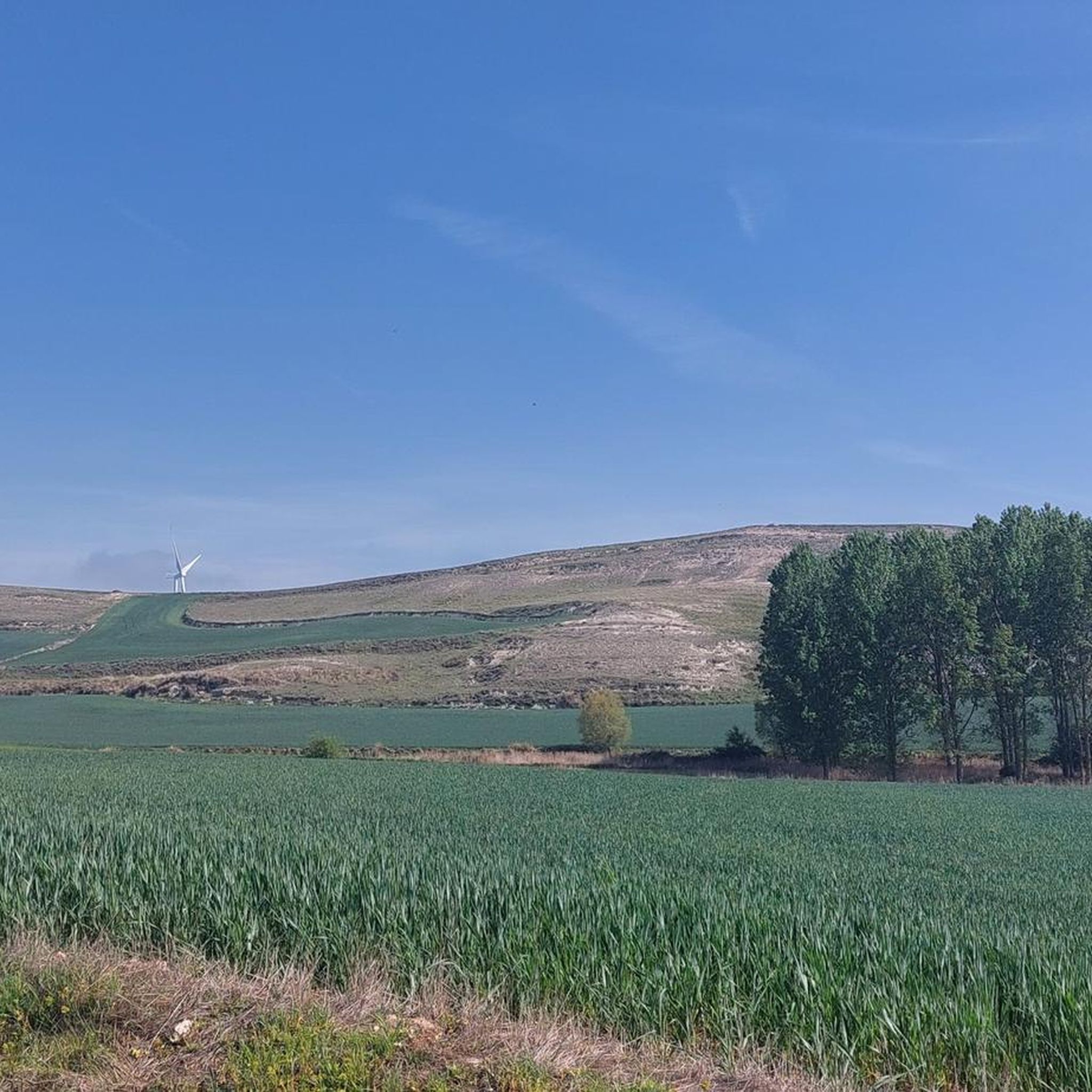
Best attractions and places to see around Frandovínez include a mix of historical sites, cultural landmarks, and natural features. This municipality in the province of Burgos, Spain, is situated at the confluence of the Arlanzón and Úrbel rivers, offering a glimpse into traditional Castilian rural life. The area is characterized by an agricultural landscape, primarily cereal crops, and a peaceful environment. It serves as a destination for exploring rural Spain and its heritage.
Best attractions and places to see around…
Last updated: July 7, 2026
Statue of the Seated Pilgrim
Highlight • Monument
Translated by Google •
Tip by

Hornillos del Camino
Highlight • Settlement
Translated by Google •
Tip by

Sign up now to discover places like this
Get recommendations on the best single tracks, peaks, & plenty of other exciting outdoor places.
Sign up for free
Hermitage of Our Lady of the Monastery
Highlight • Religious Site
Translated by Google •
Tip by

Fountain in Rabé de la Calzada
Highlight • Monument
Translated by Google •
Tip by

Hermitage of San Amaro
Highlight • Religious Site
Amaro was a French penitent who made a pilgrimage to Santiago de Compostela in the 13th …
Translated by Google •
Tip by
Sign up for free to discover even more attractions around Frandovínez.
Sign up for free
Already have an account?
Start today with a free account
Your next adventure awaits.
Login or Signup
Tips from the Community

The chapel is very beautiful, the sisters unfortunately partly intrusive. You are touched without asking. A Catholic nun should actually know that only a priest has the authority to bless by laying on hands (except one's own parents) and even if she doesn't know that, there's still the normal human decency of asking strangers if they want to be touched.
0
0

An unusual but beautiful depiction of a pilgrim.
2
0

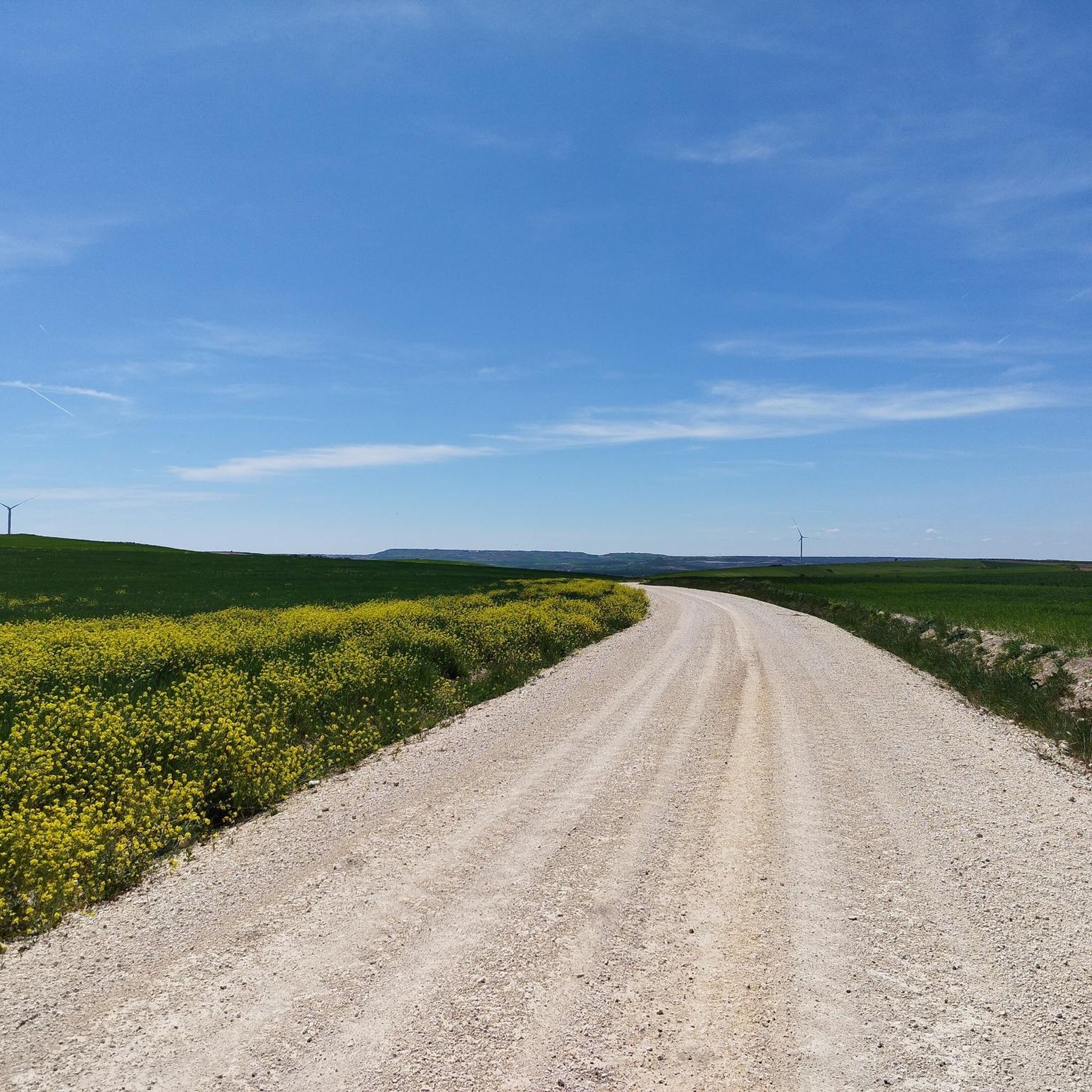
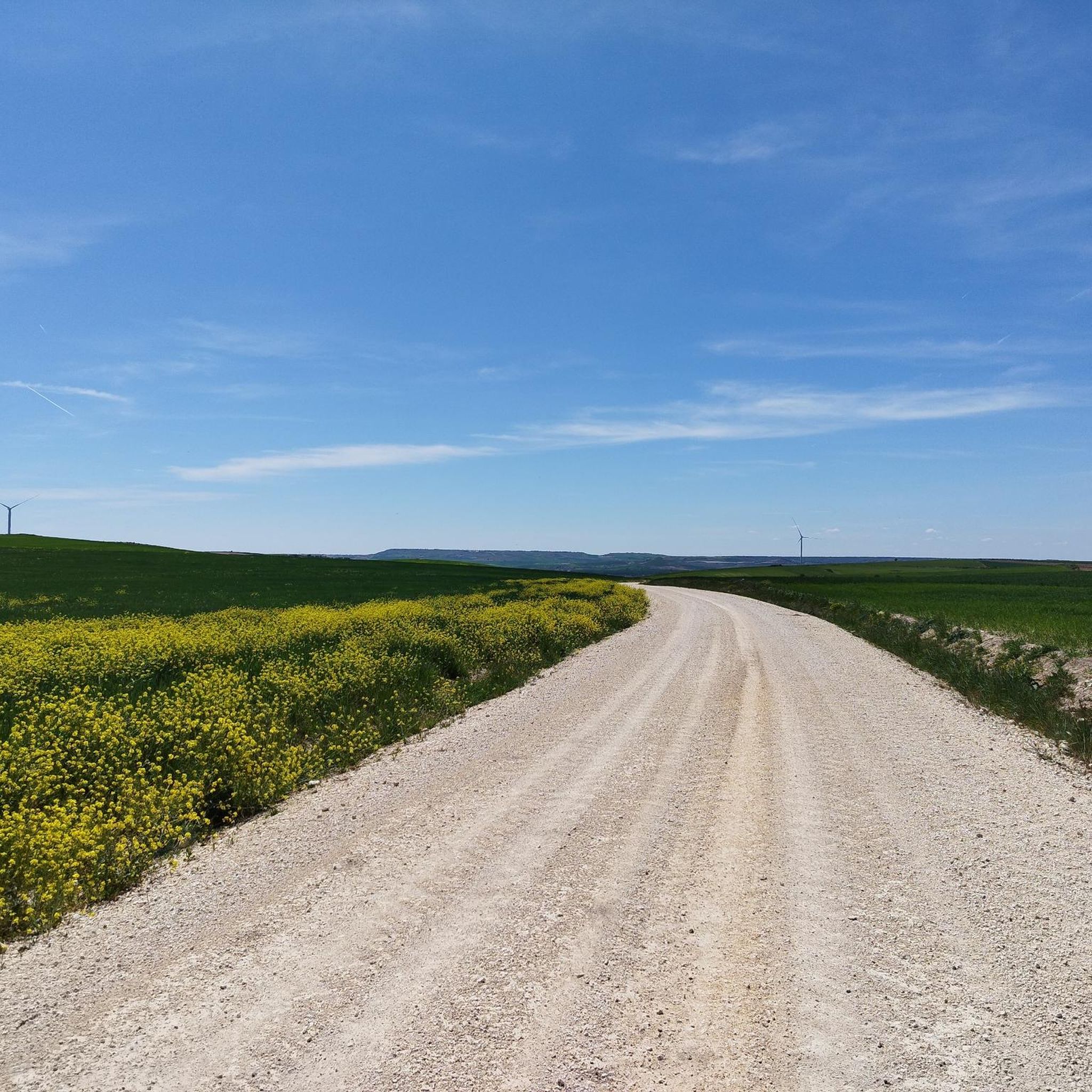
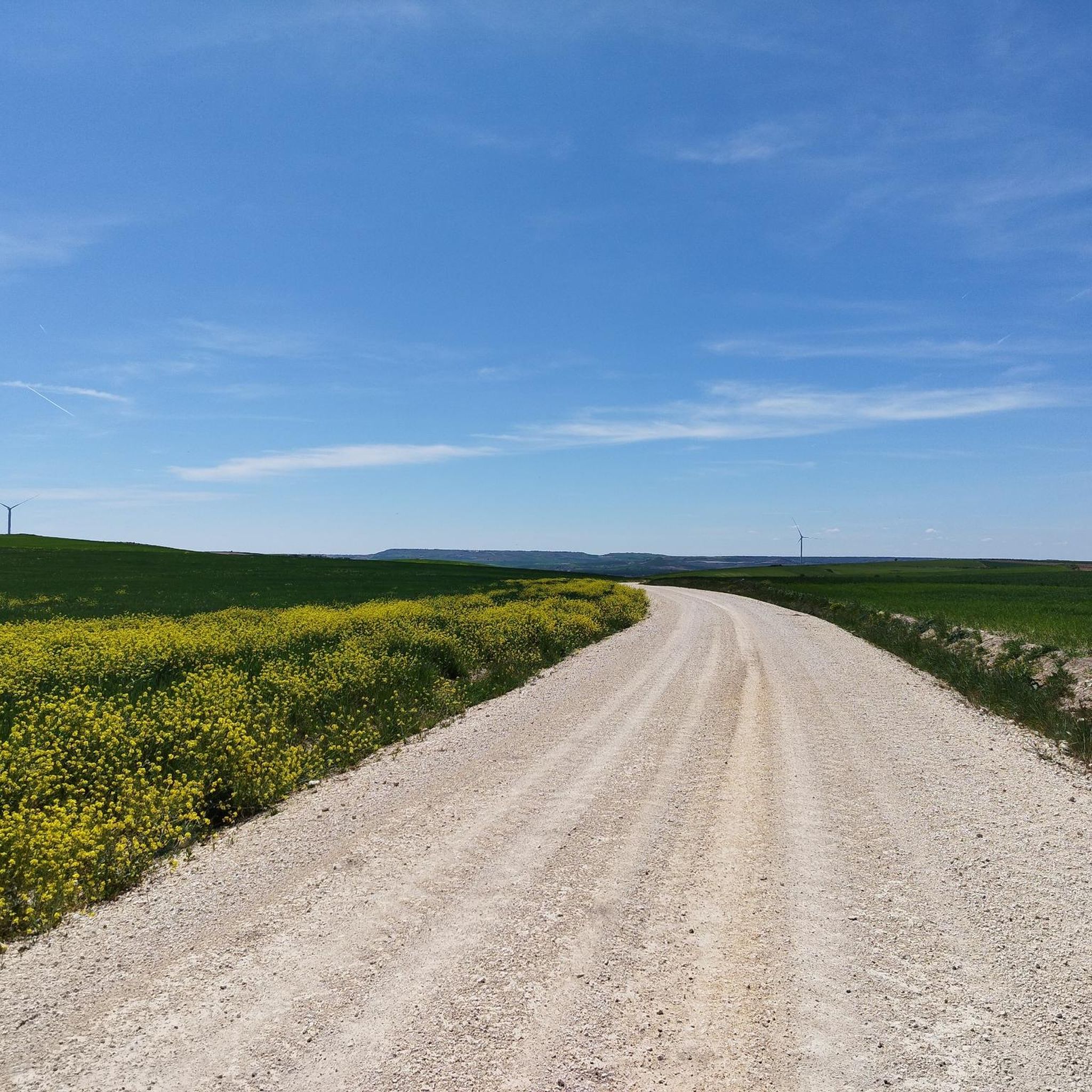
Hornillos del Camino, in the province of Burgos, is an emblematic town on the French Way of St. James, with an urban structure that reflects its Jacobean vocation: a single street, Calle Real, runs through the town from east to west.
1
0
The Statue of the Seated Pilgrim in Burgos is a bronze sculpture depicting a pilgrim resting, seated on a bench with his walking stick. It is located in the Plaza del Rey San Fernando, just behind Burgos Cathedral, making it a popular photographic spot for visitors on the Camino de Santiago.
3
1
The Hermitage of San Amaro is located in the western part of Burgos, next to the Hospital del Rey, and forms part of the route of the Camino de Santiago. It is a place of great historical and spiritual significance, especially linked to the care of pilgrims. It was built in 1614 by Friar Pedro de Lazcano. It is dedicated to Saint Amaro, a 13th-century French penitent who, after making the pilgrimage to Santiago de Compostela, settled in Burgos to care for the sick and pilgrims.
2
0

The Ermita de San Amaro is a historic chapel in Burgos, located near the Hospital del Rey. The chapel is dedicated to San Amaro, a peregrinus who was known for his care of pilgrims and the sick. He was honored as a saint and his remains are still kept in the chapel. The chapel is built in the Baroque style and houses a neo-Gothic altarpiece from 1907. It is an important place for pilgrims following the Camino de Santiago, and offers a peaceful setting for meditation and worship.
1
0

A small chapel, like the ones you often find along the way. If it's open, you get a stamp and can rest and recharge your batteries.
2
0

A small rural village with several albergues, and a small bar. The village had a one night live music festival when I was there.
2
0
Frequently Asked Questions
What historical and cultural sites can I explore in Frandovínez?
Frandovínez offers a rich history with several notable landmarks. You can visit the Iglesia de San Miguel Arcángel, reconstructed in 1824 with parts dating back to the 16th century, featuring a beautiful Renaissance portal. The recently renovated La Casona serves as a socio-cultural center, and the Ermita de la Virgen de Viyuela is a site of local pilgrimage. Don't miss the Plaza del Pueblo, dedicated to a native bishop, and the Prensa de Uva, connecting to the region's agricultural past.
Are there any natural attractions or scenic spots near Frandovínez?
Yes, Frandovínez is situated at the confluence of the Arlanzón and Úrbel rivers, offering a peaceful natural environment. You can enjoy walks along the Río Úrbel, known for its diverse vegetation and wildlife. Additionally, the Ruinas del Molino de Frandovínez, located about two kilometers from the village, evoke the area's former agrarian life in the valley.
What are some popular attractions just outside Frandovínez?
Beyond Frandovínez itself, visitors often enjoy nearby sites such as the Fountain in Rabé de la Calzada, a historical man-made monument in a small town with medieval architecture. Another popular spot is Hornillos del Camino, a settlement known for its traditional Castilian atmosphere and its role on the Camino de Santiago.
What kind of outdoor activities can I do around Frandovínez?
The area around Frandovínez is ideal for outdoor enthusiasts. You can explore various cycling and hiking routes. For cycling, consider routes like 'Villaverde del Monte from Estépar' or 'Burgos – Arch of Santa María loop from Villalbilla de Burgos'. Hiking options include 'From Rabé de la Calzada along the Camino de Santiago' or 'The two towers: Torre de Mazuelo and de Arenillas de Muñó'. You can find more details on these activities in the Cycling around Frandovínez and Hiking around Frandovínez guides.
Are there any family-friendly attractions or activities in the area?
While Frandovínez itself offers a peaceful rural setting suitable for family walks and exploring village life, nearby attractions like Hornillos del Camino and the Hermitage of Our Lady of the Monastery are noted as family-friendly. The general tranquility and agricultural landscape provide a good environment for families to enjoy rural Spain.
What is the best time of year to visit Frandovínez for outdoor activities?
Given the region's agricultural landscape and focus on outdoor activities like hiking and cycling, the spring and autumn months typically offer the most pleasant weather for exploring Frandovínez and its surroundings. Temperatures are milder, and the natural scenery is vibrant.
Is Frandovínez accessible by public transport from Burgos?
Frandovínez is situated about 15-16 km southwest of Burgos, making it an ideal destination for short excursions from the capital. While specific bus schedules are not provided, its proximity to Burgos suggests it is generally accessible, likely with local bus services connecting the villages.
Where can I find parking when visiting attractions in Frandovínez?
As a traditional Castilian rural village, Frandovínez typically offers public parking options within the village, especially near central areas like the Plaza del Pueblo or the Iglesia de San Miguel Arcángel. Parking is generally less restrictive than in larger cities, but it's always advisable to look for designated spots.
What is the significance of the Statue of the Seated Pilgrim?
The Statue of the Seated Pilgrim is a bronze sculpture located in the Plaza del Rey San Fernando, behind Burgos Cathedral. It depicts a pilgrim resting on a bench with a walking stick, offering a unique portrayal of a pilgrim at rest, rather than in motion. It's a popular photographic spot for those on the Camino de Santiago.
Are there any wheelchair-accessible attractions around Frandovínez?
Yes, some attractions in the broader area are noted as wheelchair accessible. For instance, the Statue of the Seated Pilgrim and the Fountain in Rabé de la Calzada are categorized as wheelchair-friendly, allowing for broader enjoyment of the region's cultural and historical points of interest.
What is the Camino de Santiago connection to the area?
The region around Frandovínez is closely linked to the Camino de Santiago. Several nearby settlements, such as Hornillos del Camino and Rabé de las Calzadas, are prominent stops on the pilgrimage route. The Cruz de Hierro of Hornillos del Camino is a significant monument where pilgrims traditionally leave a stone to symbolize letting go of burdens.
What kind of accommodation and dining options are available near Frandovínez?
Frandovínez maintains a strong rural character, so while specific establishments are not listed, you can expect to find traditional rural accommodations like guesthouses or casas rurales in the village itself or in nearby towns. Dining options would likely include local restaurants serving traditional Castilian cuisine, particularly in the larger nearby villages or towns.
Most popular routes around Frandovínez

Get inspired with the komoot mobile app


Explore more
Still not found the Highlight you’re looking for? See guides of the top attractions in other regions:
