Top 20 Mountain Passes around Vacarisses
Mountain passes around Vacarisses are situated within the Sant Llorenç del Munt i l'Obac Natural Park, an area characterized by its mountainous terrain and diverse natural features. The region offers access to elevated points such as La Mola and Montcau, which provide extensive views. These locations are significant for hikers and nature enthusiasts exploring the park's varied landscapes. The area includes several passes that serve as access points to trails and offer distinct geological formations.
Best mountain passes around Vacarisses
…Last updated: June 26, 2026
Estenalles Pass
Highlight • Mountain Pass
Showing Translation
Tip by

Coll de Can Maçana
Highlight • Mountain Pass
Translated by Google •
Tip by

Sign up now to discover places like this
Get recommendations on the best single tracks, peaks, & plenty of other exciting outdoor places.
Sign up for free
Coll de l'Obac
Highlight (Segment) • Mountain Pass
Translated by Google •
Tip by

Portell de Migdia (1,029 m)
Highlight • Mountain Pass
Translated by Google •
Tip by

La Portella Pass
Highlight • Mountain Pass
Translated by Google •
Tip by
Sign up for free to discover even more mountain passes around Vacarisses.
Sign up for free
Already have an account?
Start today with a free account
Your next adventure awaits.
Login or Signup
Other adventures around Vacarisses

Tips from the Community

A very pleasant climb. Few cars, a cool, shady area. There are some rest areas that make the 8km climb manageable.
0
0
Climbing it from the Talamanca side is more manageable than from the Matadepera area. Even so, whichever way you climb it, Coll is highly recommended to incorporate into your bike routes.
0
0

From Navarcles, you go uphill with some rest between each uphill section.
0
0

You'll have good luck if you see the Magical mountain, and the descent after is fantastic :-)
0
0

a point high enough to enjoy beautiful views 🤩
1
0

beautiful port to climb with spectacular views, second highest point in the province of Barcelona, behind Collformic.
1
0

One of the two climbs that leave Terrassa and cross the Parc Natural de Sant Llorenç de Munt i l'Obac, thus connecting the Vallés Occidental region with the Bages region. Like the climb to Coll d'Estanalles, Coll de l'Obac is a very gentle climb, on a narrow, rough road, without a hard shoulder, very busy with cars on Sundays and public holidays, so you have to be careful, especially on the descent. The final stretch of the climb, the last 2 km, is by far the hardest, especially a very long straight that exceeds 7%. It is very pleasant to ride there first thing in the morning, with shade and the freshness of the forest. The views of Montserrat, the Bages plain and the Pyrenees line are well worth it... and a good photo.
0
0

Frequently Asked Questions
What natural features and viewpoints can I expect to see around Vacarisses' mountain passes?
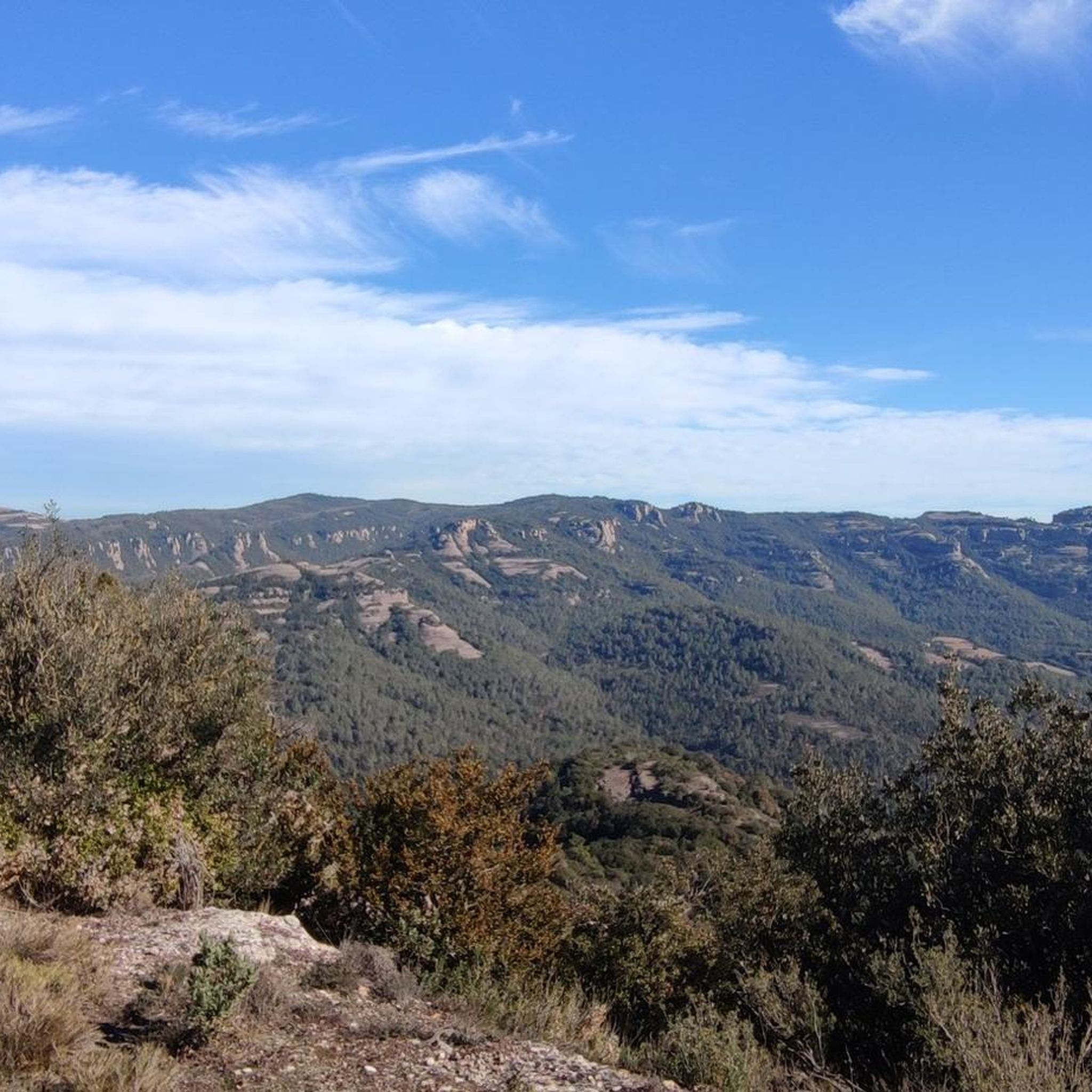
The region offers diverse natural features and stunning viewpoints. From La Mola, you can enjoy panoramic views stretching from the Pyrenees to the Garraf mountain range, and even to Mallorca on clear days. Montcau provides excellent 360-degree views over the Manresa plain and the Montserrat and Montseny massifs. Additionally, passes like Coll de Can Maçana and Portell de Migdia also offer significant vistas and unique rock formations.
Are there any historical or cultural sites associated with the mountain passes in this region?
Yes, the area is rich in history. At the summit of La Mola, you'll find a well-preserved Romanesque monastery, first documented in 947 AD, which also houses a restaurant. The area around Coll de Can Maçana has historical significance, including the ancient Romanesque church of Sant Pau Vell and the historical space of the Battle of Bruc.
What makes the mountain passes around Vacarisses unique?
The mountain passes in this region are unique due to their location within the Sant Llorenç del Munt i l'Obac Natural Park, offering a blend of natural beauty, geological formations, and historical significance. They serve as crucial access points to various hiking routes and provide distinct landscapes, from rocky terrain to lush forests. Passes like La Portella Pass are narrow passages formed by erosion, guarded by impressive rock formations.
Where can I find extensive panoramic views in the Vacarisses area?
For extensive panoramic views, head to the peaks of La Mola (1,104 meters) or Montcau (1,057 meters). La Mola offers views stretching to the Pyrenees and even Mallorca on clear days, while Montcau provides 360-degree vistas over the Manresa plain and the Montserrat and Montseny massifs.
What is Coll d'Estenalles, and why is it important for visitors?
Coll d'Estenalles (870.4 meters) is a crucial geographical point within the Sant Llorenç del Munt i l'Obac Natural Park. It hosts an information center, providing valuable resources and maps for exploring the park. It's also a common starting point for numerous hiking routes to both La Mola and Montcau, offering convenient parking facilities.
Can you tell me more about Coll de Can Maçana?
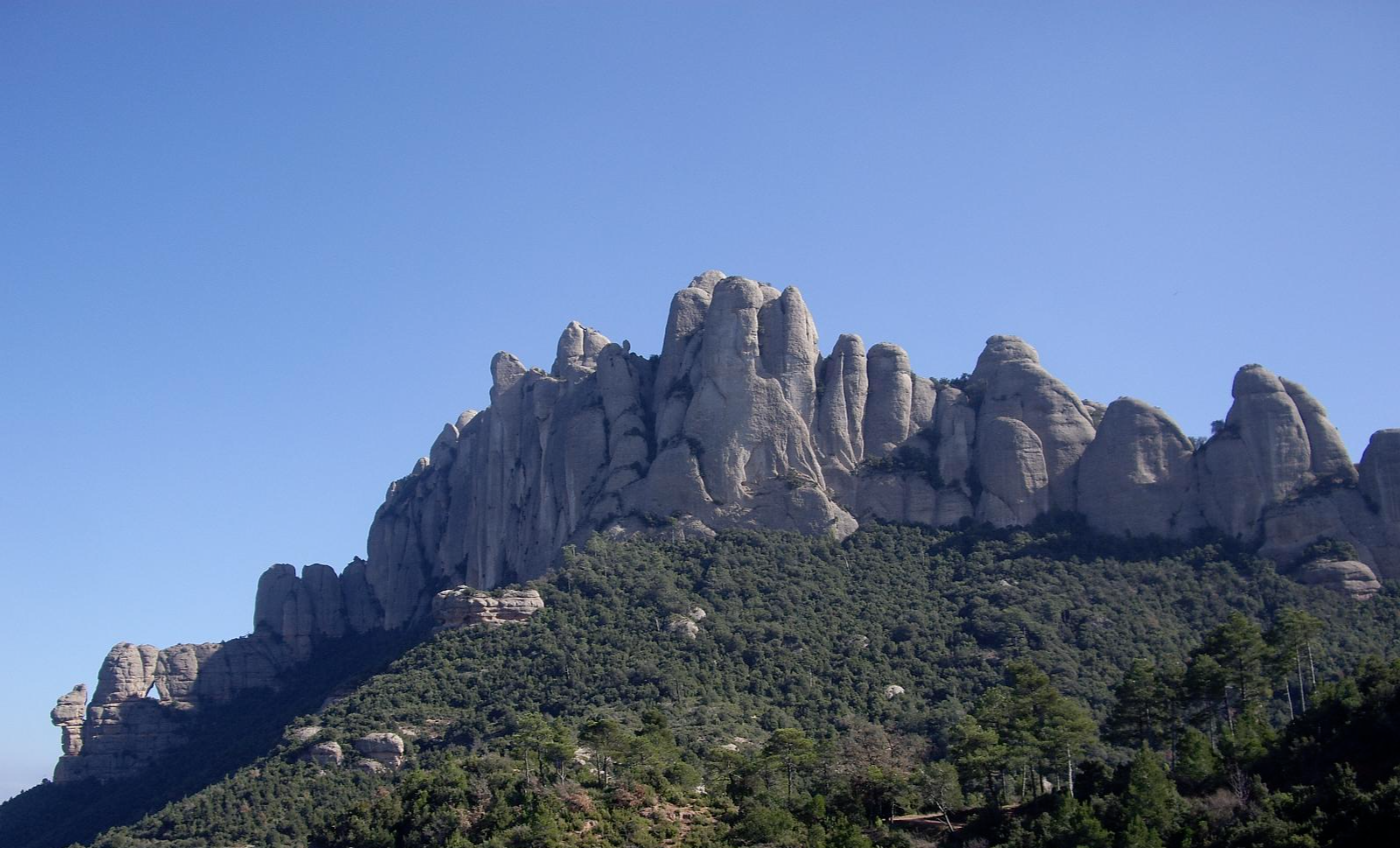
Coll de Can Maçana is a mountain pass and viewpoint located in the westernmost part of the Montserrat massif. It serves as a natural passage between the Bages and Anoia regions. This area is known for its famous stone needles, often called 'the labyrinth of needles.' It's a starting point for numerous signposted routes, including those to Sant Pau Vell and the historical space of the Battle of Bruc.
What is the best time of year to visit the mountain passes around Vacarisses?
The spring and autumn months are generally recommended for visiting the mountain passes around Vacarisses. During these seasons, the weather is typically mild and pleasant for hiking and cycling. Summers can be very hot, and winters can be quite cold, especially at higher elevations.
Are there family-friendly options for exploring the mountain passes?
Yes, there are family-friendly options. Montcau is generally considered a more accessible and less crowded climb compared to La Mola, making it an excellent choice for family hikes. Coll de Estenalles also serves as a family-friendly access point with an information center.
What outdoor activities can I do near these mountain passes?
The area around Vacarisses offers a variety of outdoor activities. You can find numerous hiking trails, including those leading to La Mola and Montcau. Cycling is also popular, with routes like those found in the Cycling around Vacarisses guide. For more challenging treks, explore the Mountain Hikes around Vacarisses guide, or consider running trails from the Running Trails around Vacarisses guide.
Are there specific hiking trails that lead to or through these mountain passes?
Absolutely. Many hiking trails traverse the mountain passes. For instance, Coll d'Estenalles is a primary access point for trails to La Mola and Montcau. Coll de Can Maçana is the starting point for routes into the 'labyrinth of needles' in Montserrat. You can find detailed routes in the Mountain Hikes around Vacarisses guide.
What are the parking options for accessing the mountain passes?
Parking is available at key access points. Coll d'Estenalles offers convenient parking facilities, making it a popular starting point for many trails. Coll de Can Maçana also has a car park, serving as a gateway to the Montserrat massif.
Are dogs allowed on the trails around the mountain passes?
The Sant Llorenç del Munt i l'Obac Natural Park generally allows dogs, but it's always advisable to check specific regulations for certain trails or protected areas within the park. Typically, dogs should be kept on a leash to protect wildlife and ensure the safety of other visitors.
Are there any unique geological formations to observe?
Yes, the region is known for its distinctive geology. Montcau, for example, is composed of conglomerate and lutite sedimentary rocks, showcasing the unique geological formations of the area. The Montserrat massif, accessible via passes like Coll de Can Maçana, is famous for its dramatic stone needles and vertical monoliths, creating a unique 'labyrinth' landscape.
Most popular routes around Vacarisses
Most popular attractions around Vacarisses

Get inspired with the komoot mobile app


Explore more
See even more epic mountain passes by checking out these guides around Vacarisses:
