Attractions and Places To See around Caspe - Top 20
Best attractions and places to see around Caspe include a rich blend of historical, cultural, and natural sites. Situated in the province of Zaragoza, Aragon, Spain, Caspe is known for its prominent natural feature, the Mar de Aragón (Mequinenza Reservoir). Visitors can explore ancient landmarks, significant religious sites, and enjoy activities around the reservoir. The municipality also boasts important archaeological heritage and various hermitages.
Best attractions and places to see around Caspe
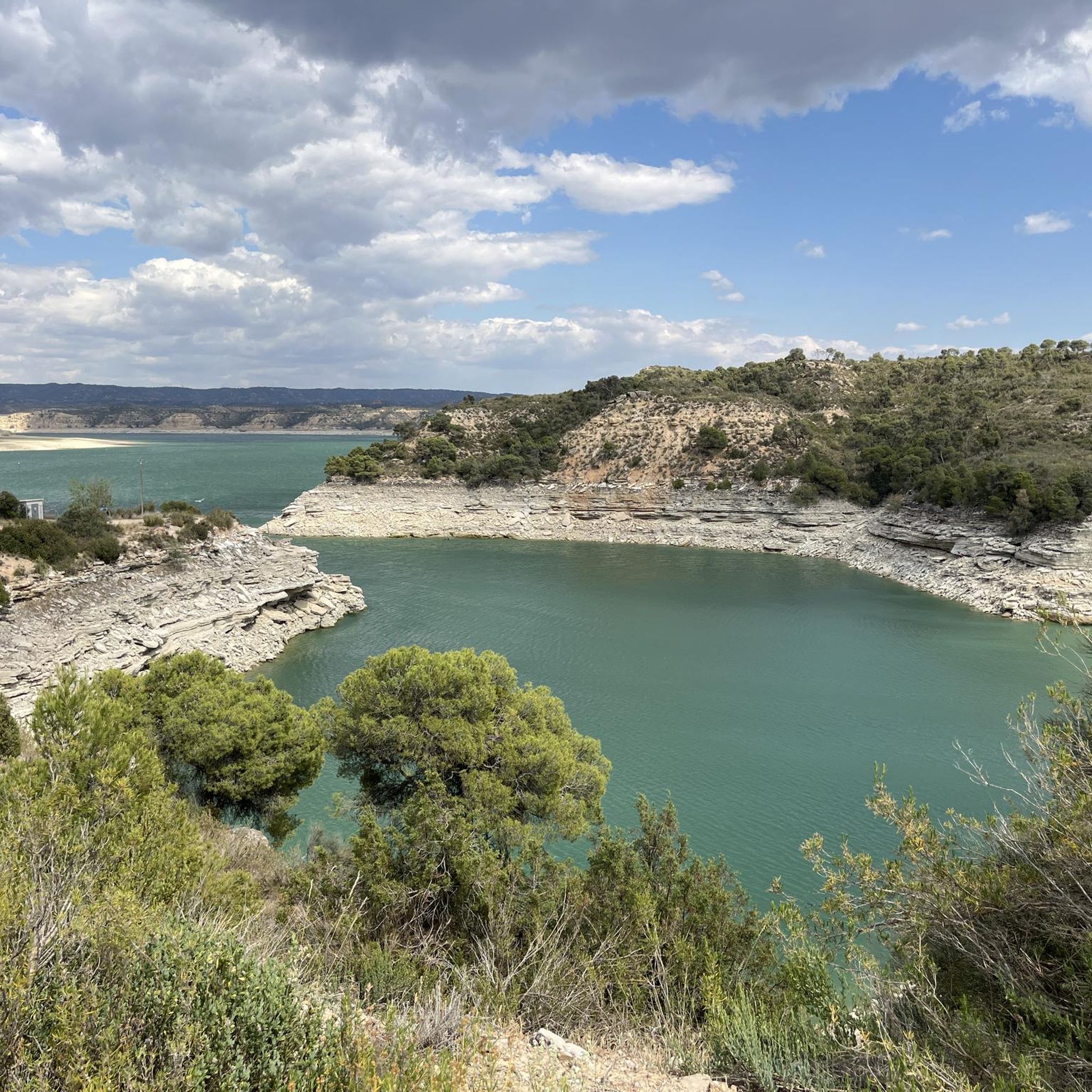
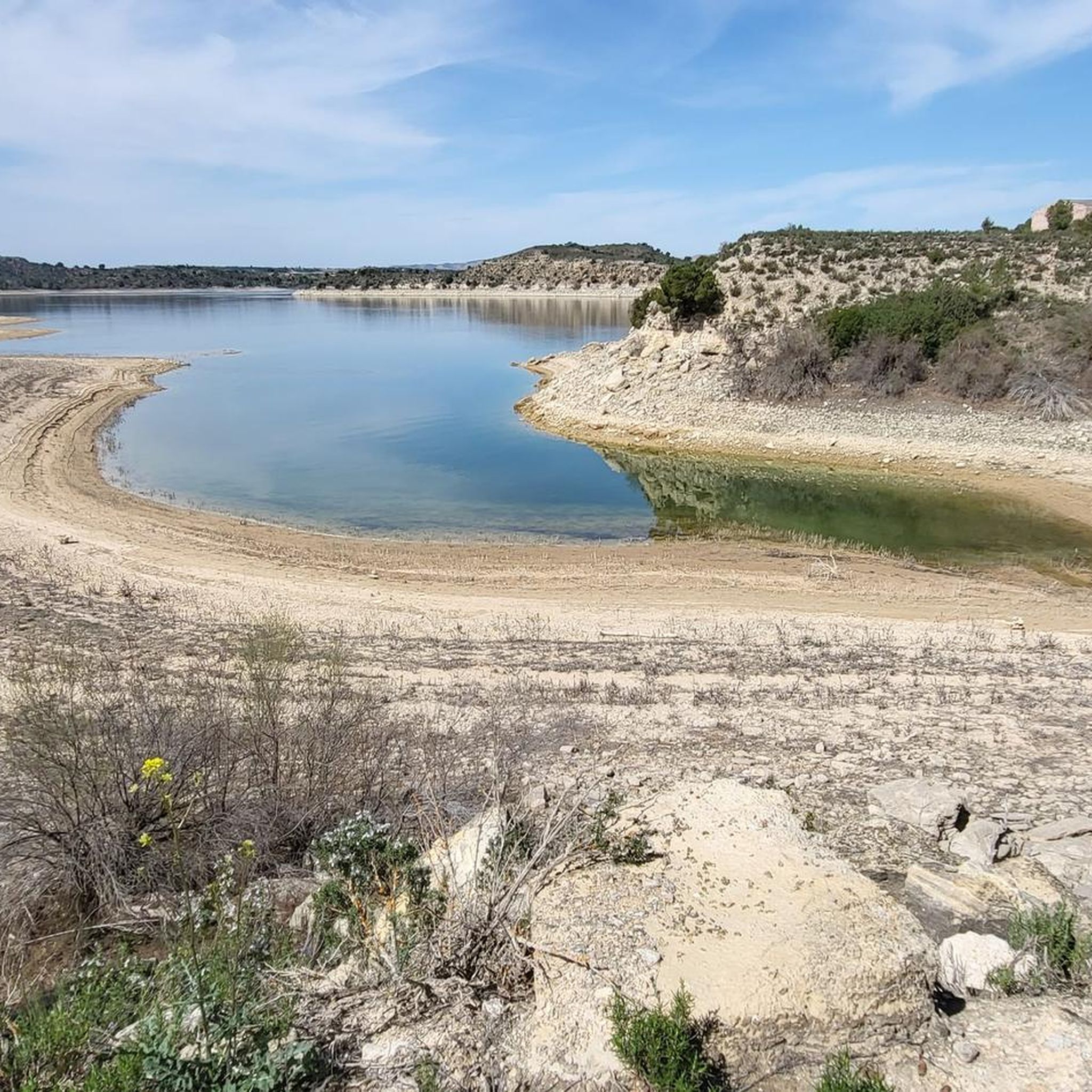
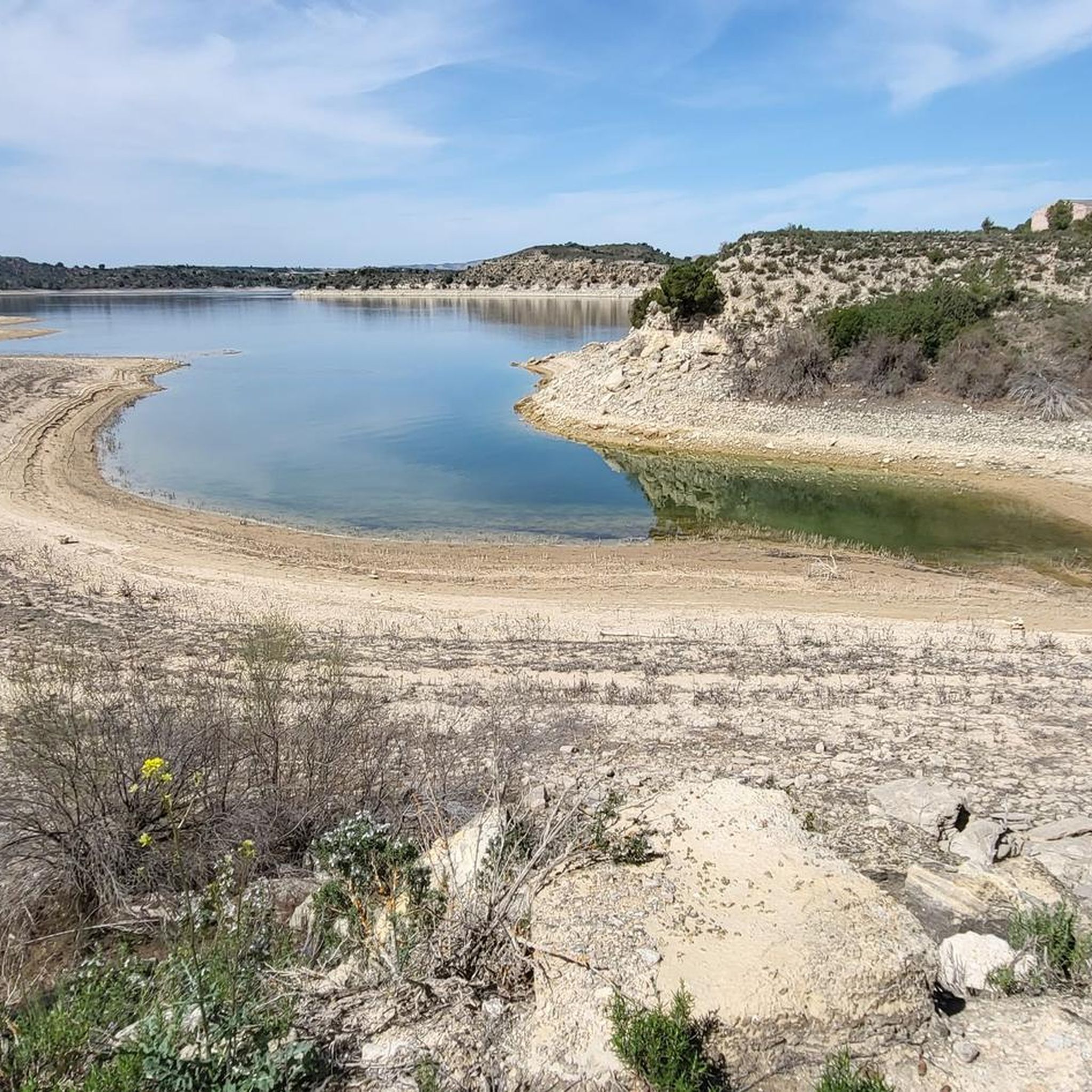
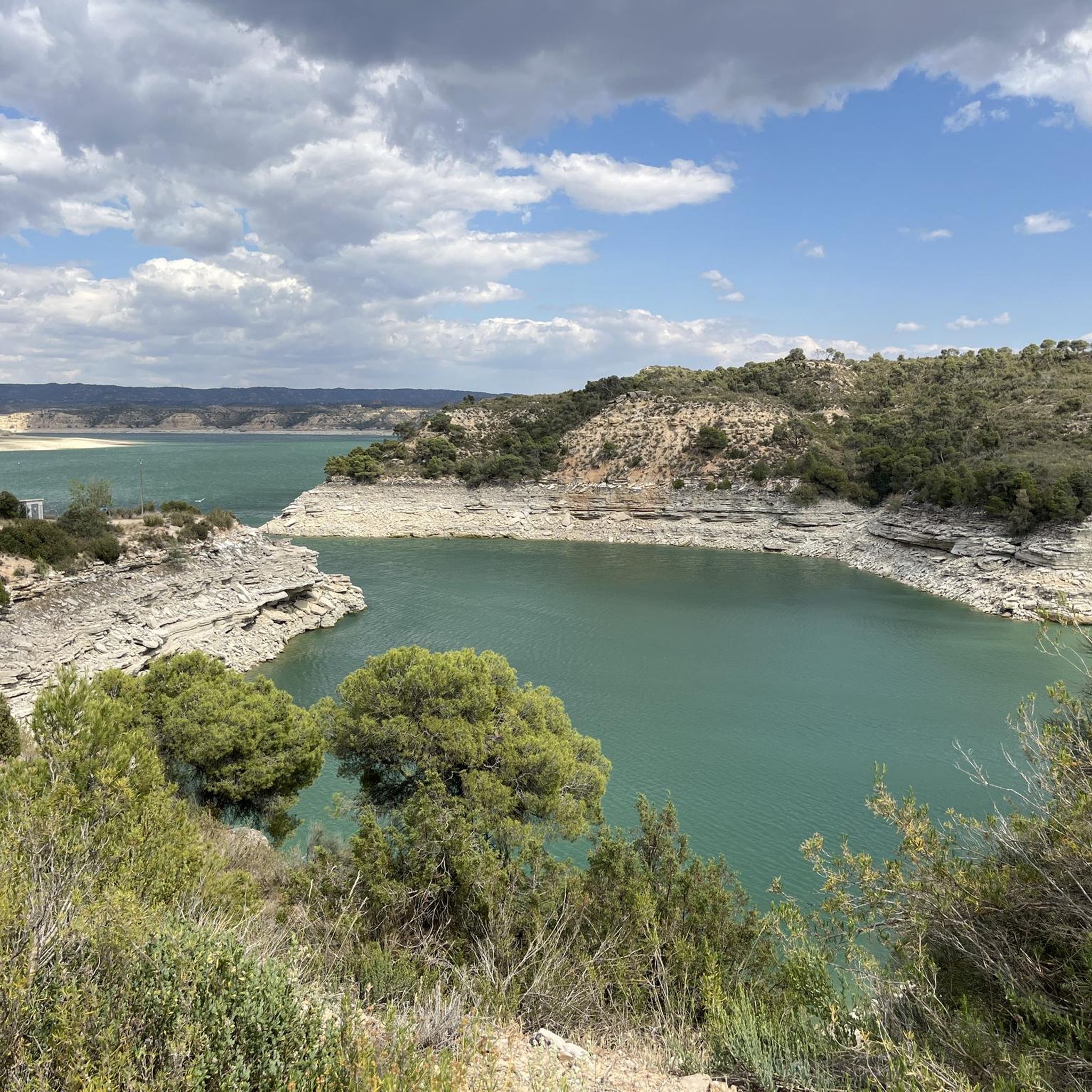
- The most popular attractions is Sea of Aragon, a lake that is part of the Mequinenza reservoir. This vast body of water is a popular destination for sport fishing and nautical activities.
- Another must-see spot is Salamanca Tower, a castle built in 1875 during the Third Carlist War. This tower offers panoramic views of Caspe and the Ebro river valley.
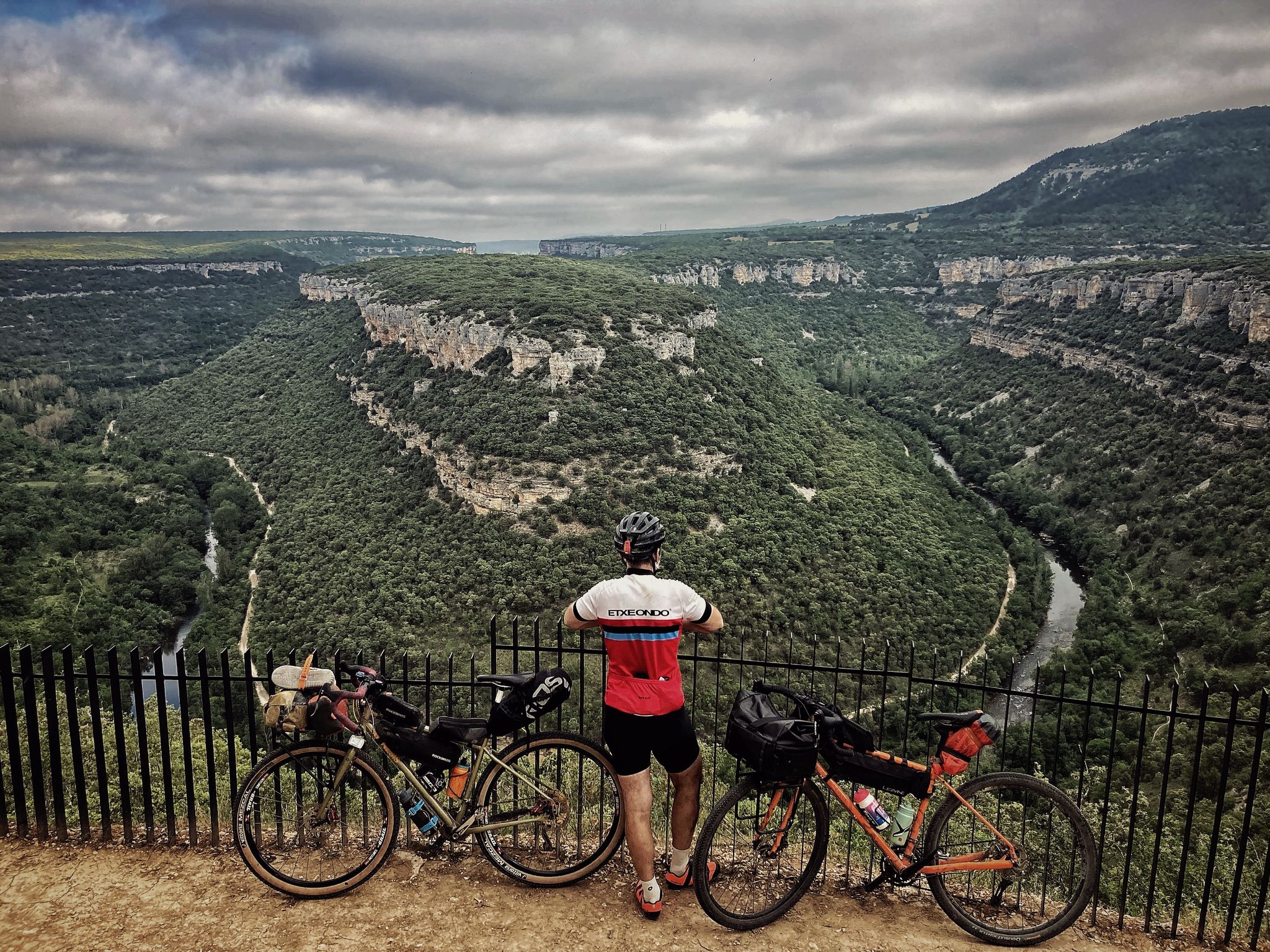
- Visitors also love Matarraña-Algars Nature Trail, a trail that follows the route of an old railway line. This trail offers opportunities for cycling and exploring the natural landscape along the Matarraña and Algars rivers.
- Caspe is known for its historical landmarks, natural features, and archaeological sites. The area offers a variety of attractions to see and explore, from ancient castles to scenic reservoirs.
- The attractions around Caspe are appreciated by the komoot community, with 3 upvotes and 8 photos shared by visitors.
Last updated: June 29, 2026
Sea of Aragon
Highlight • Lake
Translated by Google •
Tip by

Matarraña-Algars Nature Trail
Highlight • Trail
85 kilómetros. 730 metros positivos.
Los ingenieros que diseñaron el ferrocarril de la Val de Zafán tuvieron la maestría, seguramente imprevista, de calcular con toda exactitud el túnel de Valdealgorfa para que la boca oriental coincida con la salida del sol el día del equinoccio de otoño, cuando los rayos del gran astro solar entran directamente en la recta de dos kilómetros y medio que mide el túnel y crean una magia especial. La entrada occidental del famoso Túnel del Equinoccio está en la estación de Valdealgorfa pero tiene una puerta que avisa de la falta de mantenimiento. Los hitos del Camino Natural no entran en el célebre túnel por seguridad y dejamos la travesía por el interior del túnel para la etapa de vuelta, que es bajada y resulta más cómodo porque hay bastante piedra suelta. La estación de Valdealgorfa conserva el estilo neomudéjar habitual en muchas construcciones del Bajo Aragón, en las explanadas de los viejos andenes hay sitio para dejar vehículos y también se puede aparcar en el estacionamiento de las piscinas municipales, unos doscientos metros antes de llegar. El track sale por la izquierda del edificio y recorre unas colinas agrícolas hasta que salva el Túnel del Equinoccio y entra en el trazado original del popular ferrocarril Sarmentero, como se conocía el tren en los pocos años que vivió su época gloriosa porque atravesaba grandes plantaciones de vides. Y también era llamado La Torica por la curiosa locomotora de carbón que tiraba de los vagones. El firme es excelente y mantiene una ligera subida hasta la estación de Valjunquera, que también está abandonada aunque conserva el estilo arquitectónico de la época en un acogedor ambiente de arqueología ferroviaria.
El desvío de la vía verde está en la vieja estación de Valdeltorno, en plena sierra. En los bancales del valle hay olivos gigantes y los montes están poblados de coscoja, encinas, enebros, romeros y lentiscos. El viaje cicloturista deja el trazado ferroviario para la vuelta y continúa la aventura bikepacking por el Camino Natural del Matarraña-Algars. El río Matarraña nace bravo y salvaje en el Parrizal de Beceite y mantiene los ecosistemas fluviales poco alterados hasta la desembocadura en el Ebro, no hay grandes presas ni transformaciones del cauce pero es un río agrícola. La travesía del valle sigue caminos rurales por las orillas del río y muestra un paisaje de cultivos bien cuidados que aprovechan los recursos de regadío y el cálido clima mediterráneo. En un tramo hay que pasar con cuidado porque el carril del camino está bastante deteriorado por la escorrentía y tiene algo de maleza por la falta de uso. Un punto de interés es el yacimiento ibérico de San Cristóbal, en un cerro aislado enfrente de Mazaleón. La comarca es territorio de íberos y los interesados pueden visitar varios yacimientos a lo largo del recorrido. El camino no pasa por el pueblo, continúa por la vega del río y es importante seguir el track que ofrece una opción para evitar un tramo de cantos rodados no ciclable en el lecho natural del río, precisamente donde la ruta entra en la provincia de Zaragoza, aunque se pasa bien caminando. La ruta sigue después por Maella, pasa al pie de las murallas del imponente castillo, y el firme es magnífico para la gravel hasta el final de la etapa. En varios pasos del cauce del Matarraña no hay puentes y la travesía es por unos vados de hormigón que puden presentar problemas cuando la corriente lleva crecida, en estos casos hay unos bloques para atravesar el cauce caminando.
El siguiente pueblo es Fabara, con callejuelas estrechas y ambiente medieval, es un paraje estratégico del valle del Matarraña desde tiempos remotos, tienes restos de un yacimiento de la Edad del Hierro, palacios y conserva un mausoleo romano de categoría. El tramo hasta Nonaspe es muy bonito por un paisaje de meandros fluviales poblados de campos de frutales encajados entre horizontes de montes esteparios. Y lo mejor llega después de la población, cuando el camino baja de nuevo al río, en la confluencia con el Algars, y recorre los últimos meandros del Matarraña antes de entrar en el remanso del embalse de Riba-roja y mezclarse con el Ebro. La cola del pantano forma un lago natural precioso poblado de aves, bosques ribereños y barquitas de pescadores. El camino del río termina en la carretera que sube al pueblo nuevo de Fayón, construido en 1967 para alojar a los habitantes de la población vieja cuando se levantó la presa de Riba-roja. Los hitos del Camino Natural suben directamente por un empinado camino de tierra pero en bicicleta es mejor usar la carretera. El camping y la pensión están en la parte alta, nada más entrar al conjunto urbano. En Fayón hay muchas alusiones a la batalla del Ebro, una de las contiendas más dramáticas y decisivas de la guerra civil española. En los alrededores hay una ruta turística señalizada para visitar enclaves y puestos bélicos del frente militar. Y también un mirador con vistas del embalse donde asoma la iglesia del pueblo viejo por encima del agua, que es el único resto en pie del Fayón original.
Tip by

Sign up now to discover places like this
Get recommendations on the best single tracks, peaks, & plenty of other exciting outdoor places.
Sign up for free
Salamanca Tower
Highlight • Castle
Translated by Google •
Tip by

Castle of the Compromise
Highlight • Castle
Translated by Google •
Tip by

Mas de la Punta Picnic Area
Highlight • Rest Area
Translated by Google •
Tip by

Sign up for free to discover even more attractions around Caspe.
Sign up for free
Already have an account?
Start today with a free account
Your next adventure awaits.
Login or Signup



Tips from the Community

The so-called "Tower of Salamanca", "Fortress of Salamanca" or "Tower of the Head of Monteagudo" is an optical telegraphy and rifle tower built in 1875 by General Manuel de Salamanca y Negrete (from whom it takes its name) as part of the Third Carlist War was built.
7
0

Etapa 1. Valdealgorfa/Fayón 85 kilómetros. 730 metros positivos. Los ingenieros que diseñaron el ferrocarril de la Val de Zafán tuvieron la maestría, seguramente imprevista, de calcular con toda exactitud el túnel de Valdealgorfa para que la boca oriental coincida con la salida del sol el día del equinoccio de otoño, cuando los rayos del gran astro solar entran directamente en la recta de dos kilómetros y medio que mide el túnel y crean una magia especial. La entrada occidental del famoso Túnel del Equinoccio está en la estación de Valdealgorfa pero tiene una puerta que avisa de la falta de mantenimiento. Los hitos del Camino Natural no entran en el célebre túnel por seguridad y dejamos la travesía por el interior del túnel para la etapa de vuelta, que es bajada y resulta más cómodo porque hay bastante piedra suelta. La estación de Valdealgorfa conserva el estilo neomudéjar habitual en muchas construcciones del Bajo Aragón, en las explanadas de los viejos andenes hay sitio para dejar vehículos y también se puede aparcar en el estacionamiento de las piscinas municipales, unos doscientos metros antes de llegar. El track sale por la izquierda del edificio y recorre unas colinas agrícolas hasta que salva el Túnel del Equinoccio y entra en el trazado original del popular ferrocarril Sarmentero, como se conocía el tren en los pocos años que vivió su época gloriosa porque atravesaba grandes plantaciones de vides. Y también era llamado La Torica por la curiosa locomotora de carbón que tiraba de los vagones. El firme es excelente y mantiene una ligera subida hasta la estación de Valjunquera, que también está abandonada aunque conserva el estilo arquitectónico de la época en un acogedor ambiente de arqueología ferroviaria. El desvío de la vía verde está en la vieja estación de Valdeltorno, en plena sierra. En los bancales del valle hay olivos gigantes y los montes están poblados de coscoja, encinas, enebros, romeros y lentiscos. El viaje cicloturista deja el trazado ferroviario para la vuelta y continúa la aventura bikepacking por el Camino Natural del Matarraña-Algars. El río Matarraña nace bravo y salvaje en el Parrizal de Beceite y mantiene los ecosistemas fluviales poco alterados hasta la desembocadura en el Ebro, no hay grandes presas ni transformaciones del cauce pero es un río agrícola. La travesía del valle sigue caminos rurales por las orillas del río y muestra un paisaje de cultivos bien cuidados que aprovechan los recursos de regadío y el cálido clima mediterráneo. En un tramo hay que pasar con cuidado porque el carril del camino está bastante deteriorado por la escorrentía y tiene algo de maleza por la falta de uso. Un punto de interés es el yacimiento ibérico de San Cristóbal, en un cerro aislado enfrente de Mazaleón. La comarca es territorio de íberos y los interesados pueden visitar varios yacimientos a lo largo del recorrido. El camino no pasa por el pueblo, continúa por la vega del río y es importante seguir el track que ofrece una opción para evitar un tramo de cantos rodados no ciclable en el lecho natural del río, precisamente donde la ruta entra en la provincia de Zaragoza, aunque se pasa bien caminando. La ruta sigue después por Maella, pasa al pie de las murallas del imponente castillo, y el firme es magnífico para la gravel hasta el final de la etapa. En varios pasos del cauce del Matarraña no hay puentes y la travesía es por unos vados de hormigón que puden presentar problemas cuando la corriente lleva crecida, en estos casos hay unos bloques para atravesar el cauce caminando. El siguiente pueblo es Fabara, con callejuelas estrechas y ambiente medieval, es un paraje estratégico del valle del Matarraña desde tiempos remotos, tienes restos de un yacimiento de la Edad del Hierro, palacios y conserva un mausoleo romano de categoría. El tramo hasta Nonaspe es muy bonito por un paisaje de meandros fluviales poblados de campos de frutales encajados entre horizontes de montes esteparios. Y lo mejor llega después de la población, cuando el camino baja de nuevo al río, en la confluencia con el Algars, y recorre los últimos meandros del Matarraña antes de entrar en el remanso del embalse de Riba-roja y mezclarse con el Ebro. La cola del pantano forma un lago natural precioso poblado de aves, bosques ribereños y barquitas de pescadores. El camino del río termina en la carretera que sube al pueblo nuevo de Fayón, construido en 1967 para alojar a los habitantes de la población vieja cuando se levantó la presa de Riba-roja. Los hitos del Camino Natural suben directamente por un empinado camino de tierra pero en bicicleta es mejor usar la carretera. El camping y la pensión están en la parte alta, nada más entrar al conjunto urbano. En Fayón hay muchas alusiones a la batalla del Ebro, una de las contiendas más dramáticas y decisivas de la guerra civil española. En los alrededores hay una ruta turística señalizada para visitar enclaves y puestos bélicos del frente militar. Y también un mirador con vistas del embalse donde asoma la iglesia del pueblo viejo por encima del agua, que es el único resto en pie del Fayón original.
0
0

Located opposite a beautiful square, where the city also begins.
3
0
Beautiful castle located high in the city
4
0

Old fort that is at one end of the town of Caspe and contrary to what it seems, it is not from medieval times but was built at the end of the 19th century. The set of walls are raised on some rocks that have the name of Cabezo de Monteagudo.
2
0
The castle, which is now not preserved in its entirety, was bordered by the old riverbed of the Guadalope river, now part of the Mequinensa reservoir. It is one of the most well-known buildings in the city of Caspe, where it is located at the top of the town itself. This
3
0

The Engagement Castle is a fortress of Muslim origin, probably from the 8th century, which was later conquered by the Christians. The numerous battles it has experienced and its successive reconstructions have contributed to its current appearance. This construction is the most representative of Caspe.
0
0
The Sea of Aragon is part of the Mequinenza reservoir. In this area there is a fishing preserve. It is impressive how vast the body of water is.
0
0
Frequently Asked Questions
What historical sites can I explore in Caspe?
Caspe is rich in history. You can visit the Castillo del Compromiso, a castle significant for the Compromise of Caspe in 1412, and the monumental Collegiate Church of Santa María la Mayor del Pilar. Don't miss the Torre de Salamanca, a 19th-century tower offering panoramic views, and the ancient Roman Mausoleum of Fabara, one of the best-preserved of its kind.
Where can I enjoy nature and scenic views around Caspe?
The most prominent natural feature is the Sea of Aragon, part of the Mequinenza reservoir, popular for its vast waters and fishing. For panoramic views, head to the Salamanca Tower, which overlooks Caspe and the Ebro river valley. The Isla Magdalena also offers a natural escape.
Are there opportunities for cycling or mountain biking near Caspe?
Yes, Caspe offers various cycling opportunities. The Matarraña-Algars Nature Trail is a popular route following an old railway line, ideal for exploring the natural landscape. For more routes, you can find numerous options for cycling, road cycling, and mountain biking around Caspe.
What kind of archaeological sites can I visit in the Caspe area?
Caspe boasts significant archaeological heritage. Besides the Roman Mausoleum of Fabara, you can find prehistoric cave paintings in the shelter of the Plano del Pulido, a UNESCO World Heritage Site. Other important sites include La Tallada and Loma de los Brunos, part of the Route of the Iberians.
Are there any family-friendly attractions in Caspe?
Absolutely. The Sea of Aragon is a great spot for families, offering space for nautical activities and enjoying the outdoors. The Matarraña-Algars Nature Trail is also suitable for family bike rides or walks, providing an engaging way to experience the local nature.
What is the Mar de Aragón and what activities can I do there?
The Mar de Aragón is a large reservoir, also known as the Mequinenza Reservoir. It's a prime destination for sport fishing and various nautical activities, making it a popular spot for both locals and visitors seeking water-based recreation.
Can I find any unique cultural experiences in Caspe?
Caspe offers unique cultural experiences, including its annual medieval festival at the end of June, which commemorates the Compromise of Caspe. You can also visit the Teatro Goya for performances or explore the various hermitages scattered throughout the municipality, such as Santa Quiteria and Montserrat.
What is the significance of the Castillo del Compromiso?
The Castillo del Compromiso is historically crucial as it was the site of the Compromise of Caspe in 1412, an event that determined the succession of the Crown of Aragon. Originally built by the Knights Hospitaller, it served as both a castle and a convent, and parts of it have been restored to highlight its rich past.
Are there any places to see ancient religious architecture in Caspe?
Yes, the Collegiate Church of Santa María la Mayor del Pilar is a magnificent 14th-century Gothic church, considered the most monumental building in Caspe. It houses important relics like the Vera Cruz and the Cáliz del Compromiso. Additionally, the Romanesque Hermitage of Santa María de Horta, rescued and rebuilt from the Mequinenza reservoir, offers another glimpse into ancient religious architecture.
What kind of views can I expect from Salamanca Tower?
From the Salamanca Tower, you can expect spectacular panoramic views of Caspe and the expansive Ebro river valley. This 19th-century tower, built during the Third Carlist War, also houses the Heraldry Museum, adding a historical layer to the scenic experience.
What do visitors enjoy most about the attractions around Caspe?
Visitors particularly appreciate the blend of historical depth and natural beauty. The vastness of the Sea of Aragon for fishing and water activities, the historical significance and views from the Salamanca Tower, and the scenic Matarraña-Algars Nature Trail are frequently highlighted as favorites.
Most popular attractions around Caspe

Get inspired with the komoot mobile app


Explore more
Still not found the Highlight you’re looking for? See guides of the top attractions in other regions:
