Attractions and Places To See around Olvera - Top 20
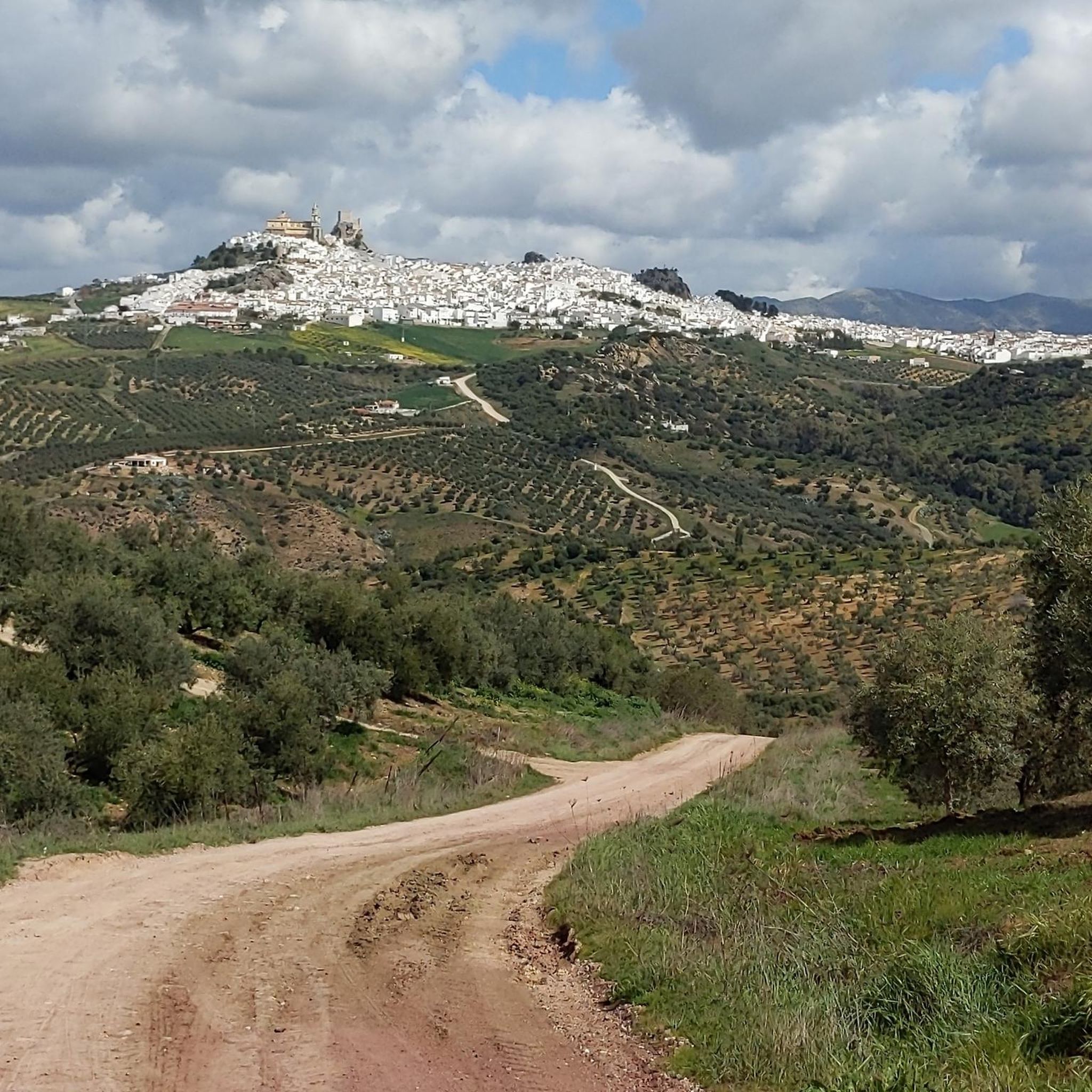
Best attractions and places to see around Olvera, a white village in the Sierra Norte de Cádiz, offer a blend of historical landmarks and natural features. Declared a Historic and Artistic Site, Olvera is known for its panoramic views and charming streets. The region provides diverse opportunities for exploration, from ancient castles to scenic greenways.
Best attractions and places to see around Olvera
- The most popular attractions is Cuevas del Sol Street, Setenil de las Bodegas, a settlement where houses are built into natural caves. This area has been inhabited since prehistoric times, with caves providing natural insulation.
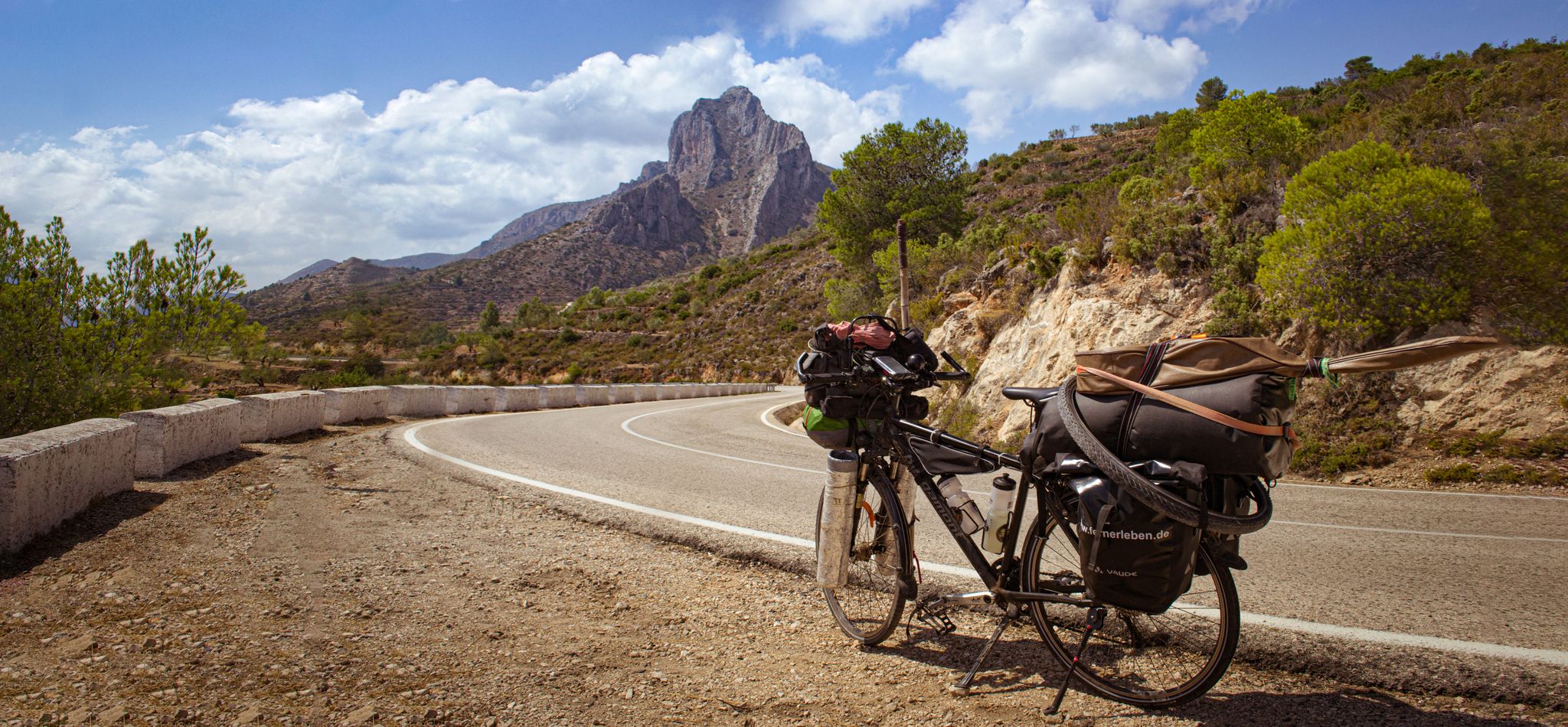
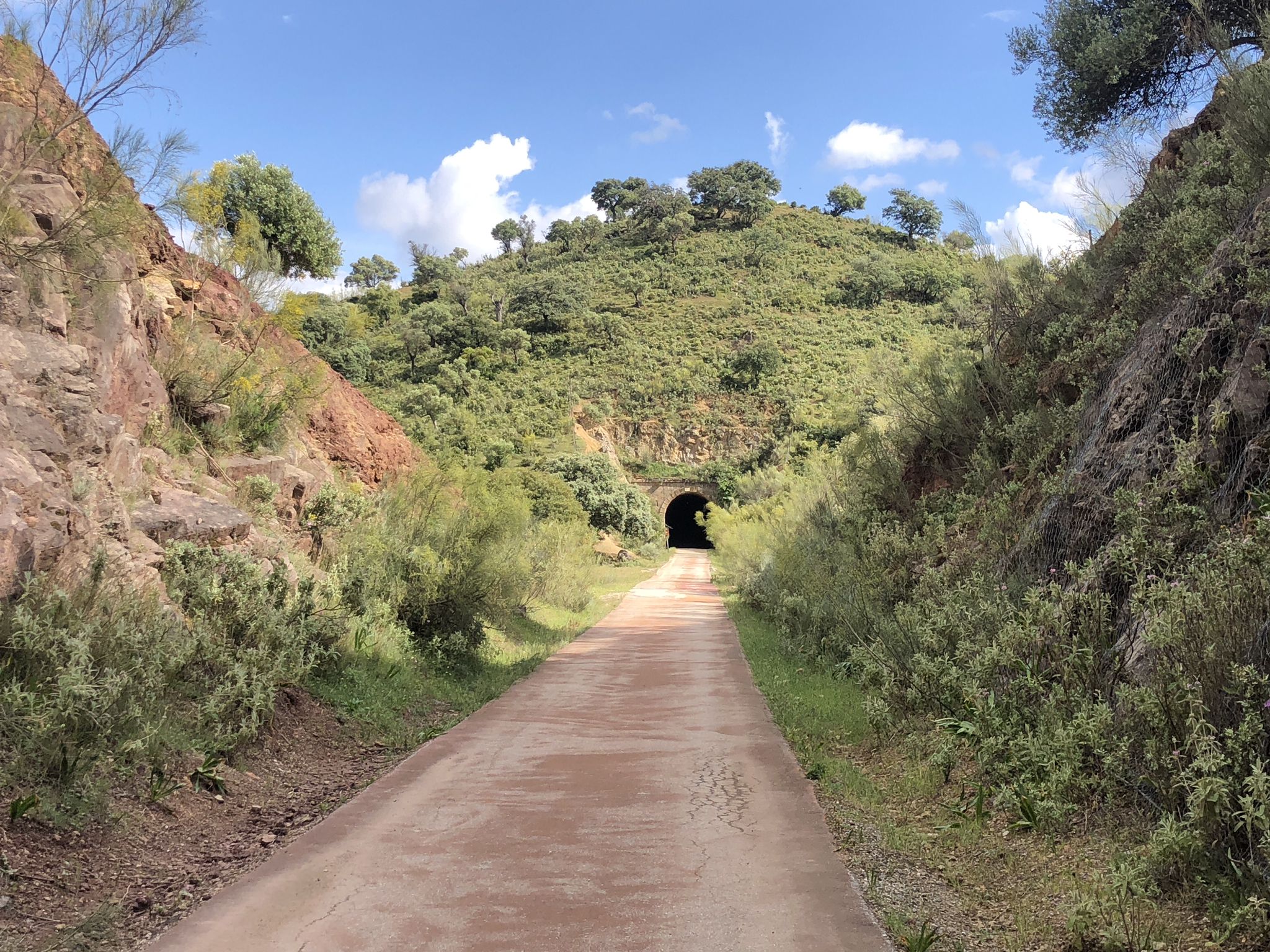
- Another must-see spot is Vía Verde de la Sierra Tunnels and Peñón de Zaframagón, a cycle way following an old railway line. This 36-kilometer route offers a combination of nature and historical sights, including a large colony of griffon vultures.
- Visitors also love Zahara de la Sierra Castle, a castle with remains dating from the 13th to 15th centuries. This Nasrid-period castle offers views of the Zahara reservoir and the Sierra de Grazalema natural park.
- Olvera is known for its historical landmarks, natural features, and cultural sites. Visitors can explore medieval castles, impressive churches, and scenic routes like the Vía Verde de la Sierra.
- The attractions around Olvera are appreciated by the komoot community, with more than 255 upvotes and 377 photos shared by visitors.
Last updated: June 23, 2026
Cuevas del Sol Street, Setenil de las Bodegas
Highlight • Settlement
Translated by Google •
Tip by

Vía Verde de la Sierra Tunnels and Peñón de Zaframagón
Highlight • Cycleway
The route is ideal for both walking and cycling and passes through several tunnels and viaducts, making it a unique experience. Along the way you will pass through smaller villages and peaceful landscapes, making it perfect for a relaxing adventure in nature.
Translated by Google •
Tip by

Sign up now to discover places like this
Get recommendations on the best single tracks, peaks, & plenty of other exciting outdoor places.
Sign up for free
Bridge over the Trejo River
Highlight • Bridge
Translated by Google •
Tip by

Zaframagón Viaduct
Highlight • Bridge
It was built to span the Guadalporcún River crossing before it meets the Guadamanil River. The latter originates in the Sierra de la Lebrona mountain range in the municipality of Pruna (Seville) and flows into the Guadalporcún River just a few meters from the viaduct. The confluence of the rivers has created a wide floodplain.
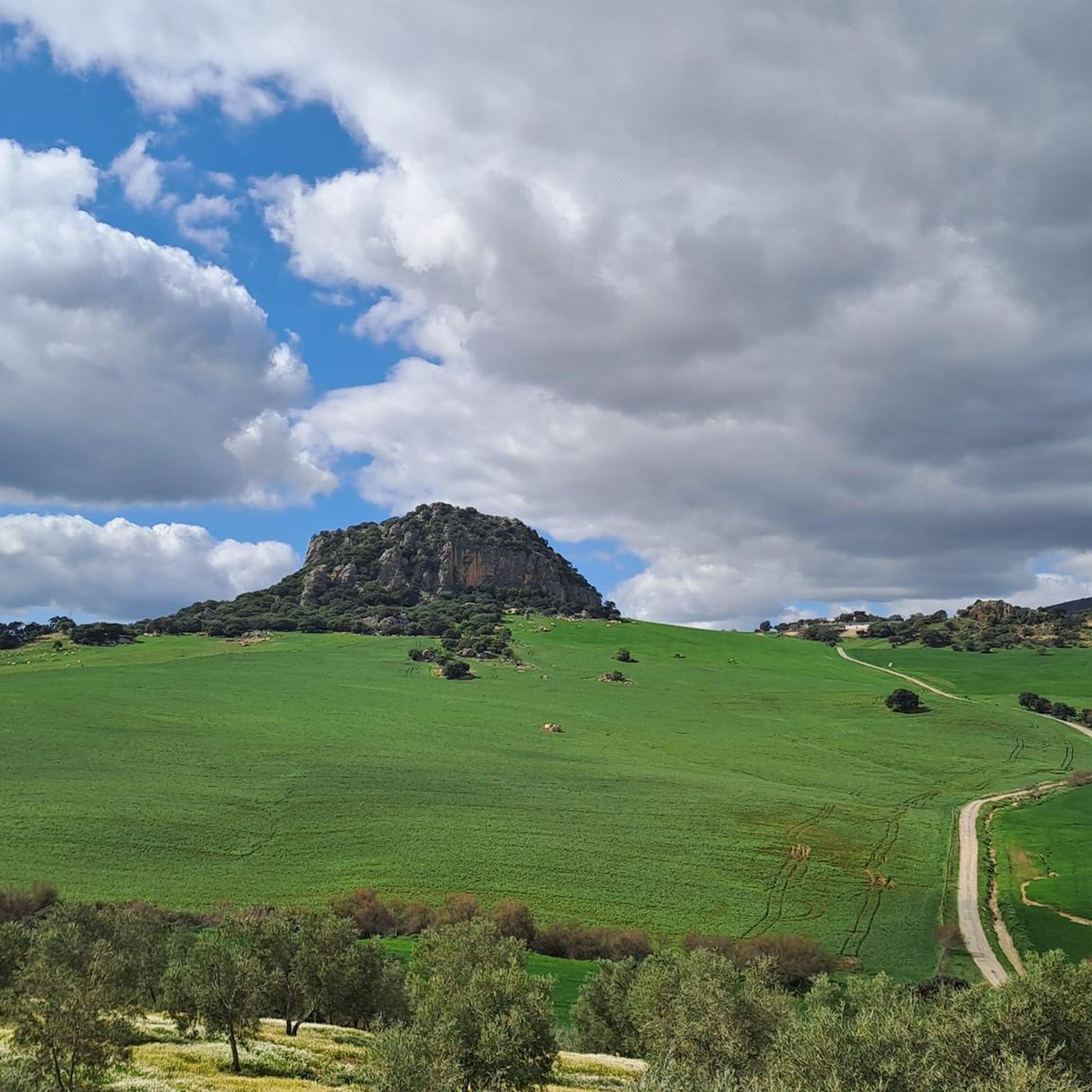
From this railway infrastructure, there is a privileged view of the Estrechón Canyon, a natural passage carved by the Guadalporcún River to traverse the foothills of the Zaframagón Rock. Just below, on the left bank of the Guadalporcún, we find the ruined building of what was once the Zaframagón mill. A little further west, other ruins can be seen. It is a small town built for workers on the railway line construction site.
Translated by Google •
Tip by
Church of Santa María de la Mesa
Highlight • Religious Site
Translated by Google •
Tip by

Sign up for free to discover even more attractions around Olvera.
Sign up for free
Already have an account?
Start today with a free account
Your next adventure awaits.
Login or Signup


Tips from the Community

According to historical research, the church was built in the 17th century in the Baroque style. Inside, a beautiful altarpiece can be admired.
2
0
There are a few bridges over the river... this is also important if you want to get from one end of the place to the other. The famous rock houses are constantly on the left and right.
4
0

Bridge over the Trejo River, this small bridge connects two of the town's most iconic streets: Cuevas del Sol and Cuevas de la Sombra. It's one of the most photographed spots, as it offers a view of the houses embedded in the rock and the flow of the river beneath the enormous natural ledges. It's ideal for stopping, taking photos, and enjoying the contrast between the troglodyte architecture and the natural surroundings.
3
0
Cuevas del Sol Street in Setenil de las Bodegas is one of the most iconic and photographed corners of this picturesque town in the Sierra de Cádiz, famous for its houses built directly beneath enormous rocks.
8
0

A town that you have to go see, it is essential and the food is wonderful.
1
0

A 135-meter-long viaduct, built using rectangular truncated pyramidal pilasters with mortared ashlars, is formed by the repetition of seven identical arches. It was built to span the Guadalporcún River crossing before it meets the Guadamanil River. The latter originates in the Sierra de la Lebrona mountain range in the municipality of Pruna (Seville) and flows into the Guadalporcún River just a few meters from the viaduct. The confluence of the rivers has created a wide floodplain. From this railway infrastructure, there is a privileged view of the Estrechón Canyon, a natural passage carved by the Guadalporcún River to traverse the foothills of the Zaframagón Rock. Just below, on the left bank of the Guadalporcún, we find the ruined building of what was once the Zaframagón mill. A little further west, other ruins can be seen. It is a small town built for workers on the railway line construction site.
8
0
Setenil de las Bodegas is a picturesque municipality in the province of Cadiz, Andalusia. It is known for its unique urban layout, with houses built under large rocks that form part of the Trejo River canyon. This town is an essential stop on the famous route of the White Villages of Cadiz.
9
0

Temple with three naves, the central part of which is higher and wider than the side naves and is separated from them by Tuscan order pilasters supporting cross vaults and a galloon dome in the transept on a curved cornice. From the outside, the main façade stands out, with a baroque façade in pink marble, the dome and the bell tower.
8
0
Frequently Asked Questions
What historical landmarks can I explore in Olvera?
Olvera is rich in history. You can explore the medieval Moorish Olvera Castle, which offers incredible 360-degree views. Adjacent to it is the impressive 18th-century Church of Nuestra Señora de la Encarnación. The historic La Villa Neighborhood, with its narrow, cobbled streets, reflects the town's Al-Andalus origins. Don't miss the Olvera Museum, housed in the historic 'La Cilla' building, which provides insights into the town's medieval past.
Are there any unique natural attractions or landscapes to see near Olvera?
Yes, Olvera is surrounded by stunning natural beauty. The Vía Verde de la Sierra Tunnels and Peñón de Zaframagón is a popular 36-kilometer cycling and walking path built along an old railway line, offering views of the Sierra de Grazalema Natural Park and home to Europe's largest colony of griffon vultures. The town is also nestled amidst extensive olive groves, a defining characteristic of the landscape.
What kind of outdoor activities can I do around Olvera?
The region around Olvera is perfect for outdoor enthusiasts. You can enjoy cycling on routes like the 'Vía Verde de la Sierra Loop from Olvera' or explore the 'Setenil de las Bodegas from Olvera – circular' route. For hiking, consider the 'Via Verde del Segura — round trip through the Zaframagon Rock Nature Reserve' or the 'Andalusia Square in Olvera loop from Olvera'. You can find more details and routes on the cycling and hiking guide pages.
Are there family-friendly attractions in the Olvera area?
Absolutely! The Cuevas del Sol Street, Setenil de las Bodegas, where houses are built into natural caves, offers a fascinating and unique experience for all ages. The Vía Verde de la Sierra is also a great option for families to walk or cycle together through scenic landscapes, including tunnels and viaducts.
What are some of the best viewpoints in Olvera?
Olvera offers numerous stunning viewpoints. The Olvera Castle, perched on a rock, provides incredible 360-degree views of the village and surrounding olive groves. The Plaza de la Iglesia, located next to the church, offers sweeping vistas of the village rooftops. Additionally, the Olvera Cemetery, situated under the castle, and the Mirador de la Iglesia also provide excellent panoramic views of the whitewashed houses and distant mountains.
What is the significance of the Vía Verde de la Sierra?
The Vía Verde de la Sierra is a significant 'green route' that follows an old railway line, connecting Olvera to Puerto Serrano. It's a 36-kilometer path ideal for walking and cycling, traversing the beautiful Sierra de Grazalema Natural Park. A major highlight along this route is the Peñón de Zaframagón, a protected natural landscape known for hosting Europe's largest colony of griffon vultures, which can be observed from a dedicated center.
Can I visit other 'white villages' from Olvera?
Yes, Olvera is strategically located on the 'Ruta de los Pueblos Blancos' (Route of the White Villages). This route winds through the hills of the Sierra de Grazalema Natural Park, allowing you to easily visit other picturesque white villages like Setenil de las Bodegas, famous for its cave houses, and Zahara de la Sierra, home to the historic Zahara de la Sierra Castle.
What is the best time to visit Olvera?
Olvera, with its Mediterranean climate, is pleasant to visit during spring (April-May) and autumn (September-October) when temperatures are milder, making it ideal for exploring the historical sites and engaging in outdoor activities. Summers can be very hot, while winters are generally mild.
What is the Barrio de la Villa?
The Barrio de la Villa is Olvera's oldest and most historic neighborhood, with origins dating back to the Al-Andalus period. Its narrow, cobbled streets and whitewashed houses, often adorned with flowers, reflect the old Muslim medina. Many of Olvera's main sights, including the castle, church, and museum, are located within this charming quarter.
What cultural or religious sites are there beyond the main church?
Beyond the Church of Nuestra Señora de la Encarnación, you can visit the Sanctuary of Nuestra Señora de los Remedios, an 18th-century Baroque religious site located a couple of kilometers from the town center. It houses the town's patron saint and is the focus of an important annual pilgrimage. Additionally, the Hermitage of San Benito, a cute little church from the 15th century, is another notable religious building in the area.
What makes Calle Calzada special?
Calle Calzada is considered one of Olvera's most emblematic and photographed streets. This picturesque, winding street ascends through the Barrio de la Villa, lined with whitewashed houses, many dating back to the Moorish era. It offers stunning vistas of the surrounding countryside as you make your way towards the castle and the Plaza de la Iglesia.
What can I learn at the Olvera Museum?
The Olvera Museum, also known as the Museo de la Frontera y los Castillos or Museo de la Cilla, is housed in a building that was once the granary for the Dukes of Osuna. It serves as an interpretation center for Olvera's medieval past, showcasing local history, Moorish castles, and reproductions of medieval life in the area. The museum also offers a viewpoint with views of the surrounding olive groves.
Most popular attractions around Olvera

Get inspired with the komoot mobile app


Explore more
Still not found the Highlight you’re looking for? See guides of the top attractions in other regions:
