Attractions and Places To See around El Cuervo De Sevilla - Top 15
Best attractions and places to see around El Cuervo De Sevilla include historical landmarks, significant natural wetlands, and cultural sites. The town is situated along the ancient Vía Augusta, offering a blend of historical context and natural beauty. Visitors can explore various landscapes, from artificial lagoons to extensive green parks. The area provides opportunities to observe diverse wildlife and engage with local traditions.
Best attractions and places to see around El Cuervo De Sevilla
- The most popular attractions is Balsa…
Last updated: October 15, 2026
Balsa de Don Melendo
Highlight • Lake
Translated by Google •
Tip by

Via Augusta from Cádiz to Seville, Lebrija
Highlight • Trail
Translated by Google •
Tip by
Sign up now to discover places like this
Get recommendations on the best single tracks, peaks, & plenty of other exciting outdoor places.
El Fontanal Archaeological Site
Highlight • Historical Site
Translated by Google •
Tip by

Lebrija
Highlight • Settlement
Translated by Google •
Tip by
Rocio de la Cámara Park and Camino de Santiago
Highlight • Trail
Translated by Google •
Tip by
Sign up for free to discover even more attractions around El Cuervo De Sevilla.
Already have an account?
Start today with a free account
Your next adventure awaits.

Tips from the Community

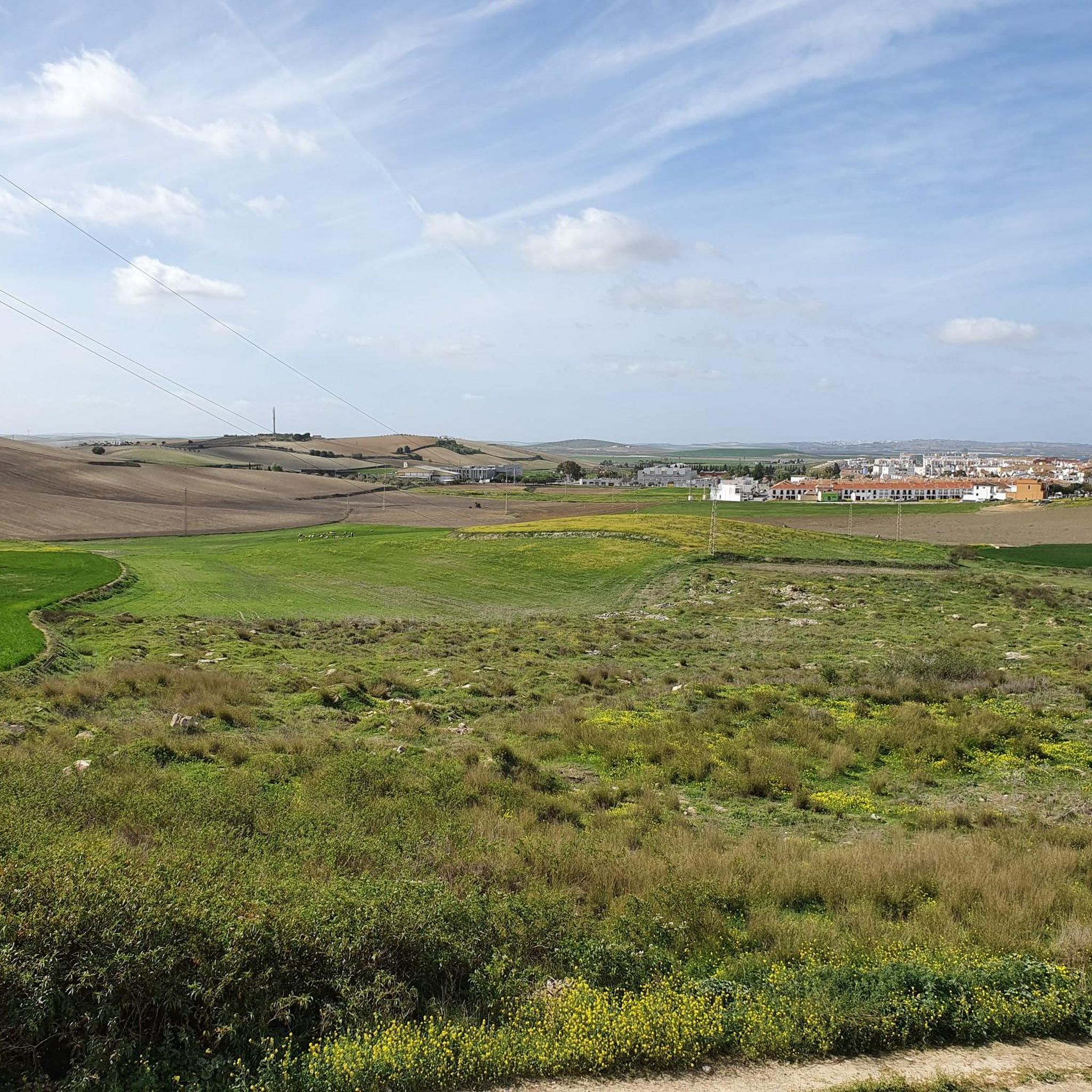
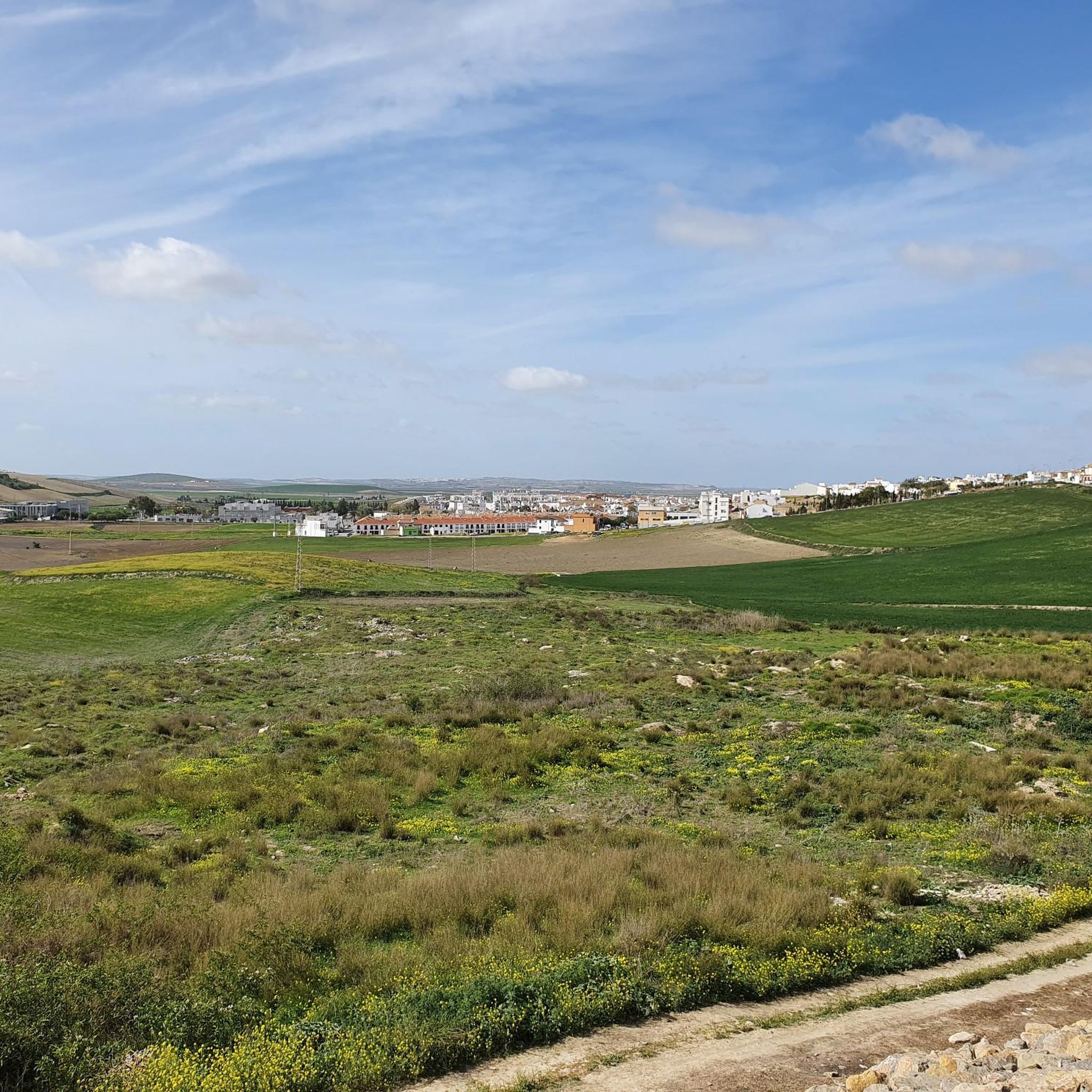
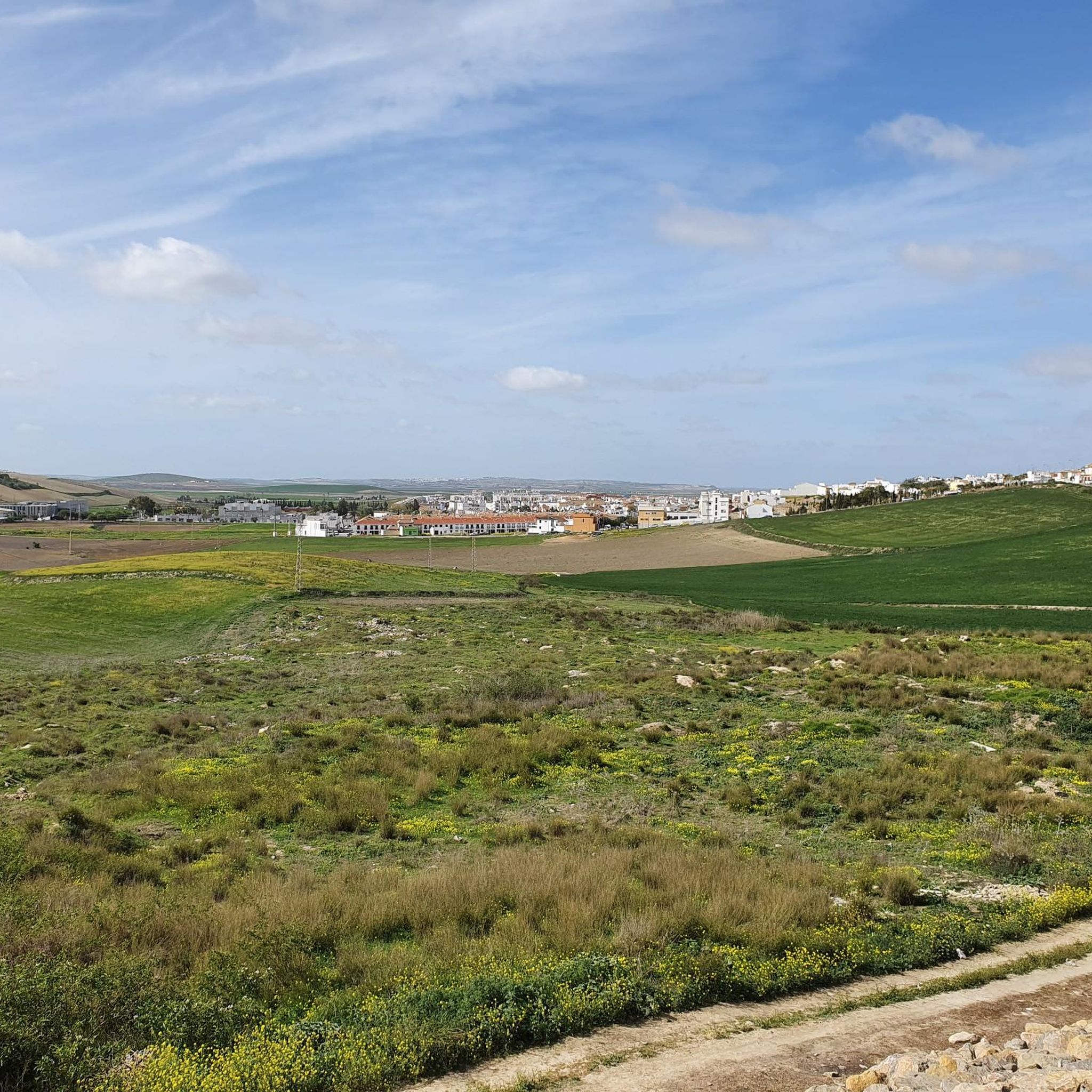
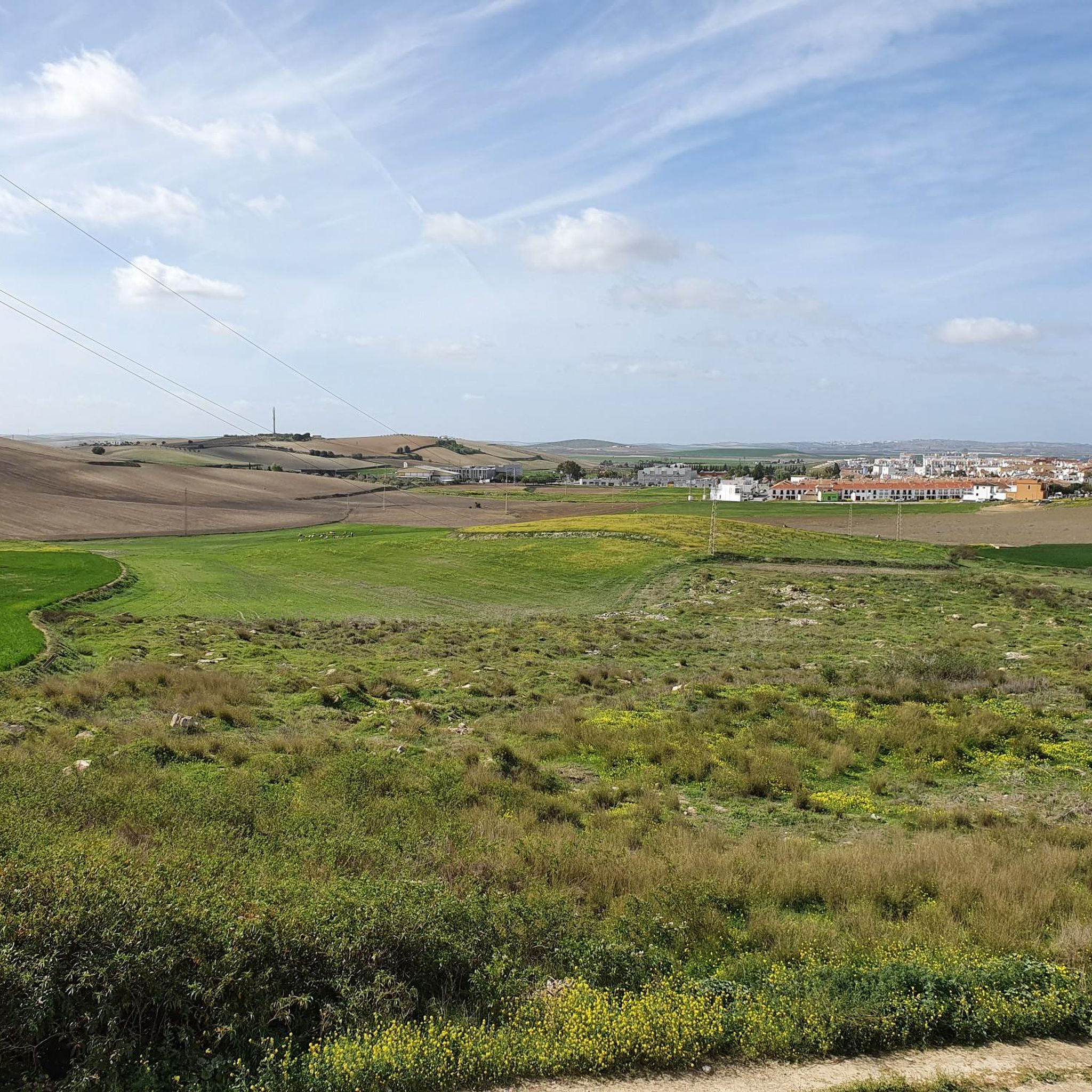
El Fontanal in Lebrija: An archaeological gem that illustrates the importance of water in the formation of the city's history. This hydraulic system, present since the beginnings of Lebrija, testifies to the creative use of natural resources. The remains and structures we see today remind us how important sustainability is to urban life.
0
0

Too bad, the lake is completely fenced in and can only be entered via the canoe club. All around only fields and country lanes...
1
0

The Via Augusta is the high Roman road that was used to go from city to city of the Roman capitals in ancient times. Most of these paths have been preserved and this is an example, it is still valid and reaches the Don Melendo Reservoir.
1
0
The Don Melendo pond is an artificial lagoon that came into operation in 2003, to regulate and store water for irrigation.
1
0
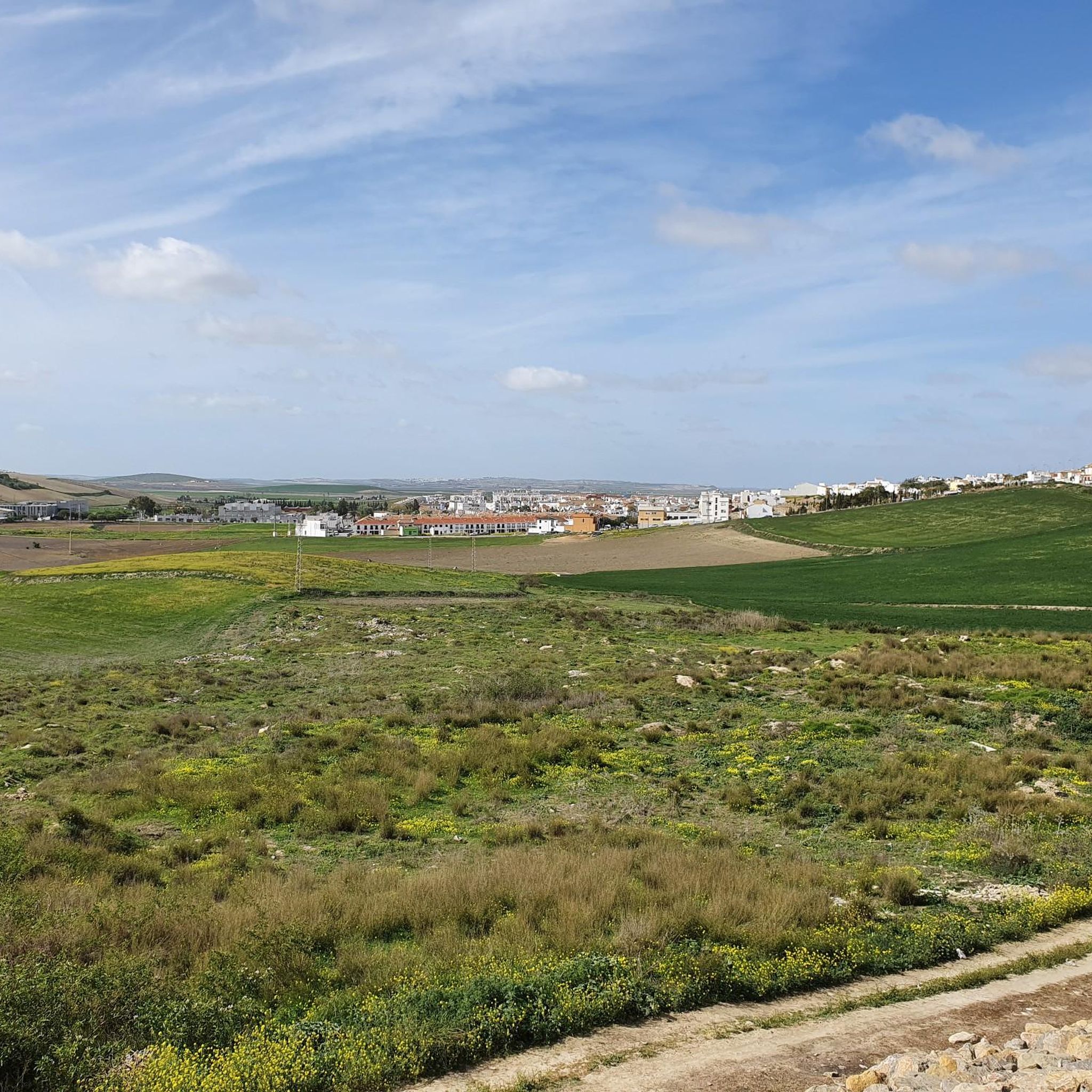
The location of Lebrija is located between three different environments: that of the Marshes, which occupies most of the territory, that of the Campiña, with dry land and irrigated land close to the Bajo Guadalquivir channel, and that of the Monte, first foothills of the Subbética mountain range.
1
0
Park that is close to La Laguna de los Tollos and where there is a large space with trees and green areas where you can spend the day or rest. At the end of the park, the Ermita de Nuestra Señora del Rosario appears, a chapel with the characteristic colors of the area: white and yellow.
1
0

Sevillian municipality located near the Doñana Natural Park. We can enjoy its winding and picturesque streets in the historic center, the Church of Nuestra Señora de la Oliva whose tower is inspired by La Giralda or the archaeological remains of the Roman Nebrija.
0
0
Frequently Asked Questions
What natural attractions can I explore around El Cuervo De Sevilla?
The region offers several natural highlights. You can visit the Balsa de Don Melendo, an artificial lagoon used for irrigation, which is also a popular spot for canoeing. Additionally, the Los Tollos Lagoon is a significant natural wetland, home to diverse bird species like northern shoveler ducks and flamingos, with trails for hiking. Nearby, Rocio de la Cámara Park provides extensive green areas for recreation and picnics.
Are there historical sites to visit in El Cuervo De Sevilla?
Yes, El Cuervo De Sevilla has a rich history. The ancient Vía Augusta, a Roman road connecting Cádiz and Seville, is a significant historical feature, with parts still accessible, such as the Via Augusta from Cádiz to Seville, Lebrija. You can also explore the Casa de Postas 'El Molino', an 18th-century former staging post and the oldest building in town, now a cultural center. The San José Church and the Shrine to Nuestra Señora del Rosario are important religious landmarks.
What kind of outdoor activities can I do near these attractions?
The area around El Cuervo De Sevilla is excellent for outdoor activities. You can find various hiking trails, including the 'Balsa de Melendo Trail' and the 'Vía Augusta and Laguna de los Tollos Loop'. For mountain biking, routes like 'El Cuervo – El Cuervo loop' are available. Runners can enjoy trails such as the 'Balsa de Don Melendo loop'. For more details on routes, check the Hiking around El Cuervo De Sevilla, MTB Trails around El Cuervo De Sevilla, and Running Trails around El Cuervo De Sevilla guides.
Are there any family-friendly attractions in the area?
Absolutely. Rocio de la Cámara Park is a great option for families, offering green spaces and picnic facilities. The Los Tollos Lagoon is also suitable for families interested in nature observation, particularly birdwatching. The nearby town of Lebrija is also noted as family-friendly, with its picturesque streets and historical sites.
What is the significance of the Vía Augusta in El Cuervo De Sevilla?
The Vía Augusta is a historically significant Roman road that once connected Cádiz and Seville, passing directly through El Cuervo De Sevilla. It highlights the town's ancient role as a vital stopover point. Today, sections of this ancient route, such as the Via Augusta from Cádiz to Seville, Lebrija, can still be explored, offering a glimpse into the region's Roman past.
Can I observe wildlife around El Cuervo De Sevilla?
Yes, the Los Tollos Lagoon is a prime location for wildlife observation. It's a significant natural wetland where you can spot a variety of exotic birds, including northern shoveler ducks and flamingos. The surrounding natural parks also offer opportunities to encounter local flora and fauna.
What cultural experiences does El Cuervo De Sevilla offer?
El Cuervo De Sevilla is known for its traditional artisanal bread, a local specialty. You can experience local culture through events like the Mosto Cuerveño Competition in December and the Día del Pan and Trade Fair in April, which celebrates the town's famous bread. The Casa de Postas 'El Molino' also functions as a cultural center, hosting various activities.
Are there any archaeological sites nearby?
Yes, the El Fontanal Archaeological Site in nearby Lebrija is a notable archaeological gem. It showcases an ancient hydraulic system, illustrating the historical importance of water in urban development and providing insights into the region's past.
What is the Rocio de la Cámara Park?
Rocio de la Cámara Park is a natural park spanning over 60,000 square meters near El Cuervo De Sevilla. It offers extensive green areas, picnic facilities, and is an ideal spot for hiking and enjoying the outdoors. It is also located near the Los Tollos Lagoon and features the Ermita de Nuestra Señora del Rosario.
What is the best time to visit El Cuervo De Sevilla for outdoor activities?
While specific seasonal advice isn't provided, generally, spring and autumn offer the most pleasant weather for outdoor activities in Andalusia, avoiding the intense heat of summer and the cooler, wetter days of winter. These seasons are ideal for hiking, birdwatching, and exploring historical sites comfortably.
Is public transport available to reach attractions?
Information on specific public transport routes to individual attractions is not detailed. However, El Cuervo De Sevilla is situated along the N-IV motorway, which largely covers the ancient Vía Augusta, suggesting road access is generally good. For local travel, it's advisable to check local bus schedules or consider driving.
Most popular routes around El Cuervo De Sevilla

Get inspired with the komoot mobile app


Explore more
Still not found the Highlight you’re looking for? See guides of the top attractions in other regions:
