Attractions and Places To See around Baralla - Top 20
Best attractions and places to see around Baralla, a municipality in the province of Lugo, Spain, offer a blend of natural beauty and historical landmarks. The region is characterized by the Neira River, forming valleys with low mountain formations and diverse fauna. It features significant historical sites, including ancient bridges and religious buildings, many of which are connected to the Camino de Santiago. This area provides opportunities for exploring both natural landscapes and cultural heritage.
Best attractions and places to see around Baralla
- The most popular attractions is Ancient Chestnut Tree in Ramil, a natural monument that is more than 800 years old. Located on the French Way of the Camino de Santiago, it is an iconic place for pilgrims to take photos.
- Another must-see spot is Camino de Santiago — fork at Triacastela, a trail offering two main routes to reach Sarria: the San Xil Route and the Samos Route. These routes provide different landscapes and experiences for hikers.
- Visitors also love Church of Saint Mary of Vilabade, a 15th-century religious building. This church is mostly Gothic in style but incorporates baroque and neoclassical elements due to renovations, and it has been declared an asset of cultural interest.
- Baralla is known for its historical landmarks, natural features, and religious sites. Visitors can explore ancient bridges, river valleys, and churches, many of which are associated with the Camino de Santiago.
- The attractions around Baralla are appreciated by the komoot community, with over 240 upvotes and more than 100 photos shared.
Last updated: June 23, 2026
Ancient Chestnut Tree in Ramil
Highlight • Natural Monument
Translated by Google •
Tip by

Pilgrim Monument in Triacastela
Highlight • Monument
Translated by Google •
Tip by
Sign up now to discover places like this
Get recommendations on the best single tracks, peaks, & plenty of other exciting outdoor places.
Sign up for free
Camino de Santiago — fork at Triacastela
Highlight • Trail
San Xil Route: This is the historic and most direct route, which crosses the San Xil valley, passing through picturesque villages and rural roads.
Samos Route: This variant is a little longer and passes through the Benedictine monastery of Samos, one of the oldest in Spain.
Both routes have their charm and offer different landscapes and experiences.😎🚶♀️😊
Translated by Google •
Tip by
Church of Saint Mary of Vilabade
Highlight • Religious Site
Translated by Google •
Tip by

Ermita del Carmen de Vilabade
Highlight • Religious Site
Translated by Google •
Tip by
Sign up for free to discover even more attractions around Baralla.
Sign up for free
Already have an account?
Start today with a free account
Your next adventure awaits.
Login or Signup
Tips from the Community

Located at the entrance to Triacastela, this wooden sculpture depicts a classic pilgrim with a staff, cloak, and hat. It's one of the most photographed spots on the Camino as it passes through this town. A work of local craftsmanship, it pays homage to the thousands of pilgrims who have passed through this historic Galician village, which was one of the first documented stops on the Camino de Santiago route. A good excuse to stop, stretch your legs, and take a symbolic photo before entering the town. From here, decide whether to continue along the San Xil route (shorter and more mountainous) or the Samos route (longer and with a monastery). Both routes are beautiful, but very different.
0
0

In the small village of Ramil at the foot of the Camino, just before Triacastela, stands one of Galicia's most beautiful century-old chestnut trees. Its trunk spans 8.5 meters and, with its hollow spaces and thick branches that seem to embrace the tree, resembles an X-ray of time.
0
1

Large deciduous tree that is common in the mountains of Galicia. The fruits are covered with a green rind with thorns, the "erize". The season for harvesting chestnuts is November, and in Triacastela and throughout Galicia in general it is celebrated with a festival called "magesto". The main use of the chestnut tree is to obtain its wood and use its fruit as food for the population in general and as food for livestock.
1
0

Walk right to get to Sarria, walk left to add a night in Samos.
2
0

This impressive tree is over 800 years old. A true natural monument.
2
0

At the end of the Rúa de Peregrino in Triacastela, the Camino de Santiago forks, offering two main routes to reach Sarria: San Xil Route: This is the historic and most direct route, which crosses the San Xil valley, passing through picturesque villages and rural roads. Samos Route: This variant is a little longer and passes through the Benedictine monastery of Samos, one of the oldest in Spain. Both routes have their charm and offer different landscapes and experiences.😎🚶♀️😊
10
0
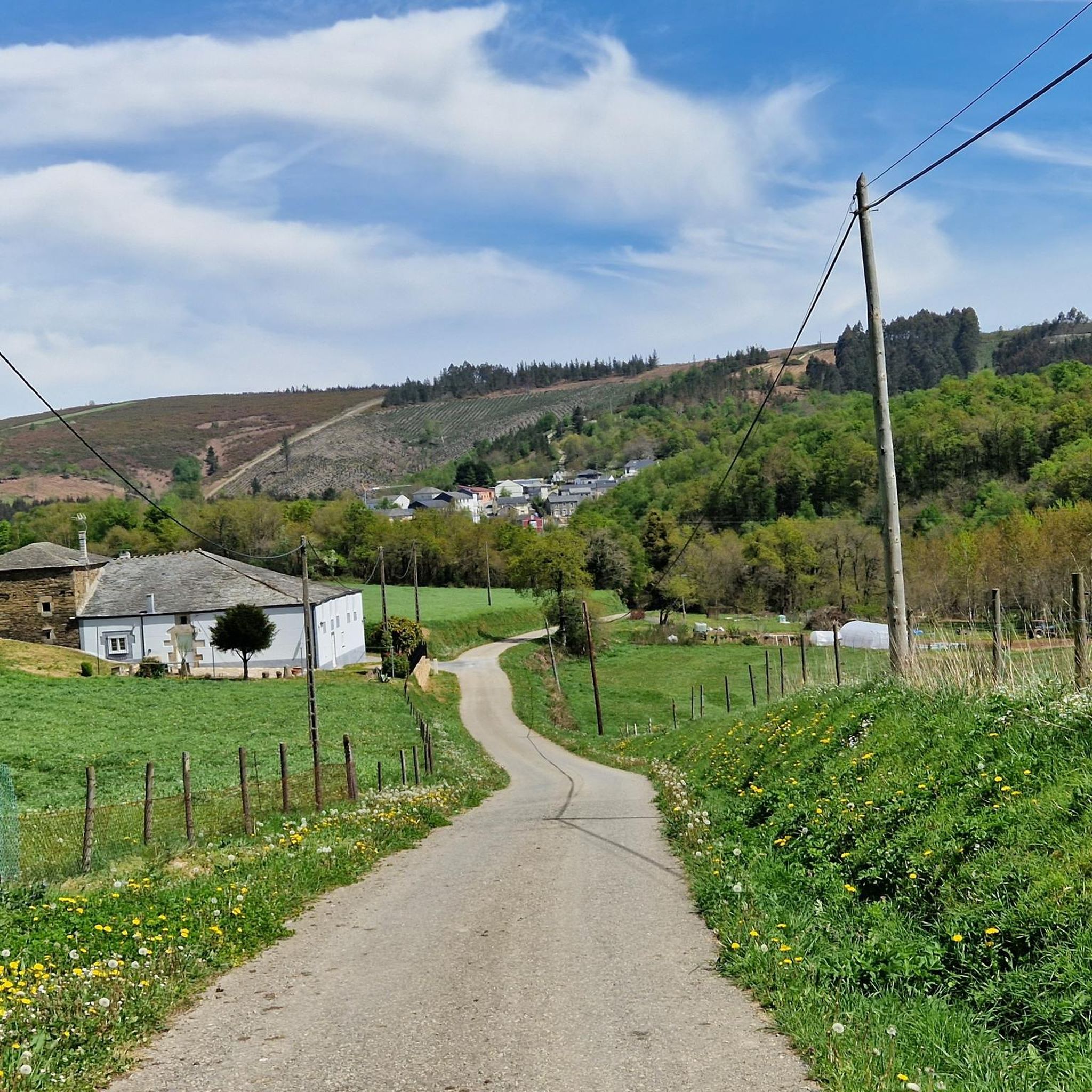
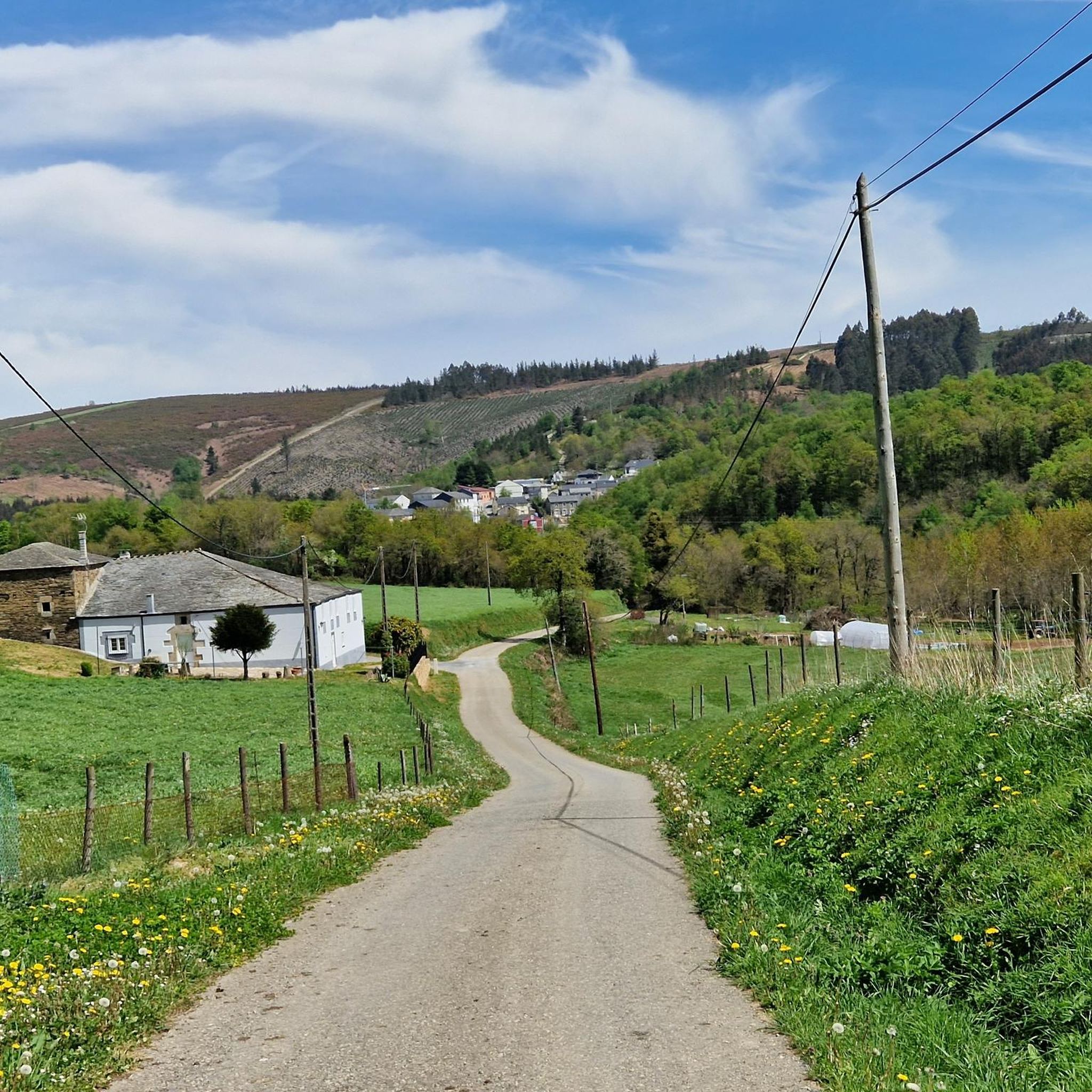
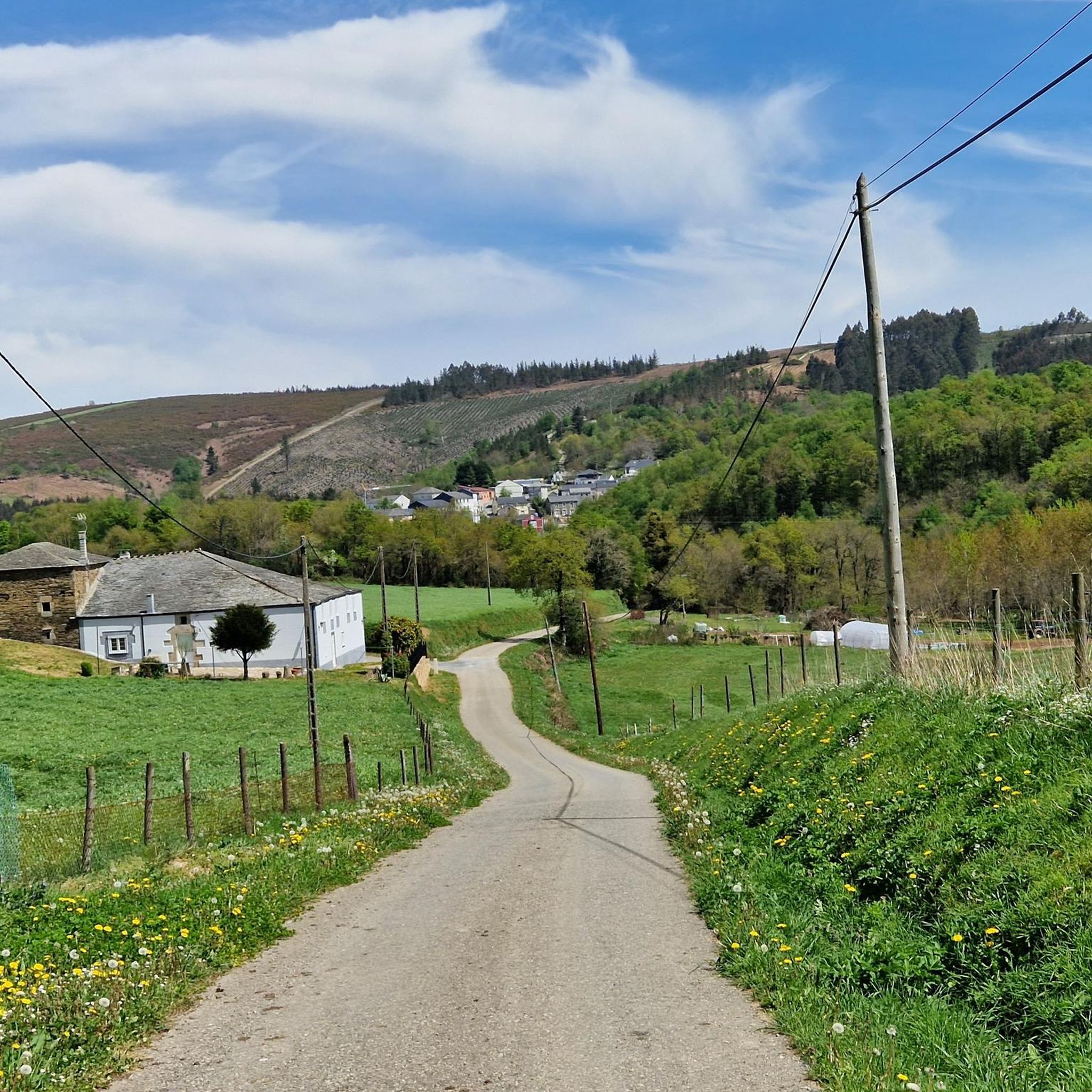
The Ermita del Carmen in Vilabade, Lugo, is a charming temple located on the Camino Primitivo. It is part of the parish of Santa María de Vilabade and is located on the slopes of the Castroverde valley, surrounded by meadows and forests of chestnut trees, oaks and pines. This church, restored in 1988, is known as the Castroverde Cathedral due to its imposing presence. A corner full of history and beauty! 😊
4
0
The so-called “Castroverde Cathedral” is actually the church of Santa María de Vilabade, a small parish three kilometers from Castroverde. It is located on the Primitive Way, although not all pilgrims pass through here, because there are two routes to complete the stage that goes from O Cádavo to Castroverde. However, it is worth choosing this route to visit this eclectic church.
4
0
Frequently Asked Questions
What historical landmarks can I explore in Baralla?
Baralla is rich in historical landmarks. You can visit the ancient Ancient Chestnut Tree in Ramil, an 800-year-old natural monument on the Camino de Santiago. Other notable sites include the Roman-origin Ponte de Covas and Ponte dos Mazos, both significant bridges over the Neira River. While private, the exteriors of Torre de Piñeira and Pazo de Aranza also offer a glimpse into the region's past.
Are there any religious sites worth visiting in the area?
Yes, Baralla features several significant religious sites. The Church of Saint Mary of Vilabade is a 15th-century church with Gothic, Baroque, and Neoclassical elements, declared an asset of cultural interest. You can also visit the Ermita del Carmen de Vilabade, which offers a pleasant area with picnic spots. Other churches include Iglesia de Covas (Romanesque with Baroque elements), Iglesia parroquial de San Martiño de Neira de Rei, Iglesia parroquial de San Miguel de Neira de Rei, and the 13th-century San Martiño de Bercelos.
What natural attractions can I find around Baralla?
The region around Baralla is characterized by the beautiful Neira River and its valleys, offering low mountain formations and diverse fauna. The Ancient Chestnut Tree in Ramil is a natural monument over 800 years old. You can also enjoy the Green Zone in Baralla, a dedicated green area by the Neira River with walking paths and recreational facilities, or the Sobrado de Picato Recreational Area, a wooded zone perfect for relaxation.
What is the significance of the Camino de Santiago in Baralla?
Baralla is closely linked to the Camino de Santiago, particularly the French Way. The Ancient Chestnut Tree in Ramil is an iconic stop for pilgrims. In Triacastela, you'll find the Pilgrim Monument, commemorating the tradition of pilgrims carrying lime stones to Santiago. The Camino de Santiago — fork at Triacastela offers pilgrims two main routes to Sarria: the historic San Xil Route and the longer Samos Route, which passes by the ancient Benedictine monastery.
Are there family-friendly activities or attractions in Baralla?
Yes, several attractions are suitable for families. The Ancient Chestnut Tree in Ramil and the Pilgrim Monument in Triacastela are both marked as family-friendly. The Ermita del Carmen de Vilabade also has picnic areas and shaded spots, making it a pleasant stop for families. The Green Zone in Baralla, with its sports tracks and walking paths along the Neira River, is also ideal for family recreation.
What kind of outdoor activities can I do near Baralla?
The Baralla region is excellent for outdoor activities, especially hiking and cycling. You can explore various trails, such as the 'Os Grobos Forest loop' or routes that incorporate the Ancient Chestnut Tree in Ramil. For more detailed information on routes, including difficulty and distance, you can check the dedicated guides for Hiking around Baralla, Cycling around Baralla, and Road Cycling Routes around Baralla.
Are there hiking trails suitable for different skill levels?
Yes, the hiking trails around Baralla cater to various skill levels. Many routes, like those in the Os Grobos Forest, are rated as 'moderate,' offering a good balance for most hikers. For specific details on trail lengths and difficulty, refer to the Hiking around Baralla guide.
What do visitors enjoy most about the attractions in Baralla?
Visitors particularly enjoy the historical significance and natural beauty of Baralla's attractions. The 800-year-old Ancient Chestnut Tree in Ramil is a popular spot for photos and a memorable stop on the Camino. The historical churches, like the Church of Saint Mary of Vilabade, are appreciated for their architecture and cultural value. The serene natural settings, such as the Neira River area and the picnic spots at Ermita del Carmen de Vilabade, are also highly valued for relaxation and enjoyment.
Can I find places to rest or have a picnic near the attractions?
Yes, several locations offer amenities for rest and picnics. The Ermita del Carmen de Vilabade is known for its pleasant area with picnic tables, shaded spots, and even a fountain. The Green Zone in Baralla, located by the Neira River, also provides tables, benches, and barbecues for public use. Additionally, the Sobrado de Picato Recreational Area offers a wooded zone with shade, tables, and benches.
What are the options for cycling around Baralla?
Baralla offers diverse cycling opportunities, including touring and road cycling. You can find challenging routes like the 'Ponte de Neira – O Furco Road – Becerreá loop' for road cyclists or longer touring routes such as the 'Traditional house – Alto do Poio loop.' For detailed routes, distances, and difficulty levels, consult the Cycling around Baralla and Road Cycling Routes around Baralla guides.
Are there any hidden gems or less-known spots to discover?
Beyond the main highlights, consider exploring the lesser-known historical bridges like Ponte de Covas and Ponte dos Mazos, which are significant local landmarks. The various parish churches, such as Iglesia parroquial de San Martiño de Neira de Rei or San Martiño de Bercelos, also offer quiet insights into the region's heritage away from more frequented sites. The Sobrado de Picato Recreational Area provides a peaceful, wooded retreat.
What is the best time of year to visit Baralla's attractions?
Baralla's natural beauty and outdoor attractions can be enjoyed throughout much of the year. Spring and autumn offer pleasant temperatures for hiking and exploring the historical sites without the intense heat of summer. The lush landscapes around the Neira River are particularly vibrant during these seasons. While specific winter activities are not highlighted, the region's charm persists, especially for those interested in a quieter experience.

Get inspired with the komoot mobile app


Explore more
Still not found the Highlight you’re looking for? See guides of the top attractions in other regions:
