Attractions and Places To See around Torremocha Del Campo - Top 20
Best attractions and places to see around Torremocha Del Campo are found in the Serranía de Guadalajara, Spain, offering a mix of natural beauty and historical heritage. The area is partly within the Parque Natural del Río Dulce, featuring the picturesque Embalse de La Tajera and the Hoces del Río Dulce. This region provides diverse landscapes for outdoor activities and is part of the Ruta del Cid, connecting it to historical narratives. Visitors can explore a variety of natural features,…
Last updated: July 7, 2026
Sigüenza Cathedral
Highlight • Religious Site
Inside, the sepulcher and Chapel of …
Translated by Google •
Tip by

Sigüenza Castle
Highlight • Castle
Translated by Google •
Tip by
Sign up now to discover places like this
Get recommendations on the best single tracks, peaks, & plenty of other exciting outdoor places.
Sign up for free
Gollorio Waterfall
Highlight • Waterfall
Translated by Google •
Tip by

Pelegrina Castle
Highlight • Castle
Translated by Google •
Tip by
Hermitage of the Humilladero
Highlight • Religious Site
Translated by Google •
Tip by
Sign up for free to discover even more attractions around Torremocha Del Campo.
Sign up for free
Already have an account?
Start today with a free account
Your next adventure awaits.
Login or Signup
Tips from the Community

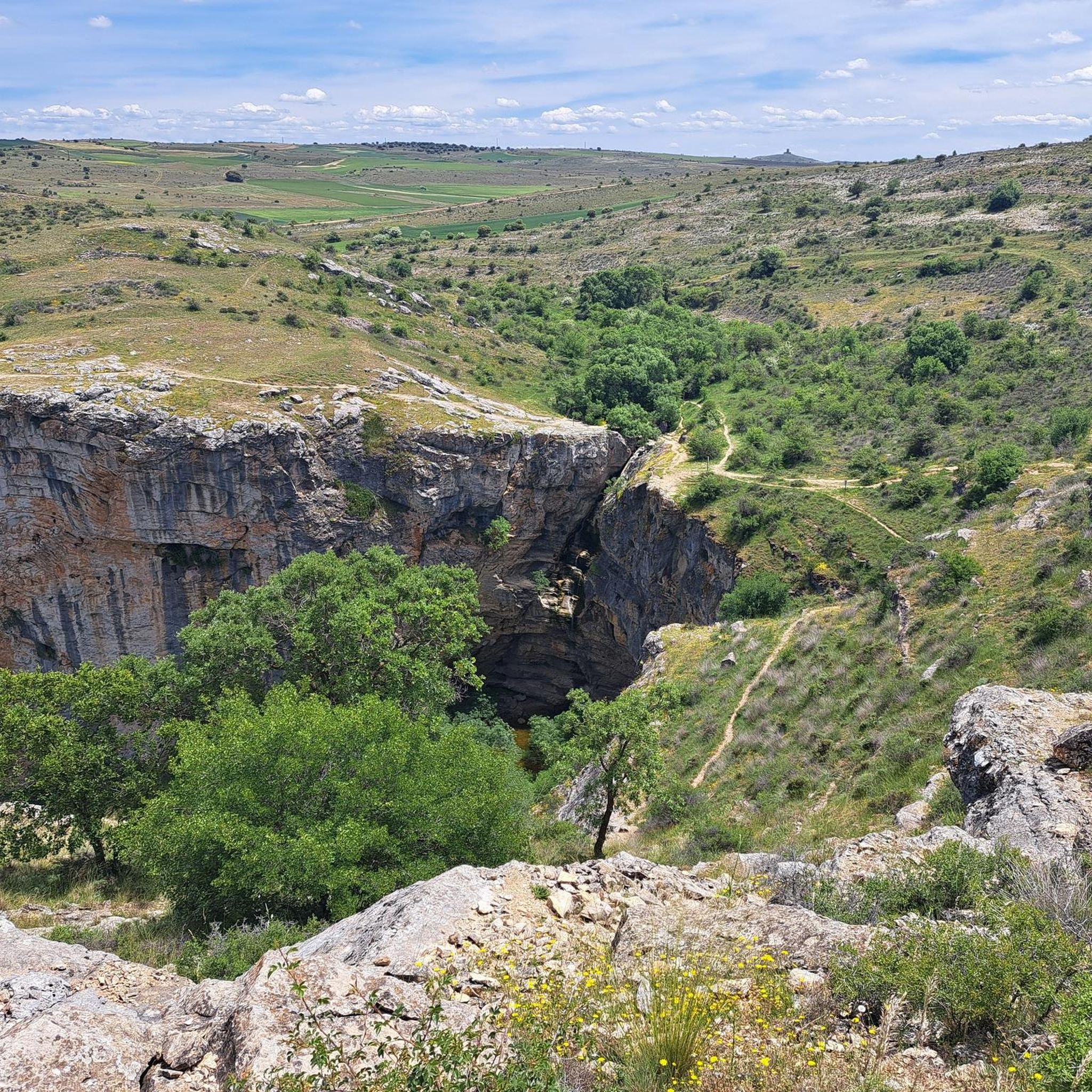
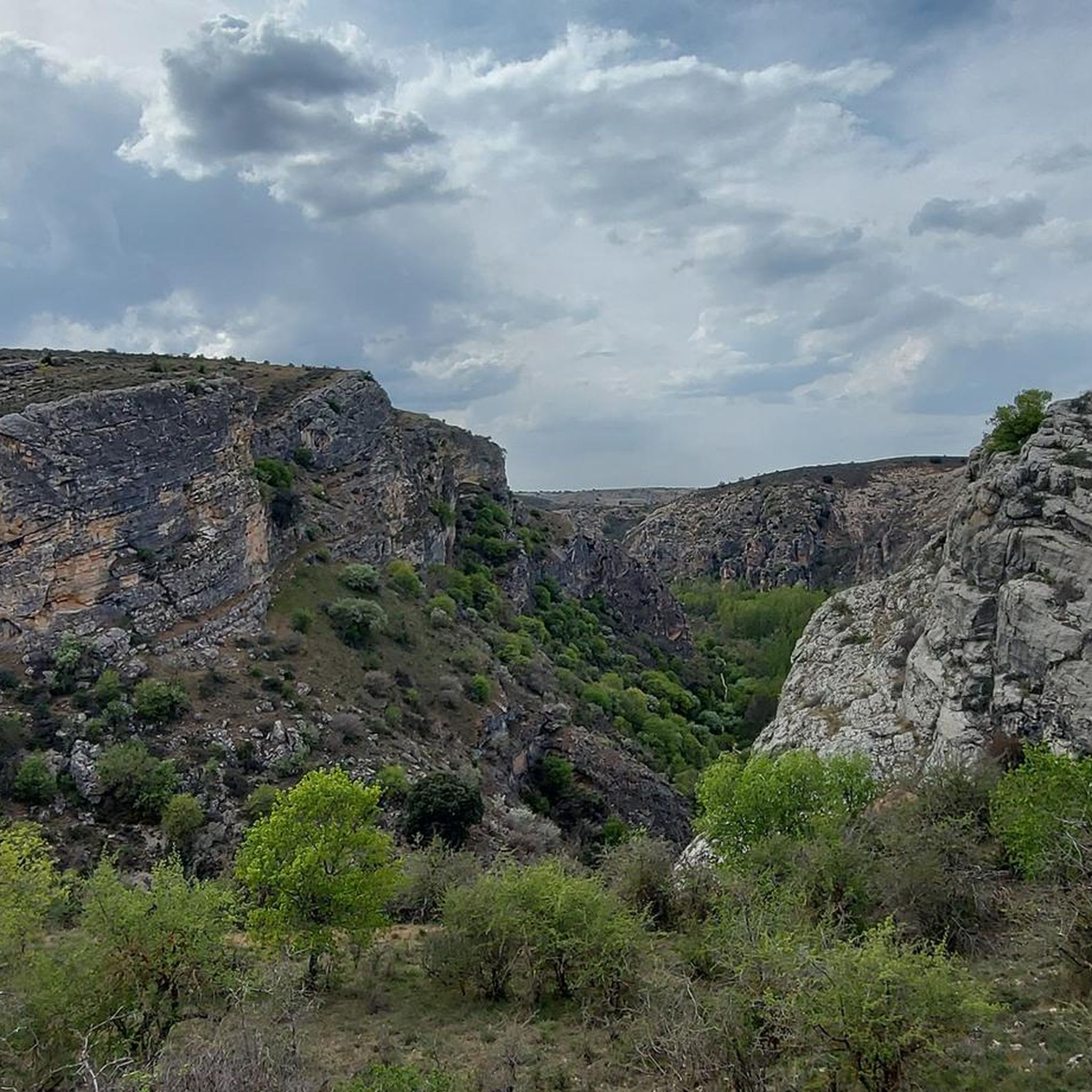
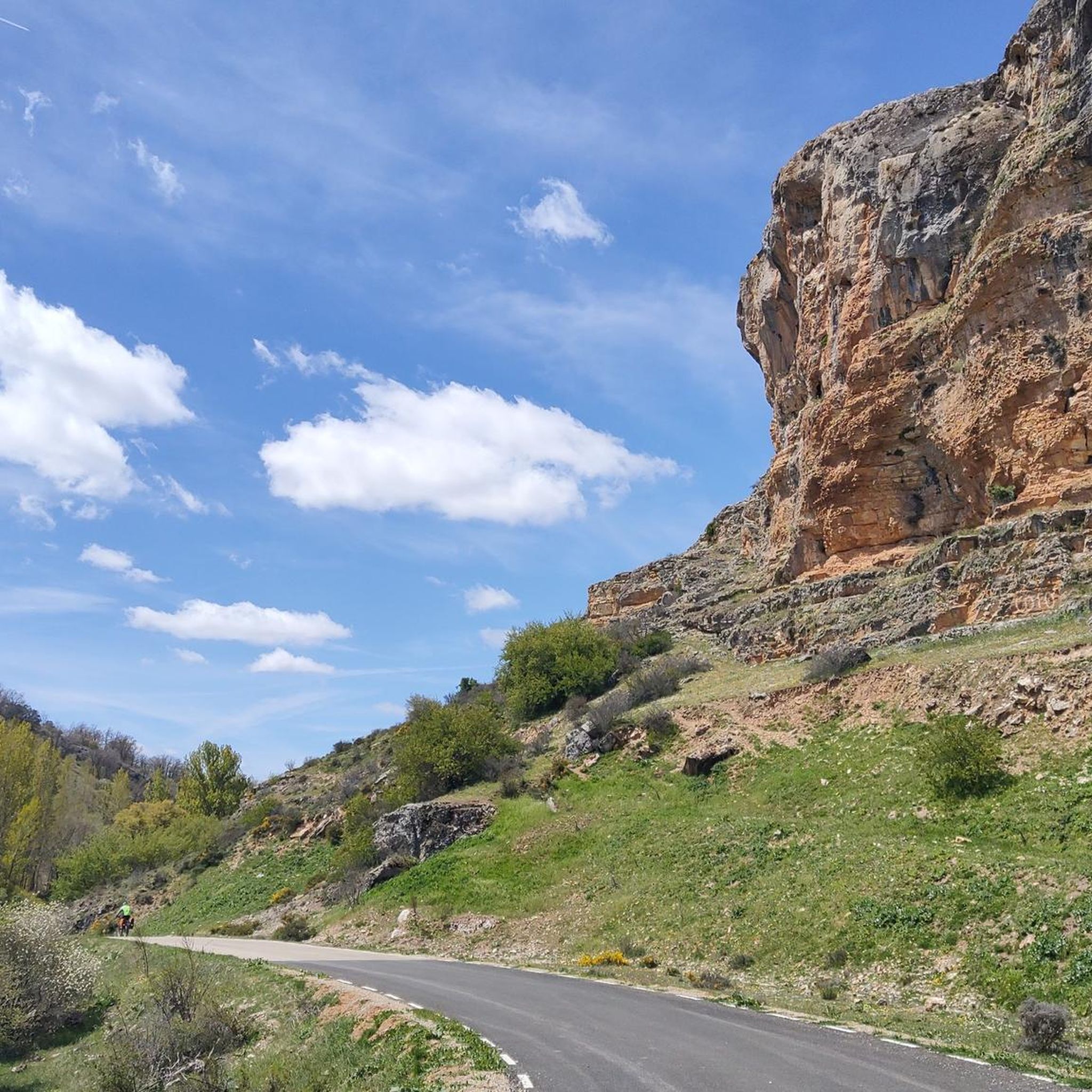
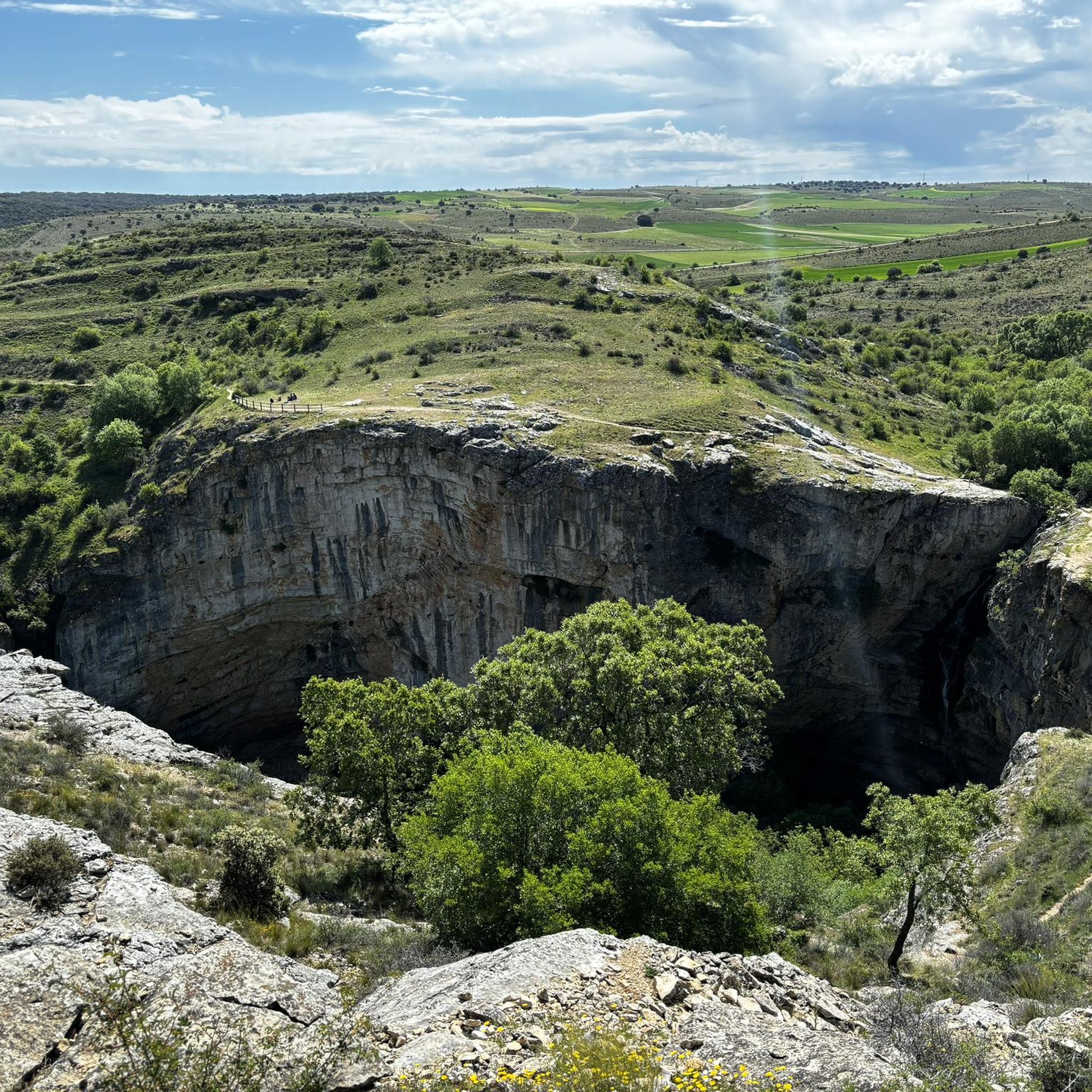
Despite its steep and difficult access, Gollorio Waterfall is a popular spot for hikers. The trail leading to it offers spectacular views and is part of the Gollorio Waterfall Route. In long sections, the trail runs close to the ravine without any lateral protection, so caution is advised.
2
0

Despite its steep and difficult access, the Gollorio Waterfall is a popular spot for hiking enthusiasts. The trail leading up to it offers spectacular views and is part of the Gollorio Waterfall Route. During long stretches, the trail runs close to the ravine without lateral protection, so caution is advised.
1
0
This majestic Cathedral, origin and foundation of the greatness of Sigüenza, is a living museum of art: Romanesque, Cistercian, Gothic, Renaissance, Plateresque, Baroque, Neoclassical... Inside, the sepulcher and Chapel of his Maiden stand out, a beautiful semi-recumbent alabaster sculpture. Work on this cathedral began in the 12th century, in the year 1124, at the request of the first bishop and lord of Sigüenza, after the Reconquest, D. Bernardo de Agén. The works continued through the Late Middle Ages, the building being completed in the 15th century and, then proceeding to the erection of other dependencies (sacristies, ambulatory, etc.) and all the ornamentation, altars, etc.
8
0

On the curve of the Dulce river are the ruins of the castle of Pelegrina. Incredible viewpoint of the town and what makes the Barranco del Río Dulce Natural Park a unique landscape to visit.
1
0
What was originally an Arab citadel, an extension of a small Visigothic castle and a Roman fort, is located at the top of Sigüenza. Construction began in the year 1123 to serve as a palace-fortress and residence of the bishops who were lords of the city for seven centuries. It has a beautiful chapel and a cell where some say that Doña Blanca de Borbón lived, until the moment of her exile, wife repudiated by Pedro I the Cruel.
11
0

Fortress located in the Spanish municipality of Sigüenza, erected in the first quarter of the 12th century on another previous Muslim one from the beginning of the 8th century.
1
0
Spanish fortification built in ashlar stone between the 12th and 13th centuries in the town of Pelegrina. It is a rocky castle built on a hill that dominates the valley of the Río Dulce.
2
0
Frequently Asked Questions
What historical landmarks can I explore around Torremocha del Campo?
The region is rich in history. You can visit the impressive Sigüenza Cathedral, a living museum of art showcasing various architectural styles from the 12th century onwards. Another significant site is Sigüenza Castle, an ancient fortress that served as a palace-fortress for bishops. Don't miss the ruins of Pelegrina Castle, offering spectacular views of the Río Dulce valley. Within Torremocha del Campo itself, the Iglesia Parroquial de San Miguel Arcángel and the Ermita de Santa Ana are notable, along with the 12th-century Castillo de La Torresaviñán in La Torresaviñán.
What natural attractions are there to see near Torremocha del Campo?
Nature lovers will enjoy the area's diverse landscapes. The region is partly within the Parque Natural del Río Dulce, where you can find the picturesque Embalse de La Tajera (La Tajera Reservoir) and the stunning Hoces del Río Dulce (Dulce River Gorges). A must-see is the Gollorio Waterfall, a 50-meter high natural monument best viewed from autumn to spring. The Mirador de Félix Rodríguez de la Fuente offers impressive panoramic views of the gorges, and the Cascada de Pelegrina is another beautiful waterfall nearby.
Are there good hiking opportunities around Torremocha del Campo?
Yes, the natural surroundings are perfect for various hiking routes. The Parque Natural del Río Dulce offers numerous trails, including those around the Embalse de La Tajera and the Hoces del Río Dulce. You can find detailed hiking routes, including the 'Hoz de Pelegrina and Gollorio Waterfall Trail' and loops from Castillo de Pelegrina, on the Hiking around Torremocha Del Campo guide.
What cycling routes are available in the area?
The region provides excellent opportunities for cycling. You can explore routes like 'Palazuelos from Sigüenza — circular by the Castles' or 'Castillo de Guijosa from Sigüenza — circular through the Parque Natural del Barranco del Río Dulce'. For more options, including routes around the Río Dulce Natural Park, check the Cycling around Torremocha Del Campo guide.
Are there any family-friendly attractions or activities?
Many historical sites like Sigüenza Cathedral and Sigüenza Castle are suitable for families to explore. The natural parks and waterfalls also offer engaging outdoor experiences for all ages, with various hiking trails that can be adapted for different fitness levels. The general appeal of exploring castles and natural wonders makes the area family-friendly.
What is the best time of year to visit Torremocha del Campo for outdoor activities?
For outdoor activities like hiking and enjoying waterfalls, the best time to visit is typically from autumn to spring. During these seasons, rainfall ensures that natural features like the Gollorio Waterfall are at their most impressive. The weather is also generally milder and more comfortable for exploring the natural parks and historical sites.
Can I find mountain biking trails near Torremocha del Campo?
Yes, there are several mountain biking trails in the vicinity. Routes such as 'Peñascos de los Frailes – rodeo al embalse de la Tajera desde El Sotillo' and 'Barranco del Río Dulce – Riverside Rest Area loop from Torremocha del Campo' offer challenging and moderate options. You can find more details on these and other MTB routes in the MTB Trails around Torremocha Del Campo guide.
Are there any cultural or archaeological sites in the area?
Beyond the historical buildings, Torremocha del Campo is part of the Ruta del Cid, a historical-literary itinerary. For archaeology enthusiasts, the Celtiberian Incineration Necropolises in Renales and La Cabezada (Torresaviñán), dating from the 2nd Iron Age, are significant. Artifacts from these sites are exhibited at the National Archaeological Museum.
What are some unique or 'hidden gem' attractions in the region?
Beyond the main highlights, consider exploring the Roman Fountains and the Renaissance church in Fuensaviñán, which features a Gothic vault and a unique sepulchre. The church in Laranueva preserves a Romanesque portal and baptismal font, offering a glimpse into earlier architectural styles. These smaller, less-frequented sites provide a deeper connection to the region's heritage.
What kind of views can I expect from viewpoints in the area?
The region offers spectacular panoramic views, especially from locations like the Mirador de Félix Rodríguez de la Fuente, which overlooks the Hoces del Río Dulce. The ruins of Pelegrina Castle also provide breathtaking vistas of the Río Dulce valley. Additionally, the Ronda del Castillo de Sigüenza offers unique perspectives of Sigüenza's castle and its ancient walls.
Is it possible to spot wildlife in the natural areas?
Yes, the Parque Natural del Río Dulce is known for its diverse wildlife, particularly raptors. Birdwatchers can often spot vultures and eagles soaring above the Hoces del Río Dulce, making it an excellent location for nature observation.
Are there any dog-friendly trails or attractions?
Many of the natural trails within the Parque Natural del Río Dulce are suitable for walks with dogs, allowing you to explore the scenic landscapes together. It's always advisable to keep dogs on a leash and respect local regulations regarding protected areas.
Most popular routes around Torremocha Del Campo
Most popular attractions around Torremocha Del Campo

Get inspired with the komoot mobile app


Explore more
Still not found the Highlight you’re looking for? See guides of the top attractions in other regions:
