Attractions and Places To See around Maldà - Top 20
Best attractions and places to see around Maldà include historical sites, religious buildings, and natural features in the Catalan region. This area offers a blend of cultural heritage and scenic landscapes. Visitors can explore ancient monasteries, sanctuaries, and castles, alongside unique natural points of interest. The region provides diverse opportunities for exploration, from historical monuments to scenic viewpoints.
Best attractions and places to see around Maldà
- The most popular attractions is Monastery of Santa María de Vallbona, a religious…
Last updated: June 22, 2026
Monastery of Santa María de Vallbona
Highlight • Religious Site
Translated by Google •
Tip by

Santuario del Tallat
Highlight • Religious Site
Translated by Google •
Tip by

Sign up now to discover places like this
Get recommendations on the best single tracks, peaks, & plenty of other exciting outdoor places.
Sign up for free
Salt del Duran Waterfall
Highlight • Waterfall
For years it …
Translated by Google •
Tip by
Church of Sant Martí de Maldà
Highlight • Religious Site
Translated by Google •
Tip by
Arbeca Castle
Highlight • Castle
Translated by Google •
Tip by
Sign up for free to discover even more attractions around Maldà.
Sign up for free
Already have an account?
Start today with a free account
Your next adventure awaits.
Login or Signup
Tips from the Community

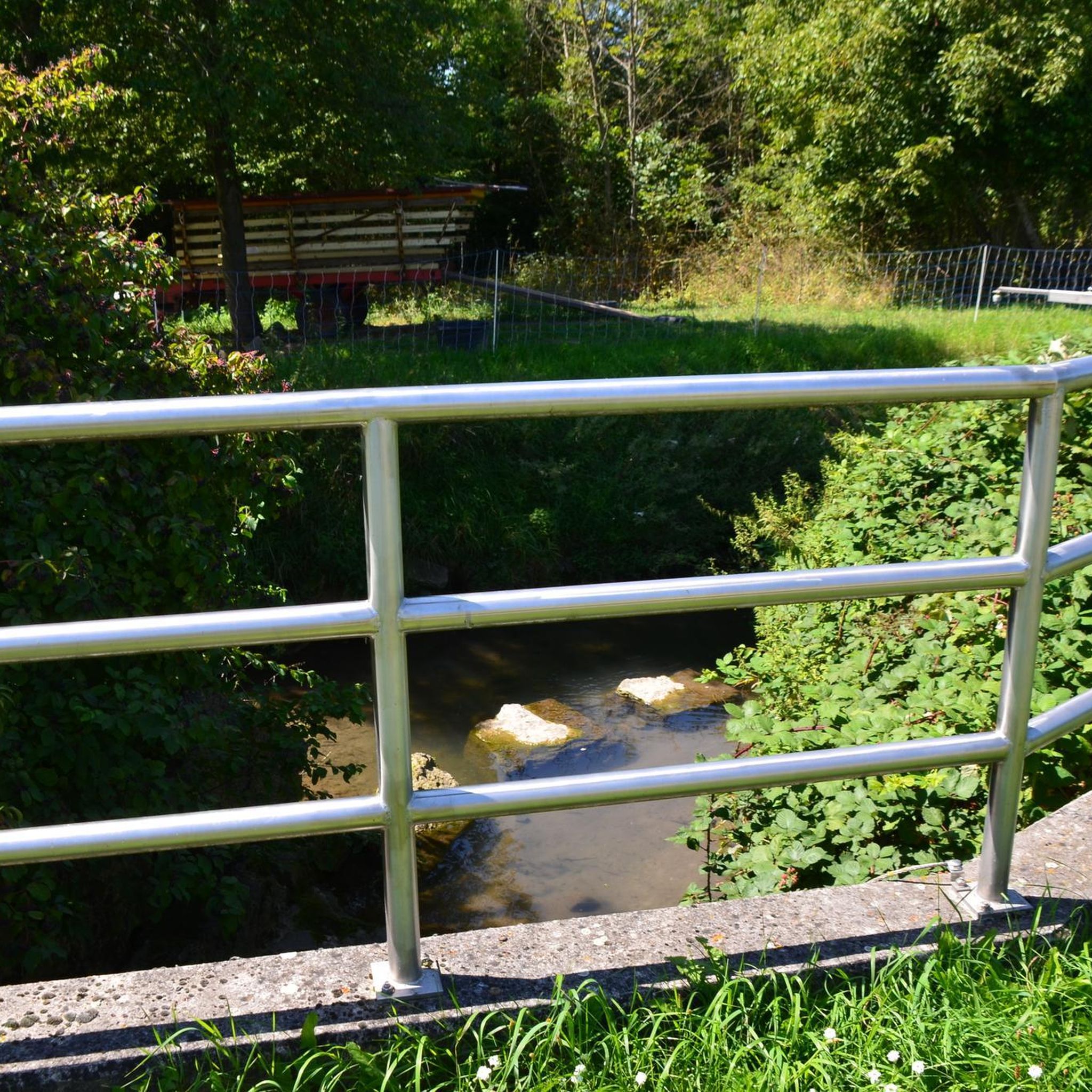
In the third ditch of the Canal d'Urgell there is this jump which serves to generate a difference in height and force the water. The Canal d'Urgell gives life to the region and has transformed the current landscape.
0
0


Beautiful medieval monastery from the Cistercian era, still inhabited by nuns.
0
0

The monastery of Santa María de Vallbona is a female Cistercian abbey founded in the 11th century and built in a mixture of Romanesque and Gothic styles. Together with the Poblet and Santes Creus monasteries, it forms the Cistercian Route.
0
0

The Tallat sanctuary appears in records as early as the 11th century, where a defense tower was located that took advantage of the magnificent views over the l'Urgell, Sagarra and Conca de Barberà regions. In the middle of the 14th century, a church was established as a result of the popular initiative of the residents of Rocallaura, and in 1475 it is said that a wooden carving of a Virgin Mary appeared to a shepherd. Legend has it that despite repeated attempts to move the carving, it returned to the place where the sanctuary is now, so they decided to leave it here. Then began a period of splendor for the sanctuary, with numerous reforms during the 15th and 16th centuries, some promoted by Fernando el Católico himself, who is said to have spent the night with Queen Isabella la Católica in 1493. By order of the king, it became in the priory of nearby Poblet, and a group of monks from the Cistercian order settled there. With the confiscation of Mendizabal in the first half of the 19th century, the monks abandoned the priory, and after the subsequent looting and destruction of the enclosure, the sanctuary remained abandoned until 1970 when a private association acquired the remains and took charge of their restoration and custody.
1
0
The monastery of Santa María de Vallbona is the most important female Cistercian monastery in Catalonia. It has maintained its monastic activity uninterruptedly for more than 800 years. Its beginnings, at the beginning of the 12th century, were as a mixed group of hermits who followed the Rule of Sant Benet, later converted into monastics, under the pastoral staff of its founder, Ramón de Vallbona. In 1175 the monks moved to Montsant, leaving the female monastic community in Vallbona, which joined the Cistercian order. The monastery is made up of the temple, presided over by the Mare de Déu del cor, in the usual sober and slightly ornamented style of the order, and by the trapezoidal-shaped cloister, and the other dependencies (chapter house, the archive and the old pharmacy).
1
0

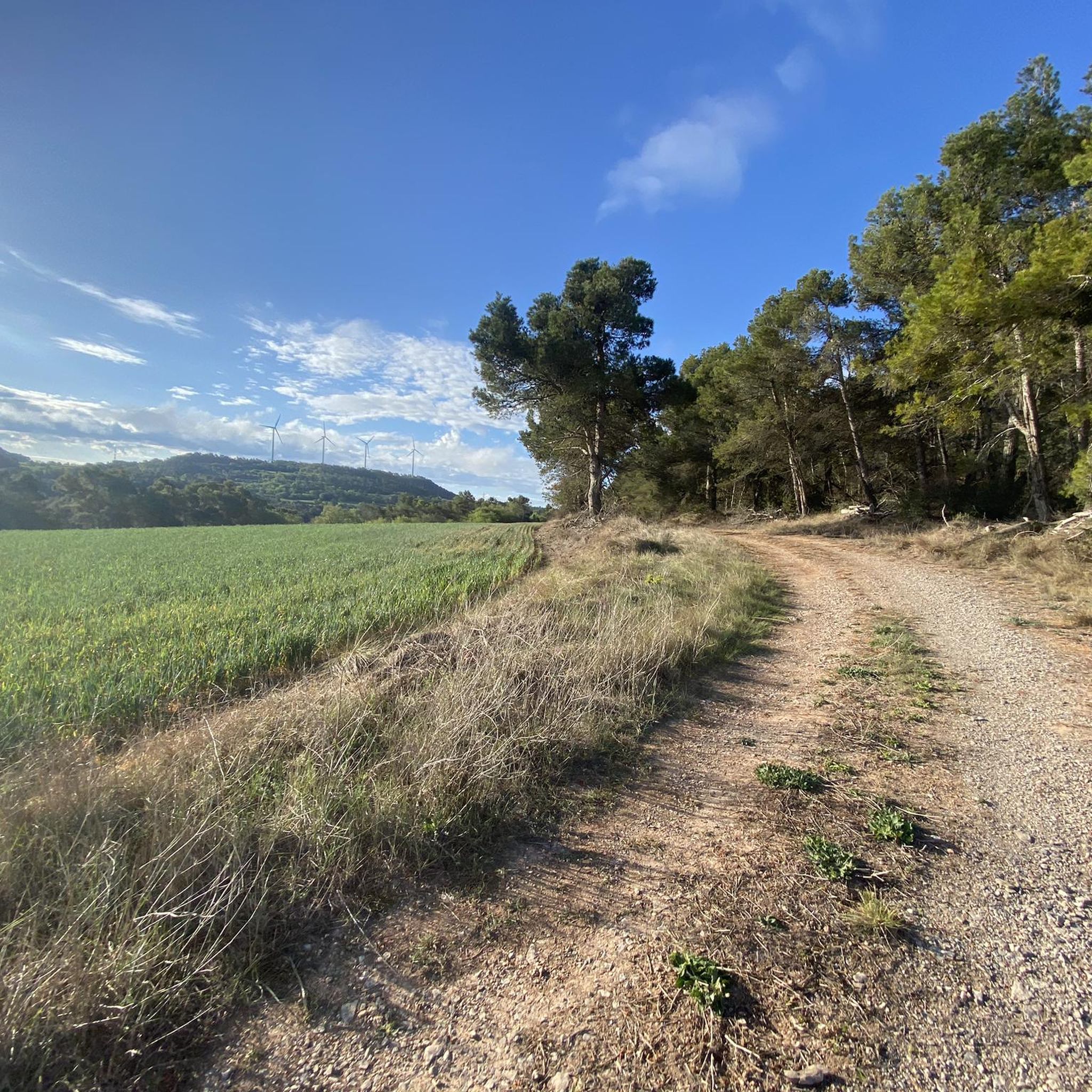
There are many fun trails in the area.
0
0
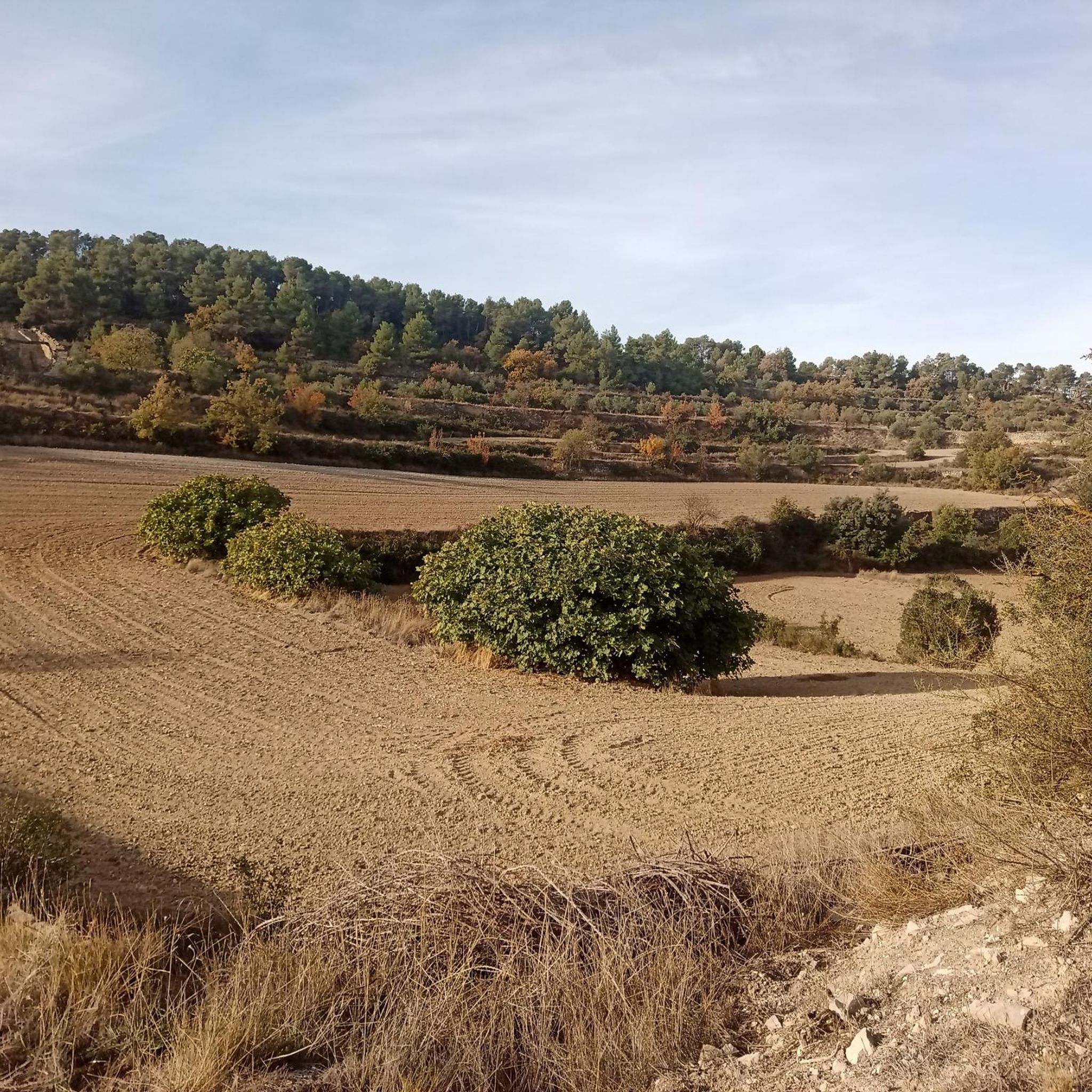
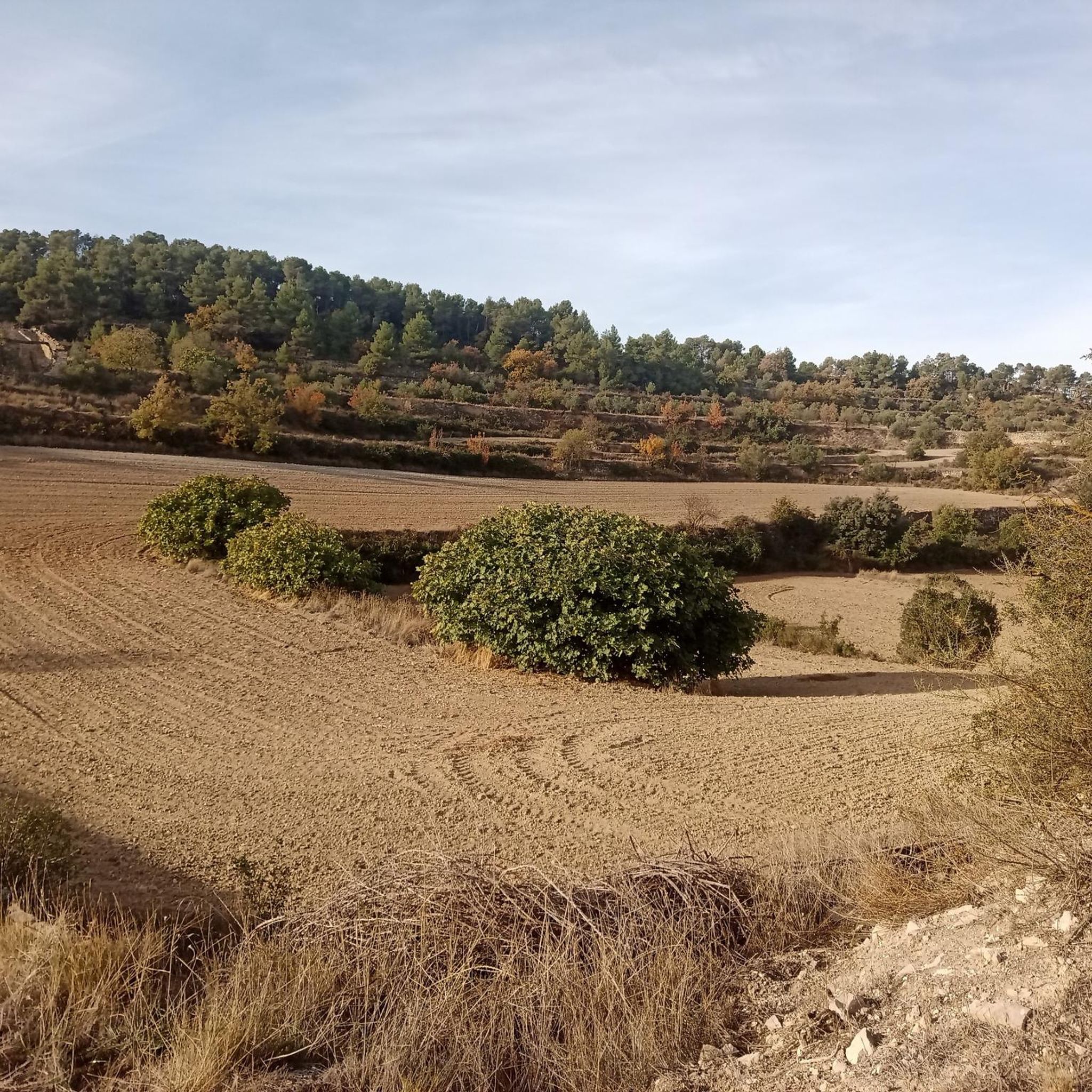
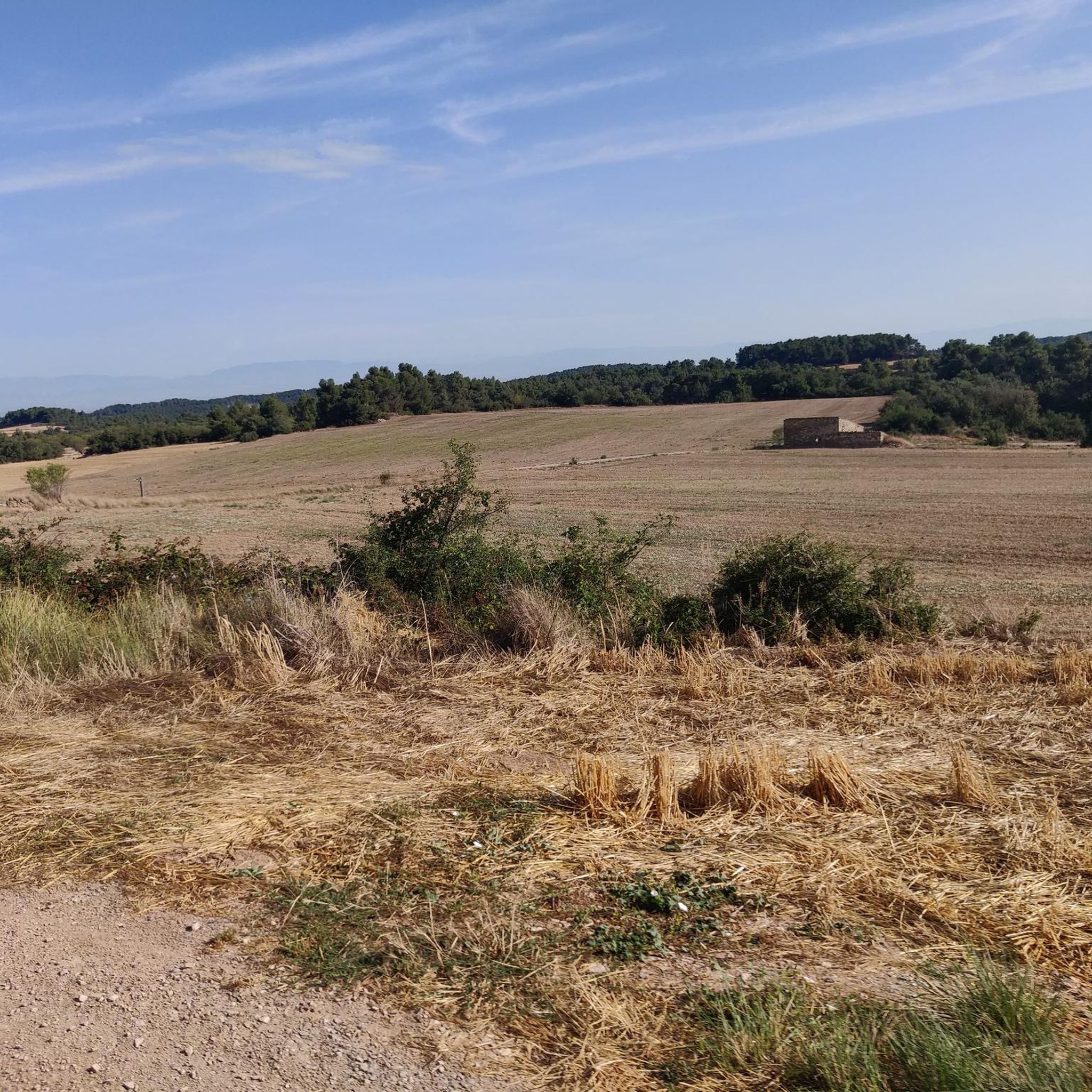
It is the beginning of the exit to go up to the dry land of La Segarra
0
0
Frequently Asked Questions
What historical and cultural sites can I explore around Maldà?
The region around Maldà is rich in history. You can visit the impressive Monastery of Santa María de Vallbona, a female Cistercian abbey with Romanesque and Gothic architecture, forming part of the Cistercian Route. Another significant site is the Santuario del Tallat, a 13th-century Gothic sanctuary offering panoramic views. Don't miss the Church of Sant Martí de Maldà, a Baroque-style church recognized as a Cultural Asset of National Interest, or the ancient Arbeca Castle, which has Roman, Goth, and Arab origins.
Are there any natural attractions or viewpoints near Maldà?
Yes, for natural beauty, the Salt del Duran Waterfall is a popular spot for hiking or biking. This 4.5-meter waterfall is found in the third drought of the Urgell channel. Additionally, the Santuario del Tallat, located on a 788-meter-high hill, provides magnificent views over the l'Urgell, Sagarra, and Conca de Barberà regions.
What kind of outdoor activities can I do around Maldà?
Maldà offers various outdoor activities. You can explore numerous hiking trails, with options like the moderate 'La Baronia de Maldà — Circular Route PR-C 57'. For cycling enthusiasts, there are many road cycling routes, including a challenging 'Guimerà Historic Village – Church of Sant Martí de Maldà loop from Maldà'. Mountain biking is also popular, with trails such as the 'Monasterio de Vallbona de les Monges y del Tallat — Circular por la ruta del Cister GR-175'. You can find more details on these activities in the dedicated guides for Hiking around Maldà, Road Cycling Routes around Maldà, and MTB Trails around Maldà.
Are there family-friendly attractions in the Maldà area?
Absolutely. The Monastery of Santa María de Vallbona is considered family-friendly, offering a cultural experience. The Salt del Duran Waterfall is also a great destination for families, perfect for a leisurely hike or bike ride.
Which attractions are wheelchair accessible around Maldà?
The Church of Sant Martí de Maldà is noted for its wheelchair accessibility, with wide and not very rocky paths leading to it, making it a suitable historical site for all visitors.
What is the Cistercian Route and where can I experience it near Maldà?
The Cistercian Route is a cultural itinerary connecting three important Cistercian monasteries. Near Maldà, you can experience it by visiting the Monastery of Santa María de Vallbona, which is a key part of this route, alongside the Poblet and Santes Creus monasteries. There are also MTB routes like the 'Monasterio de Vallbona de les Monges y del Tallat — Circular por la ruta del Cister GR-175' that follow parts of this historic path.
What do visitors enjoy most about the attractions around Maldà?
Visitors particularly appreciate the blend of historical significance and natural beauty. The serene atmosphere of places like the Monastery of Santa María de Vallbona and the scenic views from the Santuario del Tallat are frequently highlighted. The Salt del Duran Waterfall is also a local favorite for outdoor activities.
Are there any easy hiking trails suitable for beginners near Maldà?
Yes, for beginners or those looking for an easier stroll, there are options like the 'Hiking loop from Vallbona de les Monges', which is an easy 6.5 km route. You can find more easy and moderate trails in the Hiking around Maldà guide.
Where can I find historical information about Arbeca Castle?
The Arbeca Castle has a rich history, dating back to Roman times as a fortress, then serving as a Goth protection point, and later a powerful Arab bastion. Its name is believed to have mixed Roman and Arabic etymology, referring to its geographical situation as the 'territory of the beak' or 'tip of the hill'.
What is the significance of the Urgell channel in the Maldà region?
The Urgell channel plays a vital role in the region, providing life to the area and transforming its landscape. The Salt del Duran Waterfall, located in the third drought of this channel, historically harnessed its power to provide electricity to a large company in Mollerussa, which was a significant economic driver for the town.
Most popular attractions around Maldà

Get inspired with the komoot mobile app


Explore more
Still not found the Highlight you’re looking for? See guides of the top attractions in other regions:
