Attractions and Places To See around Santa Magdalena De Pulpis - Top 20
Best attractions and places to see around Santa Magdalena De Pulpis are found within a region characterized by its integration into the Sierra de Irta Natural Park. This area offers a blend of historical heritage, natural landscapes, and cultural points of interest. Visitors can explore ancient castles, religious buildings, and diverse ecosystems along the Mediterranean coastline. The town serves as a base for discovering both historical landmarks and natural features.
Best attractions and places to see around Santa Magdalena De…
Last updated: August 30, 2026
Pebret Path
Highlight (Segment) • Trail
Translated by Google •
Tip by

Peñíscola Castle
Highlight • Castle
Translated by Google •
Tip by

Sign up now to discover places like this
Get recommendations on the best single tracks, peaks, & plenty of other exciting outdoor places.
Sign up for free
Alcossebre Lighthouse (Faro de Alcossebre) – Cala Mundina
Highlight • Monument
Translated by Google •
Tip by
Hermitage of Saint Anthony
Highlight • Religious Site
comunitatvalenciana.com/es/castello-castellon/peniscola-peniscola/fiestas/romeria-a-sant-antoni
Translated by Google •
Tip by

Hermitage of Saint Lucy and Saint Benedict
Highlight • Religious Site
Translated by Google •
Tip by

Sign up for free to discover even more attractions around Santa Magdalena De Pulpis.
Sign up for free
Already have an account?
Start today with a free account
Your next adventure awaits.
Login or Signup
Popular around Santa Magdalena De Pulpis

Tips from the Community


The old town is located on an imposing rock that rises 64 m above the sea and is connected to the mainland by a strip of sand that used to be washed away by the waves during storms, temporarily turning the city into an island. The history of today's city goes back to around 1000 BC. The current old town was a castle at the time. The current castle was built by the Knights Templar between 1294 and 1307 on the ruins of a Moorish fortress. It was also the residence of the two popes Benedict XIII (Papa Luna) and Clement VIII. Source: Wikipedia
1
0


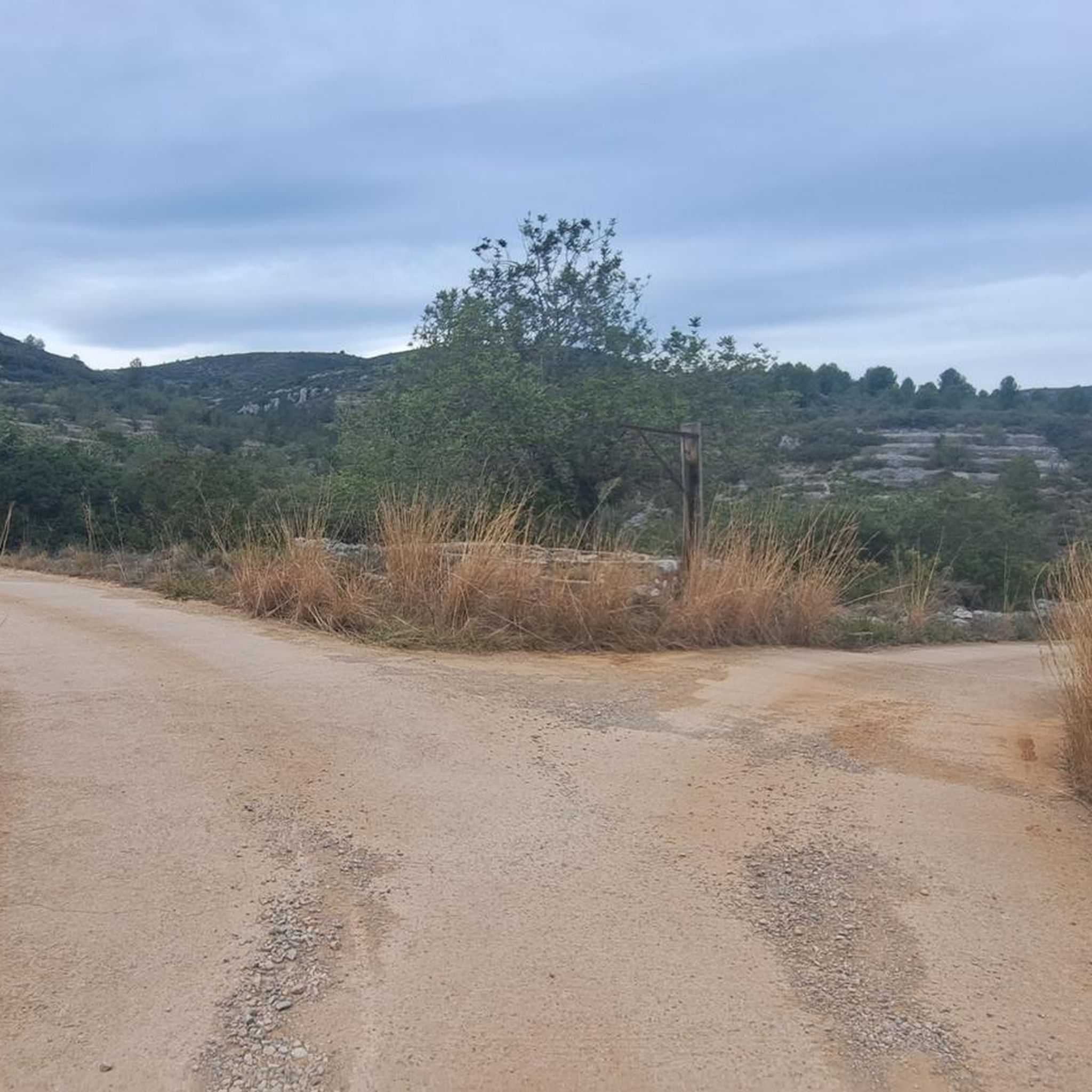
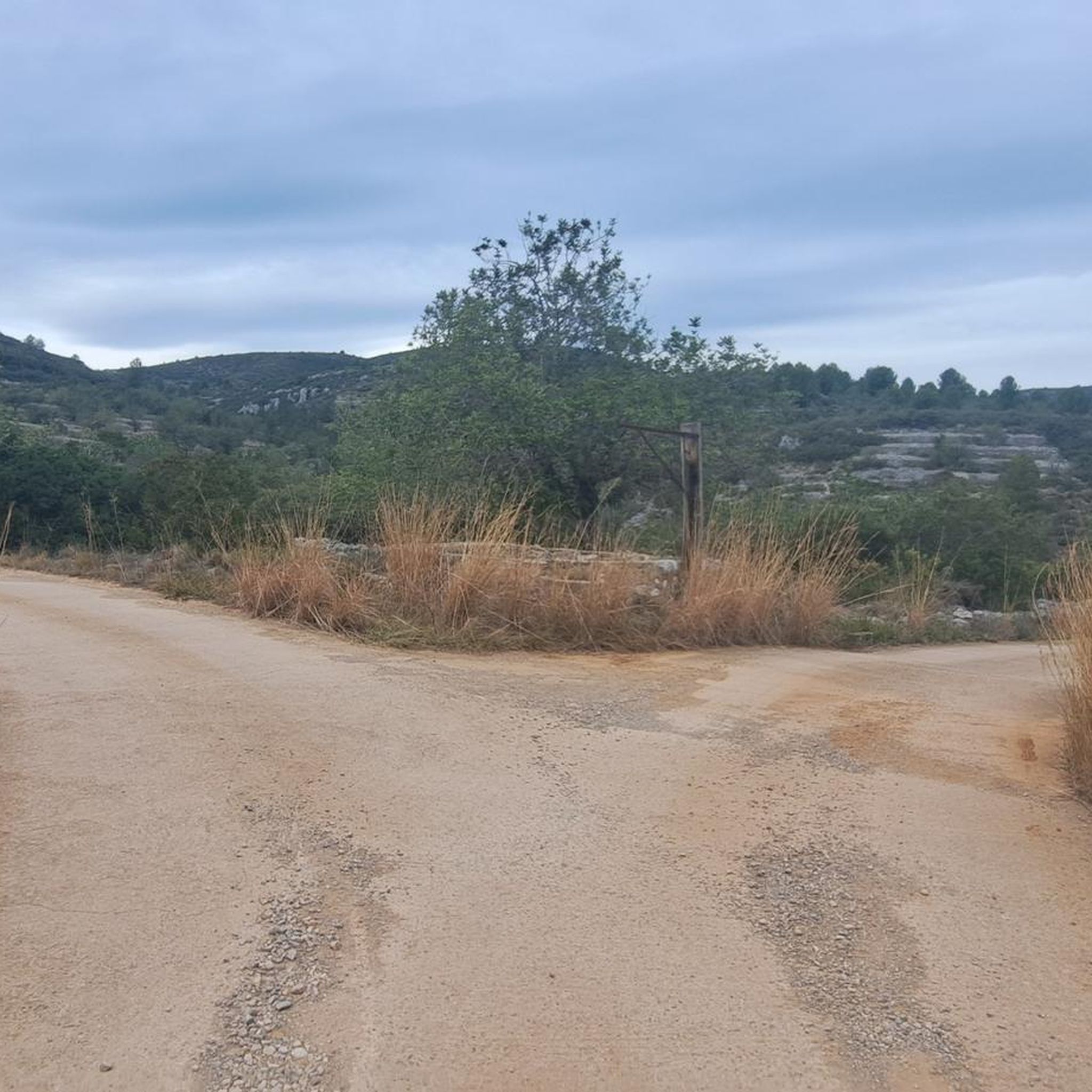
It is a MTB road, a gravel bike without suspensions and with saddlebags can end up broken
2
0

The building complex offers plenty of seating to relax and enjoy, plus the amazing view towards the sea!
0
0

A tour through the streets is worth it; you will always find surprising views of the sea.
1
0

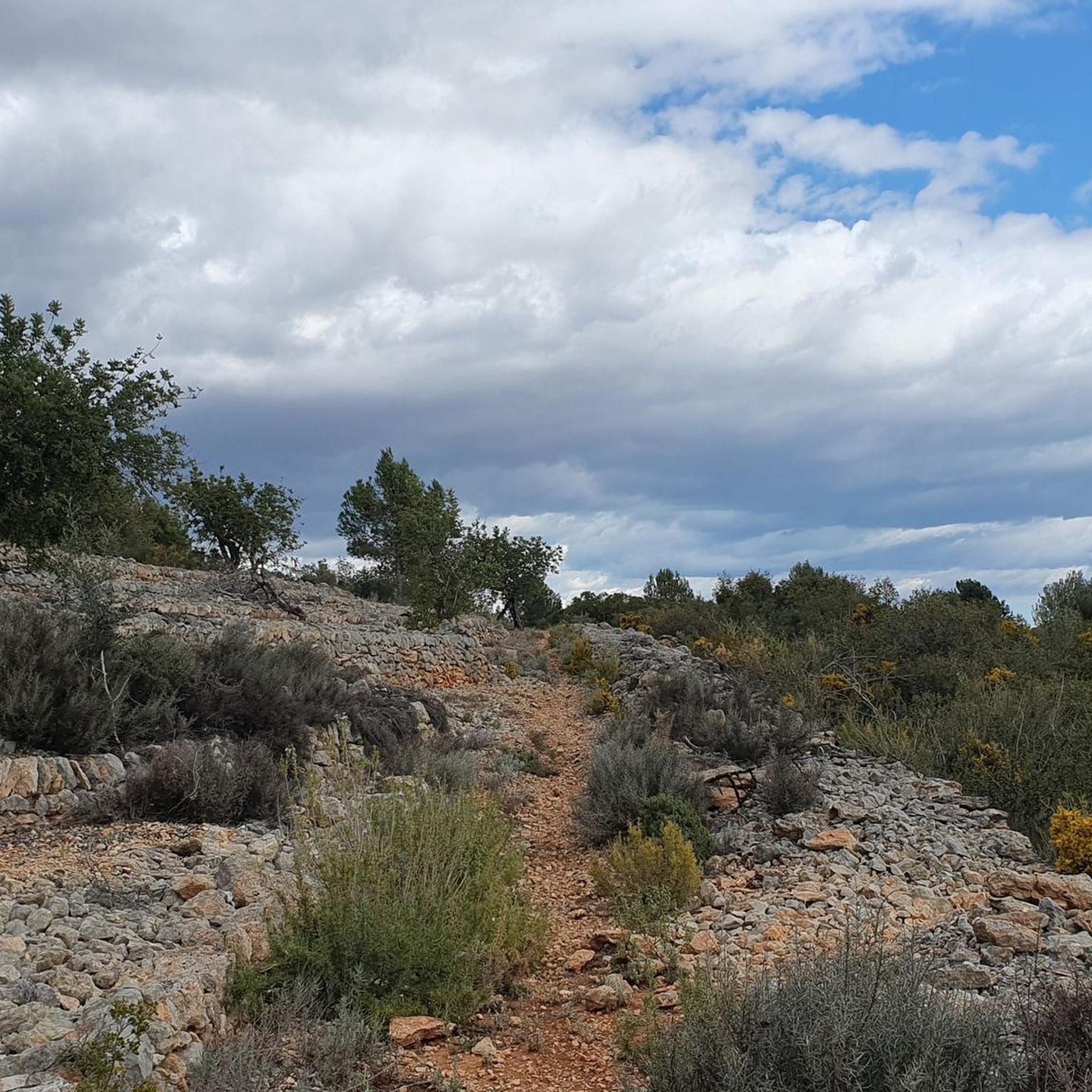
The steep 20% driveway is worth it for a short time😉. Here you can enjoy a 360° panoramic view. The peace and color nuances of the fields in their red, ocher and brown tones are wonderfully beautiful.
1
0

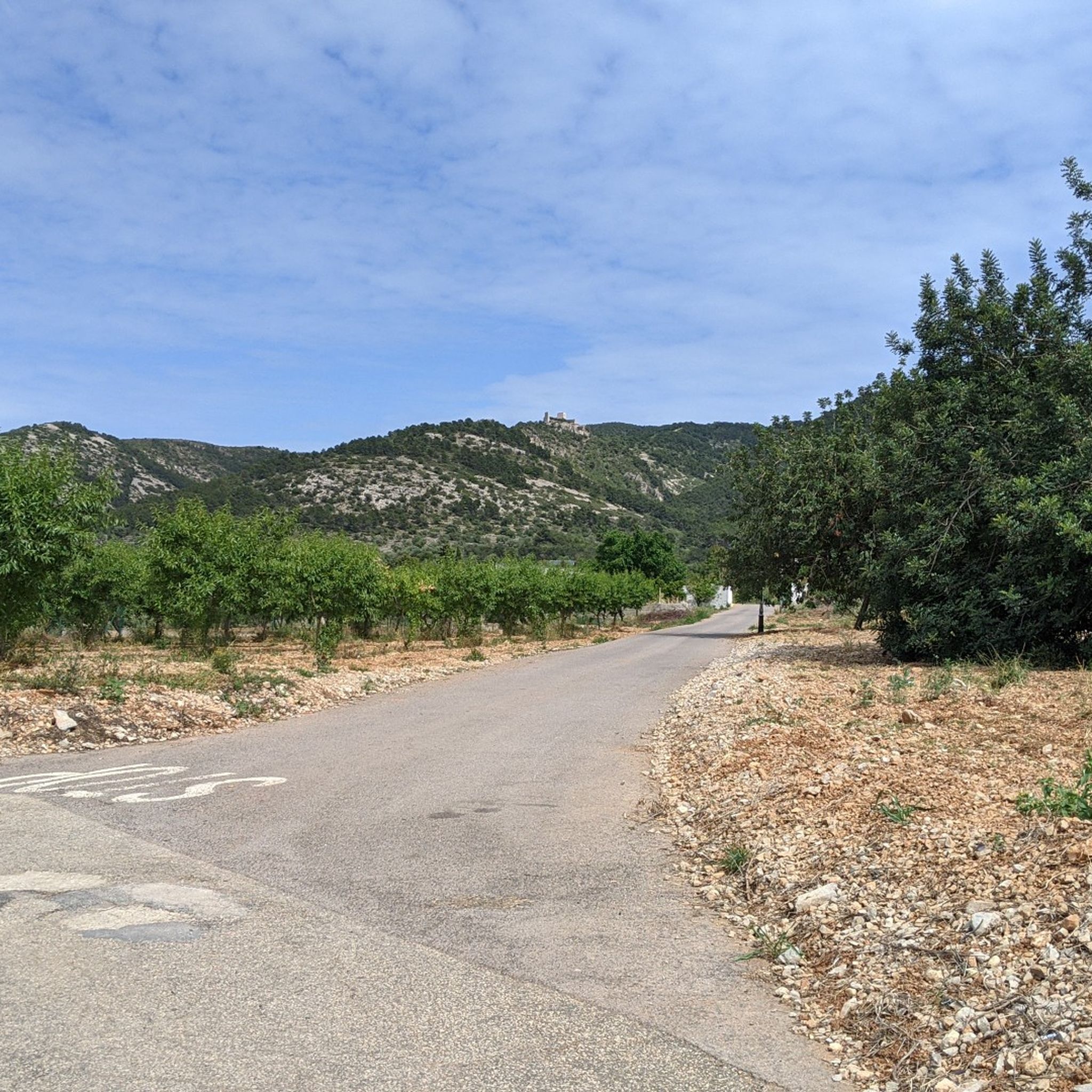
IRTA LIGHTHOUSE It is located in Mundina Bay in the Sierra de Irta Natural Park and was designed by Rita Lorite. This makes it, along with Nules, the only lighthouse in Spain designed entirely by women. It features an innovative design and its extreme white tone contrasts with the green tones of the area and the blue of the Mediterranean.
8
0
Frequently Asked Questions
What historical landmarks can I explore in Santa Magdalena De Pulpis?
The region is rich in history. You can visit the ancient Pulpis Castle (Castillo de Polpís), an Arab alcazaba modified by the Order of Calatrava and Knights Templar, offering panoramic views. The Parish Church of Santa María Magdalena, with its neoclassical design, also has roots dating back to 1330. Additionally, the 19th-century Telecommunications Tower (Torre de San Millán) provides splendid sunset views over the Maestrat region.
Are there any religious sites or hermitages worth visiting near Santa Magdalena De Pulpis?
Yes, several religious sites offer both historical interest and scenic views. The Hermitage of Saint Anthony, located in the Sierra de Irta, provides excellent panoramic views of the coast. Another notable site is the Hermitage of Saint Lucy and Saint Benedict on Mount San Benito, which boasts extensive views across the province of Castellón. You can also find the Ermita de San Vicente on a hill, offering scenic coastal vistas.
What natural features can I discover around Santa Magdalena De Pulpis?
Santa Magdalena De Pulpis is integrated into the beautiful Sierra de Irta Natural Park, one of Spain's last undeveloped Mediterranean coastlines. The park features diverse ecosystems, including pine forests, aromatic scrubland, and olive terraces. You can also find unique dry stone constructions, recognized by UNESCO, and ancient leaf-shaped petroglyphs near El Mas gorge.
What kind of outdoor activities can I do near these attractions?
The area is excellent for outdoor enthusiasts. You can find numerous hiking, cycling, and mountain biking routes. For hiking, explore trails like the 'Mallada de la Rabossa – Polpis Castle loop' or 'Polpis Castle – Alto de la Bota Summit loop'. Cyclists can enjoy routes such as 'Peñíscola Marsh – Ordí Cove loop'. Mountain bikers have options like 'View of Castell de Polpís – El Saltet Bridge loop'. You can find more details on these activities at the Hiking around Santa Magdalena De Pulpis, Cycling around Santa Magdalena De Pulpis, and MTB Trails around Santa Magdalena De Pulpis guide pages.
Are there any family-friendly attractions or activities in the area?
Many attractions are suitable for families. The Peñíscola Castle is a popular choice, offering a walk through narrow streets and panoramic views that children often enjoy. The Alcossebre Lighthouse (Faro de Alcossebre) – Cala Mundina is also considered family-friendly, with a picturesque promenade along the coast. The hermitages, such as the Hermitage of Saint Anthony and the Hermitage of Saint Lucy and Saint Benedict, are also accessible for families and offer great views.
Where can I find the best viewpoints around Santa Magdalena De Pulpis?
For stunning views, consider visiting the Pulpis Castle, which offers breathtaking panoramas of the surrounding mountains, coastline, and even Peñíscola. The Hermitage of Saint Anthony and the Hermitage of Saint Lucy and Saint Benedict are also renowned for their extensive coastal and provincial vistas. The 19th-century Telecommunications Tower (Torre de San Millán) is another excellent spot for sunset views.
What is the Pebret Path and what can I expect there?
The Pebret Path is a scenic trail, often described as a gravel track (S1) that runs along the coast between Cala Argilaga and Urbanization Font Nova. It offers spectacular views of the sea and cliffs. While vehicles can use it slowly, it's particularly ideal for cycling, though some sections might be challenging for bikes with trailers due to heavy gravel and stones.
Are there any ancient archaeological findings in the area?
Yes, archaeological findings confirm that Santa Magdalena de Pulpis has been inhabited since the Iberian era. Remains of small Iberian settlements have been found in the vicinity, indicating a long history of human presence in the region.
What kind of architecture can I see in Santa Magdalena De Pulpis?
Beyond the historical castle and church, the town features examples of Art Nouveau architecture. You can also observe traditional architecture, including a church dating back to the Reconquista period, reflecting the town's rich cultural heritage.
What do visitors enjoy most about the attractions around Santa Magdalena De Pulpis?
Visitors frequently praise the stunning panoramic views from sites like Peñíscola Castle and the various hermitages. The picturesque coastal paths, such as the promenade leading to the Alcossebre Lighthouse, are also highly appreciated for their beauty and accessibility. The blend of historical sites with the natural beauty of the Sierra de Irta Natural Park is a major draw.
When is the best time to visit Santa Magdalena De Pulpis for outdoor activities?
The Sierra de Irta Natural Park and surrounding areas are ideal for outdoor activities for much of the year. Spring and autumn generally offer pleasant temperatures for hiking and cycling. During summer, it's advisable to start activities early in the morning or late in the afternoon to avoid the midday heat, and always carry plenty of water, especially on trails with little shade.
Most popular routes around Santa Magdalena De Pulpis
Most popular attractions around Santa Magdalena De Pulpis

Get inspired with the komoot mobile app


Explore more
Still not found the Highlight you’re looking for? See guides of the top attractions in other regions:
