Attractions and Places To See around Villanueva De Gumiel - Top 15
Best attractions and places to see around Villanueva De Gumiel include historical landmarks, cultural sites, and natural features within the Ribera del Duero region. The village itself is situated on a gentle slope by the Bañuelos river, offering a blend of traditional architecture and historical depth. Visitors can explore ancient structures, local museums, and natural formations like menhirs and a Roman bridge. The area provides opportunities to discover the rich heritage and landscape of Burgos, Spain.
Best attractions and places…
Last updated: July 2, 2026
Aranda Bridge
Highlight • Bridge
It is a symbol of the city and its heritage, …
Translated by Google •
Tip by

Church of Santa María la Real of Aranda de Duero
Highlight • Religious Site
Translated by Google •
Tip by
Sign up now to discover places like this
Get recommendations on the best single tracks, peaks, & plenty of other exciting outdoor places.
Sign up for free
Aranda de Duero Street Art Murals
Highlight • Monument
Translated by Google •
Tip by
Church of San Andrés, Zazuar
Highlight • Religious Site
Translated by Google •
Tip by
Medieval Bridge of the Tanneries
Highlight • Bridge
Showing Translation
Tip by

Sign up for free to discover even more attractions around Villanueva De Gumiel.
Sign up for free
Already have an account?
Start today with a free account
Your next adventure awaits.
Login or Signup



Tips from the Community

Built of stone and with several semicircular arches, it is a good example of medieval civil engineering and has withstood the test of time thanks to its solidity, although it has been restored at different times. At one time it was key for the transit of workers and goods between neighborhoods, contributing to the economic growth of Aranda. Today it is preserved as a heritage element and is a pleasant place to walk, forming part of the city's historic complex and allowing visitors to learn about its industrial and medieval past along the river.
2
0
The medieval Puente de las Tenerías, located in Aranda de Duero over the Bañuelos river, is one of the most interesting historical corners of the city, although less known than the Duero bridge. It is a construction of medieval origin, linked to the urban and industrial development of the town, as it takes its name from the old tanneries (leather tanning workshops) that were in the area and that needed abundant water for their activity.
2
0
These large-format murals cover a wide variety of themes such as wine culture, the city's history, popular traditions, or social issues like equality and gender-based violence, combining contemporary art with local identity. Some outstanding works, such as Old to the new or Poseidón y Medusa, convey messages about the city's evolution or social denunciations, adding a reflective component to the tour. Overall, this initiative has transformed Aranda into a benchmark for urban art in the Ribera del Duero, offering a different kind of visit that can be done on foot while discovering lesser-known corners of the city.
2
0
The urban art murals of Aranda de Duero are one of the city's most curious cultural attractions, as they have turned its streets into an authentic open-air gallery. Since 2016, the so-called Mural Route has been developed, a tour with more than 20 works spread across different neighborhoods —especially in Santa Catalina— created by local, national, and international artists.
2
0
The bridge is built of stone and is characterized by its semicircular arches; it originally had four, although today it retains three due to later renovations. Over the centuries it has undergone numerous restorations, especially due to the floods of the Duero, one of the most important being the expansion and widening in the 19th century. In addition to its architectural value, it has been a strategic point for the passage of people, goods and herds, and today it is a symbol of the city and a very pleasant place to walk and enjoy the views of the river and Aranda de Duero. [iglesiaslocales.com], [edadesdelh...ogspot.com]
2
0
The Aranda de Duero Bridge, also known as Puente Mayor, is one of the city's most important historical elements, as it crosses the Duero River and has been key to its development. Although often called "Roman", it is actually a bridge of medieval origin, with references from the 12th-14th centuries, when it served as a fundamental crossing point on trade routes and the old Royal Road that connected the center and north of Spain.
2
0

The Church of Saint Andrew the Apostle in Zazuar is a large church built between the 16th and 19th centuries. Its interior combines Gothic and Renaissance styles and is notable for its altars with 15th-century Castilian panels, a Gothic monstrance, and a processional cross. The masonry and stone tower was completed in 1802.
4
0
The Church of Saint Andrew the Apostle in Zazuar was built between the 16th and 19th centuries. Its interior combines Gothic and Renaissance styles and is notable for its altars with 15th-century Castilian panels, a Gothic monstrance, and a processional cross. The masonry and stone tower was completed in 1802.
4
0
Frequently Asked Questions
What historical and cultural sites can I explore in Villanueva de Gumiel?
Villanueva de Gumiel is rich in history. You can visit the Church of San Mamés, a 17th-century parish church featuring a notable 16th-century altarpiece and baptismal font. Stroll through the Old Town (Casco Viejo) to admire traditional architecture, and see the historic Town Hall and the Plaza Fountain. Don't miss the Museo del Resinero, which tells the story of the local resin extraction industry.
Are there any natural features or ancient landmarks to see around Villanueva de Gumiel?
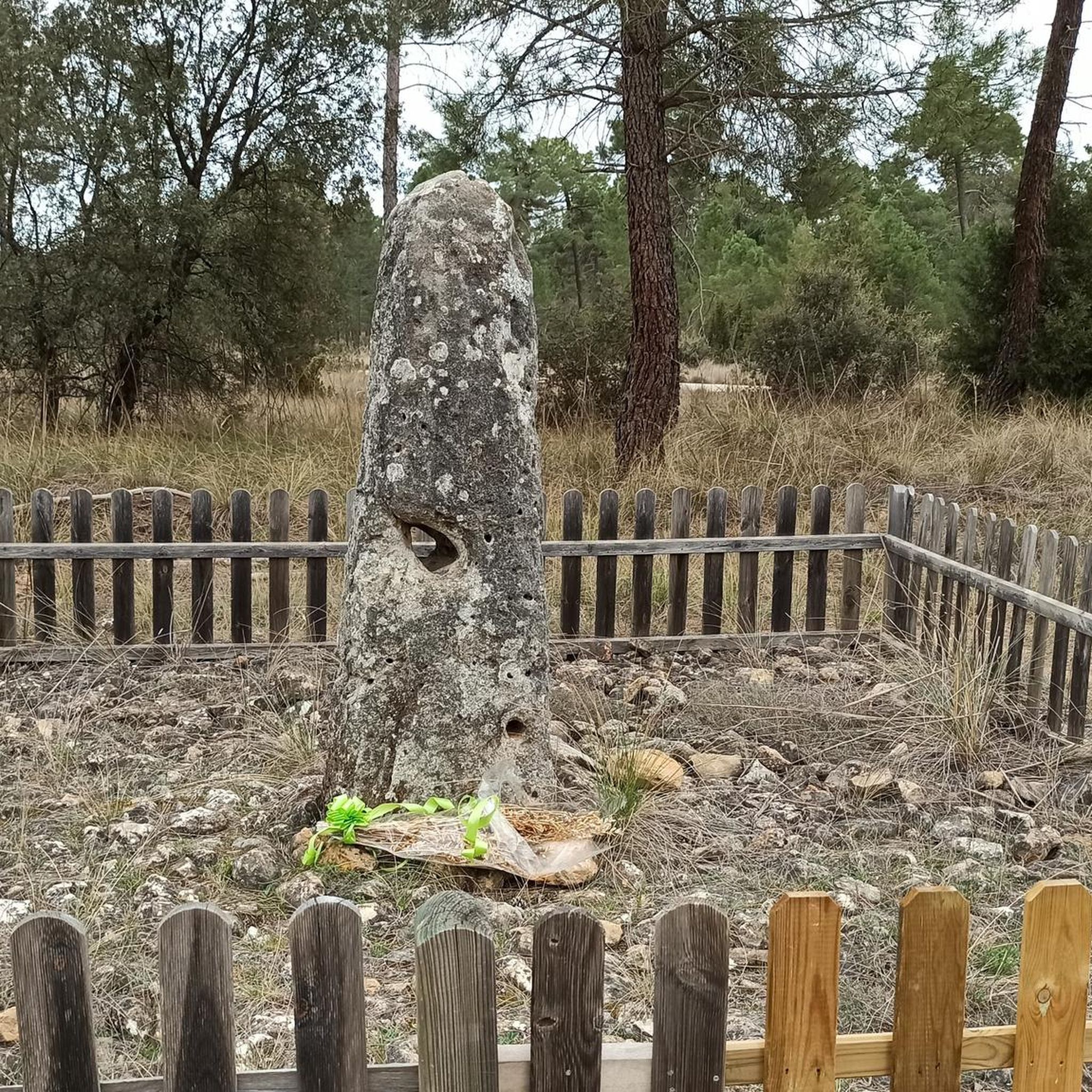
Yes, the area offers several natural and ancient points of interest. On the outskirts of the village, you can find two ancient Menhirs. There is also a historic Roman Bridge with three arches. The village itself is picturesquely situated by the Bañuelos River, offering scenic views.
What are some notable attractions in the broader Ribera del Duero region near Villanueva de Gumiel?
Beyond Villanueva de Gumiel, the Ribera del Duero region offers several highlights. In Aranda de Duero, you can visit the impressive Church of Santa María la Real of Aranda de Duero, known for its Gothic-Isabelline façade. Also in Aranda, explore the Aranda Bridge and the Medieval Bridge of the Tanneries. For a unique cultural experience, check out the Aranda de Duero Street Art Murals.
What outdoor activities can I do near Villanueva de Gumiel?
The area around Villanueva de Gumiel is great for outdoor enthusiasts. You can find various hiking routes, including the 'Sendero de los Resineros' which highlights the local resin industry. For more options, explore the hiking routes around Villanueva De Gumiel. There are also numerous road cycling routes and running trails available.
Are there any family-friendly activities or attractions in Villanueva de Gumiel?
While specific family-focused attractions within Villanueva de Gumiel are not detailed, the village's Old Town and natural features like the Roman Bridge and Bañuelos River offer pleasant, easy walks suitable for families. Exploring the Museo del Resinero can also be an educational experience for children. The broader area of Aranda de Duero is noted as family-friendly, offering cultural and culinary experiences.
When is the best time to visit Villanueva de Gumiel?
Villanueva de Gumiel hosts a lively Cultural Summer at the beginning of August, which includes a popular painting competition. The main festivities in honor of San Mamés also take place in August, and San Pedro Mártir de Verona in April. These periods offer a vibrant atmosphere. For outdoor activities like hiking, spring and early autumn generally provide pleasant weather.
What is the 'Museo del Resinero' and what can I learn there?
The Museo del Resinero (Resin Museum) in Villanueva de Gumiel is dedicated to the local history of resin extraction. This industry was vital to the area, supporting many families until the 1980s. Visitors can learn about the traditional methods, tools, and the lifestyle associated with this unique local trade.
Can I visit a winery near Villanueva de Gumiel?
Yes, the Ribera del Duero region is famous for its wines. Approximately 7.6 km from Villanueva de Gumiel, you can find Bodegas Portia, a highly recommended winery designed by architect Sir Norman Foster. It offers a modern architectural experience alongside wine tasting.
What do visitors enjoy most about the attractions around Villanueva de Gumiel?
Visitors appreciate the blend of historical landmarks, cultural insights, and natural beauty. The medieval bridges, such as the Aranda Bridge and the Medieval Bridge of the Tanneries, are often highlighted for their historical essence. The rich architectural heritage, like the Church of Santa María la Real of Aranda de Duero, also receives significant praise for its detailed sculptures and Gothic style.
Are there any specific hiking trails recommended near Villanueva de Gumiel?
Yes, several hiking routes are available. One notable trail is the 'Sendero de los Resineros', which explores the historical resin extraction areas. For a comprehensive list and details on difficulty and length, you can refer to the hiking guide for Villanueva De Gumiel, which includes routes like 'Sendero de las Viñas' and 'Route of the Mills'.
What is the significance of the Church of San Mamés in Villanueva de Gumiel?
The Church of San Mamés is a central landmark in Villanueva de Gumiel, dating back to the 17th century. It features two symmetrical naves, eight crossed arches, and a central vault with four Romanesque arches. Inside, it houses a significant 16th-century altarpiece and a statue of San Mamés, the patron saint, along with a notable baptismal font from the late 16th century, making it a key site for religious heritage and art.
Are there any unique cultural events or festivities in Villanueva de Gumiel?
Villanueva de Gumiel is known for its vibrant local culture. The village hosts a lively Cultural Summer at the beginning of August, which includes a popular painting competition. Additionally, the main festivities are celebrated in honor of San Mamés in August and San Pedro Mártir de Verona in April, offering visitors a chance to experience local traditions and community spirit.
Most popular routes around Villanueva De Gumiel

Get inspired with the komoot mobile app


Explore more
Still not found the Highlight you’re looking for? See guides of the top attractions in other regions:
