Attractions and Places To See around Loscos - Top 9
Best attractions and places to see around Loscos offer a blend of traditional Spanish village life and historical sites within the province of Teruel, Aragon. The area features gentle hills, agricultural landscapes with dryland cereals and almond trees, and patches of scrubland. Situated at the foot of the Sierra de Oriche and alongside the Pilero River, Loscos provides a setting for exploring religious architecture, historical infrastructure, and natural features. The region is also part of the Camino del Cid, indicating…
Last updated: August 16, 2026
Sanctuary of the Virgin of Herrera
Highlight • Religious Site
Translated by Google •
Tip by

Puerto de Rudilla
Highlight • Mountain Pass
Translated by Google •
Tip by

Sign up now to discover places like this
Get recommendations on the best single tracks, peaks, & plenty of other exciting outdoor places.
Sign up for free
Moyuela watering trough
Highlight • Monument
Translated by Google •
Tip by

Monforte de Moyuela
Highlight • Settlement
Translated by Google •
Tip by

Mudéjar Tower of the Old Church of Olalla
Highlight • Religious Site
Translated by Google •
Tip by
Sign up for free to discover even more attractions around Loscos.
Sign up for free
Already have an account?
Start today with a free account
Your next adventure awaits.
Login or Signup
Popular around Loscos
Tips from the Community

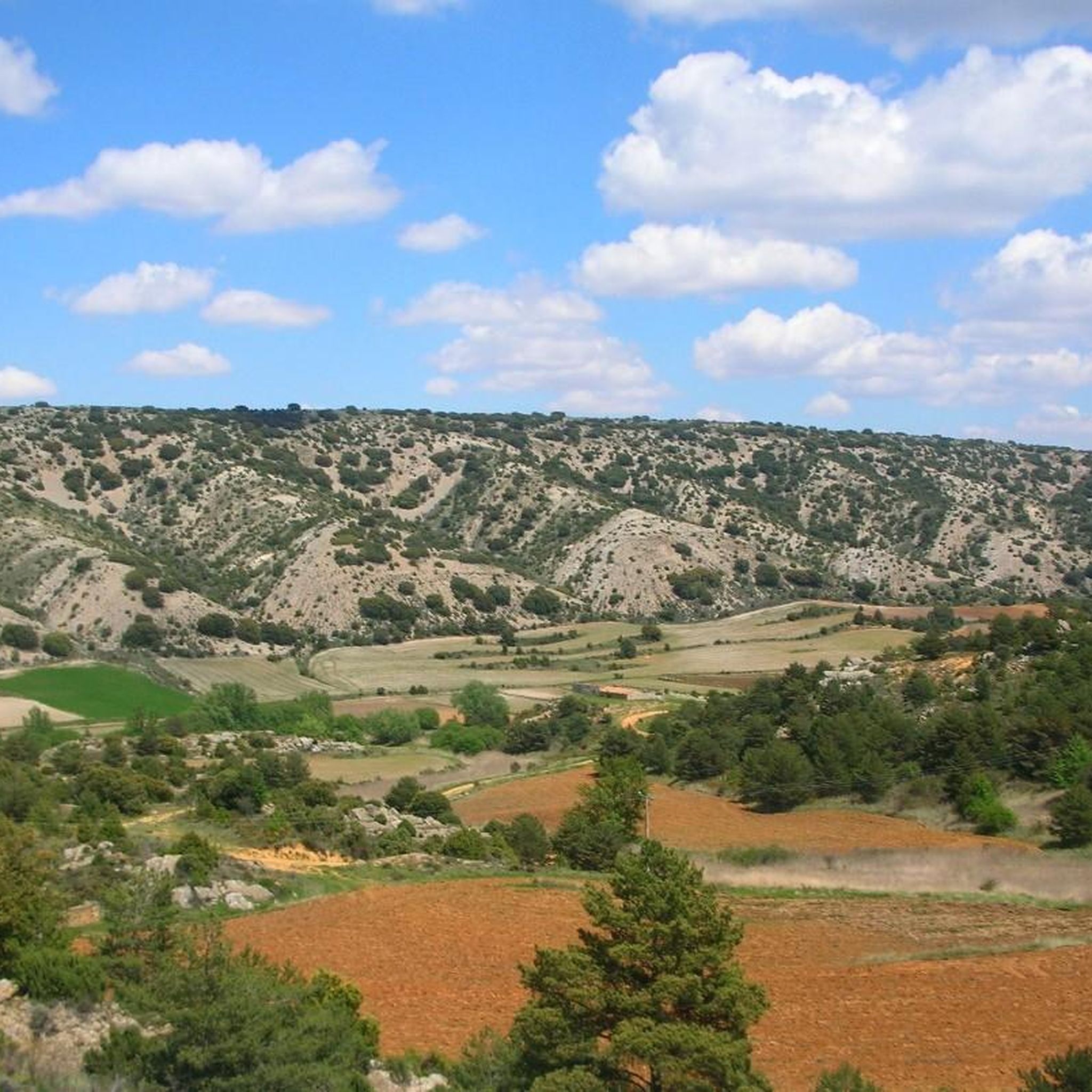
Monforte de Moyuela is a small village in the Jiloca region of Teruel, located at an altitude of over 1,000 meters and surrounded by the Oriche mountain range. It preserves remains of its 12th-century castle and a Roman dam, as well as several chapels and the parish church of La Asunción, rebuilt in the 19th century after the Carlist Wars. The town is part of the Route of El Cid, which makes it even more attractive for those cycling along historic, less-traveled paths. The terrain is mountainous, and it's advisable to bring good equipment and plenty of water, as services are limited in the area.
1
0

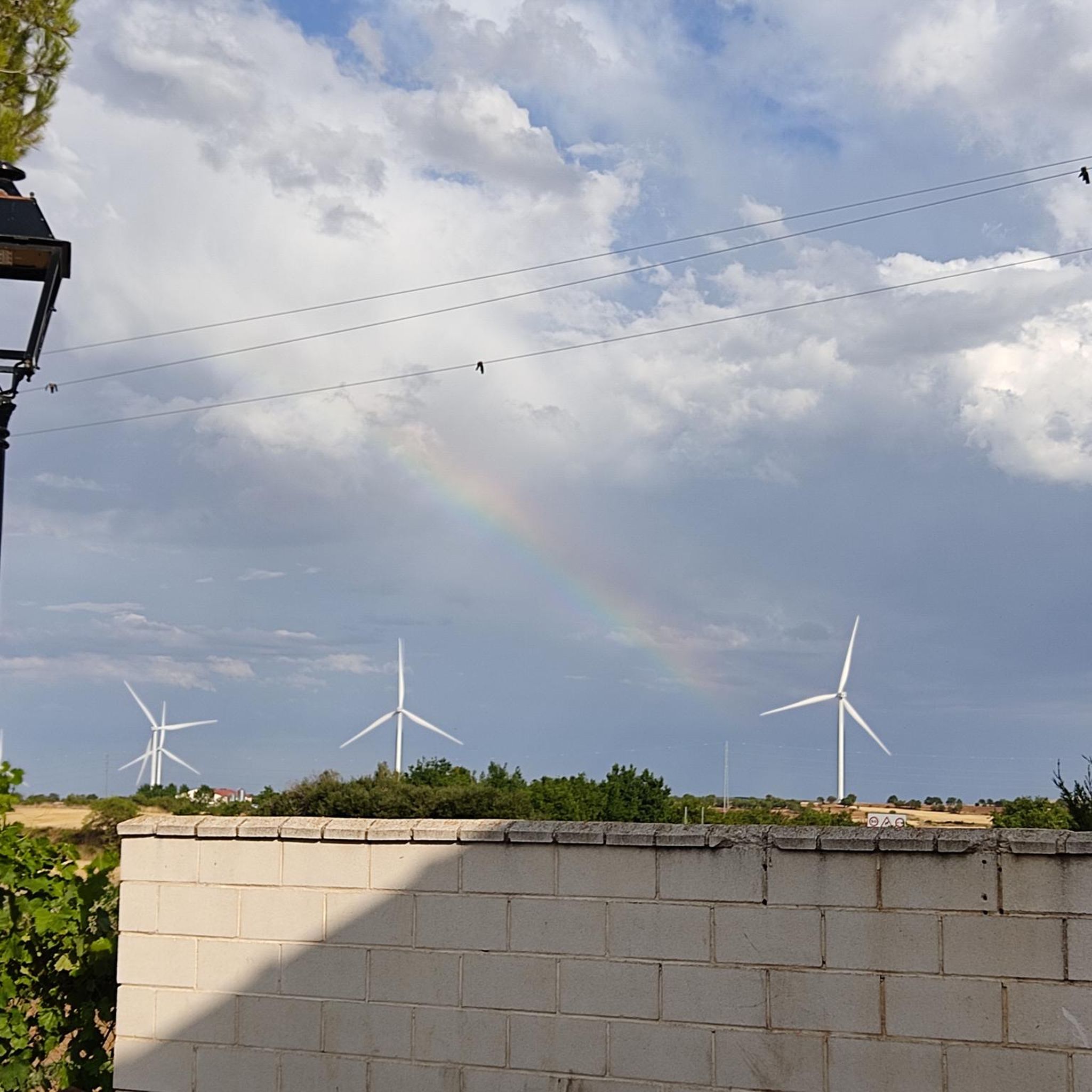
Another of the idyllic places in the province of Teruel that bike lovers should know. The Port of Rudilla, located between the towns of Fonfría and Rudilla, offers magnificent views of deep Teruel and nearby, trenches from the civil war were found.
1
0
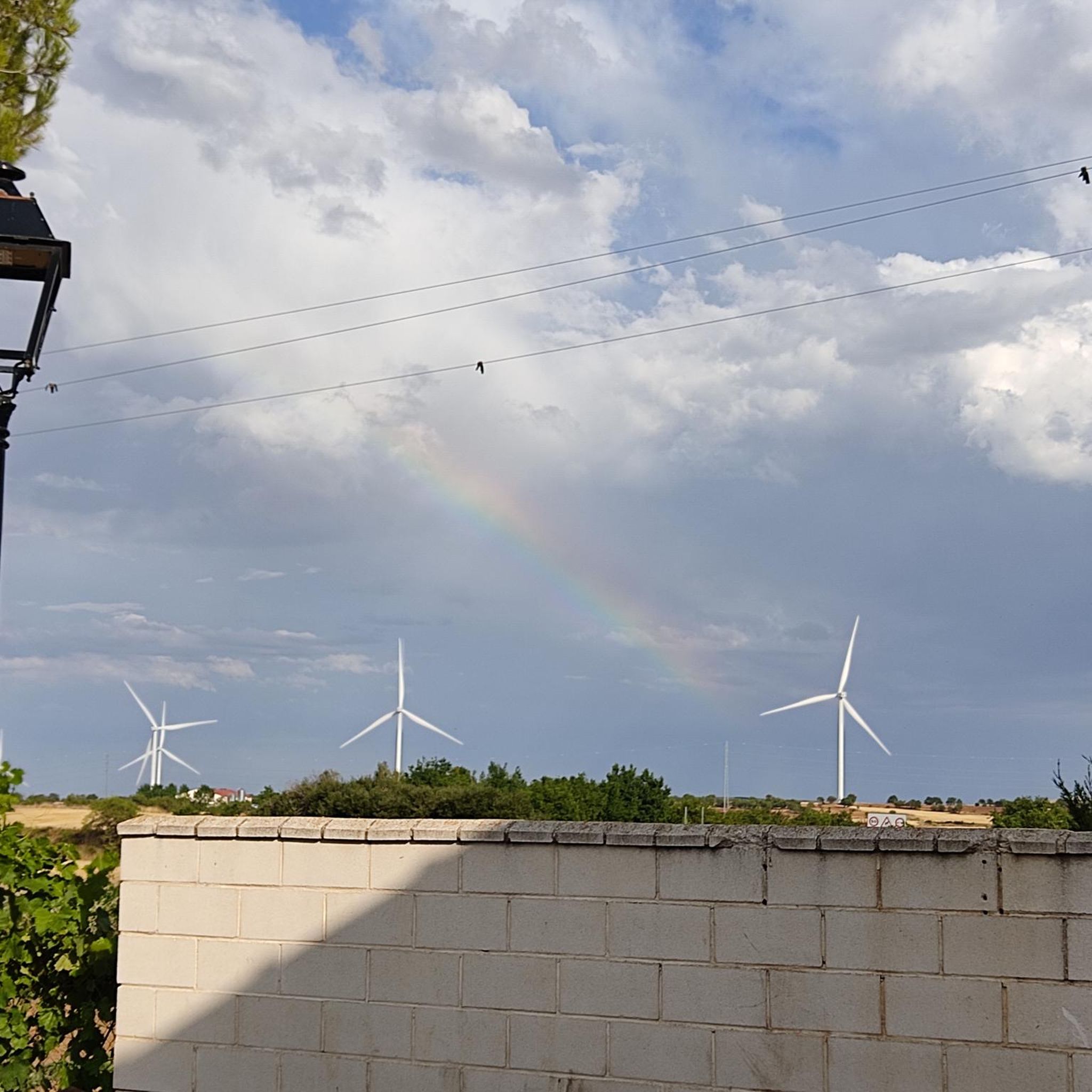
Ollala is a town belonging to the municipality of Calamocha and the Jiloca region that has 44 inhabitants and one of the best preserved juniper forests in Aragon that we will cross by bike if we follow the Sierra de Pelarda route from the Jiloca BTT center. It is worth noting the Mudejar-style tower known as the Tower of the old church.
1
0
Located at an altitude of 1,349 meters, we are in the Sanctuary of the Virgin of Herrera with wonderful views of the Iberian mountains of Zaragoza and Teruel, the Ebro valley and on a good day you can even make out the Pyrenees. Until the Sanctuary, from the town of Herrera de los Navarros, we will cross the wooded slopes of the Sierra de Herrera.
2
0

The hermitage was erected 500 years ago in the place where, according to tradition, the Virgin appeared to Martín, a charcoal burner from the town who was in the mountains carrying out his work. The paved road ends at the sanctuary itself, so its traffic is limited.
12
0

Declared a Place of Community Interest, this beautiful Sanctuary is located at 1,349 meters above sea level. offering amazing views of the Iberian mountains of Zaragoza and Teruel, the Ebro valley and with good visibility you can see even the Pyrenees. The road to get here from the town of Herrera de los Navarros is a linear route that runs through the wooded slopes of the Sierra de Herrera, crossing one of the footbridges over the Herrera River that make it picturesque and entertaining.
5
0

Mountain pass that starts from Hesca del Común and circulates along 13.5 km at a percentage of less than four percent. There is a difference in level of 461 meters and where it separates into different sections, specifically three. In between and two breaks appear.
0
0

Set consisting of a public fountain, water trough and laundry, following the Renaissance model. The fountain is a singular construction of seated and carved stone, with a vault arch, under which there are three pipes, which pour water to connect with the adjoining trough The trough presents a solid construction of sandstone ashlars, formed by a front wall and a long channel through which the water flows. In its upper central part you can see an old inscription on the stone that dates it to the second half of the 18th century.
1
0
Frequently Asked Questions
What historical and cultural sites can I explore in Loscos?
Loscos and its surroundings offer a rich tapestry of historical and cultural sites. You can visit the Ermita de San Roque, an 18th-century hermitage with an adjacent historical complex featuring a fountain and washing place. The baroque Iglesia de San Andrés is a significant architectural landmark within the village. Don't miss the modest Ayuntamiento with its traditional market area. Additionally, the area is dotted with typical Teruel 'peirones' (votive stones) like the Peirón Votivo and San Antón. A short distance away, the village of Mezquita de Loscos offers its own heritage, including the Church of San Juan Bautista.
Where can I find the best panoramic views around Loscos?
For breathtaking panoramic views, head to the Sanctuary of the Virgin of Herrera. Located at 1,349 meters above sea level, it offers amazing vistas of the Iberian mountains of Zaragoza and Teruel, the Ebro valley, and on clear days, even the Pyrenees. Another excellent spot for views is Puerto de Rudilla, a mountain pass that provides magnificent views of deep Teruel.
What kind of natural landscapes define the Loscos region?
The Loscos region is characterized by soft, rolling hills covered with dryland cereals and almond trees. These agricultural areas are interspersed with small patches of scrubland where thyme and gorse thrive. In the distance, you'll observe denser forests of holm oaks covering the more elevated areas of the Sierra de Oriche. The village itself is situated on the left bank of the Pilero River, contributing to a serene natural environment.
What outdoor activities, like cycling or hiking, are available near Loscos?
The Loscos area is excellent for outdoor activities, especially cycling and mountain biking. You can find various routes for different sports. For cycling, explore options like the 'Sanctuary of the Virgen de Herrera by Herrerra de los Navarros — circular from Villar de los Navarros' or the 'Huesa del Común loop from Anadón'. Mountain biking enthusiasts can enjoy trails such as 'Ruta 13: Virgen de Herrera Loop (PR-Z 25)'. You can find more details and routes on the dedicated guides for Cycling around Loscos, Road Cycling Routes around Loscos, and MTB Trails around Loscos.
Are there any family-friendly attractions or activities in Loscos?
While specific children's activities are not highlighted, the general charm of Loscos and its traditional village life can be appealing for families. Exploring the historical complex around the Ermita de San Roque, which includes a fountain and watering trough, offers a glimpse into local history. The gentle rolling hills and agricultural landscapes provide pleasant settings for easy walks, and the Moyuela watering trough is a historical man-made monument that can be interesting for all ages.
What is the best time of year to visit Loscos for outdoor activities?
Given the landscape of dryland cereals and almond trees, and the mention of the Sierra de Oriche, spring and autumn are generally ideal for outdoor activities in Loscos. During these seasons, the weather is typically milder, making it more comfortable for cycling, hiking, and exploring the historical sites. Summers can be hot, and winters might be chilly, especially at higher elevations like the Sanctuary of the Virgin of Herrera.
What do visitors particularly enjoy about the attractions around Loscos?
Visitors to the Loscos area particularly appreciate the blend of historical significance and natural beauty. The stunning views from elevated points like the Sanctuary of the Virgin of Herrera and Puerto de Rudilla are highly praised. The historical sites, such as the 500-year-old hermitage at the Sanctuary and the Mudéjar Tower of the Old Church of Olalla, offer a deep dive into the region's past. Cyclists, in particular, enjoy the challenging yet scenic routes through the Iberian mountains.
Are there any unique architectural features to see in the Loscos area?
Yes, the Loscos area boasts several unique architectural features. The Ermita de San Roque, with its Greek cross plan and adjacent traditional water complex, is a notable example. The baroque Iglesia de San Andrés in the village is also architecturally significant. Further afield, the Mudéjar Tower of the Old Church of Olalla stands out as a well-preserved Mudejar-style structure, showcasing a distinct historical building tradition.
What is the significance of the Camino del Cid in Loscos?
Loscos is part of the Camino del Cid, a cultural and tourist route that traces the footsteps of the medieval knight El Cid. This connection highlights the region's historical significance and offers potential for long-distance walking or cycling routes for those interested in historical journeys. The village of Monforte de Moyuela, also on the route, preserves remains of its 12th-century castle and a Roman dam, further enriching the experience for those following the Camino del Cid.
Are there any traditional village elements to observe in Loscos?
Loscos offers a glimpse into traditional Spanish village life. Beyond the religious buildings, you can observe the historical complex next to the Ermita de San Roque, which includes a traditional fountain, watering trough, and washing place, demonstrating historical water management. The Ayuntamiento (Town Hall) features a small market area (lonja or trinquete) with ashlar arches, reflecting traditional communal spaces. The surrounding landscape, with its dryland cereals and almond trees, also speaks to traditional agricultural practices.
Can I find mountain biking trails in the Loscos area?
Yes, the Loscos area is well-suited for mountain biking, with several trails available. You can explore routes like 'Ruta 13: Virgen de Herrera Loop (PR-Z 25)', which is a moderate 33 km trail. Other options include more challenging routes such as 'La Modorra y el Aguallueve de Anento desde Cucalón' or 'Balsa de la Fuente Moros loop from Ferreruela'. For a comprehensive list and details, refer to the MTB Trails around Loscos guide.
Are there specific cycling routes recommended around Loscos?
Absolutely, Loscos is a great base for cycling. For touring bicycles, popular routes include the 'Sanctuary of the Virgen de Herrera by Herrerra de los Navarros — circular from Villar de los Navarros' and the 'Huesa del Común loop from Anadón'. Road cyclists can tackle the 'Sierra de Herrera Loop' or the 'Santuario Virgen de Herrera Vuelta'. These routes offer varying distances and difficulty levels, often passing through scenic landscapes and historical points. More details can be found in the Cycling around Loscos and Road Cycling Routes around Loscos guides.

Get inspired with the komoot mobile app


Explore more
Still not found the Highlight you’re looking for? See guides of the top attractions in other regions:
