Attractions and Places To See around Malpica De Tajo - Top 13
Attractions and places to see around Malpica De Tajo is a town situated on the right bank of the Tagus River in the province of Toledo, Spain. This location provides a picturesque setting and a rich history, blending historical landmarks with natural beauty. The area is characterized by its riverine landscape, which includes islands forming a Special Protection Zone for avifauna. Malpica De Tajo offers a variety of cultural sites and points of interest, reflecting its heritage and local traditions.
…Last updated: June 29, 2026
Malpica Castle
Highlight • Castle
Translated by Google •
Tip by

Cebolla Castle Ruins
Highlight • Castle
Translated by Google •
Tip by

Sign up now to discover places like this
Get recommendations on the best single tracks, peaks, & plenty of other exciting outdoor places.
Sign up for free
San Martín de Pusa
Highlight • Settlement
Translated by Google •
Tip by

Church of Saint Martin the Bishop
Highlight • Religious Site
Translated by Google •
Tip by
Monument to the Victims of COVID-19 and the Spanish Civil War, Montearagón
Highlight • Monument
Translated by Google •
Tip by
Sign up for free to discover even more attractions around Malpica De Tajo.
Sign up for free
Already have an account?
Start today with a free account
Your next adventure awaits.
Login or Signup
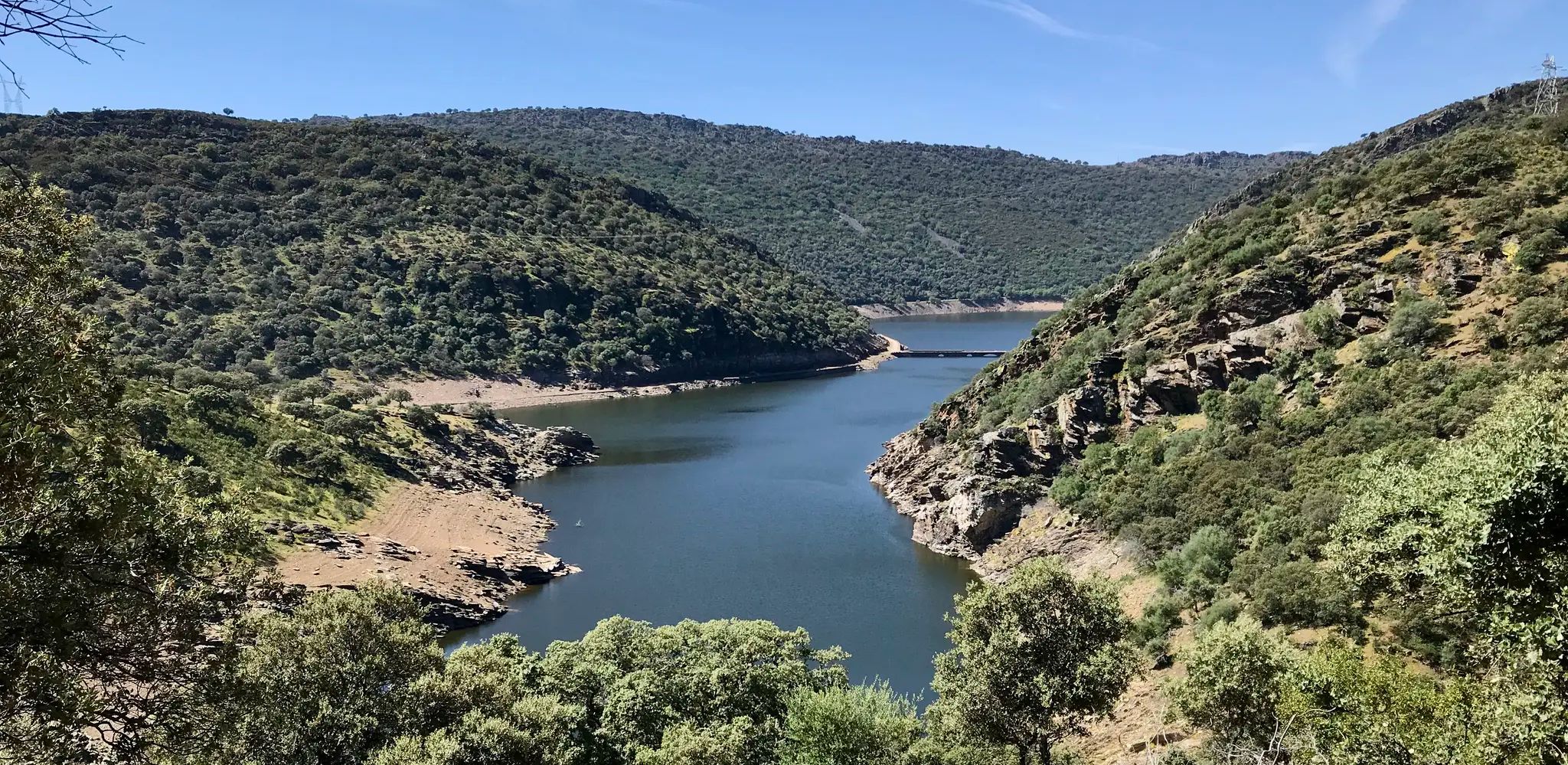

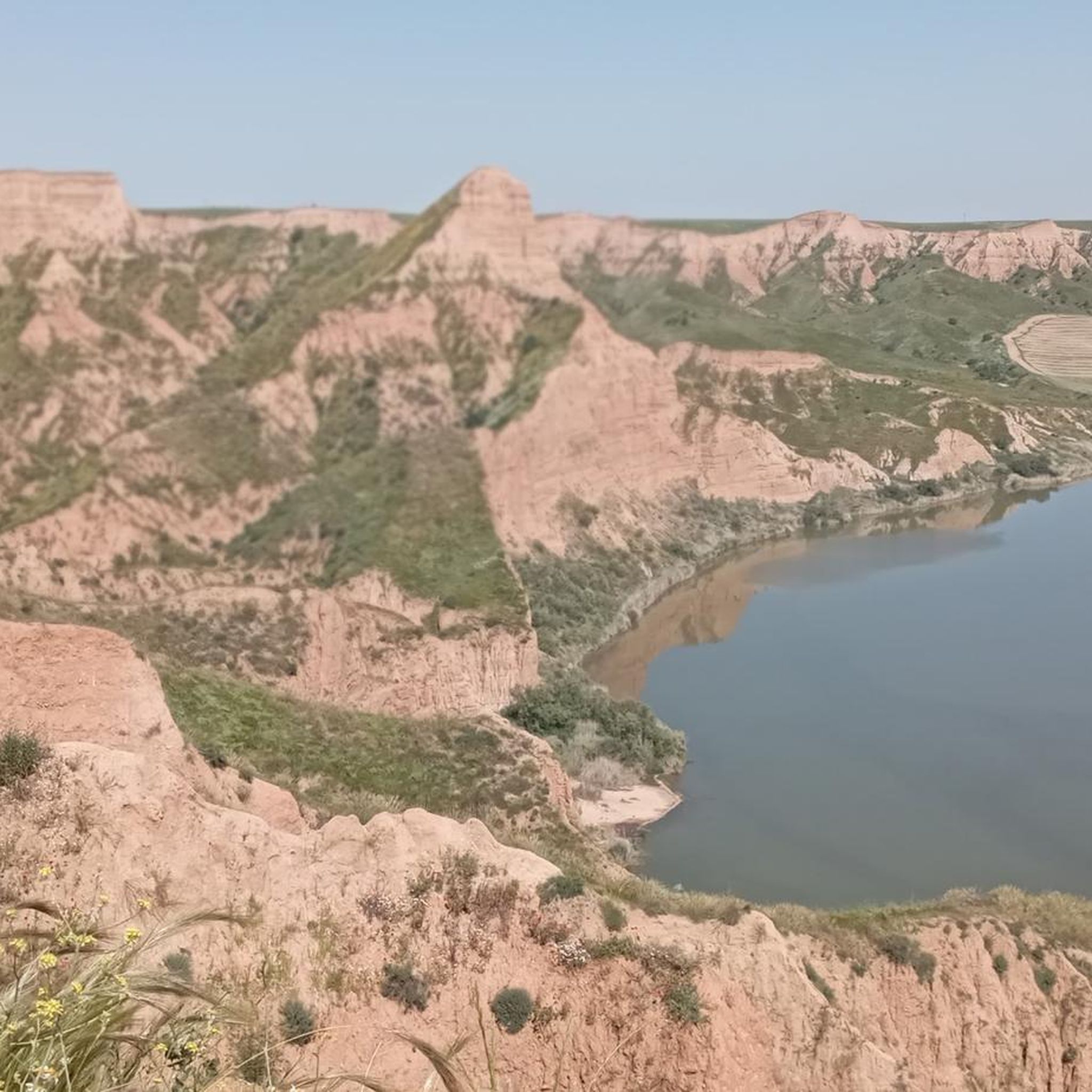
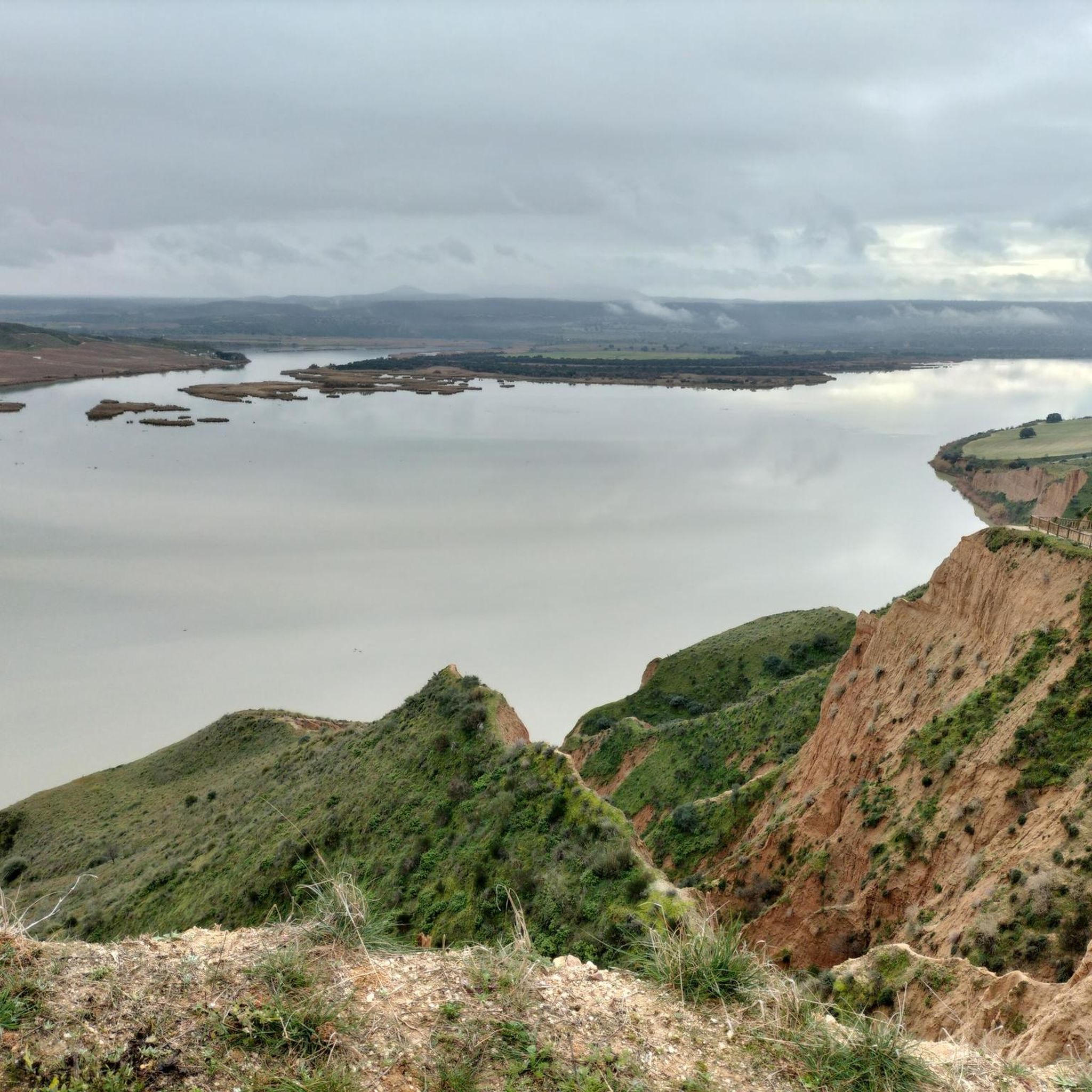
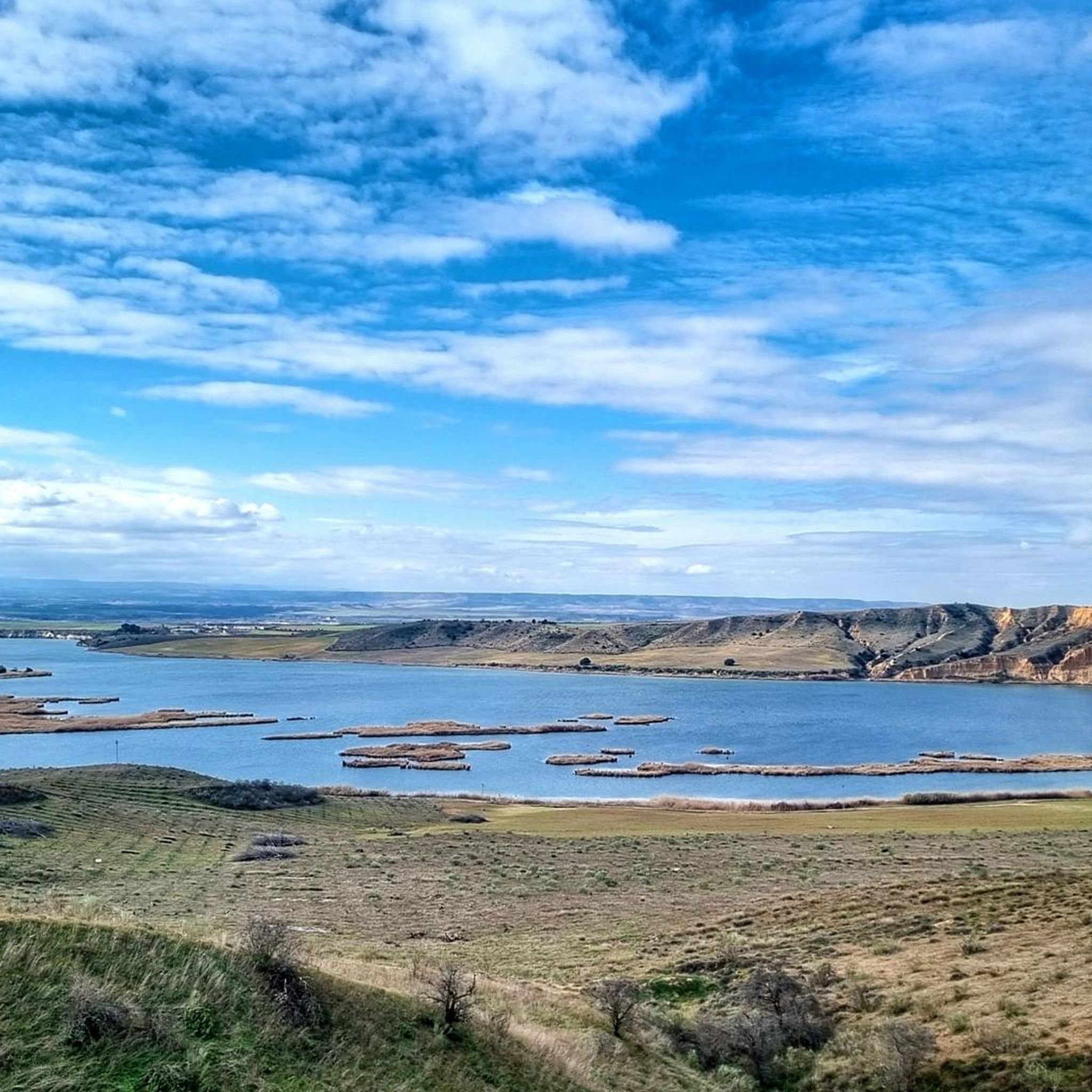
Other adventures around Malpica De Tajo

Tips from the Community

From the s. XVI, of Toledo masonry (brick and masonry) and slender tower, illuminated at night after recent works. At the back of the temple stands a simple scroll of justice, on two granite steps and topped with a wrought iron cross.
20
1

San Martín de Pusa was first established in 1357 but with a different name. The current name was established in 1517. In the 1950s its population exceeded 2,000 inhabitants, but currently it is around 600. There are several heritage buildings to see here, including the Town Hall, the Hermitage of the Santísimo Cristo de Valdelpozo and the Parish Church of San Martín Obispo.
0
0
The town of San Martín de Pusa is located in the center of the old manor. However, its foundation was made by the residents of the old and nearby town of El Pozuelo. Initially. This town was known as "El Pozuelo" due to a well that supplied them. With the repopulation, the new town arises further west of the previous one, which will take the name of "San Martín de Valdepusa" after a church that was built for devotion to San Martín Obispo and for the lord of Valdepusa, owner of the lands. In 1517 the name "Pozuelo" was lost, maintaining that of the Saint.
19
0

Malpica Castle is the most emblematic construction of the Toledo town of Malpica de Tajo. It is an impressive fortification of Arab origin built in the 14th century. Made of brick and surrounded by several moats and the waters of the Tagus, it stands out for the solidity and strength of its structure.
1
0

This castle, privately owned by the Duchy of Arion, is not open to the public and cannot be visited inside, although it is probably worth it since it has the peculiarity of having been continuously inhabited for centuries. The most we can do is surround it or observe it from the opposite bank of the river, which gives it an unusual atmosphere in the medieval architecture of the Iberian Peninsula.
2
0

Built by the Arabs in the 10th century as part of a set of defensive fortifications and later converted into a residential palace, the Malpica castle is one of the few in Spain that is located on the banks of a river, and in this case nothing less than the Tagus. Unfortunately it is private property and you cannot enter it, but it is nonetheless an attractive building that stands out when you cross the bridge to enter the town from where you will have the best views of it.
1
1

Farming village between olive groves and vineyards that celebrates a wine festival in summer. It is a classic rural enclave on the banks of the Tagus with low houses and a quiet atmosphere.
1
1
The parish church of San Cipriano stands on top of the hill where the town lies, standing out among olive and cereal fields irrigated with the waters of the nearby Tagus riverbed. Cebolla is part of the region of Talavera de la Reina and, among its narrow and twisting streets, you can find a variety of services for the intern.
1
0
Frequently Asked Questions
What historical landmarks can I explore in Malpica de Tajo?
Malpica de Tajo is rich in history. You can admire the impressive Malpica Castle, an Arab-origin fortress from the 10th century, uniquely bathed by the Tagus River. While privately owned and not open for interior visits, its exterior is a must-see. Other significant historical sites include the Renaissance-style 17th-century Church of San Pedro Apóstol and the charming Hermitage of San Sebastián, known for its Mudejar elements and traditional festivities.
Are there any natural attractions or areas for wildlife observation?
Absolutely. The Tagus River is a central natural feature, offering a dedicated "Paseo junto al Tajo" (riverside walk) where you can observe local flora and fauna. The Islas de Malpica de Tajo are part of a Special Protection Zone (ZEC-ZEPA) within the Natura 2000 network, vital for numerous aquatic bird species like golden plovers and imperial herons, as well as otters and Mediterranean pond turtles.
What kind of outdoor activities are available near Malpica de Tajo?
The area around Malpica de Tajo offers various outdoor activities, especially along the Tagus River. For hiking enthusiasts, you can find routes like the Sangrera River Valley Trail or the Sendero Rinconada to Ruidero bridge. Mountain biking options include a circular route around Malpica Castle from Erustes. Road cyclists can enjoy routes such as the Bridge over the Tagus loop from Montearagón. You can find more details on these and other routes in the Hiking around Malpica De Tajo, MTB Trails around Malpica De Tajo, and Road Cycling Routes around Malpica De Tajo guides.
Can I visit the Malpica Castle?
The Malpica Castle is privately owned by the Duchy of Arion and is generally not open to the public for interior visits. However, its well-preserved exterior and striking presence, especially from the opposite bank of the Tagus River or when crossing the bridge into town, make it a significant landmark to observe and photograph.
Are there any family-friendly attractions or activities?
While specific family-focused attractions are not detailed, the natural setting of Malpica de Tajo provides opportunities for family-friendly walks along the Paseo junto al Tajo. Exploring the town's central Plaza de la Constitución, which hosts local events, can also be enjoyable for families. The historical town of San Martín de Pusa is also noted as family-friendly.
What is the best time of year to visit Malpica de Tajo?
Malpica de Tajo can be enjoyed throughout the year, but spring and autumn offer pleasant temperatures for exploring the historical sites and enjoying the riverside walks. The region's wine festivals, often held in summer, can also be a lively time to visit. For outdoor activities like hiking and cycling, cooler months are generally preferred.
What cultural experiences does Malpica de Tajo offer?
Beyond its historical buildings, Malpica de Tajo offers cultural experiences rooted in its traditions and local produce. The festivities honoring San Sebastián on January 20th, featuring the traditional dance of the "Morraches," are a "Fiesta de Interés Turístico Regional." The region is also known for its vineyards and high-quality wines, with some wineries offering tours and tastings. Additionally, the area produces excellent olive oil.
Is there public transport or parking available for attractions?
Malpica de Tajo is a small town, and while specific details on public transport to individual attractions are not provided, the town itself is accessible. Parking is generally available within the town, especially near the Plaza de la Constitución, which serves as a central hub. The Bridge over the Tagus River provides a significant entry point with views of the castle.
Are there any other notable historical sites nearby besides Malpica Castle?
Yes, a short distance away, you can visit the Cebolla Castle Ruins, which include the parish church of San Cipriano and other local landmarks within its narrow streets. Another significant site is the Monument to the Victims of COVID-19 and the Spanish Civil War, Montearagón, located in a quiet, rural enclave between olive groves and vineyards.
What local products or gastronomy is Malpica de Tajo known for?
Malpica de Tajo is renowned for its agricultural products. The region is particularly famous for its vineyards, producing high-quality wines under the "Dominio de Valdepusa" designation. You can often find opportunities for wine tours and tastings at local wineries. The town is also recognized for its excellent olive oil, a staple of Spanish cuisine.
Are there any accessible attractions for visitors with mobility needs?
The Monument to the Victims of COVID-19 and the Spanish Civil War, Montearagón is noted as wheelchair accessible, offering a quiet atmosphere in a rural setting. While the historical nature of some sites might present challenges, the riverside walk along the Tagus may offer accessible sections for enjoying the natural beauty.
What is the significance of the Tagus River to Malpica de Tajo?
The Tagus River is integral to Malpica de Tajo's identity and history. It serves as a natural moat for Malpica Castle, making it one of Spain's few river-bathed fortresses. The river also provides a picturesque setting for the town, supports a rich ecosystem with its islands designated as a Special Protection Zone, and offers recreational opportunities like the riverside walk.

Get inspired with the komoot mobile app


Explore more
Still not found the Highlight you’re looking for? See guides of the top attractions in other regions:
