The best cycling routes around Lillo
5.0
(2)
19
riders
25
rides
Touring cycling around Lillo offers routes through the flat, agricultural plains of the region, characterized by open landscapes and occasional lagoons. The area's low elevation and gentle gradients make it suitable for various cycling abilities. Routes often follow quiet country roads and dedicated greenways, providing a tranquil experience.
Best touring cycling routes around Lillo
- The most popular touring cycling route is La Guardia and its surroundings - circular route, an 18.0 miles (28.9 km) trail that takes 2 hours…
Last updated: June 18, 2026
67.1km
05:20
290m
280m
Hard bike ride. Very good fitness required. Some segments of this route may be unpaved and difficult to ride.
28.9km
02:25
190m
200m
Moderate bike ride. Good fitness required. Mostly paved surfaces. Suitable for all skill levels.

Sign up for free
Moderate bike ride. Good fitness required. Some segments of this route may be unpaved and difficult to ride.
45.7km
03:37
280m
290m
Moderate bike ride. Good fitness required. Mostly paved surfaces. Suitable for all skill levels.
5.0
(1)
4
riders
21.7km
01:44
60m
60m
Easy bike ride. Great for any fitness level. Mostly paved surfaces. Suitable for all skill levels.
Get access to more routes and recommendations from other explorers.
Sign up for free
Already have an account?
Our route recommendations are based on thousands of hikes, rides, and runs completed by other people on komoot.
Start today with a free account
Your next adventure awaits.
Login or Signup


Tips from the Community

La Puebla de Almoradiel: Its origins are linked to an Iberian and Celtic fortress, inhabited by Romans, Visigoths, and, during the Muslim era, by the Almoravids. The ancient city stood on the Cigüela River, but was abandoned in 1276 due to epidemics. Repopulated by the Order of Santiago in the Middle Ages, it received a town charter in 1315 and the privilege of town status in 1341.
4
0
Founded in 1343 by Prince Don Fadrique Alfonso of Castile, Master of the Order of Santiago, who granted the Charter and the Sepúlveda charter. It was originally called La Puebla de la Isla because it was surrounded by water. The current name honors Don Fadrique, who took refuge in these lands fleeing from Pedro I "The Cruel."
5
0
Villacañas (Toledo), in the heart of Toledo's La Mancha region, is a destination that combines cultural heritage, unique nature, and singular traditions.
5
0
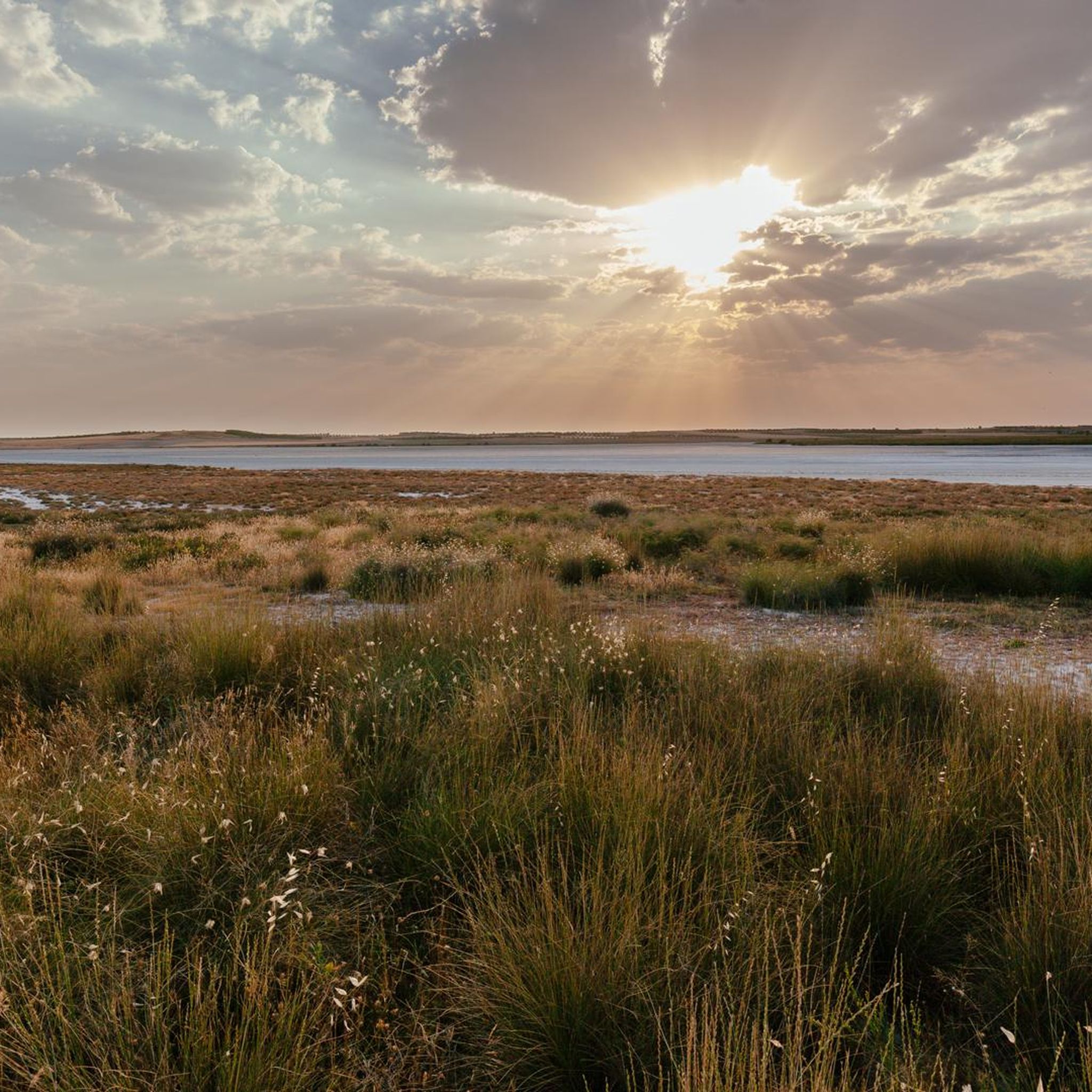
Laguna Larga de Villacañas is one of the most important wetlands in the Toledo region of La Mancha, ideal for nature and photography lovers. Type: Endorheic saline lagoon (landlocked). Area: Approximately 178 hectares. Protection: It is part of the Natura 2000 Network and has been declared a Nature Reserve. Flora: Halophilous vegetation (adapted to saline soils), such as glasswort and esparto grass. Fauna: A wide variety of aquatic and steppe birds: Flamingos, avocets, and black-winged stilts. Migrating harriers, great bustards, and cranes.
3
0
Villacañas (Toledo), in the heart of Toledo's La Mancha region, is a destination that combines cultural heritage, unique nature, and singular traditions.
5
0
El Romeral (Toledo) is one of the most authentic villages on the Route of the Mills of La Mancha, with a group of mills that evoke Cervantes' image of Don Quixote. There are four mills located on Cerro Santo, overlooking the La Mancha plain. Their names are: El Pechuga (the most emblematic, it retains its original machinery and is used for events). El Crítica (renovated as an exhibition hall). Los Gorrinos. Muela.
5
0
La Guardia (Toledo) is a very interesting destination in the Ocaña Plateau, offering historical heritage, nature, and cultural routes. Church of Our Lady of the Assumption Renaissance church with Baroque details, a main altarpiece, and a bell tower. Casa de los Jaenes (Ethnological Museum) An old 18th-century manor house with collections about traditional La Mancha life.
4
0
The Casa de los Jaenes Ethnological Museum is located in La Guardia (Toledo), inside a historic 18th-century building known as the House of the Inquisition or the House of Don Eulogio. Construction: Commissioned by Sebastián de Huerta, Secretary General of the Inquisition, in the 18th century. Style: Baroque with Mannerist details. Highlights: Monumental stone doorway with two levels and the Jaenes coat of arms. Columned courtyard with Tuscan columns and wooden walkways. Declared a Site of Cultural Interest (BIC) in 1991.
11
0
Frequently Asked Questions
What is the general difficulty level of touring cycling routes in Lillo?
Lillo offers a range of touring cycling routes, from easy to difficult. The region's flat, agricultural plains generally mean gentle gradients. There are 2 easy routes, 20 moderate routes, and 4 difficult routes available, catering to various skill levels.
Are there any easy touring cycling routes suitable for beginners in Lillo?
Yes, Lillo has several easy touring cycling routes perfect for beginners or those seeking a relaxed ride. An excellent option is the Hermitage of San Gregorio – Villacañas loop from Villacañas, which is 13.5 miles (21.7 km) long and features minimal elevation gain.
Are there challenging touring cycling routes for experienced cyclists around Lillo?
For experienced cyclists looking for a challenge, Lillo offers several difficult routes. The Villacañas Lagoons and La Guardia Loop is a demanding 41.7 miles (67.1 km) path that traverses open landscapes and passes by the Villacañas Lagoons, providing a longer and more strenuous ride.
What are the typical distances and durations for touring cycling routes in Lillo?
Touring cycling routes in Lillo vary significantly in length and duration. You can find shorter rides like the La Guardia and its surroundings - circular route at 18.0 miles (28.9 km), taking about 2 hours 24 minutes. Longer routes, such as the Villacañas to La Puebla de Almoradiel – circular via the Vía Verde del Trenillo, stretch to 38.8 miles (62.4 km) and can take nearly 5 hours to complete.
Are there circular touring cycling routes available in Lillo?
Yes, many touring cycling routes in Lillo are designed as circular loops, allowing you to start and end at the same point without retracing your steps. Examples include the popular La Guardia and its surroundings - circular route and the La Guardia and Lillo Don Quijote Loop.
What natural attractions can I see along the touring cycling routes in Lillo?
Lillo's touring cycling routes often pass by significant natural attractions, particularly its unique lagoons. You can encounter highlights such as Laguna Larga of Villacañas, Laguna del Longar, and the Taray Wetlands. These areas are known for their birdlife, including flamingos, which can be observed from the Flamingo Observatory.
Are there any notable landmarks or points of interest to explore while cycling in Lillo?
Beyond natural landscapes, Lillo's routes offer glimpses of local heritage. While cycling, you might pass by the La Alberca Spring, a natural monument. The region's agricultural character and traditional villages also provide a cultural backdrop to your ride.
What is the best time of year to go touring cycling in Lillo?
The best time for touring cycling in Lillo is typically during spring (April-May) and autumn (September-October). During these seasons, the weather is generally mild and pleasant, making for comfortable rides across the open plains. Summers can be very hot, and winters can be chilly, though cycling is possible year-round with appropriate gear.
Can I bring my dog on touring cycling routes in Lillo?
Generally, dogs are welcome on most public cycling paths and greenways in Lillo, especially given the open nature of the agricultural plains. However, it's always advisable to keep your dog on a leash, especially near wildlife areas like the lagoons, and to check local regulations for specific protected areas.
What do other touring cyclists enjoy the most about touring cycling in Lillo?
The touring cycling experience in Lillo is highly rated by the komoot community, with an average score of 5.0 stars. Reviewers often praise the tranquil experience of cycling through open agricultural plains, the scenic beauty of the lagoons, and the well-maintained dedicated greenways like the Vía Verde del Trenillo. The flat terrain is frequently highlighted as ideal for relaxed rides.
Are there options for public transport to access touring cycling routes in Lillo?
While specific public transport connections directly to trailheads might be limited, Lillo and nearby towns like Villacañas are accessible by regional bus services from larger cities. It's recommended to check local bus schedules and policies regarding bicycle transport in advance if you plan to use public transport to reach the starting points of your touring cycling routes.
Where can I find parking for touring cycling routes near Lillo?
Parking is generally available in the towns and villages around Lillo, such as Lillo itself, La Guardia, and Villacañas. Look for public parking areas within these communities, which often serve as convenient starting points for many of the touring cycling routes. Specific parking details for individual routes are usually available on their respective komoot tour pages.
Most popular attractions around Lillo

Get inspired with the komoot mobile app


Explore more
Browse the best Cycling routes in other regions.
