Attractions and Places To See around Bardenas Reales De Navarra - Top 20
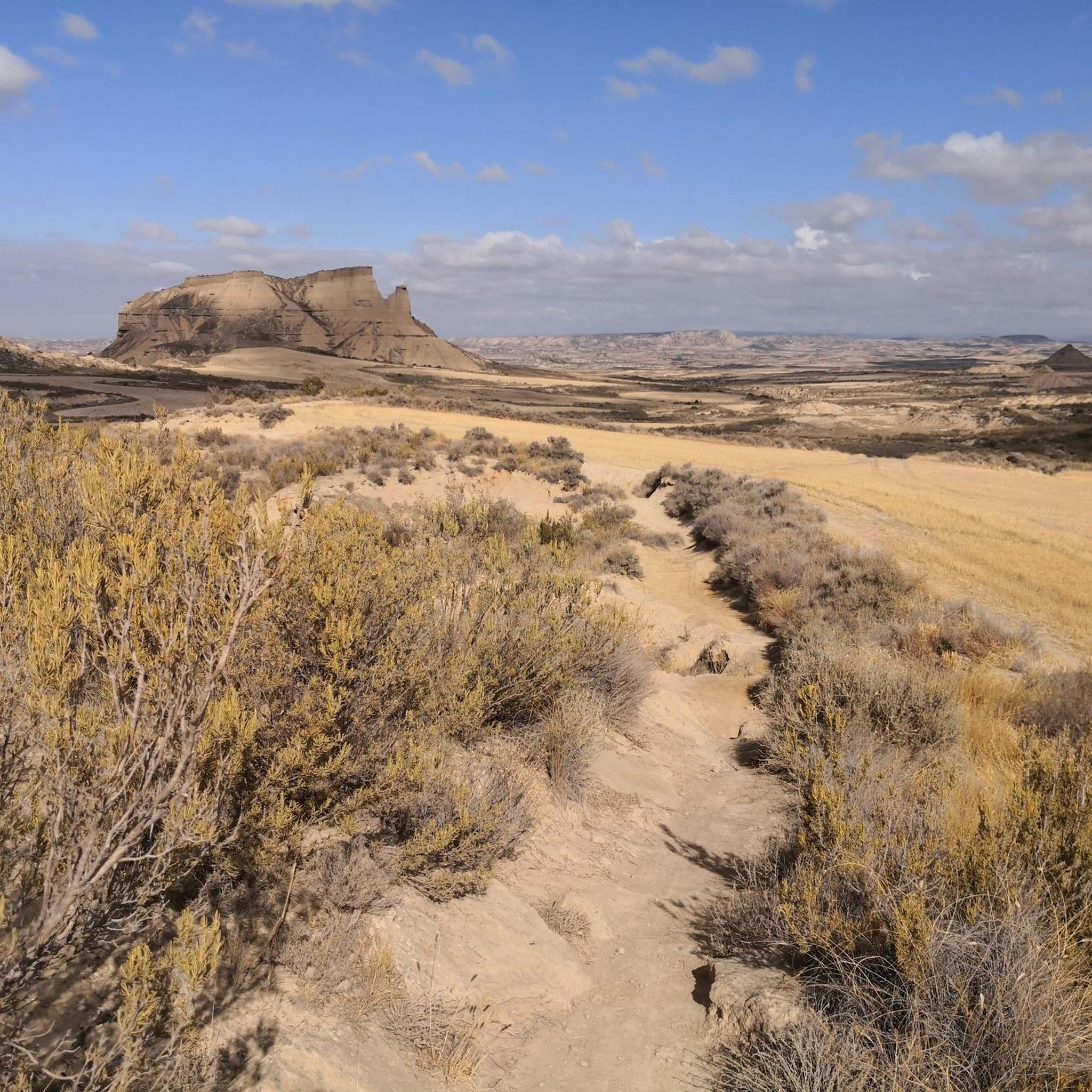
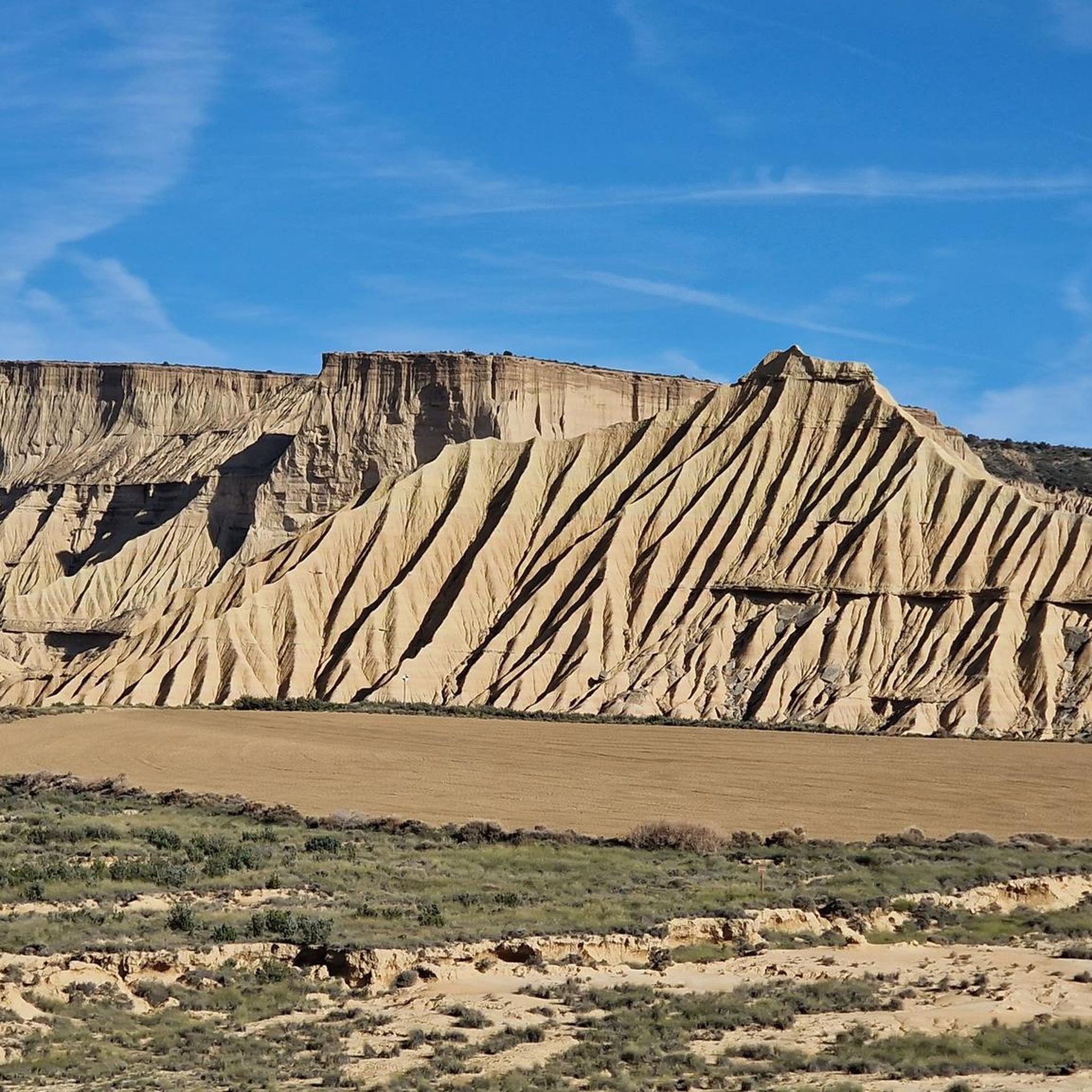
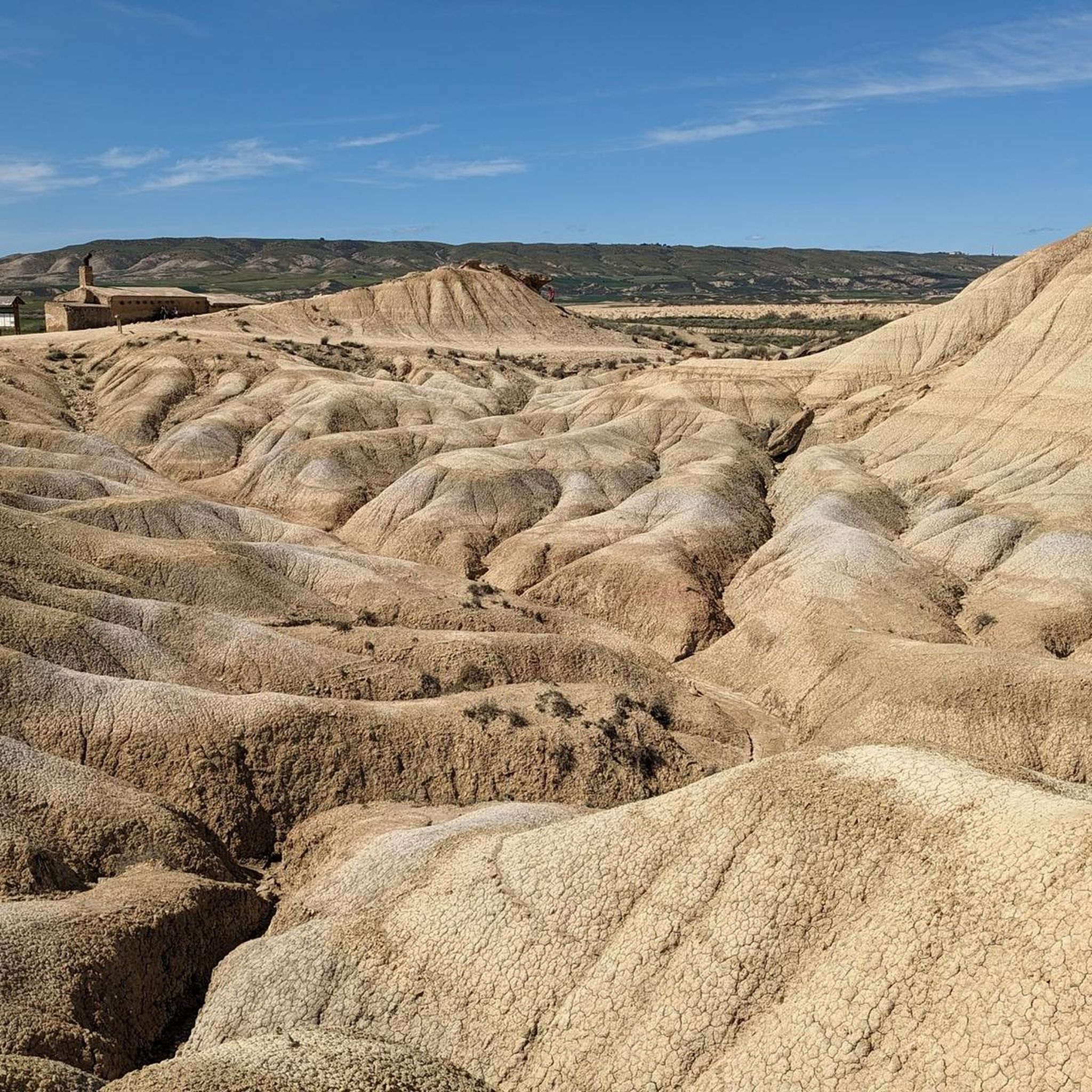
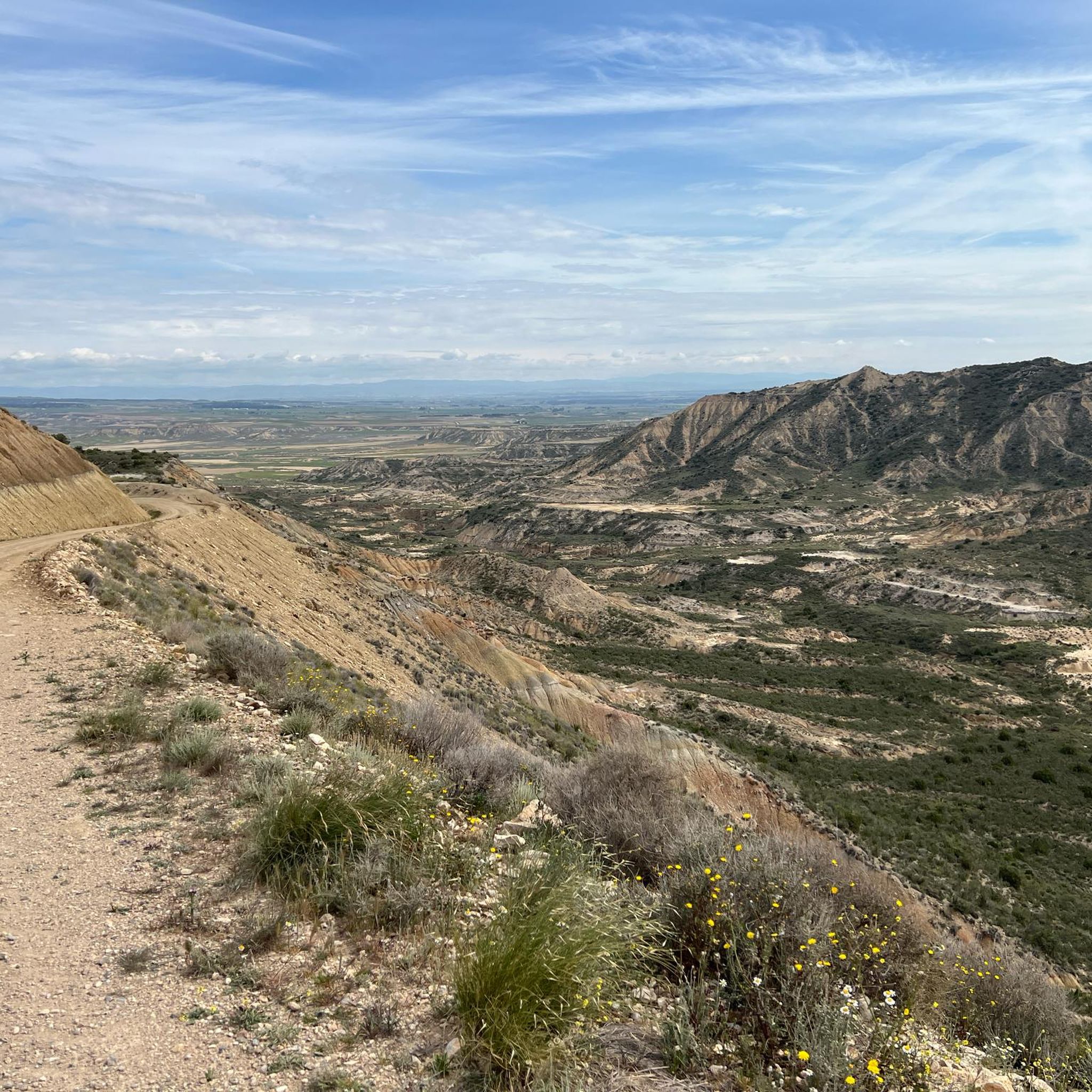
Best attractions and places to see around Bardenas Reales De Navarra, a UNESCO Biosphere Reserve, feature a semi-desert landscape known for its unique geological formations and lunar scenery. This region in southeastern Navarre, Spain, offers a variety of natural features, landmarks, and points of interest across its 42,500 hectares. Visitors can explore expansive plains, dramatic cliffs, and distinctive rock formations that define this environment.
Best attractions and places to see around Bardenas Reales De Navarra
- The most popular attractions is…
Last updated: October 10, 2026
Castildetierra
Highlight • Natural Monument
Translated by Google •
Tip by

Bardenas Reales Natural Park
Highlight • Natural Monument
Translated by Google •
Tip by

Sign up now to discover places like this
Get recommendations on the best single tracks, peaks, & plenty of other exciting outdoor places.
Peñaflor Castle (also known as Doña Blanca Castle)
Highlight • Castle
Translated by Google •
Tip by

Cathedral of Santa María de Tudela
Highlight • Religious Site
Tudela Cathedral: A stunning example of Gothic and Romanesque architecture, with its famous Judgment Gate.
Plaza de los Fueros: The heart …
Translated by Google •
Tip by

Peña del Fraile
Highlight • Summit
Translated by Google •
Tip by
Sign up for free to discover even more attractions around Bardenas Reales De Navarra.
Already have an account?
Start today with a free account
Your next adventure awaits.
Popular around Bardenas Reales De Navarra

Tips from the Community

Tudela is a charming city with much to offer! Tudela Cathedral: A stunning example of Gothic and Romanesque architecture, with its famous Judgment Gate. Plaza de los Fueros: The heart of the city, ideal for strolling and soaking up the local atmosphere. Muñoz Sola Museum of Modern Art: Perfect for art lovers, with a collection of 19th-century works. Bridge over the Ebro River: A picturesque spot to enjoy views of the river. Also, don't miss the opportunity to try the delicious local cuisine, especially the fresh vegetables from Tudela's gardens.
3
0
The Bardenas Reales Natural Park is a stunning semi-desert landscape located in Navarre, northern Spain. This park, declared a UNESCO Biosphere Reserve, covers approximately 42,500 hectares and is characterized by its unique geological formations and biodiversity. In addition to its natural beauty, the park is home to a wealth of wildlife, including eagles, vultures, foxes, and reptiles. It is an ideal place for hiking and cycling, with an extensive network of trails and paths.
7
0

The ruins consist of a small central tower that served as a watchtower and accommodation for a small garrison and a walled area around it. Today only the ruins of the tower remain.
0
0
The Castilla de Tierra, the castle of earth, the brightly colored mountain of sand with a few stones on top is the iconic centerpiece of this impressive park.
4
0
You can explore the Bardenas on foot, by bike, by Segway, on horseback, or by 4x4 or your own car. There are many well-signposted routes. Of course, the inner part is closed to cars and the experience is much more beautiful by bike.
6
0
During the winter months, thousands of sheep graze here.
6
0
According to scientists, this was an immense inland sea millions of years ago. Fossils of crocodiles and sea turtles are the evidence.
6
0

The Cathedral of Santa María (Santa María la Mayor) of Tudela (Navarre) is a late Romanesque temple, inspired by Cistercian architecture, of large dimensions,[2] which began to be built at the end of the 12th century during the reign of Sancho VI the Wise, passing the baton to his son Sancho VII the Strong, who in turn passed it to his nephew Theobald I. He used some of the foundations of the Great Mosque of Tudela (9th to 11th centuries). As the orientations of the two temples did not match, the mosque was demolished to build the new temple and only some of its foundations were used.
0
0
Frequently Asked Questions
What are the most iconic natural landmarks in Bardenas Reales?
The most iconic natural landmark is Castildetierra, a solitary butte resembling an earthen castle, located in the dramatically eroded area of La Bardena Blanca. Other notable formations include Pisquerra and El Rallón, both spectacular rock formations sculpted by erosion. The entire Bardenas Reales Natural Park itself is a UNESCO Biosphere Reserve, known for its unique geological features.
What kind of activities can I do in Bardenas Reales Natural Park?
Bardenas Reales offers a wide range of activities. You can explore the park by driving, cycling, or hiking along its over 700 kilometers of tracks and paths. Organized tours by 4WD, Segway, or electric bikes are also available. The park is ideal for mountain biking, with many well-signposted routes. Remember, the inner part of the park is closed to cars, making cycling a more immersive experience.
Are there any historical sites to visit near Bardenas Reales?
Yes, there are several historical sites. Within the park, you can visit Peñaflor Castle (also known as Doña Blanca Castle), a 13th-century tower that symbolizes the region's history. Nearby, you can explore the impressive Romanesque cathedral in Tudela, or visit significant medieval monasteries such as La Oliva, Fitero, and Tulebras. The majestic 13th-century Olite Castle (Royal Palace of Olite) is also within the wider Navarre region.
Is Bardenas Reales suitable for families with children?
Yes, Bardenas Reales can be very family-friendly. The unique landscape offers an exciting environment for exploration. For a dedicated family experience, Sendaviva Natural Park, located close to Bardenas Reales, provides various attractions, animal shows, and a focus on endangered species. Additionally, the unique cave dwellings of Cuevas de Arguedas / Cuevas de Valtierra offer an alternative and authentic accommodation experience, especially suitable for families.
What is the best time of year to visit Bardenas Reales?
The best time to visit Bardenas Reales is typically between September and June. During these months, temperatures are more pleasant for outdoor activities. Summer can be very hot, making exploration less comfortable.
Where can I find panoramic views of the Bardenas Reales landscape?
For breathtaking panoramic views, head to Mirador de Juan Obispo, considered one of the best viewpoints for appreciating the vastness and beauty of the landscape. Another excellent spot is Bardena Blanca Viewpoint, which offers wonderful views of the entire Bardenas Reales, though access may require careful navigation due to some deteriorated steps.
Are there options for cycling or mountain biking in the park?
Absolutely! Bardenas Reales is excellent for cycling and mountain biking, with over 700 kilometers of tracks and paths. The park is well-developed for visitors, and exploring by bike is often recommended for a more beautiful experience, especially since the inner part is closed to cars. You can find various routes, including those for gravel biking, such as the "Castildetierra Hill – Bardenas Reales Badlands loop" or the "Ferial Reservoir loop." For more options, check out the Gravel biking around Bardenas Reales De Navarra guide.
What towns are located near Bardenas Reales and offer amenities?
Tudela, the second-largest city in Navarre, is located just 14 km from Bardenas Reales. It's a vibrant hub known for its rich gastronomy and offers various amenities, including restaurants and accommodation. Other nearby towns like Arguedas and Valtierra also provide services and unique accommodation options like the cave dwellings.
What unique accommodation options are available near the park?
For a truly unique experience, consider staying in the Cuevas de Arguedas or Cuevas de Valtierra. These cave dwellings offer an alternative and authentic accommodation experience, particularly suitable for families looking for something different.
Are there any specific rules or restrictions visitors should be aware of in Bardenas Reales?
Yes, there are important rules to preserve the natural environment. The park is open from 8:00 AM until one hour before sunset. Certain areas, like the immediate surroundings of El Rallón, may have restricted access from March to August for conservation purposes. It is strictly prohibited to climb 'cabezos' (solitary hills) or venture off marked paths. Always stay on designated routes to protect the fragile landscape.
What is the difference between La Bardena Blanca and La Bardena Negra?
La Bardena Blanca is the central and most striking part of the park, characterized by its expansive plains, dramatic cliffs, ravines, and distinctive mounds, giving it a 'lunar' landscape. In contrast, La Bardena Negra is the southern section of the park, which is greener and more rugged, featuring small pine forests and other plant species, offering a different natural aesthetic.
Are there running trails available around Bardenas Reales?
Yes, Bardenas Reales offers several running trails. You can find routes like the "Cabezo de Piskerra Loop Trail" or various loops around Arguedas, including those near the Arguedas Caves. These trails range in difficulty, with many being moderate. For detailed information and more options, refer to the Running Trails around Bardenas Reales De Navarra guide.
What cultural traditions are celebrated in the Bardenas Reales region?
The region celebrates the ancient tradition of transhumance, where shepherds historically moved their flocks through the Bardenas. This tradition is honored annually with a Transhumance festival, often in September, which includes the Monumento al Pastor, a monument dedicated to these shepherds.
Most popular routes around Bardenas Reales De Navarra
Most popular attractions around Bardenas Reales De Navarra

Get inspired with the komoot mobile app


Explore more
Still not found the Highlight you’re looking for? See guides of the top attractions in other regions:
