Attractions and Places To See around Barbadillo Del Mercado - Top 14
Best attractions and places to see around Barbadillo Del Mercado include a variety of historical sites, cultural landmarks, and natural features. Situated in the Sierra de la Demanda region of Burgos, the town is surrounded by picturesque landscapes, including the Arlanza River and parts of the Sabinares del Arlanza Natural Park. Visitors can explore ancient religious buildings, unique film locations, and scenic viewpoints. The area offers a blend of historical significance and natural beauty.
Best attractions and places to see…
Last updated: October 15, 2026
Monasterio de Santo Domingo de Silos
Highlight • Religious Site
Translated by Google •
Tip by

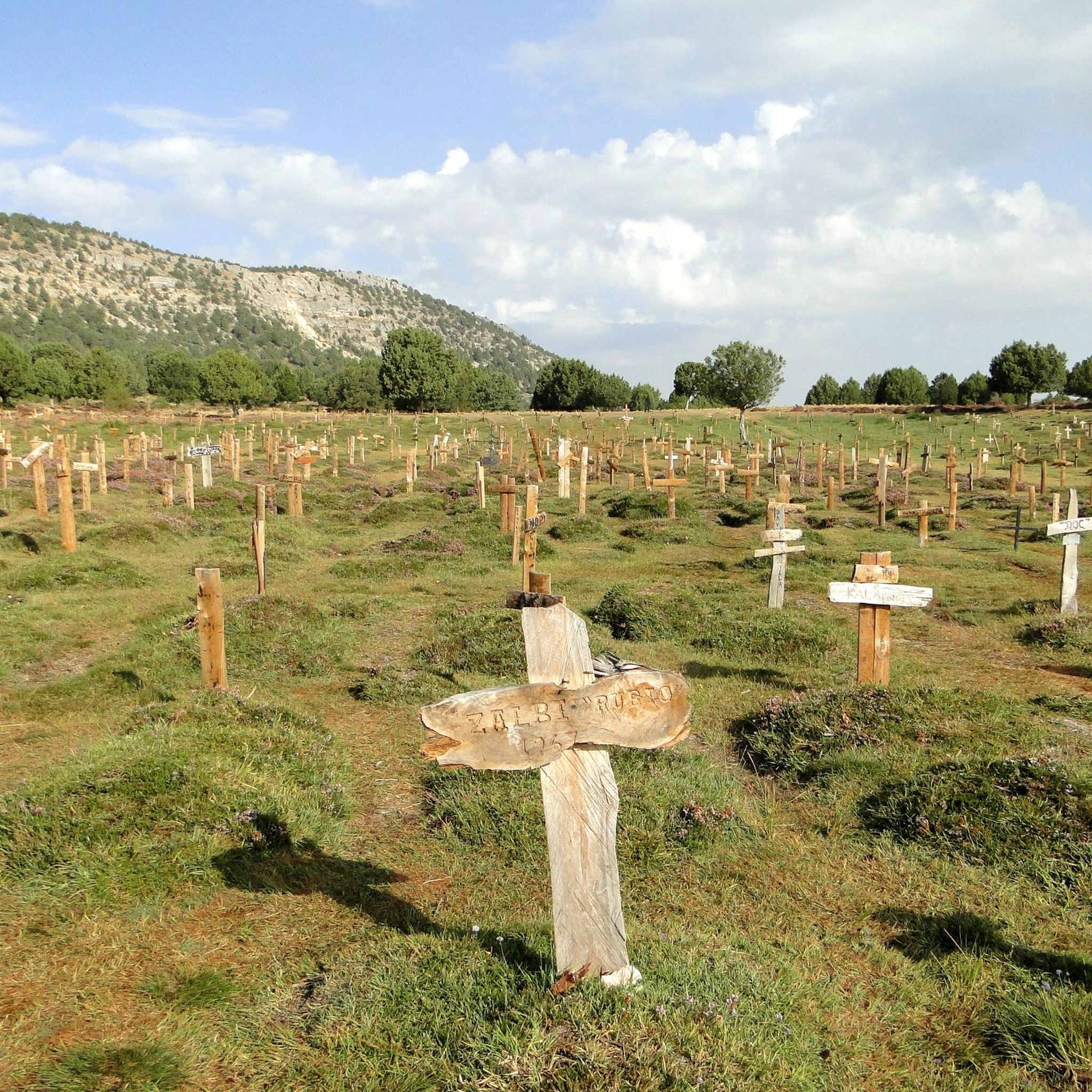
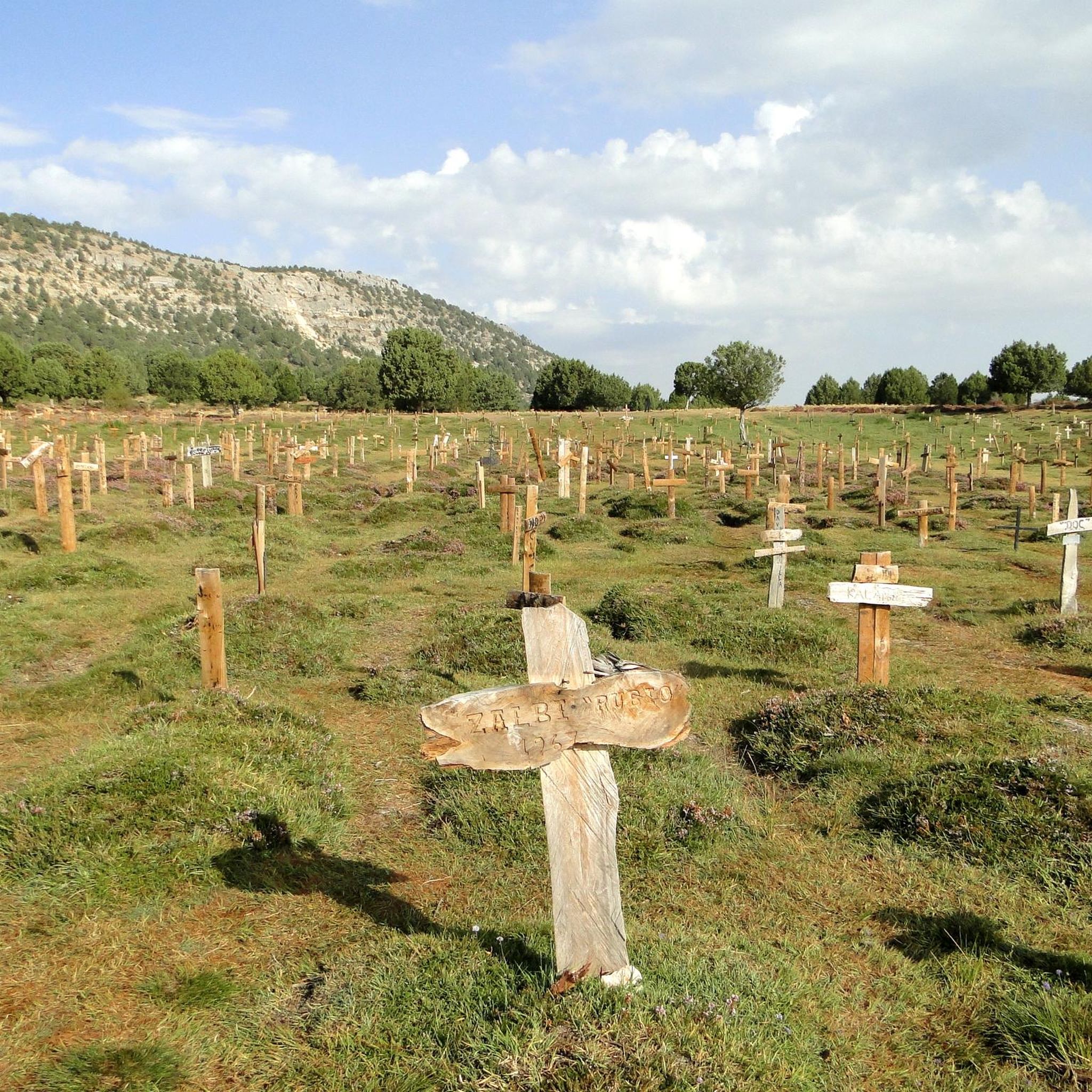
Sad Hill Cemetery
Highlight • Historical Site
Translated by Google •
Tip by

Sign up now to discover places like this
Get recommendations on the best single tracks, peaks, & plenty of other exciting outdoor places.
View of Peña de Carazo
Highlight • Viewpoint
Translated by Google •
Tip by

Mamolar Village
Highlight • Settlement
Translated by Google •
Tip by

Salas de los Infantes Historic Center
Highlight • Historical Site
Translated by Google •
Tip by

Sign up for free to discover even more attractions around Barbadillo Del Mercado.
Already have an account?
Start today with a free account
Your next adventure awaits.

Tips from the Community

🏛️ Monastery of Santo Domingo de Silos Spanish: The Monastery of Santo Domingo de Silos is one of Spain's most iconic monastic sites. Founded during the Visigothic period and rebuilt in the 11th century, it stands out for its impressive Romanesque cloister, one of the most beautiful in the world. Benedictine monks still chant Gregorian chant here, creating an atmosphere of peace and spirituality. It is a must-visit for lovers of history, architecture, and sacred music. English: The Monastery of Santo Domingo de Silos is one of Spain's most iconic monastic sites. Originally founded during the Visigothic period and rebuilt in the 11th century, it is renowned for its stunning Romanesque cloister—one of the finest in the world. Benedictine monks still chant Gregorian music here, creating a peaceful and spiritual atmosphere. A must-visit for those interested in history, architecture, and sacred music.
1
0

Nice area for hiking and mountain biking trails
1
0

The Monastery of Santo Domingo de Silos is a Benedictine abbey located in the province of Burgos, Castile and León. Founded in the 7th century, the monastery is famous for its impressive Romanesque cloister, considered a masterpiece of Spanish Romanesque art. The monastery is also known for its rich tradition of Gregorian chant, which the monks of Silos have kept alive throughout the centuries. In addition, the abbey houses a library with more than a thousand years of history, containing a valuable bibliographic heritage.
6
0

It is worth visiting the monastery.
2
1

The fictional cemetery “Sad Hill Cemetery” was artificially created for the filming of “Two Glorious Scoundrels”. The scene of the big showdown is iconic, in which the three opponents face each other between the graves of an old cemetery in a haunting finale. The cemetery was exposed to increasing decay. A group of courageous residents polished up the cemetery in 2016 in time for the 50th anniversary of the cult western.
0
0

In this natural setting the duel of the mythical movie The Good, the Bad and the Ugly was filmed. But apart from that, as soon as you get there, the cemetery is only part of the natural beauty that that valley has.
1
0
Santo Domingo de Silos is a town and a monastery of Benedictine monks, located in the mountains of the southeast of the province of Burgos, 57 kilometers from the capital. The town and monastery are located in the eastern part of the Tabladillo valley, at 1000 meters above sea level and surrounded by high mountains of limestone rocks, sparsely covered with holm oaks, junipers, eskenes and pines.
8
0

In this monastery you will find the oldest or most ancient (that's where the spirits argue) Romanesque cloister with very beautiful pillars and reliefs. One should look at the details.
8
1
Frequently Asked Questions
What historical sites can I explore around Barbadillo Del Mercado?
The area is rich in history. You can visit the ancient Monasterio de Santo Domingo de Silos, famous for its Romanesque cloister and Gregorian chants. Don't miss the unique Sad Hill Cemetery, an iconic film set from 'The Good, the Bad and the Ugly'. Within Barbadillo del Mercado itself, explore the Renaissance-style Iglesia de la Trinidad, the ancient Puente Romano del Canto, and the Ermita de San Juan Bautista with its Hispano-Visigothic origins. The Salas de los Infantes Historic Center also offers a glimpse into the region's past.
Are there any natural viewpoints or scenic spots nearby?
Yes, the region offers beautiful natural landscapes. A must-see is the View of Peña de Carazo, which provides stunning vistas of the Tabladillo valley and the surrounding limestone mountains. Barbadillo del Mercado is also situated within the Sierra de la Demanda and borders the Sabinares del Arlanza Natural Park, offering picturesque scenery along the Arlanza River.
What kind of outdoor activities can I do near these attractions?
The area around Barbadillo Del Mercado is perfect for outdoor enthusiasts. You can find numerous routes for cycling, running, and road cycling. For example, there are challenging cycling tours like the 'Covarrubias and Hortiguela from Salas de los Infantes' route, or scenic running trails such as the 'Castillo de Castrovido' loop. Explore more options on the dedicated guides for Cycling around Barbadillo Del Mercado, Running Trails around Barbadillo Del Mercado, and Road Cycling Routes around Barbadillo Del Mercado.
Are there family-friendly attractions in the Barbadillo Del Mercado area?
Many attractions in the area are suitable for families. The Monasterio de Santo Domingo de Silos offers a cultural experience, and the unique Sad Hill Cemetery can be an interesting visit for older children. The charming Mamolar Village with its traditional stone houses is also a pleasant stop. Exploring the natural landscapes and easy walking paths along the Arlanza River can also be enjoyable for families.
What is the best time of year to visit Barbadillo Del Mercado for outdoor activities?
For outdoor activities like hiking and cycling, spring (April to June) and autumn (September to October) generally offer the most pleasant weather. Temperatures are milder, and the natural landscapes are vibrant. Summer can be warm, but still suitable for early morning or late afternoon excursions. Winter can be cold, especially in the Sierra de la Demanda, but offers a different, serene beauty.
What are some unique cultural aspects or traditions of Barbadillo Del Mercado?
Barbadillo del Mercado is known for its vibrant folklore and traditional dances. These include the 'Danza del Reinado,' the 'Danza de la Campiña' (danced by girls with hoops), and the sentimental 'Las Lambradas' couplet. The Iglesia de la Trinidad also hosts cultural events, reflecting the town's active community spirit.
Can I find any ancient or Roman structures in the area?
Yes, the Puente Romano del Canto, an ancient bridge over the Arlanza River, has parts believed to be of Roman origin, specifically its two oldest arches. While most of the bridge dates from the 12th-14th centuries, its foundation speaks to a long history as an important communication route.
What kind of natural park is near Barbadillo Del Mercado?
Barbadillo del Mercado is part of the Sabinares del Arlanza Natural Park, which is notable for its extensive juniper forests. A significant portion of the municipal territory is also designated as a Special Protection Area for Birds (ZEPA Sabinares del Arlanza), making it an important habitat for species like the Griffon Vulture and Egyptian Vulture.
Are there any charming villages to visit near Barbadillo Del Mercado?
Absolutely. The nearby Mamolar Village is a small, picturesque settlement characterized by its traditional stone houses and red roofs, nestled between hills and cultivated fields. It offers a glimpse into rural Spanish life.
What do visitors enjoy most about the attractions around Barbadillo Del Mercado?
Visitors particularly appreciate the blend of historical significance and natural beauty. The impressive Romanesque architecture and Gregorian chants at the Monasterio de Santo Domingo de Silos are highly praised. The unique cinematic history of Sad Hill Cemetery also draws considerable interest, with many noting its natural setting. The scenic views from spots like Peña de Carazo are also a favorite among the komoot community.
Can I find examples of traditional architecture in Barbadillo Del Mercado?
Yes, the town features well-preserved stately homes known as 'Casas Blasonadas' with coats of arms, which indicate the historical wealth of the area. These, along with the traditional stone houses in nearby villages like Mamolar, showcase the region's architectural heritage.
Is there a civic monument in Barbadillo Del Mercado that reflects its historical importance?
Yes, in the Plaza Mayor, you can find the Rollo Jurisdiccional. This stone column is a civic monument that historically signified the town's right to administer justice and also served as a pillory for public shaming, offering a tangible link to its past governance.
Most popular routes around Barbadillo Del Mercado

Get inspired with the komoot mobile app


Explore more
Still not found the Highlight you’re looking for? See guides of the top attractions in other regions:
