Attractions and Places To See around Bercianos Del Real Camino - Top 20
Best attractions and places to see around Bercianos Del Real Camino, a village in León, Spain, offers a blend of historical, cultural, and natural features. Situated within the Tierra de Campos, the area is characterized by extensive plains and varied landscapes. It serves as an important stop on the French Way of the Camino de Santiago, with a rich history tied to the pilgrimage route. The village itself features rural architecture and significant religious buildings.
Best attractions and places to…
Last updated: July 7, 2026
Geographical Center of the Camino Francés – Ermita de la Virgen del Puente
Highlight • Religious Site
Translated by Google •
Tip by

San Benito Arch and Ruins of the Monastery of San Benito
Highlight • Historical Site
Translated by Google •
Tip by

Sign up now to discover places like this
Get recommendations on the best single tracks, peaks, & plenty of other exciting outdoor places.
Sign up for free
El Burgo Ranero
Highlight • Settlement
Translated by Google •
Tip by

Hermitage of Our Lady of Perales
Highlight • Religious Site
Translated by Google •
Tip by

Pilgrims' hostel
Highlight • Mountain Hut
Translated by Google •
Tip by

Sign up for free to discover even more attractions around Bercianos Del Real Camino.
Sign up for free
Already have an account?
Start today with a free account
Your next adventure awaits.
Login or Signup

Tips from the Community

The Hermitage of the Virgin of the Bridge is a historic gem located about three kilometers east of Sahagún, in the province of León. Built in the 13th century, the hermitage is an example of the Mudejar style, characterized by its blend of Christian and Islamic elements. It's a place steeped in history and tradition, perfect for a visit if you're in the area.
7
0

The Ermita de Nuestra Señora de Perales is a historic chapel located in Bercianos del Real Camino. The chapel was built in the 17th century. It was originally dependent on the Hospital del Cebreiro, which was founded in the 12th century. It is a simple brick building with a gable roof and a single tower. The interior is sober but charming, with a focus on devotion to Our Lady of Perales. Every year on September 8, a romería (pilgrimage) is held in her honor, during which the people of Bercianos del Real Camino visit the chapel and celebrate a party. The chapel is open from June 15 to September 30, from Monday to Sunday, between 11:00 and 13:00 and 18:00 and 20:00.
2
0
The Arco de San Benito is an impressive monument in Sahagún, located in the region of Castilla y León, Spain. It was built around 1662 by the architect Felipe Berrojo to replace the old Romanesque portal of the Monasterio de San Benito. The arch is designed as a triumphal arch, under which the N-120 passes, and is also known as "la puerta de Sahagún" (the gate of Sahagún). The monument is richly decorated with a central shield, inscriptions and sculptures of Saints Facundo and Primitivo. At the top is the royal shield, and there are also sculptures of Alfonso III and Alfonso VI, who were important protectors of the monastery.
8
0
The Ermita de La Virgen del Puente is a 13th-century Mudéjar hermitage located about three kilometres east of Sahagún, on the Camino Francés of the Camino de Santiago. The building stands next to a bridge over the Valderaduey River, hence its name. It has a single nave and a small choir with a semicircular apse, cipher arcades and corner friezes. It was once a hospital for pilgrims and lepers and is now used for the annual San Marcos festival with the famous Tantáriga dance.
3
0
The Arch" author Manuel García Juan. This mural shows two unmistakable symbols of Sahagún, a pilgrim, who represents those who cross the streets throughout the year, and the Arch of San Benito, the entrance door to the Monastery of San Benito that remains open as a symbol of invitation. Year 2020
3
1
Sahagún is a charming town and municipality in the province of León, in the autonomous community of Castile and León, and is an important point on the Santiago de Compostela pilgrimage route. Sahagún is known for its rich history and beautiful architecture, including some of the earliest examples of the Mudejar style. The town also has a number of medieval churches from the 12th and 13th centuries. One of the most notable historical events is the Battle of Sahagún in 1808, where the British light cavalry won a victory over the French troops. The town is also famous for its former Benedictine monastery, which played an important role in the Santiago de Compostela pilgrimages. Although the monastery was dissolved and largely demolished in the 19th century, it remains an important part of Sahagún's history.
3
1
"El Arco, un peregrino y el Arco de San Benito.": Tribute to the pilgrim and the Arch of San Benito that shines in a mural of 150 square meters in the area of the Arch of San Benito.
3
1

In this urban hostel you can usually always find good accommodation for little money
4
0
Frequently Asked Questions
What historical and cultural sites can I explore in Bercianos Del Real Camino?
Bercianos Del Real Camino is rich in history, especially due to its connection with the Camino de Santiago. You can visit the Hermitage of Our Lady of Perales, a religious building from the 17th century that hosts a local pilgrimage every September 8th. The village also features the Hermitage of San Roque and the Parish Church of El Salvador, both significant local landmarks. The entire village, with its admirable rural architecture, reflects a way of life dedicated to agriculture and its historical role on the Camino.
Are there any significant Mudejar art examples near Bercianos Del Real Camino?
Yes, the region boasts notable examples of Mudejar art. The San Benito Arch and Ruins of the Monastery of San Benito in Sahagún is an impressive monument built around 1662, serving as a triumphal arch and a key example of Mudejar architecture. Additionally, the Geographical Center of the Camino Francés – Ermita de la Virgen del Puente, a 13th-century hermitage, also showcases the distinctive Mudejar style.
What natural features can I experience around Bercianos Del Real Camino?
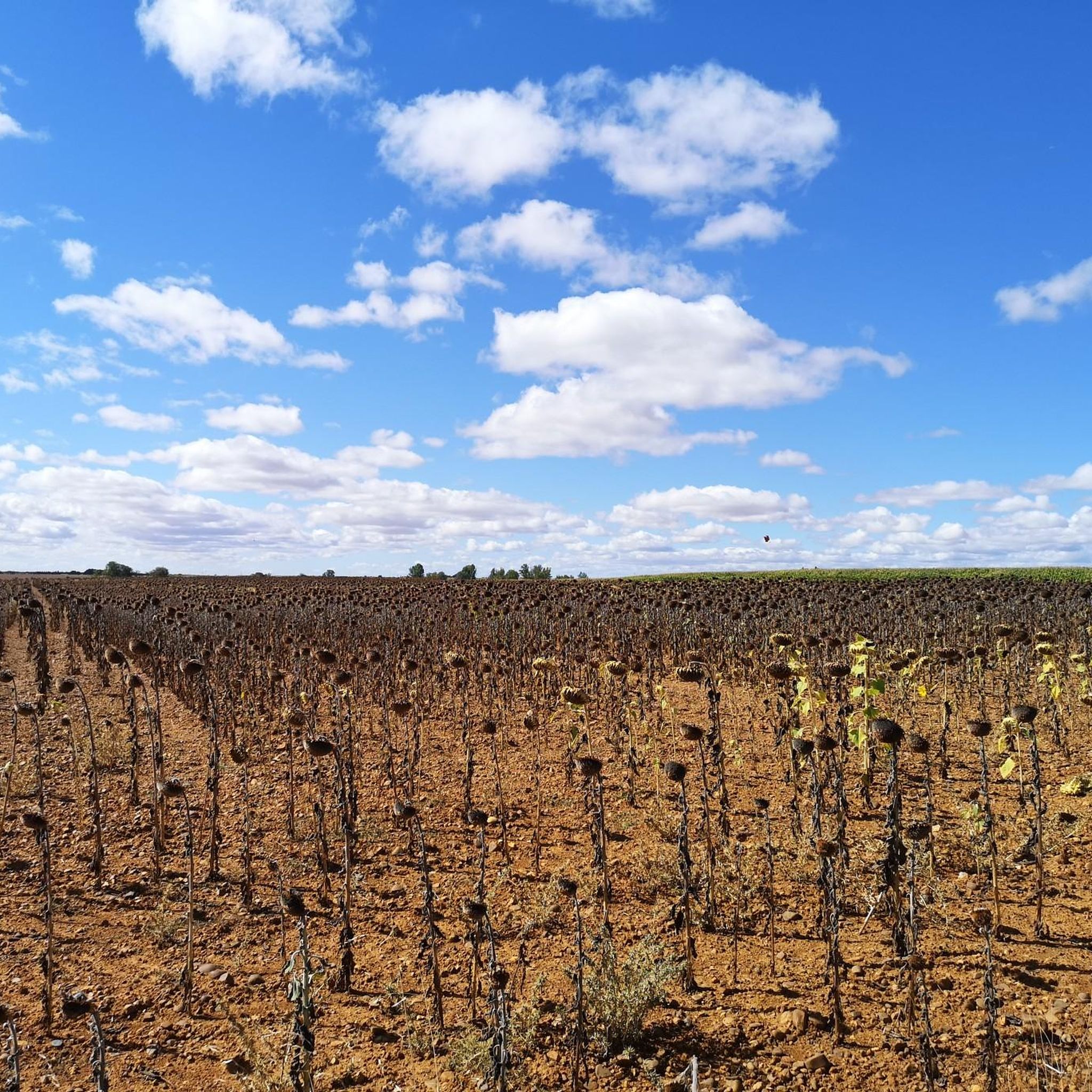
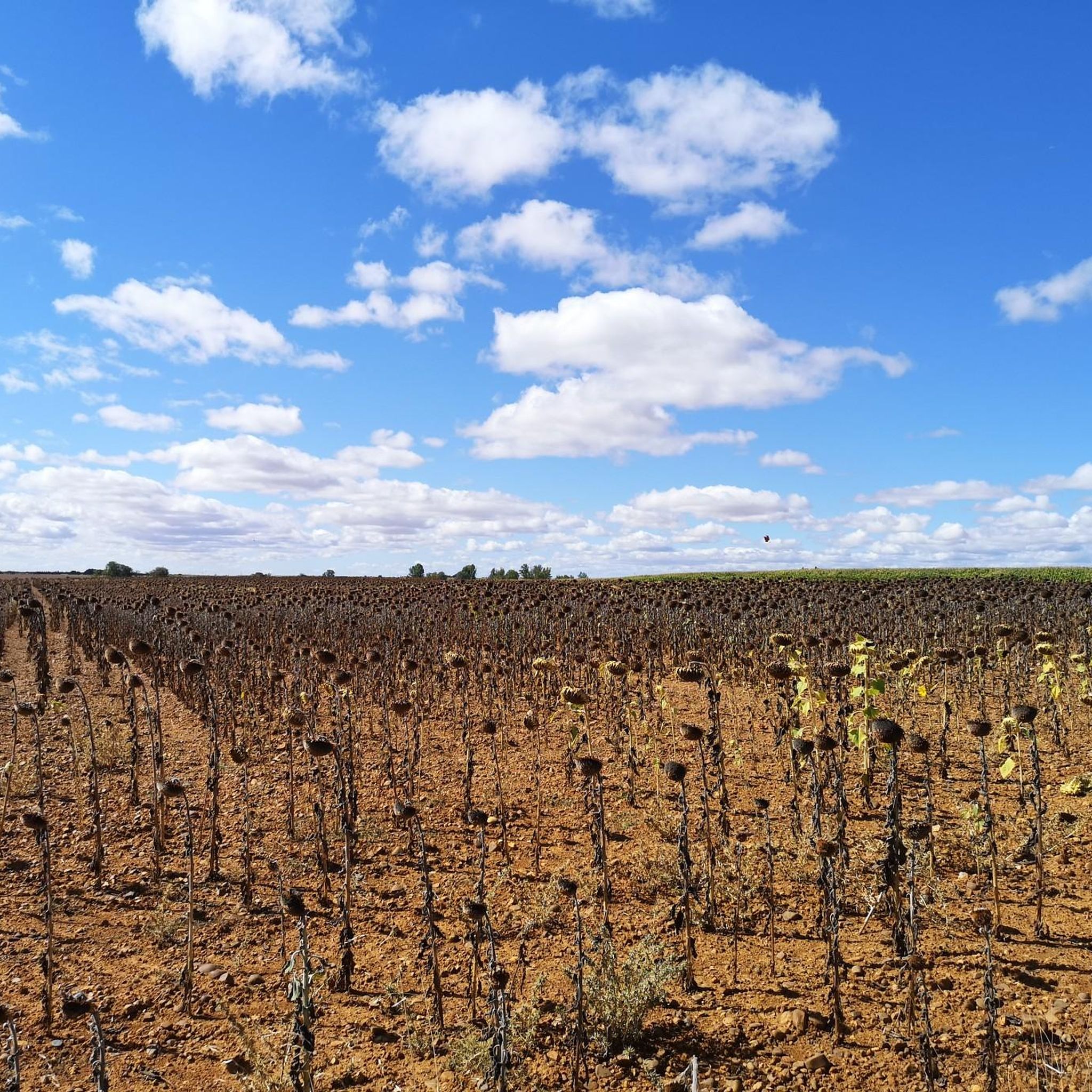
Bercianos Del Real Camino is situated within the Tierra de Campos, a natural region known for its extensive plains and varied landscapes, ideal for walking and immersing oneself in nature. You can also find the peaceful Rosemary Fountain along the Jacobean route in the Elm Valley. Near El Burgo Ranero, another settlement on the Camino, you can enjoy the natural beauty of the Manzana Lagoon.
What is the significance of the Geographical Center of the Camino Francés?
The Geographical Center of the Camino Francés – Ermita de la Virgen del Puente is a historic 13th-century hermitage that marks the exact geographic midpoint of the Camino Francés between Saint Jean Pied de Port and Santiago de Compostela. It's a significant stop for pilgrims, featuring two statues on the bridge representing secular and ecclesiastical power, highlighting its historical importance.
Are there family-friendly attractions in the area?
Many of the historical and cultural sites around Bercianos Del Real Camino are considered family-friendly. For instance, the San Benito Arch and Ruins of the Monastery of San Benito, the Geographical Center of the Camino Francés – Ermita de la Virgen del Puente, and the settlement of El Burgo Ranero are all categorized as family-friendly, offering engaging experiences for all ages.
What outdoor activities can I do near Bercianos Del Real Camino?
The area around Bercianos Del Real Camino offers various outdoor activities, particularly hiking and cycling. You can explore numerous routes, such as the 'Grajal de Campos from Sahagún – circular by the río Cea' for hiking or the 'Tierra de Campos – circular from El Burgo Ranero via Gordaliza del Pino and Bercianos del Real Camino' for cycling. For more options, you can check out the dedicated guides for Hiking around Bercianos Del Real Camino and Cycling around Bercianos Del Real Camino.
What is the best time to visit Bercianos Del Real Camino?
The region can be enjoyed throughout the year, but specific events might influence your visit. The local pilgrimage in honor of the Virgen de Perales takes place every September 8th. The Hermitage of Our Lady of Perales is typically open from June 15 to September 30, between 11:00 and 13:00 and 18:00 and 20:00. For outdoor activities, spring and autumn offer pleasant temperatures for hiking and cycling.
Are there any accessible attractions for visitors with mobility needs?
Yes, the San Benito Arch and Ruins of the Monastery of San Benito is noted as wheelchair accessible, making it a suitable option for visitors with mobility needs. While the village itself features rural architecture, it's always advisable to check specific accessibility details for other sites if needed.
Where can I find accommodation or services for pilgrims?
Bercianos Del Real Camino is an important stop on the Camino de Santiago, so pilgrim services are available. The village has a historical connection to the Camino, having founded one of the first pilgrim hostels. The Pilgrims' hostel, set in a medieval Mudejar church, offers accommodation and tourist information. Additionally, El Burgo Ranero, a nearby town, also provides various accommodations and services for pilgrims.
What kind of local cuisine can I expect in the region?
The local gastronomy highlights products from the land. You can expect traditional recipes featuring high-quality game meats such as hare and partridge. Pork is also a significant element, used to produce regional specialties like black pudding and ham. Many local establishments, especially in towns like Sahagún, offer these traditional dishes.
What do visitors enjoy most about the attractions around Bercianos Del Real Camino?
Visitors particularly appreciate the rich historical and cultural heritage, especially the deep connection to the Camino de Santiago. The Mudejar architecture, such as the San Benito Arch and the Ermita de la Virgen del Puente, is highly valued. Many also enjoy the peaceful natural landscapes of the Tierra de Campos and the sense of history found along the ancient pilgrim routes.
Most popular routes around Bercianos Del Real Camino

Get inspired with the komoot mobile app


Explore more
Still not found the Highlight you’re looking for? See guides of the top attractions in other regions:
