The best road cycling routes around Sant Cebrià De Vallalta
4.1
(143)
11,402
riders
57
rides
Road cycling routes around Sant Cebrià De Vallalta are situated inland from the coast, within the valley of the Riera de Vallalta, and are cradled by the Montnegre and Sant Pol mountain ranges. This area is characterized by varied terrain, including extensive pine groves, holm oak forests, and cork oak woods, particularly within the Montnegre-Corredor Natural Park. The landscape transitions from dense forests to Mediterranean agricultural lands, offering diverse elevations for road cyclists.
Best road cycling routes around Sant Cebrià…
Last updated: July 6, 2026
177
riders
91.3km
04:07
900m
900m
Hard road ride. Very good fitness required. Mostly well-paved surfaces and easy to ride.
4.0
(4)
166
riders
24.2km
01:15
280m
280m
Easy road ride. Great for any fitness level. Mostly well-paved surfaces and easy to ride.

Sign up for free
5.0
(1)
112
riders
Moderate road ride. Great for any fitness level. Some segments of this route may be unpaved and difficult to ride.
4.0
(1)
66
riders
30.2km
01:20
130m
130m
Easy road ride. Great for any fitness level. Mostly well-paved surfaces and easy to ride.
4.5
(15)
1,027
riders
57.6km
02:44
570m
570m
Moderate road ride. Good fitness required. Mostly well-paved surfaces and easy to ride.
Get access to more routes and recommendations from other explorers.
Sign up for free
Already have an account?
Our route recommendations are based on thousands of hikes, rides, and runs completed by other people on komoot.
Start today with a free account
Your next adventure awaits.
Login or Signup

Tips from the Community

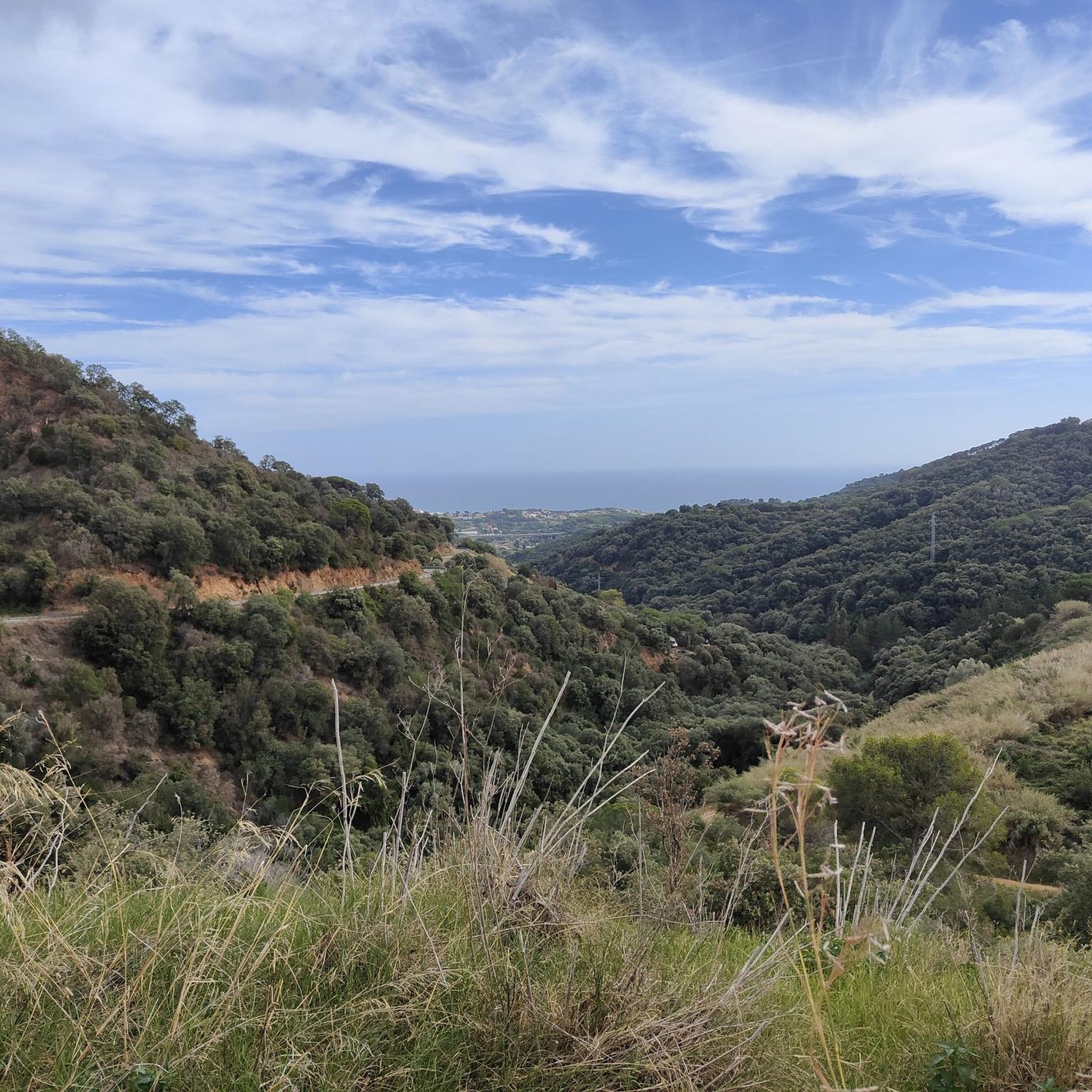
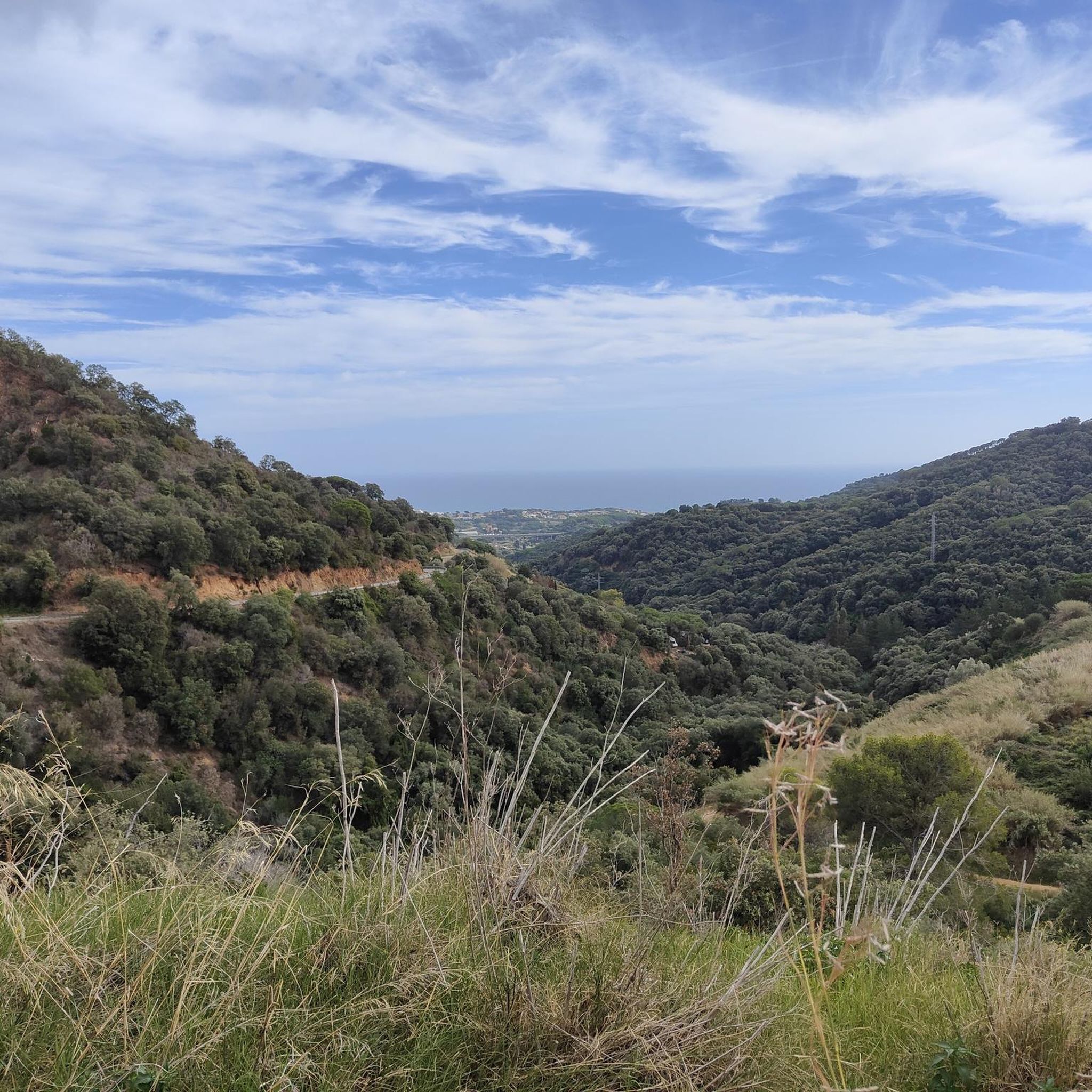
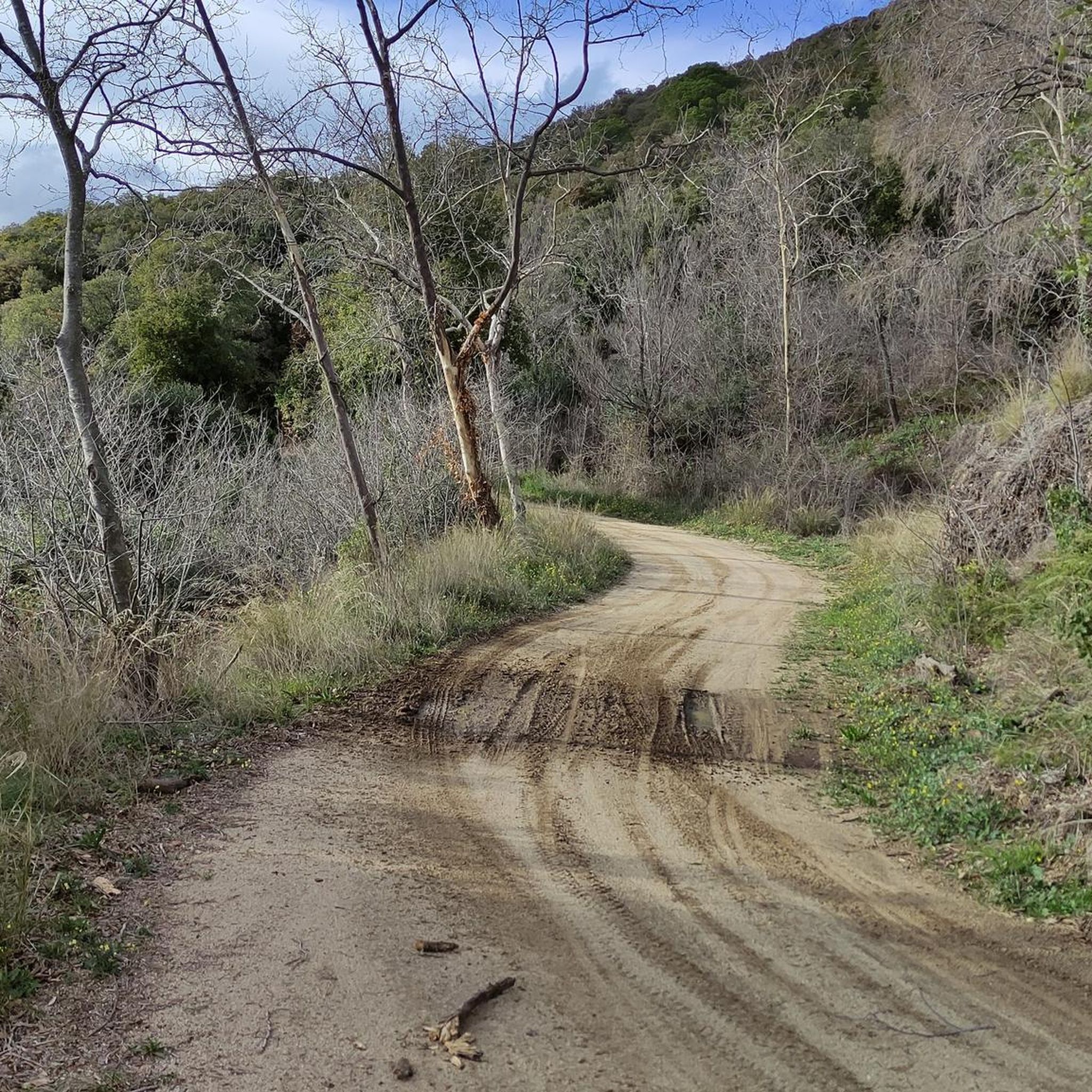
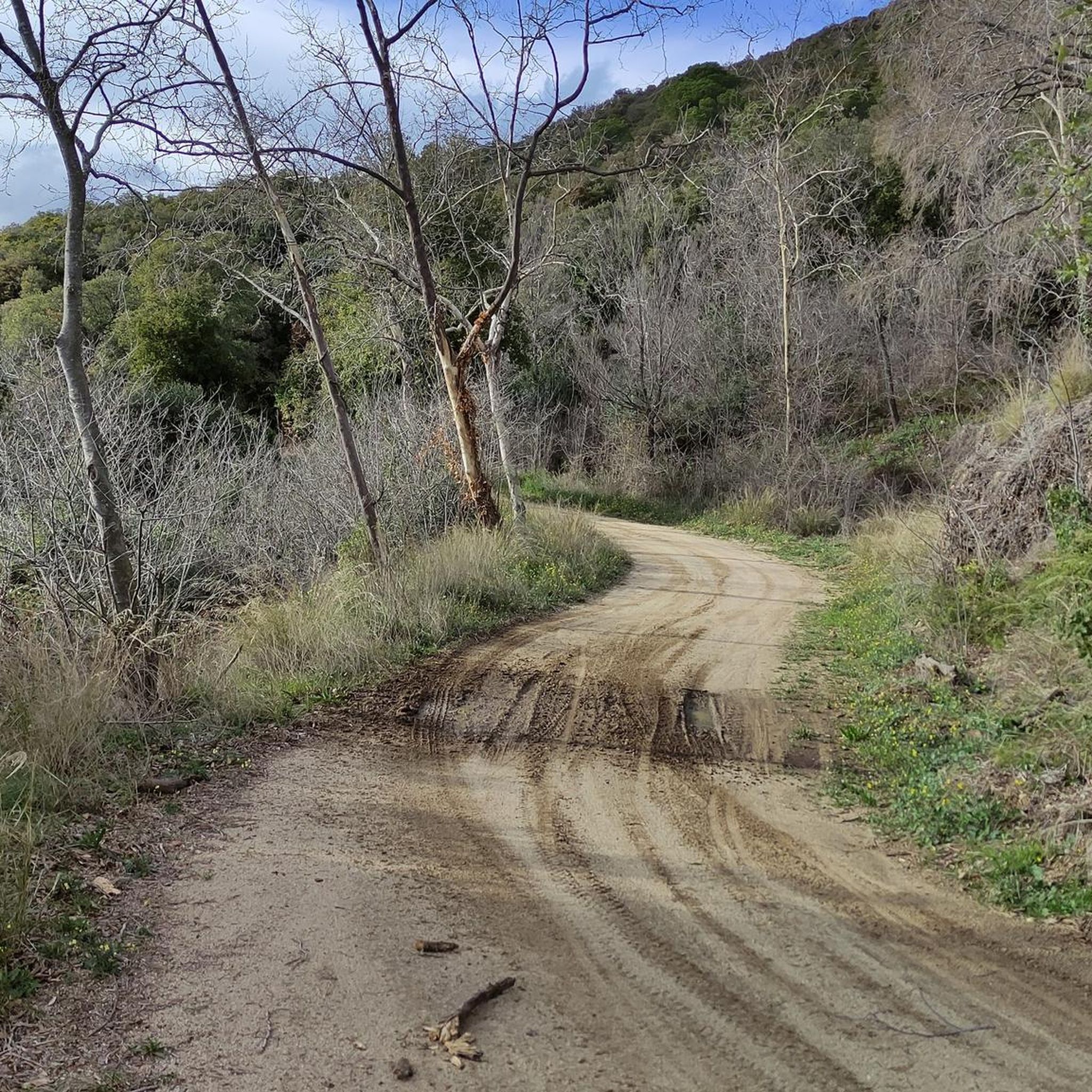
It is a very pleasant stretch of road thanks to the shade of the vegetation and the low traffic. In winter it tends to be damp, so I recommend caution.
1
0


An iconic point that marks the entrance to Mataró. Laia l’Arquera, created by local artist Josep Maria Rovira i Brull in 1998, stands 34 meters tall as a symbol of the city. It represents a prehistoric woman with a bow, but with a key detail: it points towards Burriac castle, connecting the present with the Iberian origins of the territory. More than a decorative figure, its creator conceived it as a kind of goddess linked to the land and the identity of the place. A good stopping point to look up for a moment before continuing to ride.
0
0

Beautiful wrought iron statue
1
0


Platja de la Punta de la Tordera is a beautiful beach in the coastal town of Malgrat de Mar, in the Catalonia region of Spain. This beach is known for its unique natural features, including the type of sand and the surrounding environment. The beach is a popular tourist attraction, known for its tranquility and clean waters, making it a favorite spot for swimming and fishing. The natural beauty of Platja de la Punta de la Tordera is not limited to its sandy beaches, but also extends to a spectacular stretch of coastline that visitors can enjoy even on colder, windy, or rainy days. Its tranquil atmosphere and picturesque views make it a popular destination for tourists and locals alike. Platja de la Punta de la Tordera offers a variety of amenities and services to cater to all visitors.
0
0

Fantastic views of the coast, the road is in very good condition. Always be careful because there is car traffic in summer and weekends especially.
1
1

Coll de Orrius is also known as Coll de Sant Bertomeu.
1
0
Frequently Asked Questions
How many road cycling routes are available around Sant Cebrià De Vallalta?
There are over 50 road cycling routes around Sant Cebrià De Vallalta, offering a wide variety of options for different skill levels. The komoot community has explored these routes over 10,000 times.
What kind of terrain can I expect on road cycling routes in Sant Cebrià De Vallalta?
The terrain around Sant Cebrià De Vallalta is quite varied, ranging from coastal sections to significant climbs and descents through the Montnegre and Sant Pol mountain ranges. You'll encounter extensive pine groves, holm oak forests, and cork oak woods, particularly within the Montnegre-Corredor Natural Park, alongside Mediterranean agricultural lands. The region is known for its varied elevations, ideal for cyclists seeking both challenging ascents and rewarding views.
Are there any easy road cycling routes suitable for beginners or families?
Yes, there are easy road cycling routes available. For instance, the Canet de Mar - Sant Pol de Mar - Arenys de Munt Loop is an easy 15.0-mile (24.2 km) path that connects coastal towns with inland sections, offering a mix of scenery. Another accessible option is the Maresme Coast Axis, an easy 30.2 km route with minimal elevation gain.
Can I find challenging routes with significant climbs in the area?
Absolutely. The Montnegre massif ensures a landscape with varied elevations, perfect for road cyclists seeking climbs and descents. A notable challenging route is Cycling the Maresme Mountains, a difficult 56.8-mile (91.3 km) trail featuring significant climbs and descents through the region's mountainous terrain. Routes like 'Calella - Collformic - Santa Fe del Montseny' and 'Santa Susanna - Turó de l'Home' also suggest substantial mountain ascents.
What natural features or viewpoints can I discover along the cycling routes?
The region offers numerous natural features and panoramic viewpoints. You can find natural springs and streams like Font de l'Om and Font del Ferro. For stunning vistas, the Turó Gros provides a viewpoint over the coastline. The Rupit Cross is another significant landmark offering expansive views of the surrounding Vallès and Maresme areas. Many routes traverse the Montnegre-Corredor Natural Park, known for its rich biodiversity and extensive forests.
Are there any historical or cultural landmarks accessible by road bike?
Yes, several historical and cultural landmarks are accessible. Within the natural park, you can visit the Corredor Sanctuary, a late Gothic religious site. The town of Sant Cebrià de Vallalta itself boasts the Romanesque church of Sant Cebrià and ancient farmhouses, some dating back to the 15th and 16th centuries, which can be points of interest during your rides.
Is it possible to find circular road cycling routes in Sant Cebrià De Vallalta?
Yes, circular routes are popular in the area. An example is the Arenys de Mar towards Arenys de Munt - circular via the seafront promenade, a 13.0-mile (20.9 km) trail that takes you through coastal areas and inland roads. The Canet de Mar - Sant Pol de Mar - Arenys de Munt Loop is another excellent circular option.
What is the best time of year for road cycling in Sant Cebrià De Vallalta?
The Maresme region, including Sant Cebrià de Vallalta, generally offers excellent conditions for road cycling for much of the year. The Mediterranean climate means mild winters and warm summers. Spring and autumn are particularly pleasant, with comfortable temperatures and lush landscapes. Even in winter, many days are suitable for cycling, though some higher mountain passes might be cooler.
Are there options for parking when planning a road cycling trip?
While specific dedicated cyclist parking isn't detailed, Sant Cebrià de Vallalta, as a municipality that actively promotes outdoor activities, likely offers public parking facilities. It's advisable to check local municipal websites or maps for public parking areas in and around the town center or near popular trailheads before your visit.
Can I use public transport to reach the cycling routes with my bike?
Public transport options like Renfe Cercanías (local trains) and various bus lines serve the wider Barcelona region, including areas near Sant Cebrià de Vallalta. Policies for carrying bicycles on these services can vary. It's recommended to check the specific operator's website (e.g., Renfe or the bus company) for their current bicycle transport regulations and schedules before planning your journey.
Are there any specific permits required for cycling in the Montnegre-Corredor Natural Park?
The Montnegre-Corredor Natural Park is a protected area with marked routes for cyclists and hikers. While general access for cycling on designated trails is usually permitted, it's always good practice to consult the official park authority's website for any specific regulations or permit requirements that might apply to certain areas or activities within the park. Generally, road cycling on public roads within and around the park does not require special permits.
What do other cyclists say about the road cycling experience in Sant Cebrià De Vallalta?
The road cycling routes around Sant Cebrià De Vallalta are highly rated by the komoot community, with an average score of 4.2 stars from over 120 reviews. Cyclists often praise the varied terrain, the beautiful natural landscapes of the Montnegre-Corredor Natural Park, and the mix of challenging climbs and scenic coastal sections.
Are there any bike-friendly cafes or places to stop along the routes?
Sant Cebrià de Vallalta and its neighboring towns are part of a region that welcomes outdoor enthusiasts. While specific bike-friendly cafes aren't listed, you'll find local establishments in the villages and towns along the routes where you can stop for refreshments. The area is known for local specialties like strawberries and mushrooms, so look out for local eateries.
Most popular routes around Sant Cebrià De Vallalta
Most popular attractions around Sant Cebrià De Vallalta

Get inspired with the komoot mobile app


Explore more
Browse the best Road cycling routes in other regions.
