The best walks and hikes around Escariche
4.5
(14)
55
hikers
6
hikes
Hiking around Escariche, a municipality in the province of Guadalajara, Castile-La Mancha, Spain, offers access to diverse landscapes. Situated at an altitude of 788 meters, the town itself features traditional Alcarreña rural houses and historical architecture. While Escariche provides a glimpse into village life, its appeal for outdoor activities stems from its proximity to the wider Guadalajara province, known for varied terrain including volcanic trails, canyons, and natural parks. The region's physical features include rolling hills and areas that suggest…
Last updated: June 24, 2026
8
hikers
4.64km
01:17
80m
80m
Explore the historic ducal villa of Pastrana on this easy 2.9-mile (4.6 km) hiking tour, discovering ancient buildings and panoramic views.
5.0
(1)
1
hikers
12.1km
03:26
260m
260m
Hike a moderate 7.5-mile circular route from Hontoba to the Ruins of Hospital de Renera, exploring the path of los chaparros.

Sign up for free
1
hikers
15.2km
04:13
240m
240m
Hike a moderate 9.5-mile (15.2 km) circular route from Loranca de Tajuña to explore the historical ruins of the Convento Jesús del Monte.
4.8
(6)
16
hikers
Moderate hike. Good fitness required. Easily-accessible paths. Suitable for all skill levels.
4.5
(2)
12
hikers
16.8km
04:30
190m
190m
Moderate hike. Good fitness required. Easily-accessible paths. Suitable for all skill levels.
Our route recommendations are based on thousands of hikes, rides, and runs completed by other people on komoot.
Start today with a free account
Your next adventure awaits.
Login or Signup
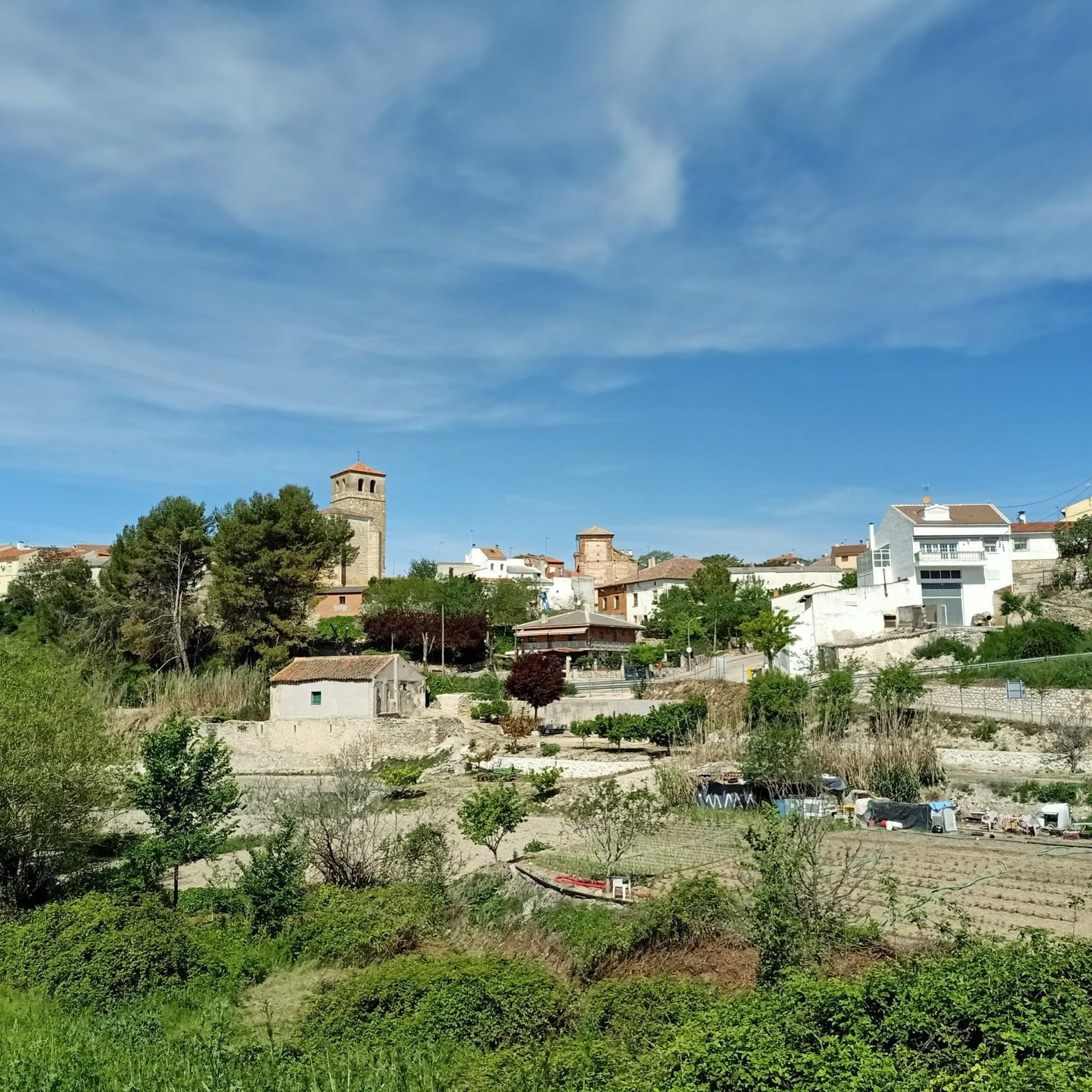
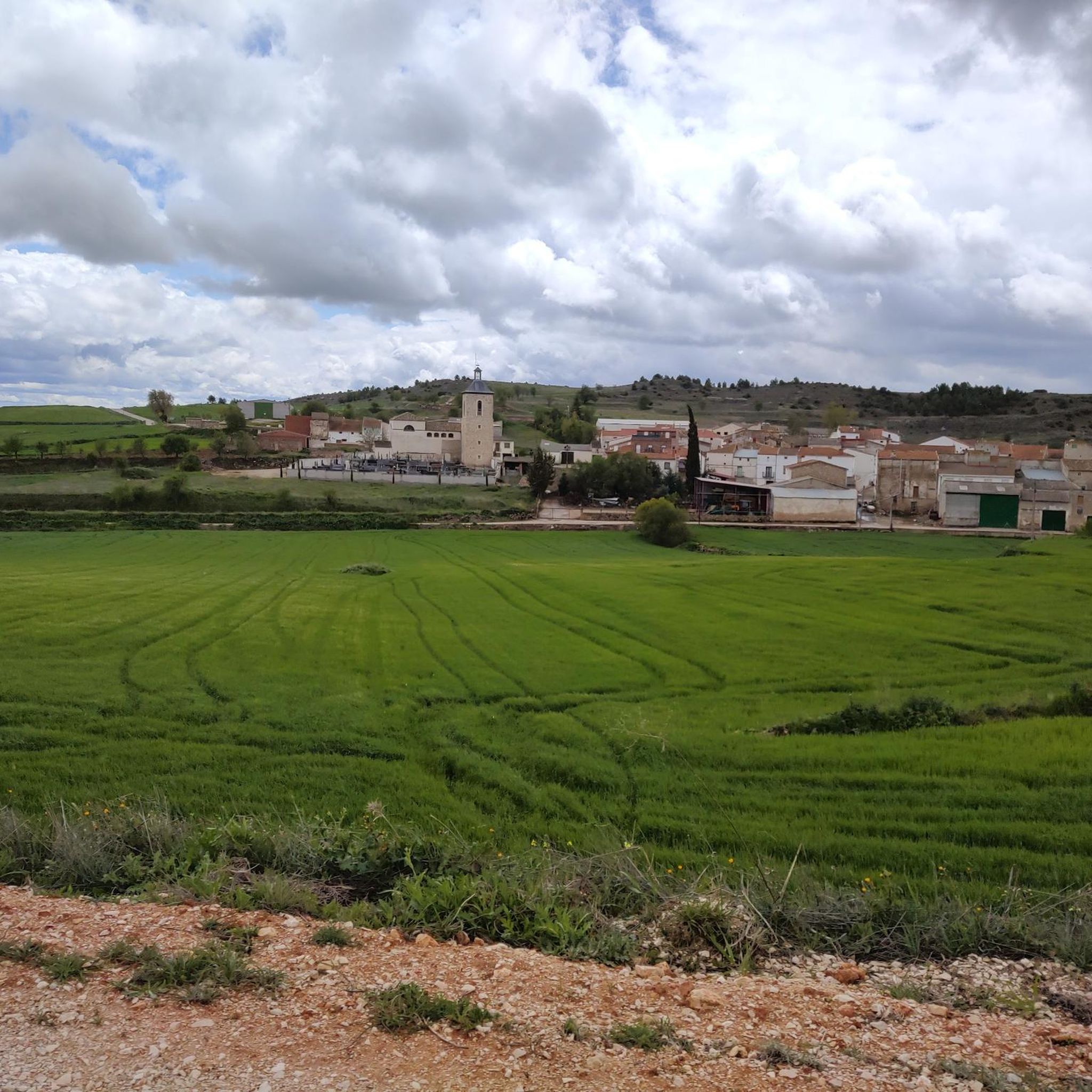



Tips from the Community

The Tajuña Valley has numerous rural roads and forest tracks that run parallel to the river for much of its length, but not all are continuous or always in good condition. The Tajuña River Nature Trail, officially documented as a long hiking route from its source to its mouth, passes through Loranca de Tajuña along its course.
1
0
The hermitage is located on a hill north of Hontoba, in the La Alcarria region, overlooking the Tajuña and Hontoba stream valleys from a promontory that reaches an altitude of approximately 901 meters. Its origins are unclear, although according to legend, the Virgin Mary appeared to a shepherd and asked that a hermitage be built. There are indications of a 13th-century chapel where the Virgin was already venerated. It was also a place of retreat for nobles such as Íñigo López de Mendoza, 4th Duke of the Infantado, in the 16th century. The hermitage is listed on the Red List of Endangered Heritage due to its alarming state of general ruin.
1
0

The starting point is the Plaza de la Villa, following the main street to the outskirts of the town, where the interpretation stands are located.
0
0
The viewpoint is on the edge of the moor, above the slopes of oaks and holm oaks of the Val stream, and has beautiful views of the slopes of the valley and the white hamlet of Olmeda de las Fuentes.
0
0
The unique urban style of Nuevo Baztán maintains the original Baroque model from the beginning of the 18th century, designed by José de Churriguera by order of Juan de Goyeneche, who had permission from Charles II to build glass, paper and textile factories on Spanish territory. The Navarrese businessman was originally from Arizkun, in the Baztán Valley, but spent time in Madrid because he had other properties and professional relations with the Court. He chose the site of Madrid's Alcarria to found an industrial and rural centre in honour of his homeland and commissioned the Madrid architect to build a glass factory, a farming village of half a thousand inhabitants, a palace, a monumental church and gardens with centuries-old pines and elms. The town preserves cobbled streets, stone squares, rural buildings from the time of its foundation, between 1709 and 1713, and palace gardens, a beautiful heritage complex declared a Historic-Artistic Monument in 1941 and a Site of Cultural Interest in 2000.
0
0

Fountain in the small park in front of the church.
0
0
On the Red List of Heritage for its "state of ruin and abandonment". The building, from the 16th century, was occupied until the 17th century. Exactly until the year 1767, the year in which Carlos III expelled the Society of Jesus, the Jesuits, from Spain.
3
0
In the main square, centered by a large fountain with four spouts that ends in a ball on which the date 1832 appears, the clock tower stands out, with several bodies, and the building of the parish church, dedicated to San Pedro Apóstol.
3
0
Frequently Asked Questions
What kind of terrain can I expect when hiking around Escariche?
Hiking around Escariche offers a mix of landscapes, reflecting its location in the wider Guadalajara province. You can expect to encounter rolling hills, traditional rural settings, and areas that hint at the diverse natural features of the region, including potential canyons and natural parks further afield. The trails often pass through historical sites and offer a glimpse into traditional Spanish village life.
Are there any easy hiking trails suitable for beginners in Escariche?
Yes, there is at least one easy trail available. The Pastrana Cultural Heritage Route is an easy 4.6 km (2.9 miles) trail that takes approximately 1 hour 16 minutes to complete, focusing on the cultural heritage of the area.
What are some moderate hiking options around Escariche?
For those looking for a moderate challenge, several options are available. The Hontoba and Ermita de los Llanos Loop is a 12.1 km (7.5 miles) path taking about 3 hours 25 minutes. Another option is the Convento Jesús del Monte Trail, a 15.2 km (9.5 miles) route through rural landscapes, typically completed in about 4 hours 12 minutes. Additionally, the Viewpoint Route – El Balconcillo Viewpoint loop from Olmeda de las Fuentes offers moderate difficulty over 8.6 km (5.3 miles).
Are there any circular walks available near Escariche?
Yes, there are circular routes to enjoy. The Hontoba and Ermita de los Llanos Loop is a popular moderate loop trail offering varied scenery. Another option is the Hiking loop from Mondéjar, a moderate 16.8 km (10.4 miles) route.
What historical or cultural landmarks can I see while hiking near Escariche?
The region around Escariche is rich in history. You can explore sites like the Pioz Castle or the Picota of Pezuela de las Torres. The town of Escariche itself features the 16th-century Church of San Miguel and the former Convento de la Purísima Concepción, offering insights into local history and architecture.
Are there any natural attractions or viewpoints along the trails?
While specific natural attractions directly on the trails are not detailed, the broader Guadalajara province is known for diverse landscapes. You can find natural monuments such as the Encina de la Pica or the Cuevas Blancas Rock Formations in the vicinity. The Viewpoint Route – El Balconcillo Viewpoint loop from Olmeda de las Fuentes specifically highlights a viewpoint.
What do other hikers say about the trails around Escariche?
The trails around Escariche are highly regarded by the komoot community, with an average rating of 4.4 stars from over 10 reviews. Hikers often appreciate the varied terrain and the opportunity to explore both historical sites and natural landscapes.
What is the best time of year to go hiking in Escariche?
While specific seasonal recommendations for Escariche are not provided, the climate of Castile-La Mancha generally suggests spring and autumn as ideal for hiking. These seasons offer milder temperatures, making for more comfortable conditions to explore the rural landscapes and historical sites.
Are there any trails that follow rivers or water features?
While direct trail information isn't specific, the Road Along the Tajuña River is a notable nearby attraction, suggesting that some routes in the wider area might offer views or proximity to this river. For specific water features, you might need to explore trails further into the Guadalajara province, which is known for areas like the Alto Tajo Natural Park with waterfalls.
How many hiking routes are available in the Escariche area?
There are several hiking routes available around Escariche, offering a range of distances and difficulties. The komoot community has mapped out a number of trails, including easy and moderate options, allowing for diverse hiking experiences.
What is the longest hiking trail available near Escariche?
The longest hiking trail listed is the Hiking loop from Mondéjar, which covers a distance of 16.8 km (10.4 miles) and typically takes around 4 hours 30 minutes to complete. This moderate route offers an extended exploration of the local landscape.
Can I find trails that offer a mix of cultural and natural sights?
Absolutely. Many routes in the Escariche area blend cultural heritage with natural scenery. For instance, the Pastrana Cultural Heritage Route is designed to explore the historical aspects of the area, while other trails like the Convento Jesús del Monte Trail lead through rural landscapes that often feature historical elements.
Most popular attractions around Escariche

Get inspired with the komoot mobile app


Explore more
Browse the best Hikes in other regions.
