Attractions and Places To See around Tarazona De La Mancha - Top 20
Best attractions and places to see around Tarazona De La Mancha include historical landmarks, cultural sites, and natural features within its traditional La Mancha setting. The town is known for its well-preserved urban center and architecture, situated on the La Mancha plain amidst cultivated fields. The Valdemembra river crosses the urban area, offering opportunities for walks along its banks.
Best attractions and places to see around Tarazona De La Mancha
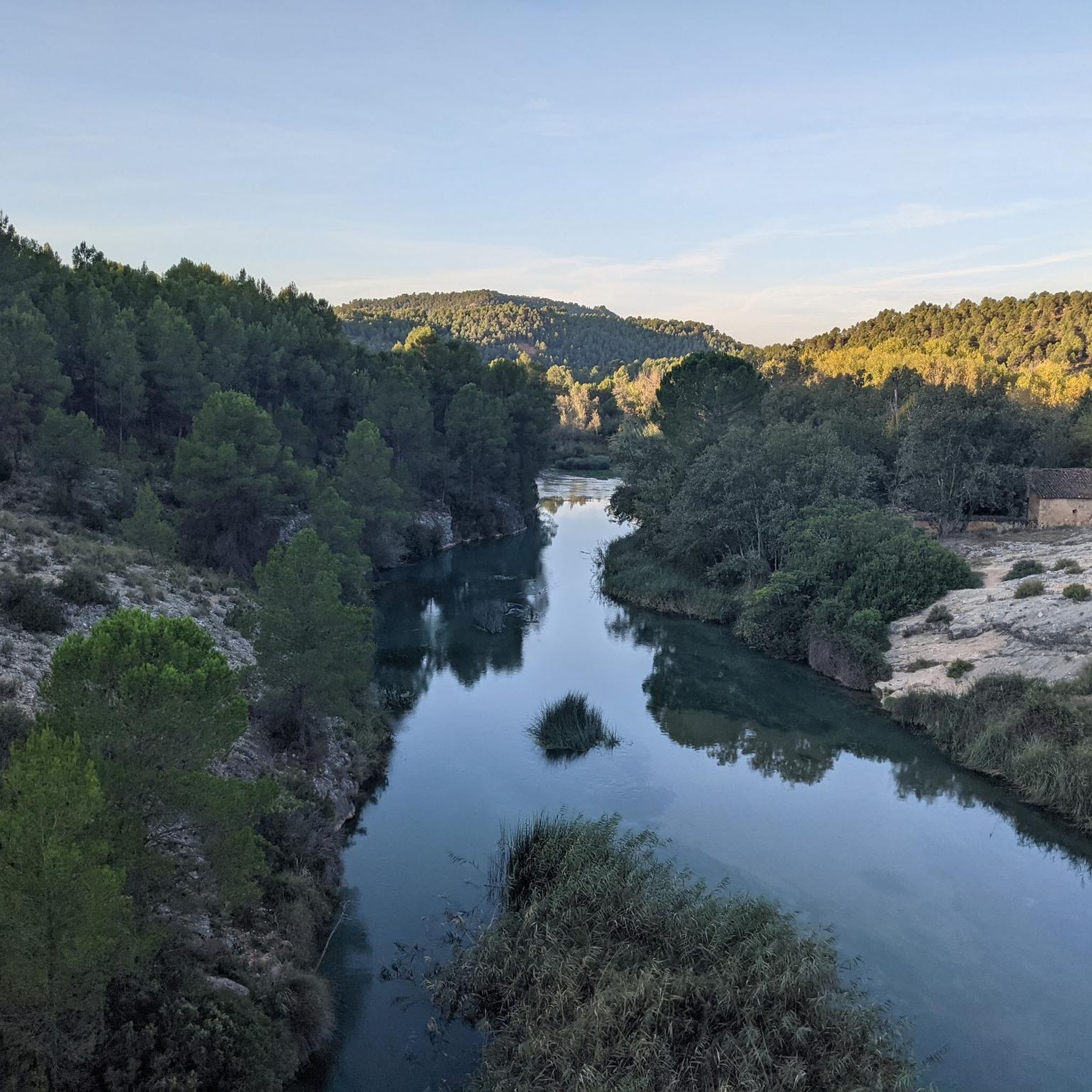
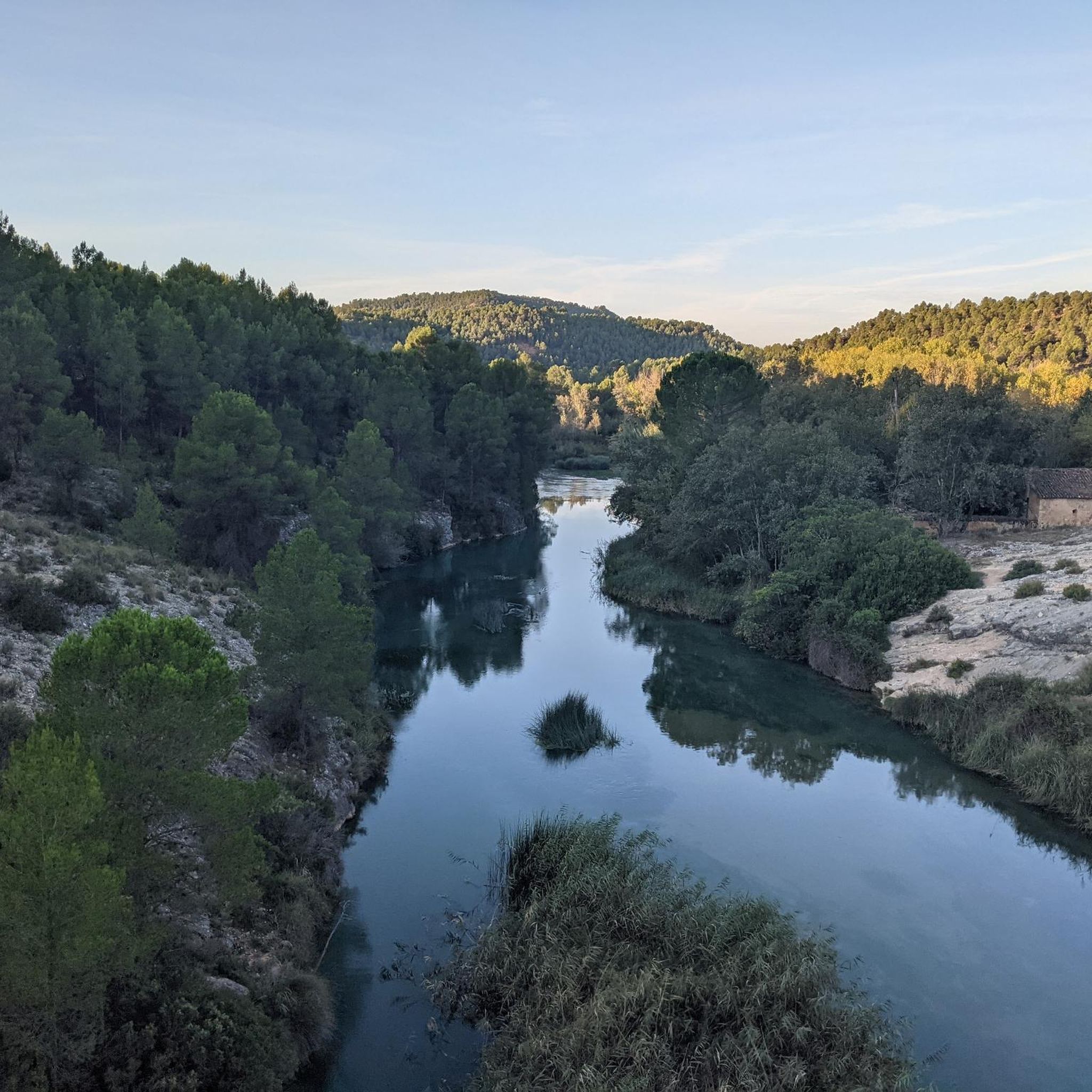
- The most popular attractions is Las Mariquillas, a parking area that provides access to a flatter, calmer path along the river. This spot allows for exploration without stepping onto the main road.
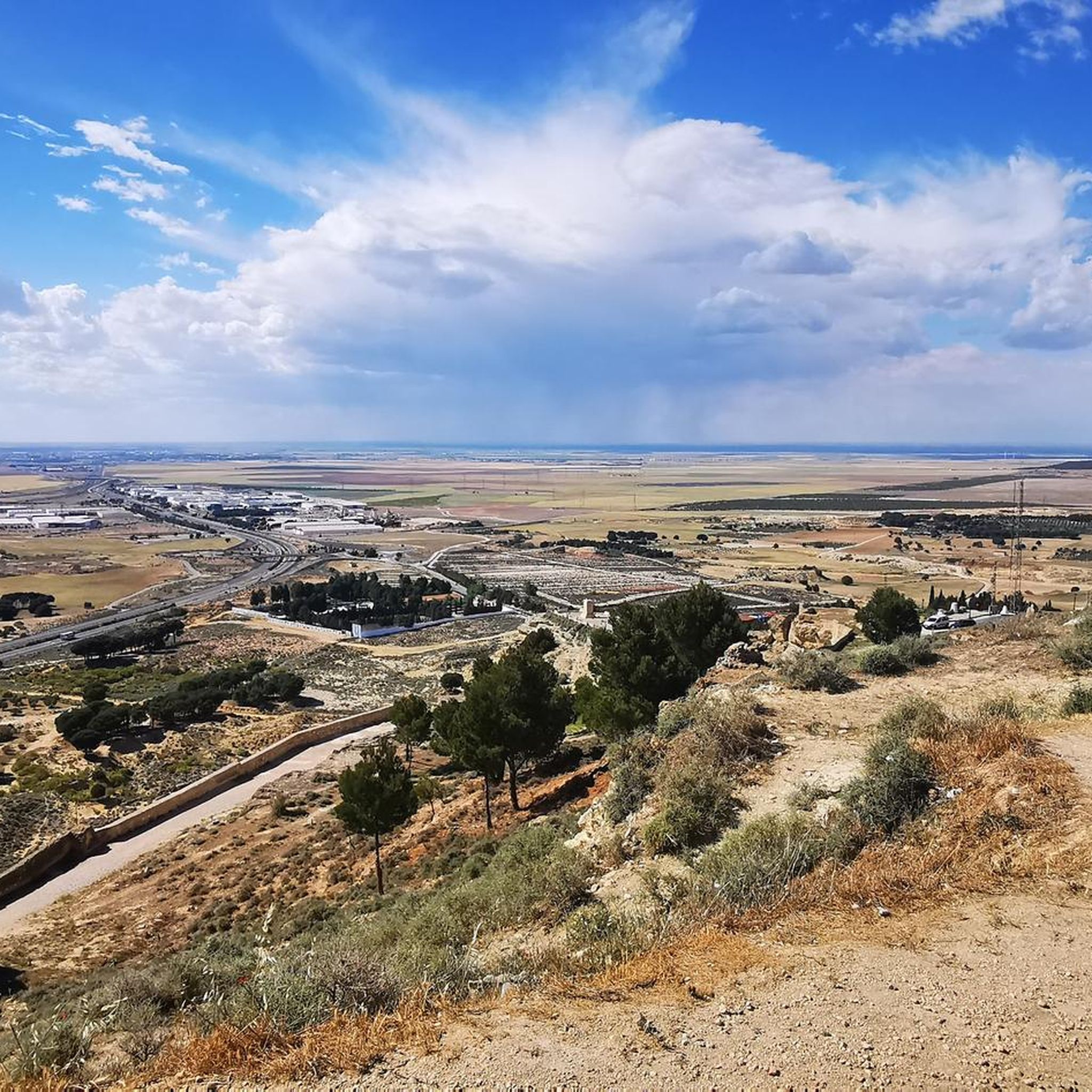
- Another must-see spot is La Marmota Fire Lookout Tower, a man-made monument located on top of Los Villares peak. It serves for the prevention and detection of forest fires and offers views from various points on the Ruta de la Marmota.
- Visitors also love Amalio Fernández Roundabout, a man-made monument. This park pays homage to Amalio Fernández García, a Spanish painter and stage designer from the nearby town of La Gineta.
- Tarazona De La Mancha is known for its historical landmarks, religious buildings, and natural landscapes. The area offers a variety of attractions to see and explore, from 17th-century town squares to riverbanks.
- The attractions around Tarazona De La Mancha are appreciated by the komoot community, with 11 upvotes and 4 photos shared by visitors.
Last updated: October 18, 2026
Las Mariquillas
Highlight • Parking
Translated by Google •
Tip by

Church of San Martín
Highlight • Religious Site
With a height of more than 46 meters that make it visible from 10 kilometers in all directions, it is a magnificent masonry tower very different from others in the region, topped with a Renaissance lantern with decorative Italianate-inspired buttresses and crowned by a weathervane of wrought iron. Its interior is crossed by a steep spiral staircase that reaches the bells.
The church, late Gothic, with Renaissance elements from the 16th century, with a single nave with striking helicoidal pillars and complicated ribbed vaults. The main cover, the work of Jerónimo Quijano. Other critics attribute it to the great architect Andrés de Vandelvira. It is in the Renaissance style, very simple, with straight lines, with semi-recessed Doric columns.
Translated by Google •
Tip by

Sign up now to discover places like this
Get recommendations on the best single tracks, peaks, & plenty of other exciting outdoor places.
La Marmota Fire Lookout Tower
Highlight • Monument
Translated by Google •
Tip by

Station and Museum (La Gineta)
Highlight • Historical Site
Objects in their usual spaces, meeting places that sound remote: the traditional home, the threshing floor, the grocery store, the oven... Everything is different: the saffron, the grape harvest and the bulrush or tavern chairs, as well as They were colloquially known. The exhibition is completed with photographs and posters that illustrate and contextualize the main motifs exhibited in the room.
Translated by Google •
Tip by
La Gineta
Highlight • Settlement
In La Gineta, the parish church of San Martín stands out, built in the early years of the 16th century. The temple is in the Gothic style, with a single nave and a square head.
Translated by Google •
Tip by
Sign up for free to discover even more attractions around Tarazona De La Mancha.
Already have an account?
Start today with a free account
Your next adventure awaits.

Tips from the Community

The path closest to the river is flatter and calmer. If you want trails, ramps and more technical roads, there are plenty in the area.
0
1

Although La Gineta is an eminently agricultural town, in the second half of the 20th century the manufacturing of chairs was developed, currently production has diversified, including more elaborate furniture. In La Gineta, the parish of San Martín stands out, a construction from the early years of the 16th century. The temple is Gothic in style, with a single nave and square head.
13
0
Although La Gineta is an eminently agricultural population, in the second half of the 20th century the manufacture of chairs was developed, currently production has diversified, including more elaborate furniture. In La Gineta, the parish church of San Martín stands out, built in the early years of the 16th century. The temple is in the Gothic style, with a single nave and a square head.
15
0
The church of San Martín de Tours is the most important and significant building in the town, which also has good mansions, with bars and balconies of artistic value. As in most of the towns in the region, the church tower marks the most characteristic point of the Manchego landscape. With a height of more than 46 meters that make it visible from 10 kilometers in all directions, it is a magnificent masonry tower very different from others in the region, topped with a Renaissance lantern with decorative Italianate-inspired buttresses and crowned by a weathervane of wrought iron. Its interior is crossed by a steep spiral staircase that reaches the bells. The church, late Gothic, with Renaissance elements from the 16th century, with a single nave with striking helicoidal pillars and complicated ribbed vaults. The main cover, the work of Jerónimo Quijano. Other critics attribute it to the great architect Andrés de Vandelvira. It is in the Renaissance style, very simple, with straight lines, with semi-recessed Doric columns.
21
0
The Museum was inaugurated in 2005 inside an old RENFE warehouse. Inside, utensils that are no longer with us, except in the memory of the elderly. Missing trades. Means of transport from other times. Ancient ways of dressing. Constructions of past times. Objects in their usual spaces, meeting places that sound remote: the traditional home, the threshing floor, the grocery store, the oven... Everything is different: the saffron, the grape harvest and the bulrush or tavern chairs, as well as They were colloquially known. The exhibition is completed with photographs and posters that illustrate and contextualize the main motifs exhibited in the room.
21
0
The Museum was inaugurated in 2005 inside an old RENFE ship. Inside, utensils that are no longer with us, except in the memory of the elderly. Missing trades. Means of transport from other times. Ancient ways of dressing. Constructions of past times. Objects in their usual spaces, meeting places that sound remote: the traditional home, the threshing floor, the grocery store, the oven... Everything is different: the saffron, the vintage and the enea or tavern chairs, as well as They were colloquially known. The exhibition is completed with photographs and posters that illustrate and contextualize the main motifs exhibited in the room.
9
0
The church of San Martín de Tours is the most important and significant building in the town, which also has good mansions, with bars and balconies of artistic value. As in most of the towns in the region, the church tower marks the most characteristic point of the Manchego landscape. With a height of more than 46 meters that make it visible from 10 kilometers in all directions, it is a magnificent masonry tower very different from others in the region, topped with a Renaissance lantern with decorative Italianate-inspired buttresses and crowned by a weathervane of wrought iron. Its interior is crossed by a steep spiral staircase that reaches the bells. The church, late Gothic, with Renaissance elements from the 16th century, with a single nave with striking helicoidal pillars and complicated ribbed vaults. The main cover, the work of Jerónimo Quijano. Other critics attribute it to the great architect Andrés de Vandelvira. It is in the Renaissance style, very simple, with straight lines, with semi-recessed Doric columns.
13
0

A Gothic-Renaissance style church declared an Asset of Cultural Interest. Its tower stands out.
1
1
Frequently Asked Questions
What natural features can I explore around Tarazona de la Mancha?
The town is crossed by the Río Valdemembra, offering relatively flat terrain along its banks for peaceful walks. You can also explore the surrounding La Mancha plain, characterized by cultivated fields, vineyards, and open horizons, especially beautiful at dawn and dusk. Northeast of town, the Estepas de Valcardera present unique mosaic landscapes with diverse flora and fauna, including many bird species.
Are there hiking opportunities near Tarazona de la Mancha?
Yes, there are several hiking routes available. For example, you can explore the 'Route La Marmota — circular' or the 'Route Cuasiermas by the river Júcar — circular'. For more options, including routes of varying difficulty, check out the Hiking around Tarazona De La Mancha guide.
Can I go cycling around Tarazona de la Mancha?
Absolutely. The area offers several cycling routes, such as the 'Church of San Bartolomé – Pimpollada Trail loop from Tarazona de la Mancha' or the 'Wild boar area 🐗 loop from Tarazona de la Mancha'. You can find more detailed routes and options in the Cycling around Tarazona De La Mancha guide.
What historical landmarks can I visit in Tarazona de la Mancha?
Tarazona de la Mancha boasts a rich history. Start at the 17th-century Plaza Mayor, a National Historic-Artistic Site with its Renaissance-style town hall. Nearby, you'll find the Iglesia de San Bartolomé. Don't miss the Church of San Martín, a significant late Gothic building with Renaissance elements. You can also discover the Arco Románico, the Ermita de San Antón, and numerous Casas Blasonadas (stately homes) throughout the town.
What is the cultural significance of Tarazona de la Mancha?
The town's historic urban center is known for its traditional La Mancha architecture. Tarazona de la Mancha is particularly renowned for its vibrant Carnival celebrations, which are considered a significant cultural event and a Festival of Regional Interest.
Are there any family-friendly attractions in Tarazona de la Mancha?
Yes, families can enjoy several spots. Las Mariquillas offers a calm, flat path along the river, perfect for easy exploration without encountering main roads. The Amalio Fernández Roundabout is a park that pays homage to a local painter, providing a pleasant outdoor space.
Where can I find good viewpoints in the area?
For panoramic views, head to the La Marmota Fire Lookout Tower. Located on top of Los Villares peak, it offers extensive views and is part of the Ruta de la Marmota, used for forest fire prevention.
What kind of architecture can I expect to see in Tarazona de la Mancha?
Tarazona de la Mancha is characterized by traditional La Mancha architecture. The Plaza Mayor showcases harmonious colonial-style buildings with cantilevered balconies and arcaded porticos, including the Renaissance-style town hall. Throughout the town, you'll find 17th and 18th-century Casas Blasonadas, identifiable by their coats of arms, ornate doorways, and ironwork. The Church of San Martín is a notable example of late Gothic architecture with Renaissance elements.
Are there any easy walking paths suitable for a relaxed stroll?
Yes, the banks of the Río Valdemembra offer relatively flat terrain ideal for peaceful walks. Specifically, the area around Las Mariquillas provides a calmer path closest to the river, allowing for exploration away from main roads.
What do visitors enjoy most about Tarazona de la Mancha?
Visitors appreciate the blend of historical landmarks, cultural insights, and natural surroundings. The well-preserved urban center, traditional architecture, and the peaceful walks along the Valdemembra river are frequently highlighted. The community also enjoys the views from spots like the La Marmota Fire Lookout Tower.
What is the best time to visit Tarazona de la Mancha for outdoor activities?
The La Mancha plain offers beautiful landscapes, particularly at dawn and dusk. For outdoor activities like hiking and cycling, spring and autumn generally provide the most pleasant weather, avoiding the intense heat of summer and the cooler temperatures of winter.
Can I find running trails near Tarazona de la Mancha?
Yes, there are several running trails available. You can try the 'Route La Marmota (La Gineta) — circular' or the 'Motilleja to Puente de Cuasiermas — circular'. For more options, including routes of varying difficulty, refer to the Running Trails around Tarazona De La Mancha guide.
Most popular routes around Tarazona De La Mancha

Get inspired with the komoot mobile app


Explore more
Still not found the Highlight you’re looking for? See guides of the top attractions in other regions:
