The best road cycling routes around Bellús
4.6
(63)
4,692
riders
122
rides
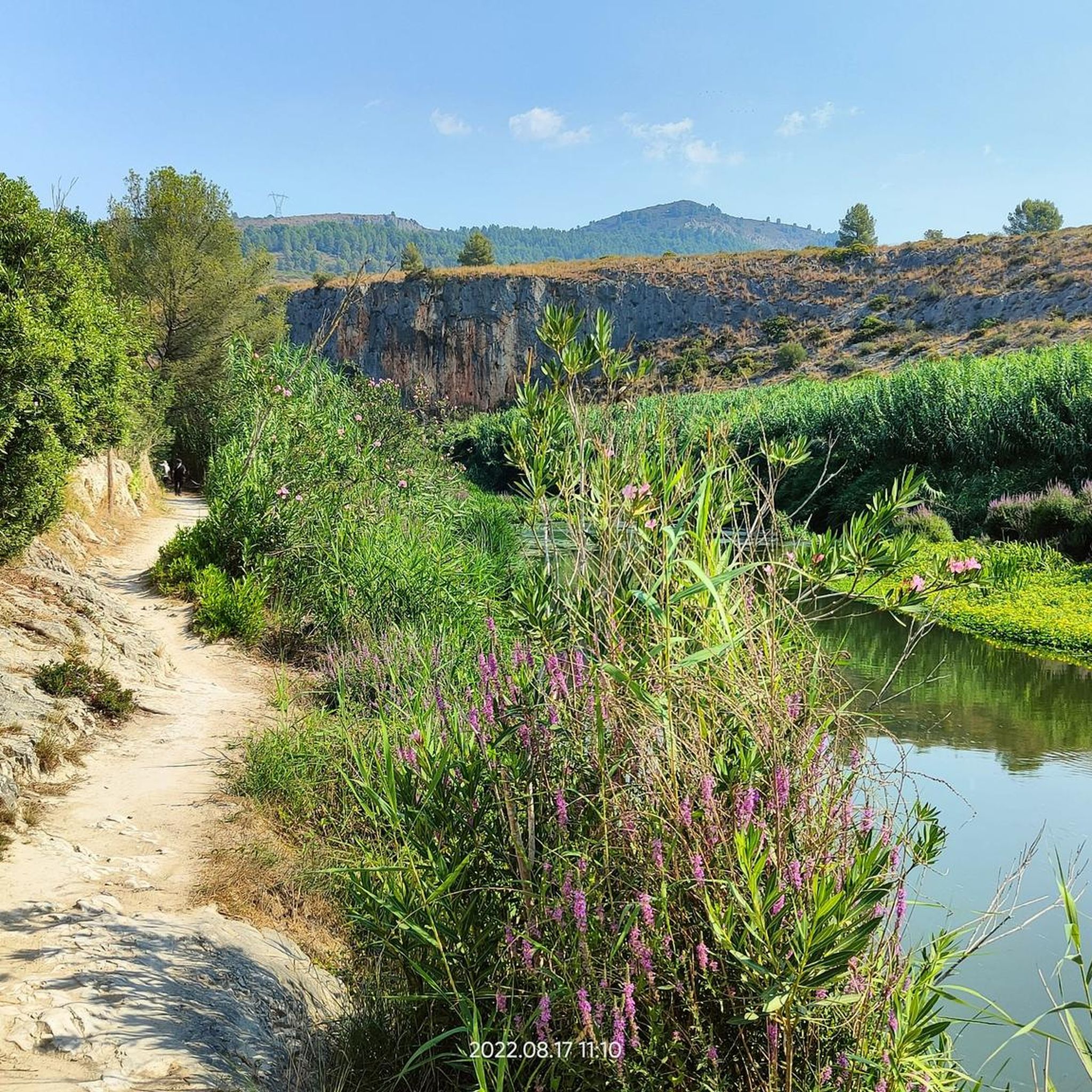
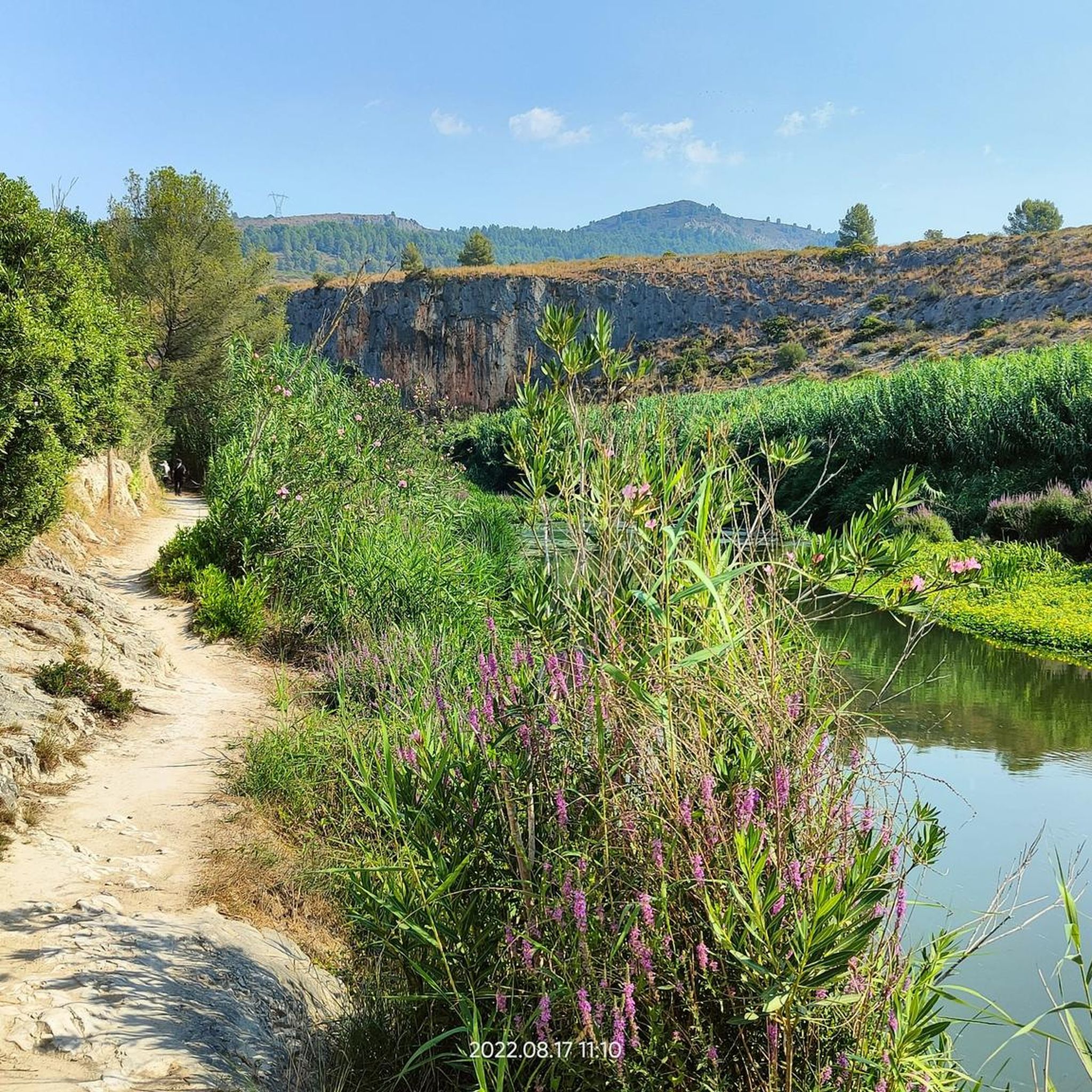
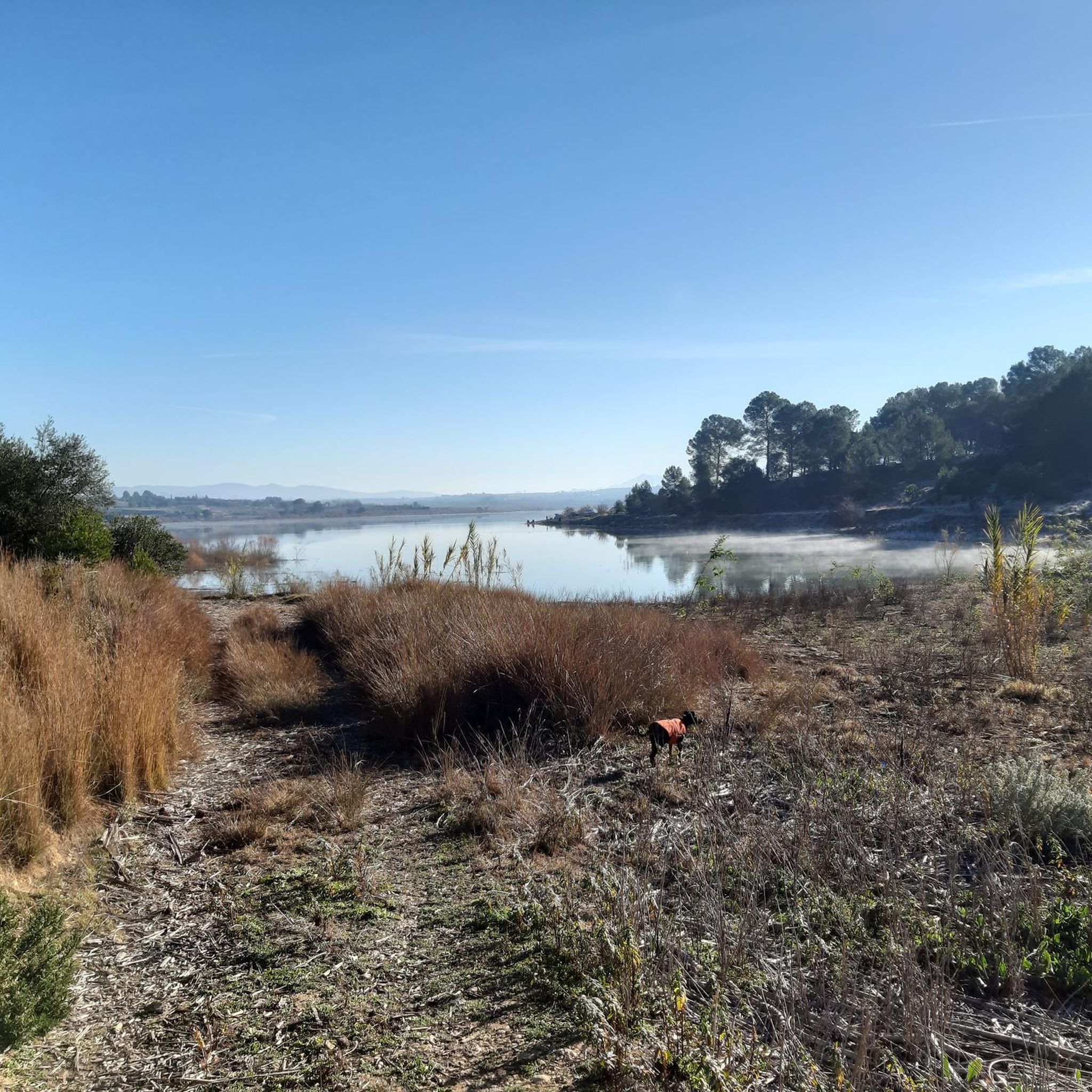
Road cycling routes around Bellús are situated in the southeastern foothills of the Serra Grossa range in Valencia, Spain. The region features an undulating landscape with varying elevation gains, offering diverse terrain for road cyclists. Key natural features include the Bellús Reservoir and the dramatic Estret de les Aigües, where rivers cut through limestone crags. This varied topography provides a range of road cycling experiences, from moderate to challenging.
Best road cycling routes around Bellús
- The most popular road cycling…
Last updated: July 10, 2026
4.6
(14)
369
riders
71.7km
03:56
700m
700m
Moderate road ride. Good fitness required. Mostly well-paved surfaces and easy to ride.
4.7
(3)
149
riders
79.2km
03:32
680m
680m
Moderate road ride. Good fitness required. Mostly well-paved surfaces and easy to ride.

Sign up for free
5.0
(1)
141
riders
52.9km
02:40
780m
780m
Moderate road ride. Good fitness required. Mostly well-paved surfaces and easy to ride.
29
riders
57.2km
02:37
390m
390m
Moderate road ride. Good fitness required. Some segments of this route may be unpaved and difficult to ride.
15
riders
90.0km
04:58
1,440m
1,440m
Hard road ride. Very good fitness required. Some segments of this route may be unpaved and difficult to ride.
Get access to more routes and recommendations from other explorers.
Sign up for free
Already have an account?
Our route recommendations are based on thousands of hikes, rides, and runs completed by other people on komoot.
Start today with a free account
Your next adventure awaits.
Login or Signup

Tips from the Community

El convent d'Aigües Vives, també anomenat Reial Monestir de Santa Maria d'Aigües Vives, és un antic monestir amb orígens que es remunten al segle XIII. L'edifici actual es va construir durant els segles XVI i XVII, amb els corresponents estils, renaixentista i barroc, si bé l'ala nord es va acabar en el segle XVIII. El monestir va pertànyer a l'orde dels agustins, orde que custodiava la imatge de la Mare de Déu d'Aigües Vives, patrona de la ciutat de La Barraca d'Aigües Vives. A mitjan segle XIX, a conseqüència de la desamortització de Mendizábal, els monjos hagueren d'abandonar el cenobi. Aquest va passar a mans dels barons de Casanova, que el destinaren com a habitatge rural. L'any 1977 el monestir fou adquirit i reformat per a destinar-lo a hotel residència per Antonio Vidal Bellver (fotògraf i empresari de Carcaixent). Actualment és propietat d'un empresari hoteler de Gandia. El 2024, la Generalitat Valenciana va instar els nous propietaris a fer obres per a mantenir aquesta obra major que ha patit un deteriorament progressiu com a conseqüència de robatoris, vandalisme i abandonament.
1
0

The port of Barx is a Valencian classic. Its horseshoe bends run over the panorama of the surrounding mountains and the Mediterranean coast.
3
0

The wonderful setting surrounds a fairytale monastery.
1
0

The Royal Monastery of Santa Maria de Valldigna was founded by James II the Just on March 15, 1298, who gave the Alfàndec valley to Abbot Bononat of Vila-seca to found a monastery of the Cistercian order, a branch of the Santes Creus monastery. It was the first monastery of such importance built in the ancient Kingdom of Valencia, after the Christian conquest. Days after the royal donation, James II, brother Bononat and his entourage met at the place of Ràfol (a Christian village in the valley founded after the conquest of James I) to take possession of the territory, plus one mile inland, the castles of Marinyén, Alcalà and the tower of Mondúber.
1
0

"This is the exact point where the bike wants to fly... but the view forces you to brake. Serra de les Agulles in the background and Santa Maria de la Valldigna below. A rewarding descent!" Then, refocus as the road twists and turns just beyond with a double bend that demands your attention and puts your brakes to the test.
1
0
The "Col de Rates de la Safor" The Barx Pass, from Simat, is a gem for any cycling enthusiast. A climb that perfectly combines effort with the beauty of the surroundings. Each curve offers a new perspective of the Valldigna Valley, while the monastery remains behind as a silent witness to the ascent. Frequently used by local cyclists, it's an ideal stretch to enjoy at a leisurely pace, feeling each pedal stroke amidst nature and heritage. With several well-defined hairpin bends and a steady but manageable gradient, it's perfect for enjoying the effort without suffering too much. Pass details: 6.3 km | 301 m elevation gain | average gradient of 4.8% | ramps of up to 9.8%.
1
0

The utmost care with which this ancient monastery is being restored arouses deep admiration and respect.
1
0
Frequently Asked Questions
How many road cycling routes are available around Bellús?
There are over 100 road cycling routes available around Bellús, offering a wide range of experiences. These include 17 easy routes, 57 moderate routes, and 32 more challenging options for experienced cyclists.
What are some challenging road cycling routes for experienced riders in Bellús?
For experienced riders seeking a challenge, the region offers several difficult routes. A notable option is the Bellús Reservoir Loop from Xàtiva, which spans approximately 64.7 km with nearly 1,000 meters of elevation gain. Another demanding route is the Xàtiva Cathedral – Bellús Reservoir loop from Xàtiva, covering 88.9 km with over 1,100 meters of climbing.
Are there road cycling routes suitable for beginners in Bellús?
Yes, Bellús offers 17 easy road cycling routes, perfect for beginners or those looking for a more relaxed ride. These routes typically feature less elevation gain and shorter distances, allowing you to enjoy the scenery at a comfortable pace.
What scenic viewpoints or natural features can I expect on road cycling routes around Bellús?
Road cycling routes around Bellús often feature stunning natural landscapes. Many routes pass by the picturesque Bellús Reservoir, offering serene water views. You can also experience the dramatic Estret de les Aigües, where rivers cut through limestone crags, and enjoy views of the undulating foothills of the Serra Grossa range.
Are there any historical or cultural attractions near the road cycling routes?
Absolutely! Many routes are close to significant historical and cultural sites. You can cycle past the ancient Castell de Xàtiva, explore the prehistoric Cova Negra, or admire the architecture of the Collegiate Basilica of Santa María in Xàtiva. The region also features the historic Palau de Bellvís and the Hermitage of the Holy Christ of the Good Death.
What is the best time of year for road cycling in Bellús?
The Bellús region, with its Mediterranean climate, is generally pleasant for road cycling for much of the year. Spring and autumn offer ideal conditions with mild temperatures. Even winter can be suitable, though some higher elevation areas might be cooler. Summers can be hot, so early morning or late afternoon rides are recommended during peak season.
Are there any routes that follow old railway lines or greenways?
Yes, the region offers routes that incorporate greenways. For example, the Monastery of Aigues Vives – Greenway of the Old Little Train loop from Antiga Estació del Genovés is a moderate 63.5 km path that utilizes a section of an old railway line, providing a unique cycling experience.
What do other cyclists say about road cycling in Bellús?
The road cycling routes in Bellús are highly regarded by the komoot community, with an average rating of 4.6 stars from over 60 reviews. Cyclists often praise the varied terrain, the scenic beauty of the Bellús Reservoir, and the well-paved surfaces that make for an enjoyable ride.
Can I find routes that pass by the Bellús Reservoir?
Yes, the Bellús Reservoir is a prominent feature in many road cycling routes. Popular options include the Bellús Reservoir Loop from Xàtiva and the Xàtiva Cathedral – Bellús Reservoir loop from Xàtiva, both offering stunning views of the reservoir.
Are there options for longer road cycling tours in the Bellús area?
Yes, Bellús caters to cyclists looking for longer tours. Routes like the Xàtiva Cathedral – Bellús Reservoir loop from Xàtiva, at nearly 89 km, provide an extended cycling experience through the region's diverse landscapes.
Are there any circular road cycling routes in the Bellús region?
Many of the road cycling routes around Bellús are designed as loops, offering circular journeys that bring you back to your starting point. Examples include the Bellús Reservoir Loop from Xàtiva and the Monastery of Aigues Vives – Greenway of the Old Little Train loop.
Most popular attractions around Bellús

Get inspired with the komoot mobile app


Explore more
Browse the best Road cycling routes in other regions.
