The best road cycling routes around Foz-Calanda
5.0
(2)
184
riders
22
rides
Road cycling around Foz-Calanda offers varied terrain within the Guadalopillo Valley and the wider Bajo Aragón region of Teruel. The area features scenic roads with low traffic and significant elevation changes, providing opportunities for both challenging climbs and enjoyable descents. This diverse topography includes valleys and mountainous areas, ensuring engaging rides for different fitness levels. The region is known for its well-maintained asphalt and extensive network of secondary roads.
Best road cycling routes around Foz-Calanda
- The most popular road cycling…
Last updated: July 11, 2026
17
riders
68.2km
03:16
870m
870m
Cycle a moderate 42.4-mile (68.2 km) route around Calanda and its reservoir, exploring the scenic Somontano region of the Iberian System.
22
riders
89.3km
04:30
1,430m
1,440m
Hard road ride. Very good fitness required. Mostly well-paved surfaces and easy to ride.

Sign up for free
15
riders
119km
06:02
1,820m
1,820m
Hard road ride. Very good fitness required. Mostly well-paved surfaces and easy to ride.
5.0
(1)
10
riders
Moderate road ride. Good fitness required. Mostly well-paved surfaces and easy to ride.
5.0
(1)
10
riders
34.4km
01:50
670m
670m
Moderate road ride. Good fitness required. Mostly well-paved surfaces and easy to ride.
Get access to more routes and recommendations from other explorers.
Sign up for free
Already have an account?
Our route recommendations are based on thousands of hikes, rides, and runs completed by other people on komoot.
Start today with a free account
Your next adventure awaits.
Login or Signup

Tips from the Community

The Church of Our Lady of Hope in Calanda (Teruel) is a prominent Baroque church with a rich history dating back to the 13th century. The original building was a small church constructed in the late 13th century. In 1462, Pedro Vacca, Lord of Calanda, rebuilt and expanded it, linking it to the Order of Calatrava.
2
0

Population of the Els Ports region, in the province of Castellón (Valencian Community). Its name probably comes from the gallows shape made by the Bergantes, Cantavieja and Caldés rivers. Its origin can be located in an Ibero-Romanesque population center discovered in 1876, and which the locals knew as "La Moleta dels Frares or Liborio". For the researchers it was an important Roman villa, and a good part of its wall is still standing in the entrance area of the town. Its cultural heritage includes the Virgen de la Consolación hermitage, the 18th-century parish church, built from the primitive 13th-century Gothic church, the aforementioned Moleta dels Frares, the Plaza Mayor and the 16th-century Osset-Miró palace. .
0
0

Castellote is an Aragonese municipality located in the Maestrazgo region of Teruel that has a lot of history. A beautiful castle located in the upper part of the town and the aqueduct from the year 1847 stand out. From the upper part, the views and landscapes are spectacular.
1
0

This picturesque but quiet town in the interior of Teruel is internationally known for its entrances in the Holy Week festivities. In addition to this, it is also an ideal place to start several hiking routes in the area, including a visit to the Los Arcos Aqueduct.
1
1
Beautiful and picturesque town in the interior of Teruel that is usually chosen to start some of the hiking trails in the area, one of them and the best known is the return to the Atalaya and Castillo de Castellote.
3
0

Picturesque village in the middle of the Sierra de los Caballos, where it is a village isolated from the rest by a tunnel that connects Castellote with Mas de las Matas. Imposing castle at the top of the town.
1
0
Calanda is a very famous town that is at the gates of the Iberian system for the Holy Week festivities, declared of National and International Tourist Interest.
0
0
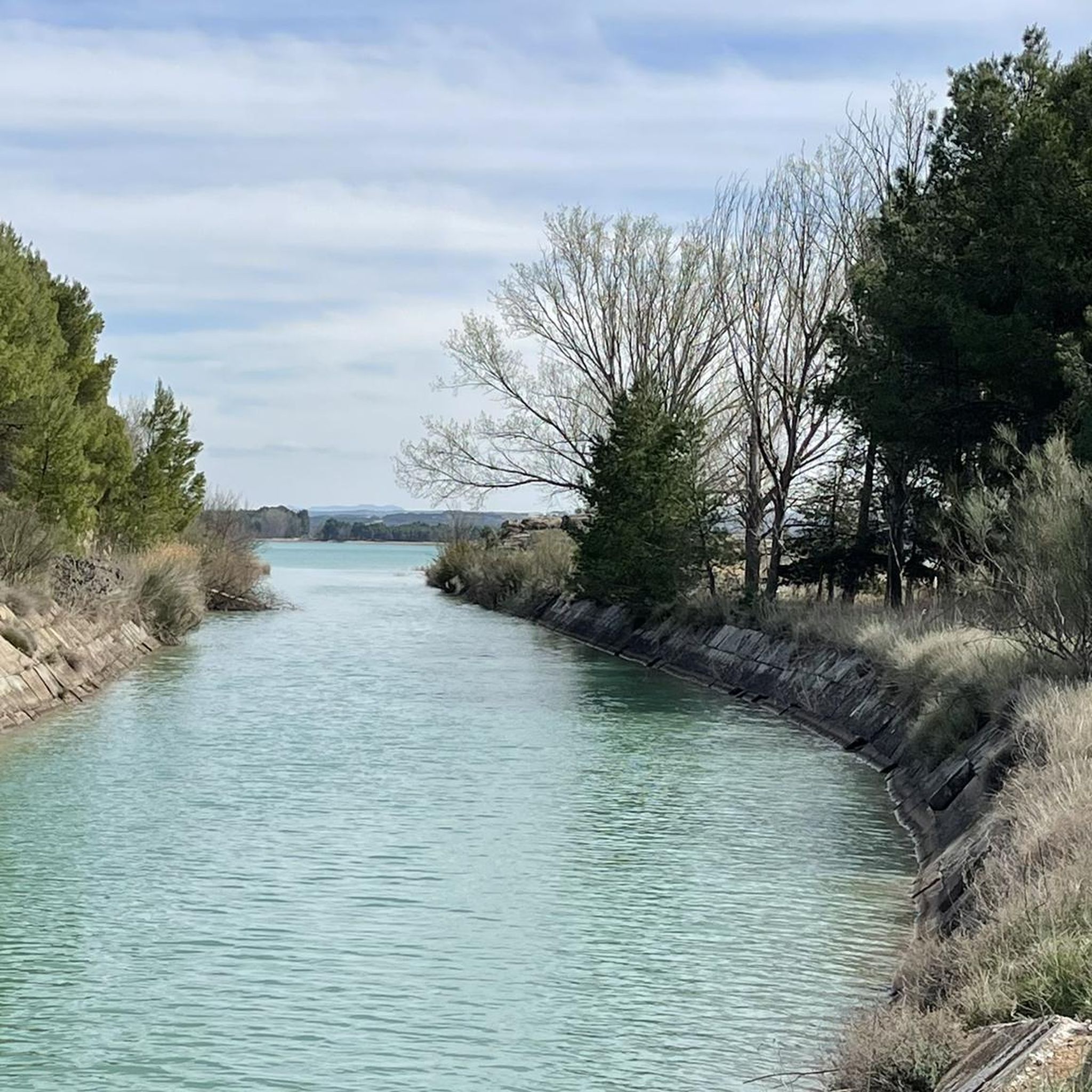
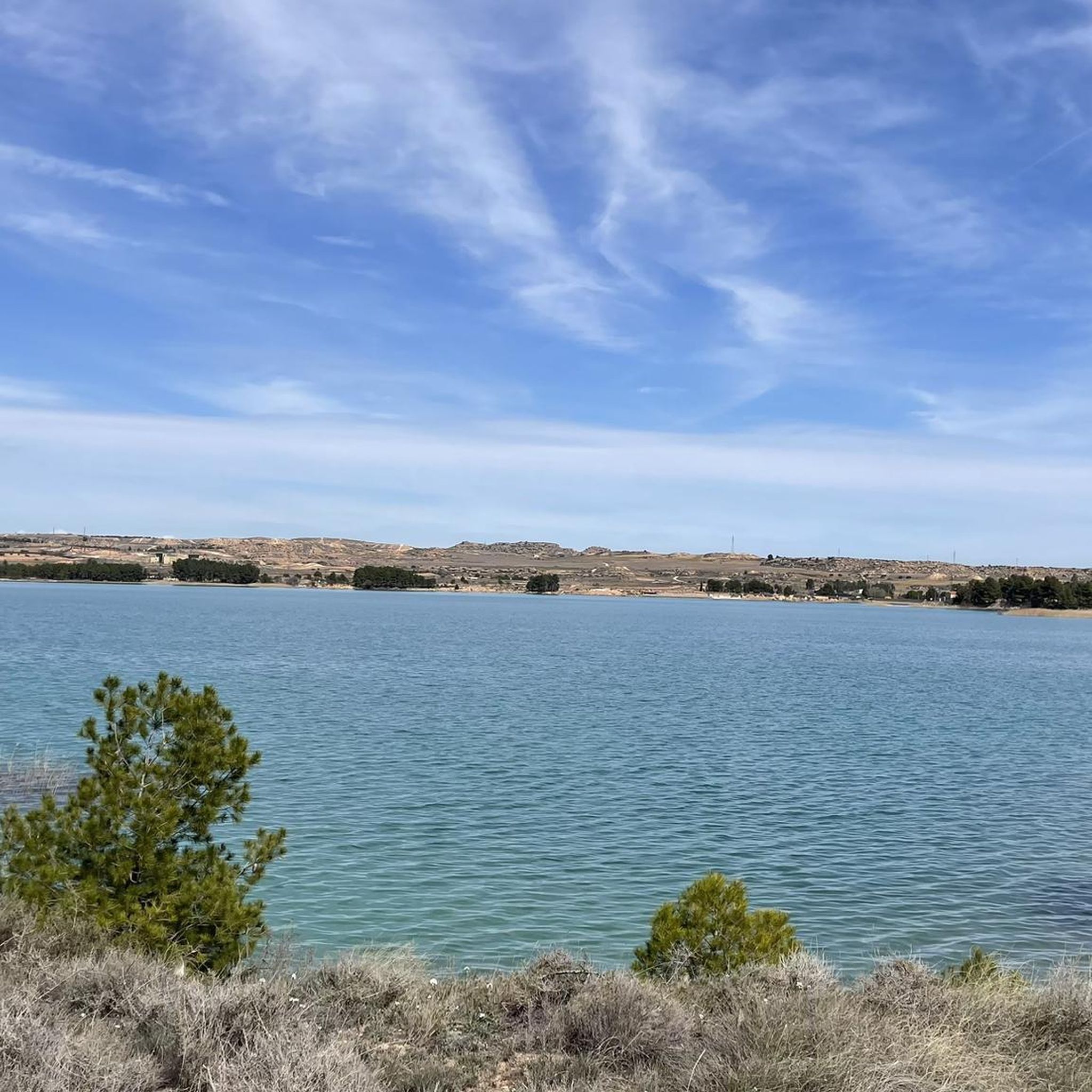
Road that runs by the Calanda reservoir and where the white limestone causes a turquoise blue in the dam. The road connects Calanda with Mas de las Matas.
0
0
Frequently Asked Questions
What kind of terrain can I expect when road cycling around Foz-Calanda?
Road cycling around Foz-Calanda offers a diverse landscape within the Guadalopillo Valley and the wider Bajo Aragón region of Teruel. You'll find scenic roads with low traffic and well-maintained asphalt, featuring significant elevation changes. This includes both challenging climbs and enjoyable descents, ranging from valleys to mountainous areas. The varied topography ensures engaging rides for different fitness levels.
Are there challenging road cycling routes in the Foz-Calanda area?
Yes, the region around Foz-Calanda is known for its challenging mountain passes and routes with substantial elevation gains. For instance, the Castellote Village and Castle – Forcall loop from Mas de las Matas is a difficult 89.3 km path with over 1400 meters of elevation gain. Another demanding option is the Morella – View of the Calanda Reservoir loop from Calanda, which covers nearly 120 km with over 1800 meters of ascent.
What are some moderate road cycling options near Foz-Calanda?
For those seeking a moderate challenge, the Calanda Reservoir - Mas de las Matas Loop is a popular choice. This 68.2 km route offers views of the Calanda Reservoir and varied landscapes with around 860 meters of elevation gain. Another moderate option is the Mas de las Matas – Castellote loop from Mas de las Matas, a 34.4 km route with about 670 meters of climbing.
What natural features or viewpoints can I see along road cycling routes in this region?
The natural surroundings greatly enhance the cycling experience. You can explore the scenic Guadalopillo Valley. Prominent features include Monte Tolocha, which offers panoramic views over Foz-Calanda and the surrounding area. The Calanda Reservoir is also a significant landscape feature, with routes like the Calanda Reservoir - Mas de las Matas Loop providing excellent views. You can also find natural heritage sites like Peña del Cucón and Val de la Piedra, which hosts a monumental holm oak.
Are there any historical or cultural landmarks to explore while cycling near Foz-Calanda?
Yes, the region offers several cultural and historical points of interest. In Foz-Calanda itself, you can see the Baroque Church of San Juan Bautista and the remains of an old castle. Nearby, you might encounter archaeological sites like Cueva Moreno or ancient Iberian pottery kilns. The town of Calanda and the Desert Convent of Calanda are also notable historical sites in the vicinity.
What do other road cyclists say about the routes around Foz-Calanda?
The road cycling routes around Foz-Calanda are highly rated by the komoot community, with an average score of 5.0 stars from more than 2 reviews. Over 170 road cyclists have used komoot to explore the varied terrain, often praising the scenic roads, low traffic, and the mix of challenging climbs and enjoyable descents.
How many road cycling routes are available in the Foz-Calanda area?
There are over 20 road cycling routes available around Foz-Calanda on komoot. These routes cater to various skill levels, including 9 moderate and 12 difficult options, ensuring there's a suitable ride for most road cyclists.
Is Foz-Calanda suitable for family-friendly road cycling?
While the region is known for its varied terrain and challenging climbs, there are also routes that might be more accessible. For family-friendly options, it's best to look for routes with minimal elevation gain and shorter distances. The area offers a mix of routes, so checking the difficulty ratings and elevation profiles on komoot for specific tours is recommended to find the most suitable options.
What is the best time of year for road cycling in Foz-Calanda?
The province of Teruel, where Foz-Calanda is located, generally offers good conditions for road cycling. To avoid extreme heat, spring and autumn are often considered the best seasons, providing pleasant temperatures for longer rides. Summers can be hot, especially in the valleys, while winters can be cooler, particularly at higher elevations.
Are there circular road cycling routes available around Foz-Calanda?
Yes, many of the road cycling routes around Foz-Calanda are designed as loops, allowing you to start and finish in the same location. Examples include the Calanda Reservoir - Mas de las Matas Loop and the Morella – View of the Calanda Reservoir loop from Calanda, providing convenient options for exploring the region.
Where can I find parking for road cycling routes in Foz-Calanda?
Foz-Calanda and the surrounding towns like Mas de las Matas, which serve as starting points for many routes, typically offer public parking facilities. Given the low traffic in the region, finding suitable parking for your vehicle is generally not an issue, especially in the smaller towns and villages.
Most popular attractions around Foz-Calanda

Get inspired with the komoot mobile app


Explore more
Browse the best Road cycling routes in other regions.
