Attractions and Places To See around Torrecampo - Top 16
Best attractions and places to see around Torrecampo include a blend of historical sites, traditional architecture, and serene natural surroundings. This tranquil village in the Los Pedroches region of northern Córdoba, Spain, features clean white streets and buildings combining granite and limestone. The area is characterized by fields of grain and meadows of oak, offering landscapes typical of the dehesa.
Best attractions and places to see around Torrecampo
- The most popular attractions is Plaza de España in Villanueva de Córdoba…
Last updated: October 5, 2026
Plaza de España in Villanueva de Córdoba
Highlight • Historical Site
Translated by Google •
Tip by

Plaza Mayor De la Villa de Dos Torres
Highlight • Historical Site
Translated by Google •
Tip by
Sign up now to discover places like this
Get recommendations on the best single tracks, peaks, & plenty of other exciting outdoor places.
Ermita de Piedras Santas
Highlight • Religious Site
Translated by Google •
Tip by

Rest Area on Ruta de Valmaestre Alto
Highlight • Rest Area
Translated by Google •
Tip by

Santa Ana Bridge
Highlight • Bridge
Translated by Google •
Tip by

Sign up for free to discover even more attractions around Torrecampo.
Already have an account?
Start today with a free account
Your next adventure awaits.


Tips from the Community

Dos Torres is one of the most charming villages in Los Pedroches. It stands out for: Its traditional architecture of lime, granite, and wrought iron, very well preserved in the historic center. A tranquil, authentic, and rural atmosphere, ideal for getting away from it all. A historical heritage that combines Roman remains, medieval legacy, churches of great artistic value, and unique natural spaces. Its location amidst spectacular meadows makes it perfect for nature lovers. Overall, it is a small village but surprisingly rich in history, tranquility, and architectural beauty.
1
0
Although sometimes referred to as a "medieval bridge," the known and documented historical bridge of Dos Torres is the Santa Ana Bridge, located near the Hermitage of Our Lady of Loreto. It dates from the 16th century, making it a Renaissance-late medieval bridge, but not strictly medieval in the strict sense (classical Middle Ages).
2
0

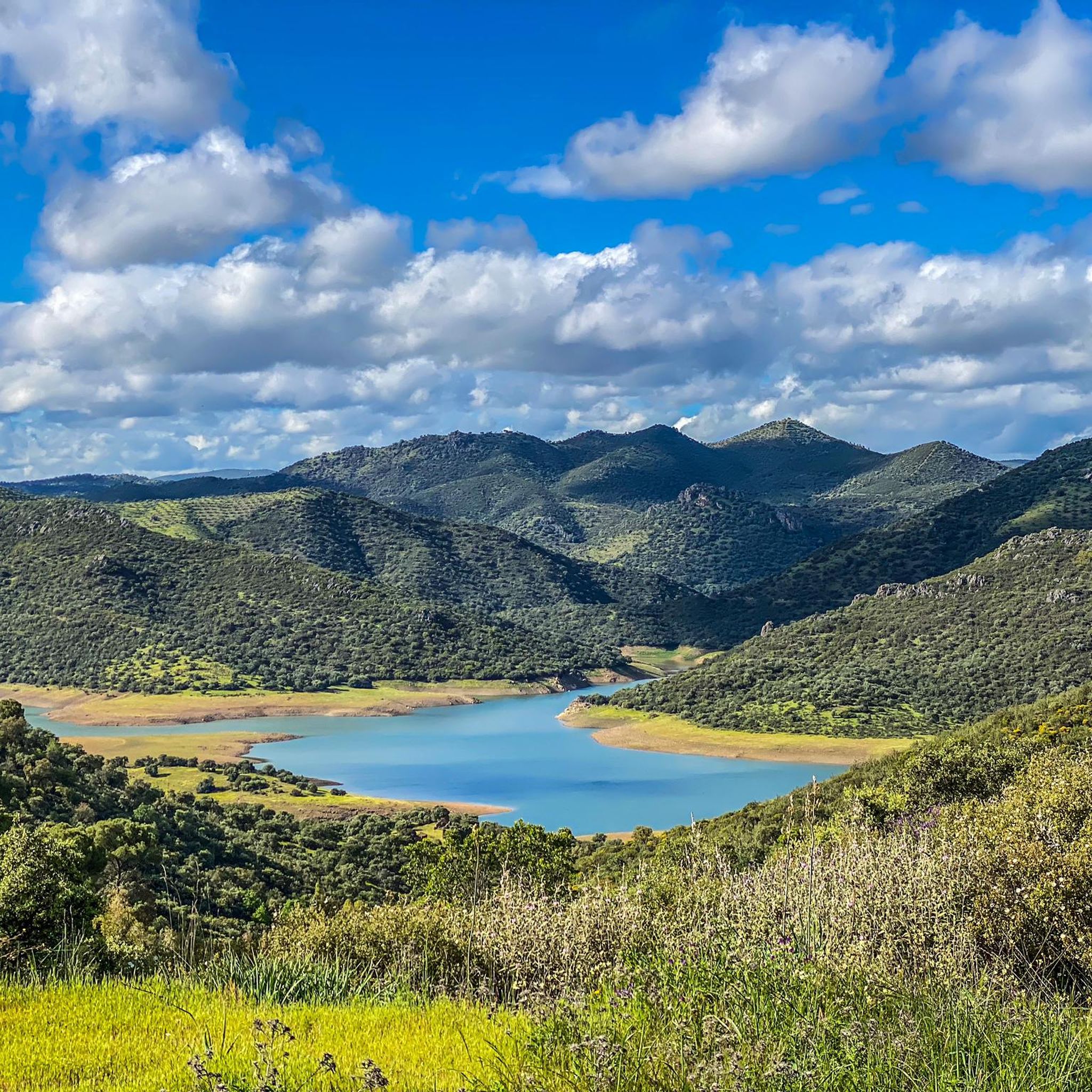
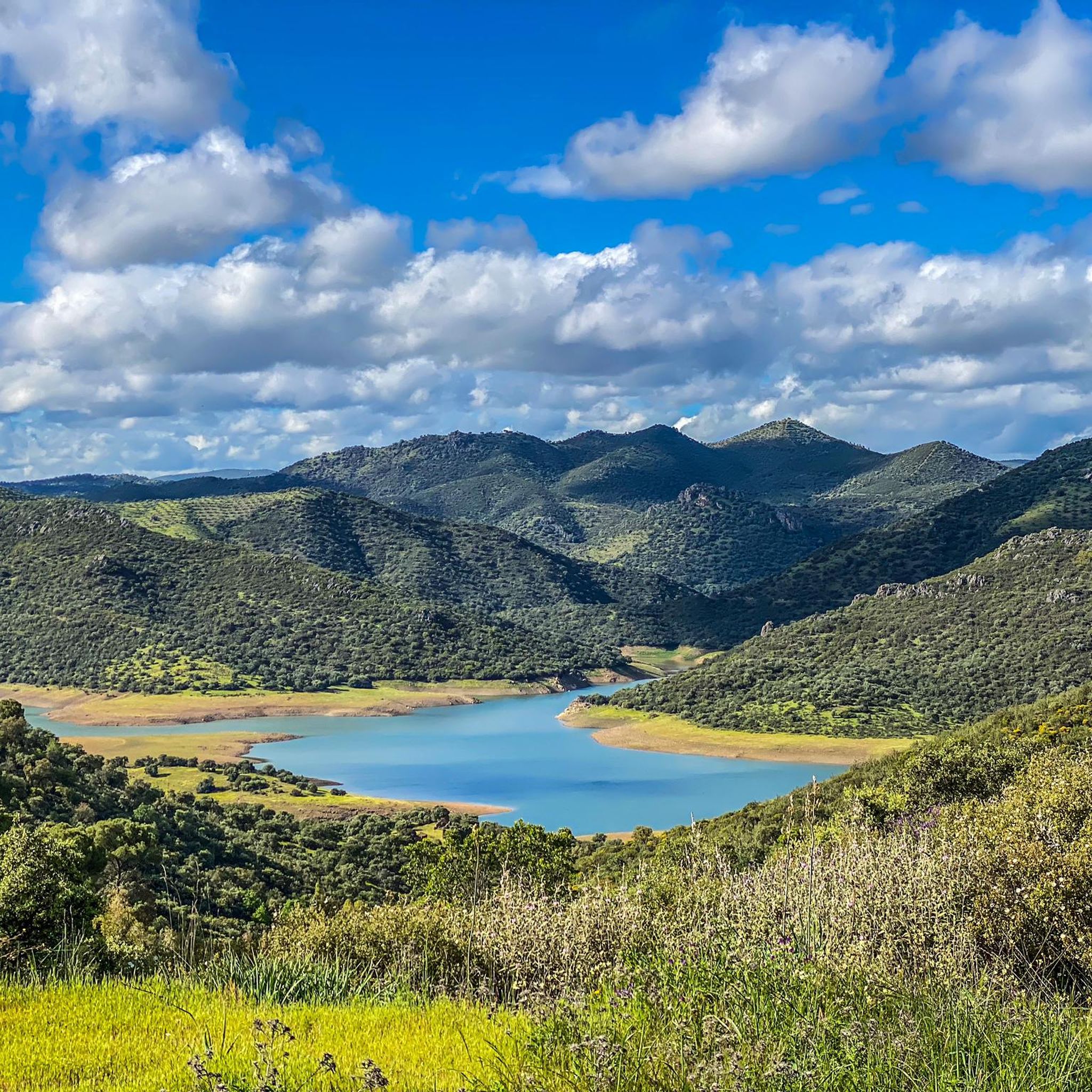
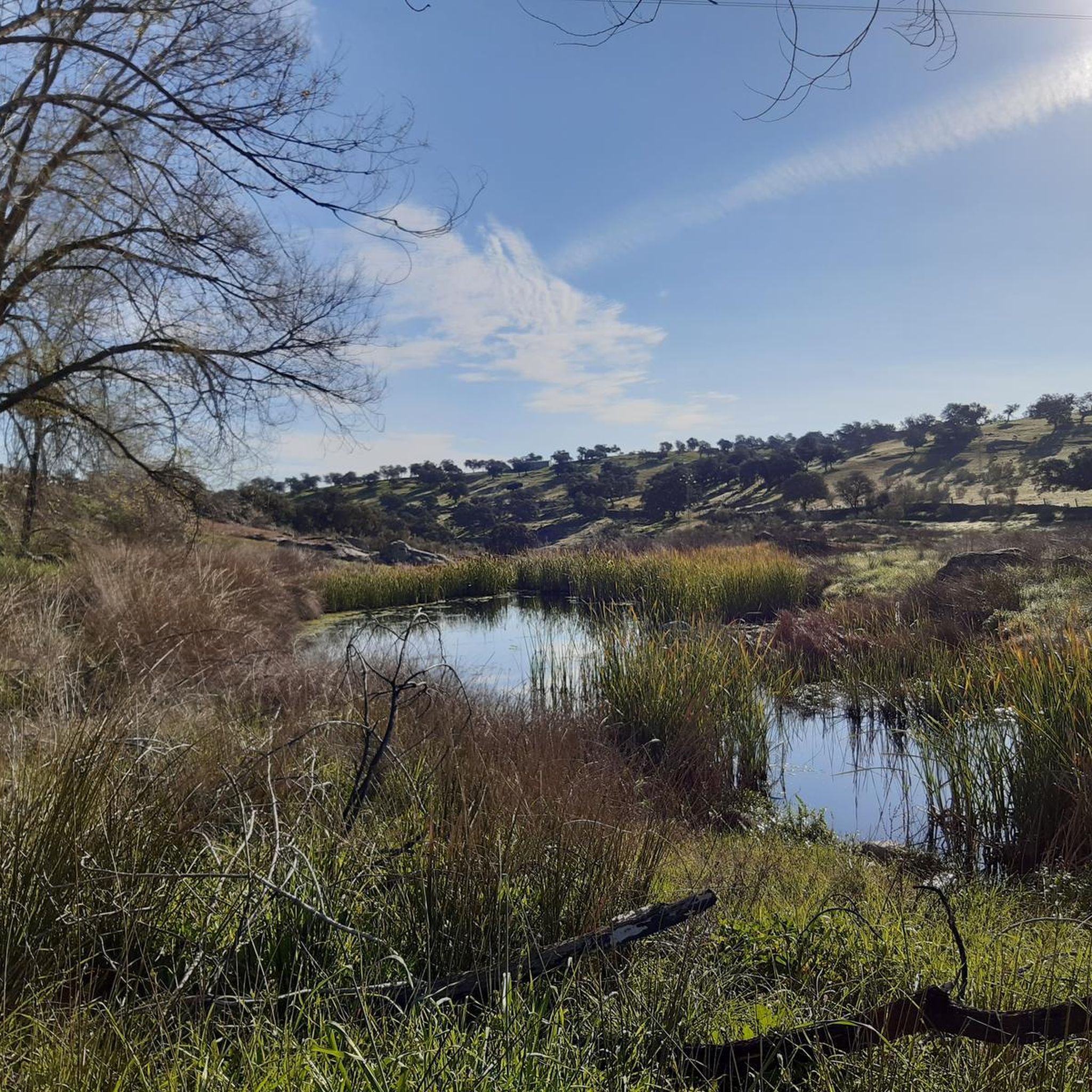
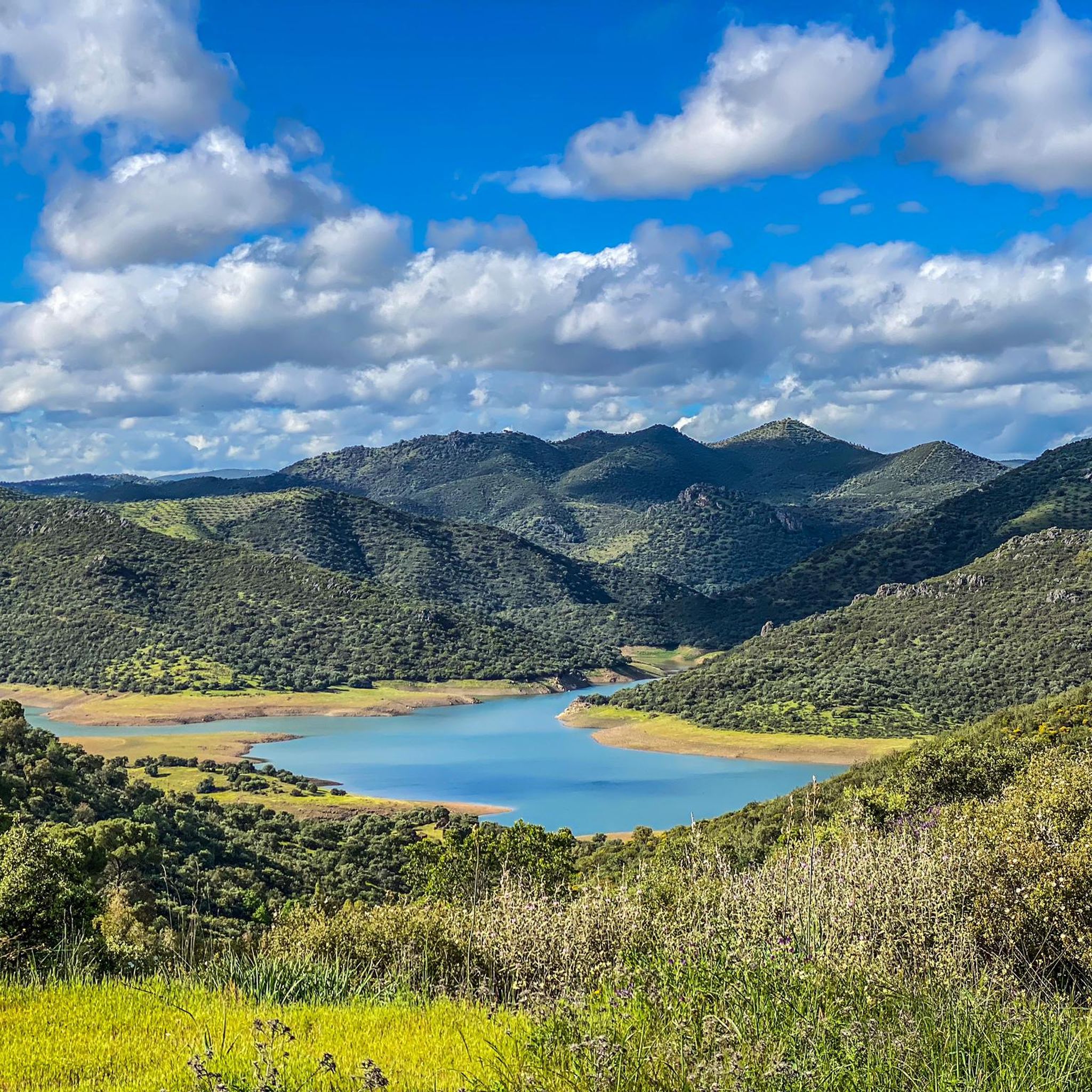
The Pedroches Valley is an enviable environment to explore its millions of tracks on our gravel bikes. The pastures predominate in a Mediterranean forest full of oaks.
0
0
Built in the 16th century, it houses an image of the Virgen de Piedrasantas, patron saint of Pedroche. It is a temple with a single nave covered by a barrel vault with lunettes and transverse arches that rest on Tuscan pilasters and exterior buttresses.
2
0

Hermitage built in the 16th century, with seven benches for the representatives of the seven towns, who met in this place to discuss common affairs. Opposite there is a bar and the Interpretation Center of the Seven Villas of Los Pedroches.
2
0
This town was born on the basis of the union between the two populations: Torrefranca and Toremilano (hence the name of Dos Torres). In the Plaza de Villa there is a small candy store that is open every day. On the outskirts there is a small Hermitage of San Sebastián with a viewpoint next to it.
3
1
In the central square of the town of Villanueva de Córdoba are the anti-aircraft shelter from the Civil War (it is the best preserved in the province) and the Church of San Miguel Arcángel (from the 16th century).
2
0

In this hermitage there are seven wooden benches, one for each of the seven Pedroches villas, and here their representatives would meet to discuss common issues.
3
0
Frequently Asked Questions
What historical and cultural sites are there to explore around Torrecampo?
The region around Torrecampo is rich in history. You can visit the Mudejar Gothic Plaza de España in Villanueva de Córdoba, which features an anti-aircraft shelter and the 16th-century Church of San Miguel Arcángel. Another notable spot is the Plaza Mayor De la Villa de Dos Torres, known for its distinctive arcades and traditional architecture. Within Torrecampo itself, don't miss the Parish Church of San Sebastián, the Chapel of Jesús of Nazareth, the Chapel of Virgen de Gracia, and the 16th-century Shrine of Our Lady of the Paths. The Antigua Posada del Moro and Casa de la Cárcel also offer insights into the village's past.
Are there any family-friendly attractions in the Torrecampo area?
Yes, several attractions are suitable for families. The Plaza de España in Villanueva de Córdoba and the Plaza Mayor De la Villa de Dos Torres are both listed as family-friendly historical sites. The Ermita de Piedras Santas and the Santa Ana Bridge also welcome families. Additionally, the Rest Area on Ruta de Valmaestre Alto provides a pleasant stop for those exploring the region's natural tracks.
What kind of natural landscapes and features can I expect to see near Torrecampo?
Torrecampo is nestled in the Los Pedroches region, characterized by serene natural surroundings. You'll find extensive fields of grain and meadows of oak, forming the unique 'dehesa' landscape. This area is ideal for nature lovers, offering peaceful environments and picturesque views. Specific natural points of interest include the remains of Castillo de Mogábar and Cerro de la Torre, which offer glimpses into the region's past amidst its natural beauty.
What outdoor activities can I do around Torrecampo?
The surrounding countryside of Torrecampo is perfect for outdoor enthusiasts. You can explore numerous tracks and trails, especially for hiking and cycling. The Rest Area on Ruta de Valmaestre Alto is a great starting point for exploring the region's pastures and Mediterranean forests. For specific routes, you can find various options for hiking, mountain biking, and gravel biking in the area.
Are there hiking trails suitable for beginners near Torrecampo?
Yes, there are easy hiking options available. The Hiking around Torrecampo guide includes trails like the 'Torrecampo Peri-urban Trail' (5.65 km) and the 'Torrecampo – Calle García in Torrecampo loop' (3.24 km), both rated as easy. These are great for a leisurely walk to enjoy the local scenery.
What is the significance of the traditional architecture in Torrecampo?
Torrecampo's traditional architecture is a defining feature, characterized by clean white streets and buildings that combine granite and limestone. This style is typical of the Los Pedroches region and reflects the historical affluence and cultural heritage of the area. Stately homes can be seen along Calle Real, and buildings like the Casa de la Cárcel exemplify this unique architectural blend.
What is the <a href="https://www.komoot.com/highlight/5125789" target="_blank" rel="noopener">Ermita de Piedras Santas</a> known for?
The Ermita de Piedras Santas, built in the 16th century, is significant for its historical role as a meeting place. It features seven wooden benches, one for each of the seven Pedroches villas, where their representatives would gather to discuss common issues. It houses an image of the Virgen de Piedrasantas, patron saint of Pedroche, and showcases Baroque elements added in the 18th century.
Can I find any ancient Roman or medieval remnants in the area?
Yes, the region has a deep historical past. The Plaza de España in Villanueva de Córdoba features the Roman Trifinio on the facade of the Church of San Miguel Arcángel, which was a dividing landmark for three Roman cities. Additionally, the Santa Ana Bridge, while Renaissance-late medieval, is often referred to as a medieval bridge and is a significant historical structure. The remains of Castillo de Mogábar date back to the Chalcolithic period up to the 12th century, indicating a long history of habitation.
What is unique about the <a href="https://www.komoot.com/highlight/4667553" target="_blank" rel="noopener">Plaza Mayor De la Villa de Dos Torres</a>?
The Plaza Mayor De la Villa de Dos Torres is particularly unique for its distinctive arcades, which are unparalleled in the Los Pedroches region. This square once housed the old prison of Torremilano and reflects a blend of Castilian and Extremaduran architectural styles due to its geographical location. It's a charming spot that showcases the rich history and traditional architecture of the area.
What do visitors enjoy most about the attractions around Torrecampo?
Visitors appreciate the diverse experiences offered by the attractions around Torrecampo. The historical sites, religious buildings, and traditional architecture are highly valued, as are the serene natural landscapes. The komoot community has given these spots 10 upvotes and shared 9 photos, highlighting their appeal for those seeking a blend of cultural exploration and peaceful outdoor activities.
Where can I find a good spot to rest and enjoy the natural surroundings?
The Rest Area on Ruta de Valmaestre Alto is an excellent facility located within the Pedroches Valley. It's ideal for taking a break and immersing yourself in the region's tracks amidst pastures and Mediterranean forests dominated by oaks. It provides a tranquil setting to relax and appreciate the natural beauty.
Are there any specific places to see traditional art or local crafts?
While not explicitly focused on crafts, the Antigua Posada del Moro / Posada del Moro Museum, housed in a former 15th-century inn, showcases archaeological remains, handmade objects, paintings, sculptures, and traditional furnishings. This offers a glimpse into the village's history and cultural practices, including traditional craftsmanship.
Most popular routes around Torrecampo

Get inspired with the komoot mobile app


Explore more
Still not found the Highlight you’re looking for? See guides of the top attractions in other regions:
